Allogeneic Bone Marrow Transplant
Allogeneic Bone Marrow Transplant
Allogeneic Bone Marrow Transplant—also known as an allogeneic stem cell transplant—is a life-saving procedure where a patient receives healthy stem cells from a donor to replace their own diseased or damaged marrow. Primarily used for aggressive blood cancers and non-malignant conditions like Thalassemia, this procedure introduces a new immune system into the patient’s body. Modern clinical protocols and advanced matching technologies have made this a highly successful intervention for patients with complex hematological disorders.
When You Should Consider Allogeneic BMT
Diagnosis of Acute Myeloid Leukemia (AML) or Acute Lymphoblastic Leukemia (ALL) with high-risk features.
Severe Aplastic Anemia where the bone marrow has stopped producing enough blood cells.
Presence of inherited blood disorders such as Thalassemia Major or Sickle Cell Anemia.
Myelodysplastic Syndromes (MDS) that show signs of progressing toward leukemia.
Certain types of aggressive Lymphoma that have relapsed after an autologous transplant.
Chronic Myeloid Leukemia (CML) that has become resistant to standard targeted therapies.
Conditions That Require Specialized Care
High-risk Leukemia requiring a powerful "Graft-versus-Tumor" effect to prevent relapse.
Pediatric Thalassemia requiring permanent correction of hemoglobin production.
Rare primary immunodeficiency disorders where the patient lacks a functional immune system.
Bone marrow failure syndromes requiring a complete replacement of the hematopoietic system.
Metabolic disorders that can be corrected by introducing healthy donor enzymes via stem cells.
How Allogeneic Bone Marrow Transplant Is Performed
A donor search is conducted to find a close Human Leukocyte Antigen (HLA) match.
The patient undergoes "Conditioning" with high-dose chemotherapy or radiation to suppress their immune system.
Healthy stem cells are collected from the donor's bone marrow or peripheral blood.
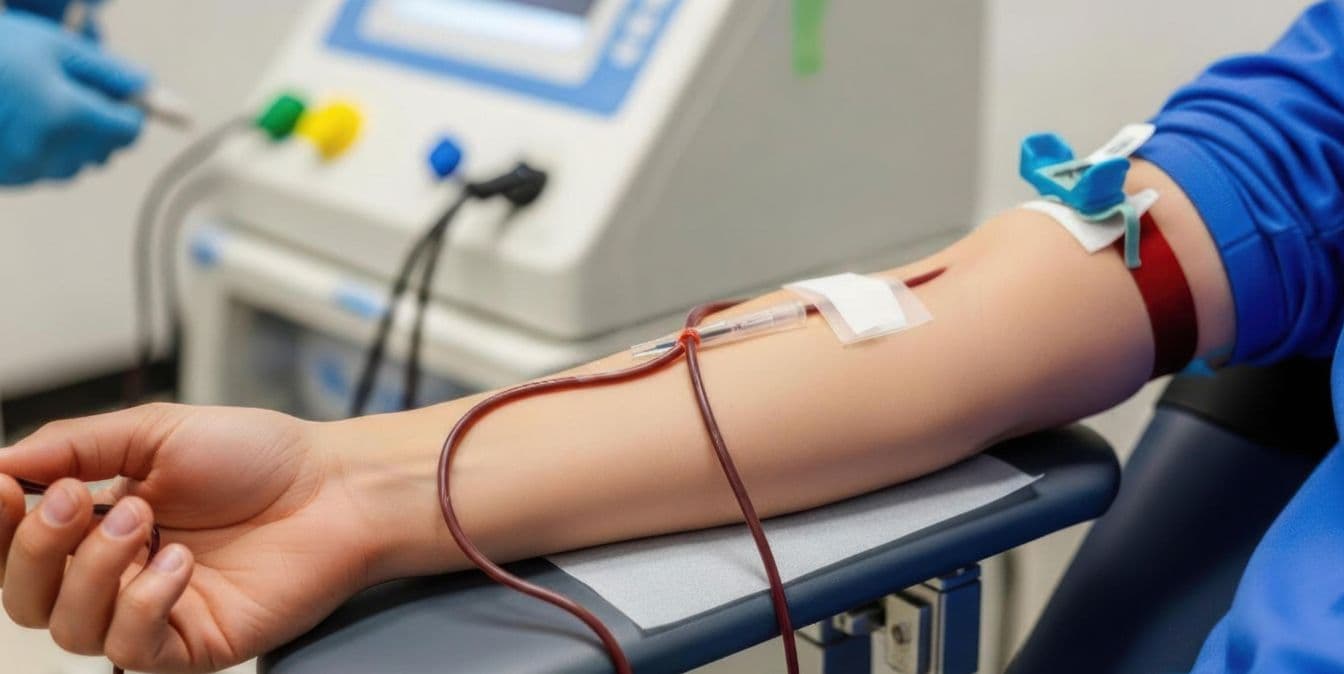
On the day of the transplant, donor cells are infused into the patient’s bloodstream through a central venous catheter.
The patient remains in a sterile, HEPA-filtered isolation room to prevent infection during the "neutral" phase.
Infused donor cells migrate to the marrow space and begin producing new, healthy blood cells (Engraftment).
Modern Innovations in Allogeneic BMT
Haploidentical (Half-Match) ProtocolsAdvanced techniques that allow parents or children to serve as donors with success rates comparable to full matches.
T-Cell Depletion & ModulationPrecision laboratory methods that remove specific donor cells responsible for GVHD while keeping those that fight cancer.
Next-Generation Sequencing (NGS) HLA MatchingUltra-high-resolution DNA matching that identifies the most compatible donor at the molecular level.
Reduced Intensity Conditioning (RIC)"Mini-transplants" that use lower doses of chemo, making the procedure safer for older or more fragile patients.
Microbiome-Preserving ProtocolsSpecialized nutritional and antibiotic strategies that protect the gut health to reduce the risk of post-transplant complications.
Post-Transplant Cyclophosphamide (PTCy)A breakthrough medication protocol that significantly lowers the incidence of Graft-versus-Host Disease in mismatched cases.
Donor Types and Selection
Matched Related Donor (MRD)The gold standard, typically a sibling who shares identical genetic markers (10/10 HLA match).
Matched Unrelated Donor (MUD)A compatible volunteer identified through international bone marrow registries.
Haploidentical DonorA biological parent or child who is a 50% genetic match, now widely used due to improved safety protocols.
Umbilical Cord BloodRich in stem cells, cord blood can be used for patients who cannot find a suitable adult donor.
Pre-Procedure Preparation for Allogeneic Bone Marrow Transplant
Rigorous HLA testing of the patient and potential family donors to find the best possible match.
Evaluation by a multidisciplinary team including hematologists, infectious disease specialists, and nutritionists.
Placement of a multi-lumen central venous catheter for chemotherapy, cell infusion, and blood sampling.
Extensive counseling on the long-term recovery process and the management of a new immune system.
Dental and sinus clearances to ensure there are no dormant infections prior to the conditioning phase.
Pre-Procedure Tests for Allogeneic Bone Marrow Transplant
High-resolution HLA typing (Class I and II) to confirm donor compatibility.
Bone marrow aspiration and biopsy to establish the baseline disease status.
Organ function tests including Echocardiogram, PFTs (Lungs), and Kidney function panels.
Comprehensive viral screening for CMV, EBV, HIV, and Hepatitis for both donor and recipient.
Cross-matching and donor-specific antibody (DSA) testing to prevent graft rejection.
Why This Treatment Is Highly Effective
Provides a "Graft-versus-Tumor" (GVT) effect, where the new immune system actively hunts and kills cancer cells.
Offers the only potential cure for many aggressive forms of leukemia and bone marrow failure.
Successfully cures pediatric Thalassemia in a high majority of cases, eliminating the need for lifelong transfusions.
Modern supportive care has significantly reduced the historical risks of infection and organ damage.
Technological advances allow for successful transplants even without a perfectly matched sibling.
Recovery and Monitoring
The "Engraftment" period (2–3 weeks) requires intensive monitoring for fever and blood count recovery.
Patients remain on immunosuppressant medications for several months to prevent Graft-versus-Host Disease (GVHD).
Full immune system reconstitution typically takes 6 to 12 months, during which special precautions are needed.
Frequent blood tests and chimeric studies are done to ensure the donor cells have successfully "taken over."
Gradual re-introduction to social environments occurs as white blood cell levels stabilize.
Life After Allogeneic BMT
Long-term remission and potential cure from previously fatal blood disorders.
A personalized re-vaccination schedule to rebuild immunity from the "donor's" perspective.
Regular monitoring for chronic GVHD, which can affect the skin, eyes, or liver.
Return to a full, active life, including school or work, once the immune system is mature.
Ongoing partnership with the transplant team to ensure long-term wellness and disease-free survival.
Allogeneic Bone Marrow Transplant Cost in India
The cost of Allogeneic Bone Marrow Transplant in India is generally affordable compared with many other countries, making India a popular destination for international patients seeking quality medical care. The treatment cost depends on factors such as the hospital, doctor's experience, treatment approach, medical condition, hospital stay, diagnostic tests, medicines, and any additional procedures required. For international patients, the starting cost of Allogeneic Bone Marrow Transplant in India is approximately 15000 USD, although the final price may vary based on individual treatment requirements. Patients are advised to obtain a personalized treatment estimate after medical evaluation.