Arthrocentesis (Joint Aspiration)
Arthrocentesis (Joint Aspiration)
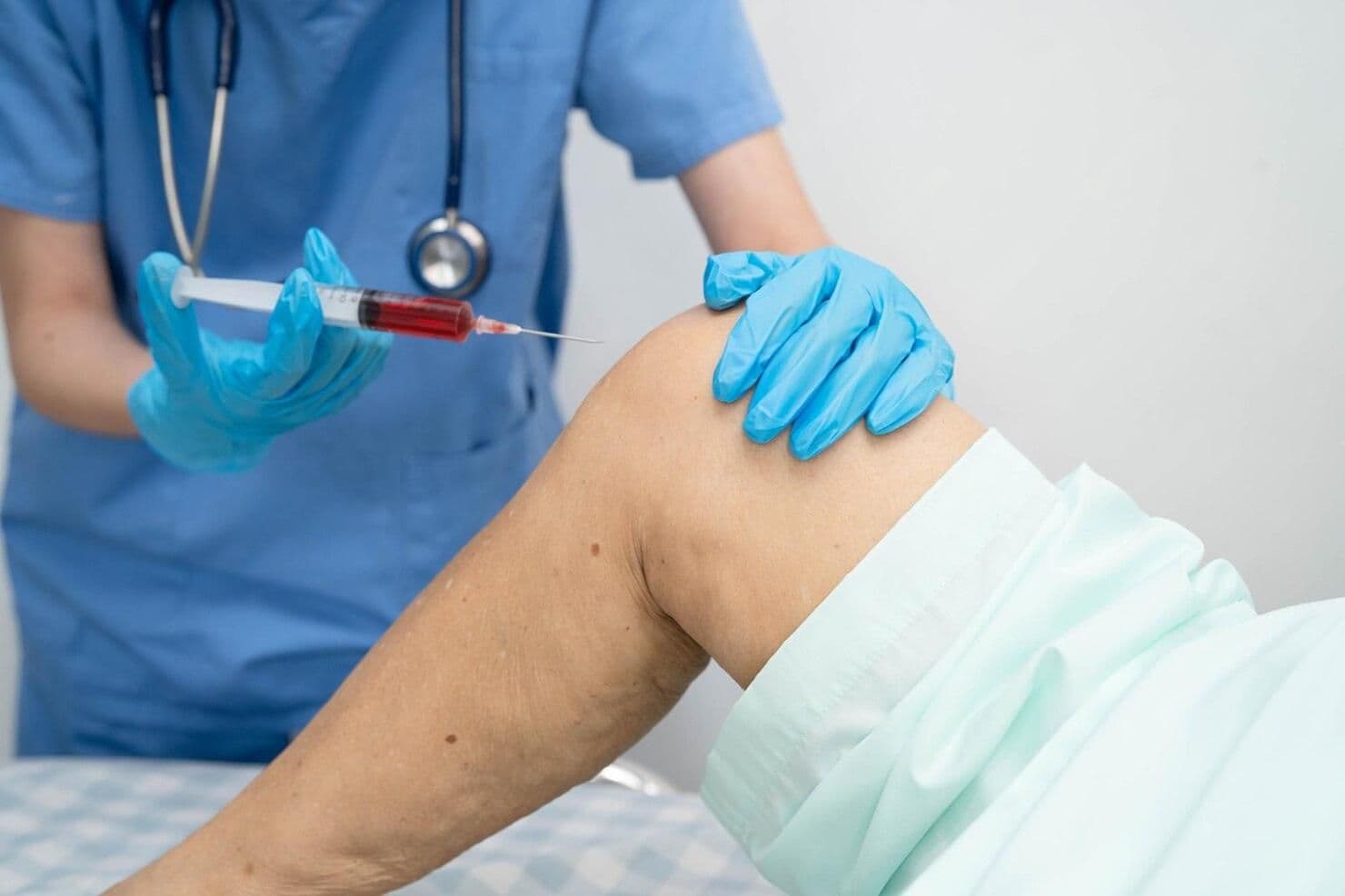
Arthrocentesis, commonly known as joint aspiration, is a medical procedure used to collect synovial fluid from a joint capsule for diagnostic or therapeutic purposes. It is an essential tool in orthopedics and rheumatology for evaluating joint health. The use of ultrasound-guided techniques has become a clinical benchmark for increasing accuracy, particularly in smaller or medium-sized joints like the wrist, ankle, or elbow, significantly improving success rates compared to traditional landmark-guided methods.
Why the Arthrocentesis is Performed
Diagnostic Investigation: Identifying the root cause of joint swelling (effusion) by analyzing the synovial fluid's chemistry and cell count.
Septic Arthritis Detection: Serving as the "gold standard" to rule out or confirm joint infections, which are considered medical emergencies.
Crystal-Induced Arthritis: Confirming the presence of uric acid or calcium crystals to diagnose gout or pseudogout.
Therapeutic Relief: Providing immediate pain relief by removing excess fluid that causes internal pressure and restricts mobility.
Intra-articular Injection: Using the aspiration site to deliver therapeutic medications, such as corticosteroids or hyaluronic acid, directly into the joint space.
The Arthrocentesis (Clinical Standards)
Preparation: The skin over the joint is thoroughly sterilized with medical-grade antiseptic to maintain a sterile field and prevent the introduction of bacteria.
Ultrasound Mapping: Providers use real-time ultrasound imaging to visualize the joint space, identify the largest pocket of fluid, and map a safe needle path that avoids nerves and blood vessels.
Anesthesia: A local anesthetic is injected to numb the skin and the deeper soft tissues, ensuring the patient feels only pressure during the aspiration.
Aspiration: A hollow needle is carefully inserted into the joint space. The provider may gently "milk" the joint or apply external pressure to help drain the maximum volume of fluid.
Analysis: The collected fluid is placed in sterile tubes and sent to a laboratory for microscopic examination of cell counts, crystal analysis, and bacterial cultures.
Completion: Once the needle is removed, a small bandage is applied. If a therapeutic injection was performed, the joint may be moved through its range of motion to distribute the medication.
Innovations in Joint Management
Real-Time Ultrasound GuidanceProviding a "live" view of the needle tip to ensure 100% accuracy in fluid removal and medication placement, even in deep or complex joints.
Point-of-Care Synovial AnalysisPortable diagnostic devices that can detect signs of infection or gout crystals in the office within minutes, allowing for immediate treatment.
Automated Aspiration DevicesAdvanced syringes that maintain consistent pressure, making fluid collection faster and less traumatic for the surrounding tissue.
Bio-Inductive InjectionsUtilizing the arthrocentesis site to deliver platelet-rich plasma (PRP) or stem cell therapies designed to promote the natural healing of joint cartilage.
Micro-Needle TechnologyThe use of ultra-fine, specialized needles that reduce the sensation of the procedure, making it more tolerable for patients with needle anxiety.
Risks and Recovery of Arthrocentesis
Infection Prevention: While rare, clinicians take extreme care to avoid passing a needle through infected skin (cellulitis) to prevent spreading bacteria into the joint.
Bleeding (Hemarthrosis): Minor bleeding into the joint can occur, particularly in patients taking blood-thinning medications; this is typically managed with rest and ice.
Post-Injection Flare: A temporary increase in localized pain or swelling may occur following a steroid injection, usually subsiding within 24–48 hours.
Recovery Timeline: Patients are generally advised to rest the joint for 24 to 48 hours to allow the puncture site to heal and the medication to settle.
Warning Signs: Patients should monitor for fever, chills, or severe worsening of pain, which may indicate a rare post-procedure complication.
Why Arthrocentesis Is Highly Effective
Definitive Diagnostics: It is the only way to distinguish between an infection, an autoimmune flare, and a crystal-induced injury with absolute certainty.
Instant Mechanical Relief: Removing even a few milliliters of fluid can significantly restore the joint's range of motion and reduce pain.
High Precision: Ultrasound guidance ensures that medications are delivered exactly where they are needed, maximizing the drug's effectiveness.
Minimally Invasive: Offers a fast, office-based alternative to more invasive surgical explorations of the joint.
Life After Arthrocentesis
A rapid reduction in joint swelling and a return to improved mobility and comfort.
A clear diagnostic roadmap, allowing your specialist to prescribe the correct medication for your specific type of arthritis.
The ability to return to daily activities within a short period, supported by a personalized joint-health maintenance plan.
Long-term protection of joint surfaces by removing inflammatory fluids that can cause cartilage breakdown over time.
Arthrocentesis (Joint Aspiration) Cost in India
The cost of Arthrocentesis (Joint Aspiration) in India is generally affordable compared with many other countries, making India a popular destination for international patients seeking quality medical care. The treatment cost depends on factors such as the hospital, doctor's experience, treatment approach, medical condition, hospital stay, diagnostic tests, medicines, and any additional procedures required. For international patients, the starting cost of Arthrocentesis (Joint Aspiration) in India is approximately 100 USD, although the final price may vary based on individual treatment requirements. Patients are advised to obtain a personalized treatment estimate after medical evaluation.