Balloon Valvotomy (Mitral / Pulmonary)
Balloon Valvotomy
Balloon Valvotomy, also known as balloon valvuloplasty, is a minimally invasive, non-surgical procedure used to widen a heart valve that has become narrowed or stiff (stenosis). This procedure remains the primary alternative to open-heart surgery for treating Mitral and Pulmonary valve obstructions. The technique involves using a specialized balloon catheter to stretch the valve leaflets apart, restoring efficient blood flow through the heart.
When You Should Consider Balloon Valvotomy
Severe Mitral Stenosis, often caused by rheumatic heart disease, limiting physical activity.
Congenital Pulmonary Stenosis identified in newborns, children, or adults.
Symptoms of heart failure such as shortness of breath, fatigue, or persistent coughing.
Evidence of high pressure in the lung arteries or right-sided heart strain.
Patients with pliable, non-calcified valves who are ideal candidates for non-surgical repair.
Methods of Balloon Valvotomy
Mitral Balloon Valvotomy (BMV/PTMC): The treatment of choice for narrowing of the mitral valve between the left chambers.
Pulmonary Balloon Valvotomy (BPV): A first-line procedure for opening the valve between the right ventricle and the pulmonary artery.
Transseptal Puncture: A specialized technique used in mitral cases to reach the left side of the heart through a tiny hole in the septum.
Percutaneous Transvenous Mitral Commissurotomy (PTMC): A specific approach using a groin catheter to treat rheumatic valve disease.
Balloon Dilation: The mechanical stretching of fused valve leaflets to increase the valve's opening area.
How Balloon Valvotomy Is Performed
Catheter Access: A thin tube is guided through a vein in the groin (femoral vein) or occasionally the arm.
Navigation: For Mitral valves, a needle creates a tiny septal hole; for Pulmonary valves, the catheter moves directly into the right side.
Balloon Inflation: Once positioned across the stiff valve, the balloon is inflated to split the fused "commissures" or flaps.
Real-time Monitoring: Imaging (Fluoroscopy and Echo) ensures the valve is sufficiently opened without causing excessive leaks.
Finalization: The balloon is deflated and removed, leaving the widened valve to function naturally without a permanent implant.
Pre-Procedure Preparation
Fasting for 8-12 hours before the scheduled cardiac catheterization.
Blood tests, ECG, and chest X-rays to assess overall cardiac health and clotting levels.
Adjusting current heart medications or blood thinners as directed by the cardiology team.
Discussing any allergies, particularly to contrast dye or sedation medications.
Arranging for an overnight hospital stay (for BMV) or a support person for same-day discharge (for BPV).
Tests Before Balloon Valvotomy
Echocardiogram (TTE or TEE) to evaluate the valve's pliability and check for blood clots in the heart.
Cardiac Catheterization to measure the pressure gradient across the narrowed valve.
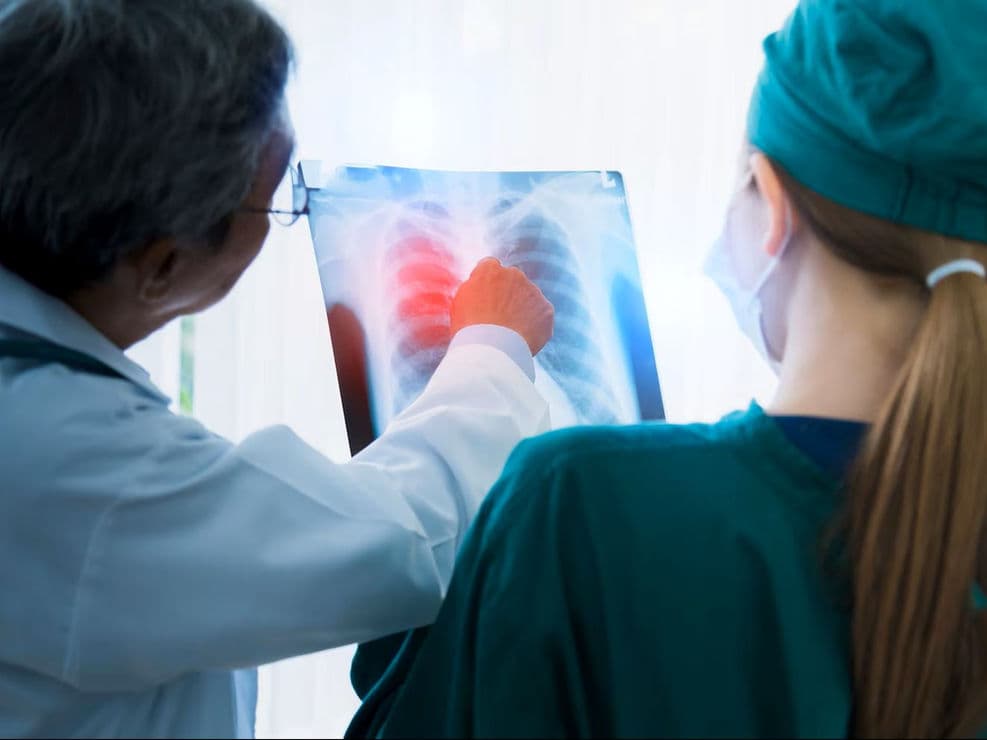
Chest X-ray to look for signs of heart enlargement or fluid backup in the lungs.
ECG to monitor the heart's electrical rhythm and detect any atrial fibrillation.
Pulse oximetry to evaluate oxygen saturation levels during physical exertion.
Life After Balloon Valvotomy
Short hospital stay, typically ranging from same-day discharge to one night of observation.
Fast recovery, with most patients returning to their normal routine within one week.
Avoid strenuous activity and heavy lifting for the first few days post-procedure.
Regular follow-up visits with a cardiologist to monitor the valve's function over time.
Immediate improvement in breathing, stamina, and overall energy levels.
Benefits of Balloon Valvotomy
Avoids the need for open-heart surgery and the use of a heart-lung bypass machine.
High success rates, often exceeding 90% to 95% for achieving a wider valve opening.
Results are long-lasting, particularly in children, often spanning 10 to 20 years.
Requires only local anesthesia and sedation, leading to less pain and no major surgical scarring.
Protects the heart and lungs from permanent damage caused by chronic valve obstruction.