Breast Lift Surgery (Mastopexy)
Breast Lift Surgery (Mastopexy)
A Breast Lift, or mastopexy, is a surgical procedure designed to raise and firm the breasts by removing excess skin and tightening the surrounding tissue. It is primarily used to correct "ptosis" (sagging) caused by pregnancy, breastfeeding, weight fluctuations, or the natural aging process.
When You Should Consider Breast Lift Surgery
This procedure is ideal for individuals who are satisfied with their breast size but unhappy with the position or shape. Key indications include:
Breast Ptosis: Breasts that have lost their youthful shape and begun to sag.
Nipple Position: Nipples that point downward or fall below the breast crease.
Stretched Skin: Loss of skin elasticity leading to a "heavy" or pendulous appearance.
Large Areolas: Enlarged areolas that have stretched over time and are out of proportion with the breast.
Post-Weight Loss/Pregnancy: Changes in breast volume and skin tightness following significant life events.
Methods of a Breast Lift Surgery
Crescent Lift: A minor lift involving a small incision along the top half of the areola.
Peri-Areolar (Donut) Lift: A circular incision around the entire areola, ideal for mild sagging.
Vertical (Lollipop) Lift: An incision around the areola and a vertical line down to the breast crease, used for moderate sagging.
Inverted-T (Anchor) Lift: The most comprehensive technique for major sagging, involving incisions around the areola, vertically down, and along the breast crease.
Internal Bra Technique: A 2026 trend using specialized mesh or sutures to provide extra internal support and long-term stability.
How a Breast Lift Surgery Is Performed
Surgical Access: Incisions are made based on the chosen technique (Crescent, Lollipop, or Anchor) to access the underlying tissue.
Reshaping: The surgeon lifts and reshapes the breast tissue to create a firmer, more youthful contour.
Nipple Repositioning: The nipple and areola are moved to a higher, more centered position on the breast mound.
Skin Removal: Excess, stretched skin is carefully trimmed away to tighten the remaining envelope.
Closure: Incisions are closed with fine sutures, and a specialized surgical support bra is typically applied immediately.
Pre-Procedure Preparation for Breast Lift Surgery
Fasting: Patients are typically required to fast for 8–12 hours before the surgery.
Medical Clearances: Standard blood tests, an ECG, and often a baseline mammogram are required for patients over a certain age.
Medication Review: Avoiding aspirin, anti-inflammatory drugs, and certain supplements that can increase bleeding risks.
Nicotine Cessation: Stopping all nicotine products several weeks before and after surgery is mandatory to ensure proper wound healing.
Tests Before a Breast Lift Surgery
Mammogram: To ensure breast health and establish a baseline before changing the breast architecture.
Basic Blood Panel: To evaluate overall health, hemoglobin levels, and clotting function.
ECG: Performed to monitor heart health during the 2 to 3-hour procedure under general anesthesia.
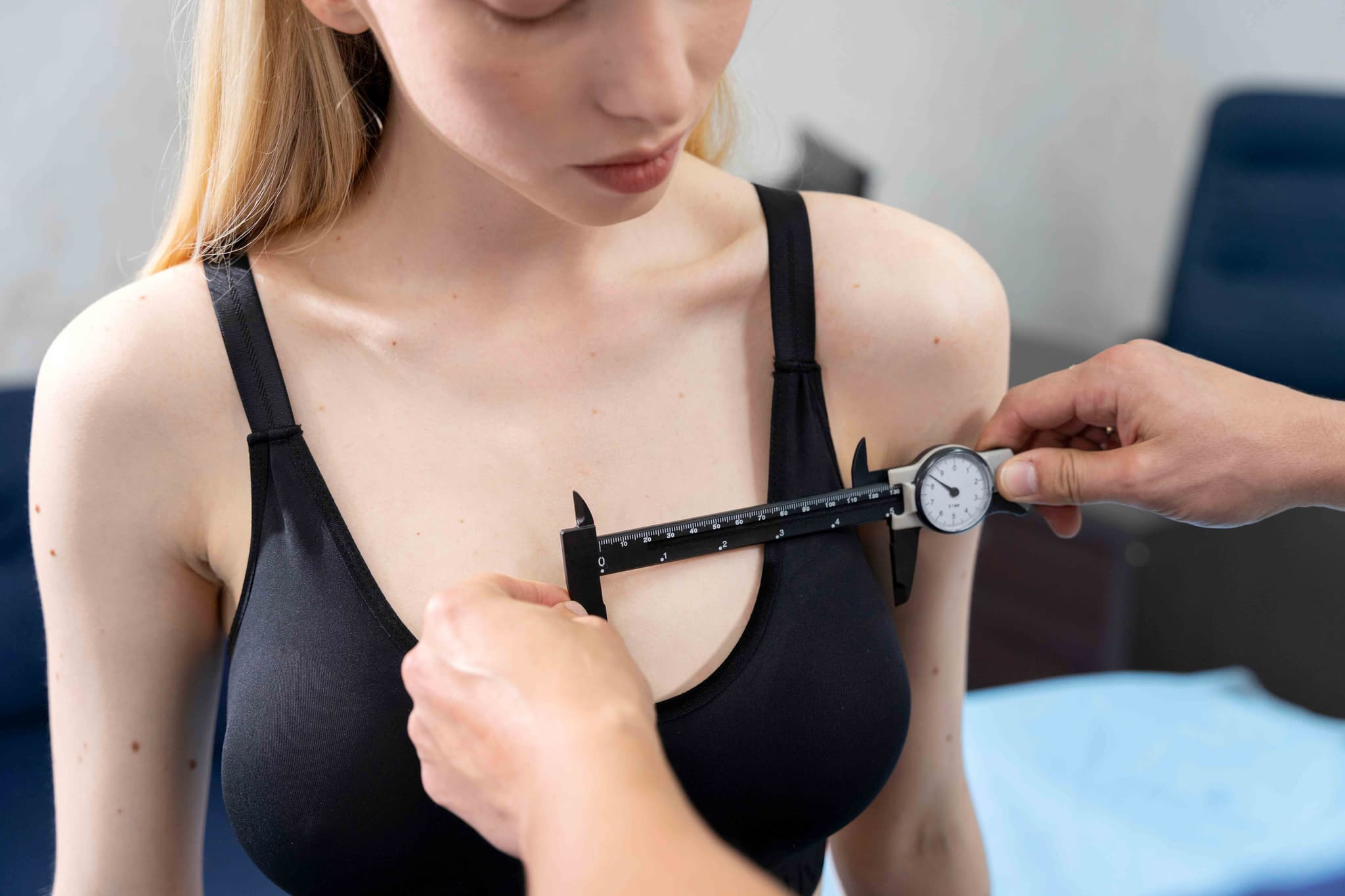
Physical Assessment: To determine the grade of ptosis and select the appropriate incision technique.
Life After a Breast Lift Surgery (Recovery)
Hospital Stay: Usually performed as an outpatient procedure, with patients returning home the same day.
Initial Milestones: Most patients return to desk work and light daily activities within 1 week.
Activity Restrictions: No heavy lifting or high-impact exercise (like running) for 4 to 6 weeks.
Support Garments: A surgical bra must be worn initially, followed by a supportive sports bra; underwire bras must be avoided for at least 6 to 8 weeks.
Benefits of a Breast Lift Surgery
Youthful Contour: Restores a firmer, higher, and more aesthetically pleasing breast shape.
Improved Body Proportion: Repositions the nipples and reshapes the breast mound to better suit the patient's frame.
Clothing Fit: Allows for a wider range of clothing and swimwear styles to fit more comfortably and attractively.
Long-Term Transformation: Provides a durable correction that can be further enhanced when combined with implants (Mastopexy-Augmentation).
Breast Lift Surgery (Mastopexy) Cost in India
The cost of Breast Lift Surgery (Mastopexy) in India is generally affordable compared with many other countries, making India a popular destination for international patients seeking quality medical care. The treatment cost depends on factors such as the hospital, doctor's experience, treatment approach, medical condition, hospital stay, diagnostic tests, medicines, and any additional procedures required. For international patients, the starting cost of Breast Lift Surgery (Mastopexy) in India is approximately 1000 USD, although the final price may vary based on individual treatment requirements. Patients are advised to obtain a personalized treatment estimate after medical evaluation.