Chest Tube Insertion (Tube Thoracostomy)
Chest Tube Insertion (Tube Thoracostomy)
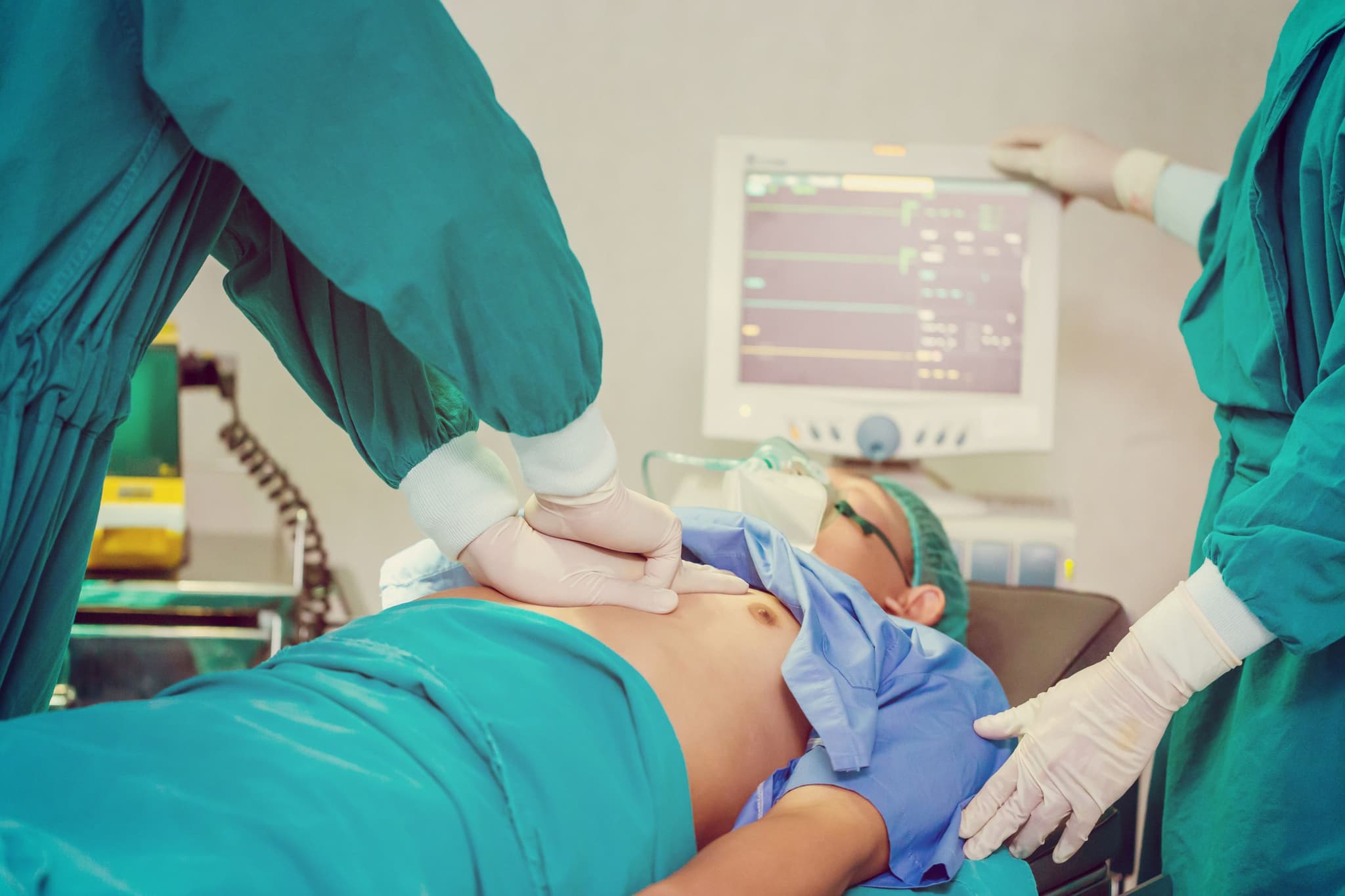
Chest tube insertion, or tube thoracostomy, is a critical medical procedure used to drain air, blood, pus, or fluid from the pleural space—the narrow area between the lungs and the chest wall. By removing these abnormal collections, the procedure relieves pressure on the lung tissue, allowing it to fully re-expand and restore normal respiratory function. This is a life-saving intervention frequently performed in trauma centers, emergency departments, and post-surgical intensive care units.
Why Chest Tube Insertion is Performed
Pneumothorax: Relieving a collapsed lung by draining air that has leaked into the pleural space.
Hemothorax: Removing blood accumulation, typically resulting from blunt or penetrating chest trauma.
Pleural Effusion: Draining excess fluid caused by systemic conditions such as heart failure, infection, or malignancy.
Empyema: Clearing a collection of pus caused by severe pulmonary infections like pneumonia.
Chylothorax: Removing lymphatic fluid that has leaked into the chest cavity.
Post-Surgical Drainage: Providing prophylactic drainage after open-heart or thoracic surgery to prevent fluid buildup.
Chest Tube Insertion (Clinical Standards)
The "Safety Triangle": To minimize the risk of injury to internal organs, surgeons target an area bordered by the pectoralis major, the latissimus dorsi, and the nipple line (usually the 4th or 5th intercostal space).
Positioning: The patient is positioned with the arm on the affected side raised above the head to widen the spaces between the ribs.
Anesthesia: A local anesthetic is injected to numb the skin, the underlying intercostal muscles, and the sensitive pleural lining.
Surgical Entry: * Open Technique: A small incision is made, and blunt instruments are used to create a path to the pleural space. A "digital sweep" (using a finger) is often performed to ensure no adhesions are present.
Percutaneous Technique: For smaller tubes, a guidewire (Seldinger) method is used to thread the tube into place with minimal tissue disruption.Securing the Tube: The tube is advanced into the chest, sutured to the skin for stability, and covered with an airtight dressing.
Drainage Connection: The tube is attached to a one-way water-seal drainage system, which allows air and fluid to escape the chest while preventing outside air from entering.
Innovations in Pleural Drainage
Digital Drainage SystemsElectronic monitoring devices that provide precise, real-time data on air leaks and fluid volume, allowing for more objective decisions on when to remove the tube.
Ultrasound-Guided PlacementThe standard use of bedside ultrasound to identify fluid pockets and avoid the diaphragm or liver during insertion, significantly increasing safety.
Small-Bore "Pigtail" CathetersSmaller, more flexible tubes that provide the same drainage capacity for air and thin fluids as traditional large tubes but with significantly less patient discomfort.
Valved Chest Drains (Heimlich Valves)One-way mobile valves that allow stable patients to move around or even be discharged home while the lung continues to drain.
Fibrinolytic Therapy IntegrationUsing the chest tube as a port to deliver specialized medications that "break up" thick, infected fluid or blood clots that are difficult to drain.
Smart-Suture KitsAdvanced wound closure materials that provide a more secure, "purse-string" seal once the tube is removed to prevent air from leaking back in.
Risks and Recovery for Chest Tube Insertion
Immediate Complications: Potential for minor bleeding from intercostal vessels or localized pain at the insertion site.
Infection Management: Risks of "tube-associated" infections are managed through sterile insertion techniques and proactive antibiotic use.
Subcutaneous Emphysema: A condition where air becomes trapped under the skin; while usually harmless, it is monitored closely as the lung heals.
Re-expansion Pulmonary Edema: A rare fluid buildup in the lung that can occur if it is re-inflated too rapidly; clinicians manage this by controlling the rate of drainage.
Monitoring Protocol: Healthcare teams continuously monitor the drainage system for "swinging" (respiratory oscillations) and "bubbling" (active air leaks).
Why Chest Tube Insertion Is Highly Effective
Instant Respiratory Relief: By removing the "tension" in the chest, it immediately resolves life-threatening shortness of breath.
Definitive Fluid Clearance: Provides a continuous way to remove blood or pus that could otherwise lead to permanent lung scarring.
Objective Lung Assessment: Allows doctors to measure exactly how much fluid is being lost, which is critical for patients with trauma or post-surgical bleeding.
Facilitates Healing: By keeping the pleural space empty, the two layers of the pleura can touch and heal together, preventing a recurrence of the collapse.
Life After Chest Tube Removal
The "Breath-Hold" Removal: The tube is removed quickly during a specific breathing maneuver to ensure no air enters the chest during the split second the hole is open.
Radiological Confirmation: A follow-up chest X-ray is typically performed to ensure the lung has remained fully expanded.
Wound Healing: The small incision usually heals within a week, leaving a minimal scar.
Full Recovery: Most patients return to full physical activity within 3 to 4 weeks, depending on the severity of the underlying condition that required the tube.
Chest Tube Insertion (Tube Thoracostomy) Cost in India
The cost of Chest Tube Insertion (Tube Thoracostomy) in India is generally affordable compared with many other countries, making India a popular destination for international patients seeking quality medical care. The treatment cost depends on factors such as the hospital, doctor's experience, treatment approach, medical condition, hospital stay, diagnostic tests, medicines, and any additional procedures required. For international patients, the starting cost of Chest Tube Insertion (Tube Thoracostomy) in India is approximately 200 USD, although the final price may vary based on individual treatment requirements. Patients are advised to obtain a personalized treatment estimate after medical evaluation.