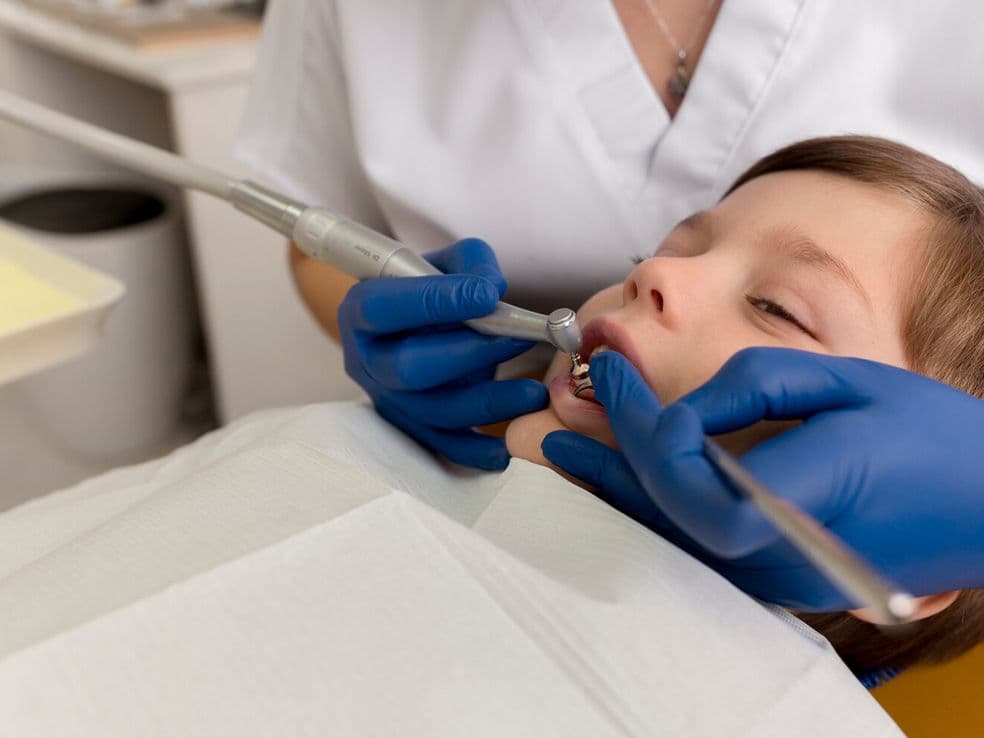
Cleft Lip Palate Surgery
Cleft Lip and Palate Reconstruction
Cleft Lip and Palate Reconstruction is a specialized series of surgical procedures designed to correct congenital gaps in the upper lip and the roof of the mouth. By 2026, the management of these conditions has evolved into a highly coordinated "Cleft Protocol" that begins in infancy and continues through adolescence. The primary goals are to restore a natural facial appearance, ensure clear speech development, and allow for normal feeding and dental growth.
When You Should Consider Reconstruction
Newborn Diagnosis: When a cleft lip or palate is identified at birth or via prenatal ultrasound.
Feeding Difficulties: Infants struggling to create a seal for breastfeeding or bottle-feeding due to a palate gap.
Speech Impediments: Toddlers exhibiting "hypernasal" speech or difficulty forming specific letter sounds.
Chronic Ear Infections: Persistent fluid buildup in the middle ear, a common complication of palate issues.
Dental and Jaw Misalignment: When the cleft affects the gum line, preventing permanent teeth from erupting correctly.
Nasal Deformity: Asymmetry of the nostrils or nasal bridge associated with the initial cleft.
How Reconstruction Is Performed
Nasoalveolar Molding (NAM): Before the first surgery, infants may wear a 3D-printed plate to gently reshape the gums and nostrils.
Cleft Lip Repair (Cheiloplasty): Usually performed between 3–6 months of age, surgeons join the separated skin and muscle of the lip to create a natural "Cupid’s bow."
Cleft Palate Repair (Palatoplasty): Performed around 9–12 months, the tissue of the hard and soft palate is rearranged to close the roof of the mouth.
Alveolar Bone Grafting: At ages 7–9, bone is taken from the hip or a synthetic source to stabilize the gum line for adult teeth.
Precision Suturing: Surgeons use microscopic or robotic-assisted techniques to align delicate muscles, ensuring minimal scarring and maximal function.
Multistage Monitoring: Frequent evaluations by a team of surgeons, orthodontists, and speech therapists guide the timing of each step.
Innovations in Cleft Care
3D-Printed Pre-Surgical OrthopedicsCustom-fit plates that are digitally designed and printed to provide a more comfortable and precise fit than traditional manual molding.
Robotic-Assisted PalatoplastyThe use of specialized robotic arms to provide high-definition 3D visualization and extreme dexterity when repairing the narrow space of a baby’s palate.
Virtual Surgical Planning (VSP)Software that allows surgeons to simulate the entire operation on a 3D digital model of the child's face before the first incision is made.
Stem Cell Bone RegenerationResearch into using dental stem cells or growth factors to fill gum gaps, potentially eliminating the need for bone grafts from the hip.
Absorbable "Internal" SplintsInnovative materials that support the new shape of the nose or palate and are slowly absorbed by the body, reducing the need for post-operative dressing changes.
Tele-Speech Therapy AIApps and platforms that use AI to analyze a child’s speech patterns at home, providing real-time feedback and progress tracking for the medical team.
Pre-Procedure Preparation
The "Rule of 10s": Ensuring the infant is at least 10 weeks old, weighs at least 10 lbs, and has a hemoglobin level of 10 g/dL for safety.
Specialized Feeding Support: Using "cleft-friendly" bottles or nipples to ensure the baby reaches weight milestones before surgery.
Anesthetic Clearance: A thorough pediatric cardiac and respiratory review to ensure the infant can safely undergo general anesthesia.
Audiology Screening: Testing the child's hearing, as palate issues are closely linked to middle ear health.
Caregiver Education: Training on how to manage "No-No" arm splints, which prevent the baby from touching the new stitches.
Diagnostic and Developmental Milestones
Feeding Assessment: Monitoring weight gain and caloric intake to ensure the infant is thriving.
Speech Evaluation: Assessing velopharyngeal function to ensure the soft palate is effectively closing against the back of the throat.
Orthodontic Mapping: Regular X-rays and 3D scans to track the development of the jaw and the eruption of permanent teeth.
Hearing Tests: Routine screenings to determine if "ear tubes" (tympanostomy) are needed alongside palate repair.
Aesthetic Evaluation: Assessing the symmetry of the nose and lip as the child’s facial features mature.
Why This Treatment Is Highly Effective
Comprehensive Functional Restoration: Enables normal eating, breathing, and speaking, which are vital for a child's development.
Minimal Long-Term Scarring: Modern surgical techniques and advanced wound care result in highly discreet, natural-looking results.
Prevents Social Stigma: Early intervention allows children to enter school with confidence and clear communication skills.
High Success Rates: Most children require only the standard protocol of surgeries to achieve excellent lifelong outcomes.
Team-Based Accuracy: The "Multidisciplinary Team" approach ensures that dental, surgical, and speech needs are all met simultaneously.
Recovery and Long-term Care
Initial recovery involves a 1-to-3-day hospital stay for observation of breathing and hydration.
A soft or liquid diet is mandatory for several weeks after palate surgery to protect the delicate internal stitches.
Arm splints are often used for 10–14 days to keep the infant's hands away from the surgical site.
Speech therapy typically begins around age two to help the child master sounds that were previously difficult.
Dental and orthodontic work often continues into the teenage years to ensure a healthy, functional bite.
Life After Reconstruction
A natural facial appearance with minimal evidence of the initial cleft.
Clear, intelligible speech and normal hearing, allowing for success in school and social settings.
A healthy smile with correctly aligned teeth and a functional bite.
Freedom from the feeding and respiratory complications associated with untreated clefts.
The resilience and confidence that come from completing a successful, life-changing medical journey.