Colectomy (Bowel Resection Surgery
Colectomy (Partial/Full Colon Removal)
A Colectomy is a major surgical procedure performed to remove all or part of the colon (large intestine). As a critical intervention for both life-threatening emergencies and chronic conditions, it is used to treat colon cancer, severe inflammatory bowel diseases, and obstructive disorders. By 2026, advances in surgical technology have transformed the colectomy from a traditional open surgery into a high-precision procedure, often utilizing robotic assistance to improve patient recovery and preserve as much natural bowel function as possible.
When You Should Consider a Colectomy
Colorectal Cancer: To remove malignant tumors and the surrounding lymph nodes to prevent the spread of disease.
Inflammatory Bowel Disease (IBD): When Crohn’s disease or Ulcerative Colitis no longer responds to medication.
Severe Diverticulitis: To remove segments of the colon that have become chronically inflamed or have developed abscesses.
Bowel Obstruction: An emergency scenario where a blockage prevents the passage of waste and threatens blood flow to the tissue.
Gastrointestinal Bleeding: Uncontrolled bleeding in the large intestine that cannot be stopped via endoscopy.
Familial Adenomatous Polyposis (FAP): A preventive measure for patients with a genetic predisposition to developing hundreds of precancerous polyps.
Types of Colectomy
Partial Colectomy (Hemicolectomy): Removal of the diseased portion of the colon on either the right or left side.
Total Colectomy: Removal of the entire large intestine.
Proctocolectomy: Removal of both the colon and the rectum, often requiring a specialized internal reservoir or an ostomy.
Total Abdominal Colectomy: Removal of the colon while leaving the rectum intact, typically used in specific Crohn’s or FAP cases.
How a Colectomy Is Performed
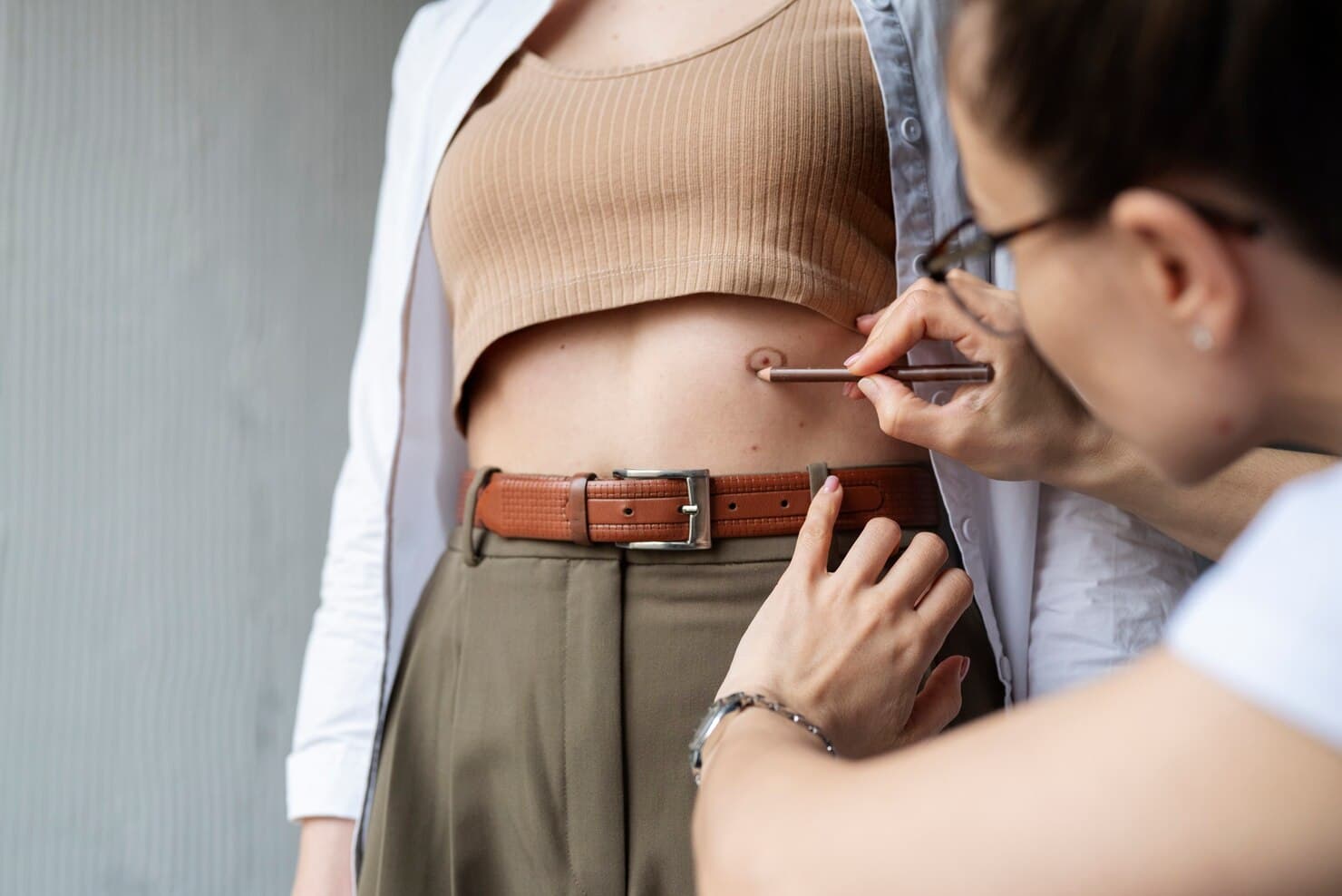
Surgical Access: Depending on the case, the surgeon uses either a traditional open incision or several "keyhole" laparoscopic ports.
Resection: The diseased segment of the bowel is carefully detached from its blood supply and the surrounding supportive tissue (mesentery).
Lymph Node Mapping: In cancer cases, the surrounding lymph nodes are removed along with the colon segment for pathological testing.
Anastomosis (Reconnection): The healthy ends of the remaining intestine are sewn or stapled back together to allow for normal waste passage.
Stoma Creation (Optional): If a safe reconnection is not possible, the end of the intestine is brought through the abdominal wall (a colostomy or ileostomy).
Robotic Dexterity: Surgeons often utilize robotic platforms to perform delicate suturing in the deep pelvic cavity with 3D high-definition visualization.
Innovations in Bowel Surgery
Robotic-Assisted ResectionAdvanced platforms that provide 3D visualization and wristed instruments, allowing for more precise nerve preservation and faster suturing.
Fluorescence-Guided AngiographyThe use of an injectable dye that glows under infrared light, allowing the surgeon to ensure the new connection has a perfect blood supply.
ERAS (Enhanced Recovery After Surgery)A standardized pathway involving pre-operative "carb loading," non-opioid pain management, and early mobilization to speed up bowel recovery.
Stapling Technology with AISmart surgical staplers that measure tissue thickness and adjust the firing pressure to create more consistent, leak-resistant connections.
Intraoperative Pathological Margin AssessmentRapid testing techniques that ensure all cancer cells have been removed before the surgeon closes the incision.
Bio-Luminescent Nerve MarkingExperimental technology that makes autonomic nerves visible, helping the surgeon avoid damage that could impact bladder or sexual function.
Pre-Procedure Preparation
Bowel Prep: A strict regimen of clear liquids and laxatives to empty the colon, reducing the risk of infection.
Nutritional Optimization: Ensuring the patient has adequate protein and vitamin levels to support the complex healing of the intestinal wall.
Cardiac and Pulmonary Clearance: A thorough review to ensure the patient can safely undergo a lengthy surgical procedure.
Ostomy Education: Meeting with a Wound, Ostomy, and Continence (WOC) nurse to discuss the potential for a temporary or permanent stoma.
Medication Adjustment: Pausing certain blood thinners or immunosuppressants that could interfere with the healing of the reconnection site.
Diagnostic and Safety Monitoring
Anastomotic Leak Detection: Monitoring for signs of fever, abdominal rigidity, or elevated white blood cell counts following the reconnection.
Bowel Function Tracking: Watching for the return of "flatus" (gas) or bowel movements, which indicate the digestive system has restarted.
C-Reactive Protein (CRP) Trends: Tracking inflammatory markers to identify potential internal complications before they become symptomatic.
Electrolyte Surveillance: Monitoring sodium and potassium levels, which can fluctuate rapidly after bowel surgery.
Why This Treatment Is Highly Effective
Cancer Cure Potential: In many cases, a colectomy is the only way to achieve a complete cure for localized colon cancer.
Resolution of Chronic Pain: Removes the source of recurring, debilitating pain for patients with severe divertiverticulitis or IBD.
Emergency Stabilization: Provides a life-saving solution for bowel perforations or complete obstructions.
Improved Quality of Life: For many with Ulcerative Colitis, removing the diseased colon eliminates the daily burden of urgency and bleeding.
Precision and Safety: Modern minimally invasive techniques have significantly reduced the risk of large-scale infections and long-term scar tissue.
Recovery and Aftercare
The hospital stay typically ranges from 3 to 7 days, depending on whether the surgery was laparoscopic or open.
Early walking (within 24 hours) is essential to prevent blood clots and encourage the "waking up" of the digestive tract.
Patients transition from clear liquids to a "low-residue" (low-fiber) diet for several weeks to allow the internal staples to heal.
Heavy lifting and strenuous abdominal exercises are restricted for 6 to 8 weeks to prevent the formation of an incisional hernia.
If a stoma was created, specialized nursing care is provided to teach the patient how to manage their external pouching system.
Life After a Colectomy
Most patients return to a varied, healthy diet once the initial healing phase (about 6–8 weeks) is complete.
For many, the surgery results in a significant reduction in medication dependence and a return to active professional and social life.
Regular follow-up colonoscopies and imaging are scheduled to ensure continued health and monitor for any recurrence.
The body's digestive patterns may change, but most individuals adapt successfully to their "new normal" over time.
Empowerment through the resolution of a chronic or life-threatening gastrointestinal condition.
Colectomy (Bowel Resection Surgery Cost in India
The cost of Colectomy (Bowel Resection Surgery in India is generally affordable compared with many other countries, making India a popular destination for international patients seeking quality medical care. The treatment cost depends on factors such as the hospital, doctor's experience, treatment approach, medical condition, hospital stay, diagnostic tests, medicines, and any additional procedures required. For international patients, the starting cost of Colectomy (Bowel Resection Surgery in India is approximately 1500 USD, although the final price may vary based on individual treatment requirements. Patients are advised to obtain a personalized treatment estimate after medical evaluation.