Corneal Transplant (Keratoplasty)
Corneal Transplant Surgery (Keratoplasty)
Corneal transplant surgery, or keratoplasty, is a specialized procedure to replace damaged or diseased corneal tissue with healthy tissue from a human donor. Modern surgical techniques allow for "component surgery," where surgeons replace only the specific damaged layers of the eye, significantly improving success rates and recovery times.
When You Should Consider Corneal Transplant Surgery
Keratoconus: When progressive thinning causes the cornea to bulge into a cone shape and specialty lenses no longer restore vision.
Fuchs’ Dystrophy: If you experience persistent swelling or cloudiness due to the deterioration of the innermost cell layers.
Corneal Scarring: To restore vision lost to physical trauma, chemical burns, or severe infections like herpes keratitis.
Graft Failure: When a previous donor transplant has been rejected by the body or has stopped functioning.
Advanced Thinning: When medical treatments like cross-linking can no longer provide structural integrity or relieve chronic eye pain.
How Is Performed
Anesthesia: Typically performed as an outpatient procedure under either local or general anesthesia, depending on the complexity.
Tissue Removal: The surgeon uses high-precision tools to carefully remove the diseased or damaged layers of the patient's cornea.
Methods of Transplant:
Penetrating Keratoplasty (PKP): A full-thickness transplant where the entire central cornea is replaced and secured with microscopic sutures.
Deep Anterior Lamellar Keratoplasty (DALK): Replaces the front and middle layers while preserving the patient's own healthy inner lining.
Endothelial Keratoplasty (DMEK/DSAEK): Minimally invasive procedures to replace only the innermost layer (endothelium).Securing the Graft: In full-thickness surgeries, fine sutures are used. In endothelial transplants, a specialized Air Bubble Tamponade is used to hold the new tissue in place against the eye.
Duration: The surgical procedure typically lasts between 1 to 2 hours.
Pre-Procedure Preparation
Comprehensive Eye Examination: To determine exactly which layers of the cornea need replacement (full-thickness vs. lamellar).
Graft Matching: Sourcing high-quality donor tissue from an eye bank and reviewing success rates, which often exceed 90%.
Recovery Planning: Preparing for post-operative requirements, such as strict face-up positioning for several days.
Medication Review: Discussing the necessity of long-term or life-long steroid eye drops to inhibit immune rejection.
Anesthesia Assessment: Evaluating overall health to determine the safest sedation method for the patient.
Tests Before Corneal Transplant Surgery
Pachymetry: To measure corneal thickness and identify specific areas of extreme thinning or fluid buildup (edema).
Specular Microscopy: A detailed evaluation of the health and density of the endothelial cell layer.
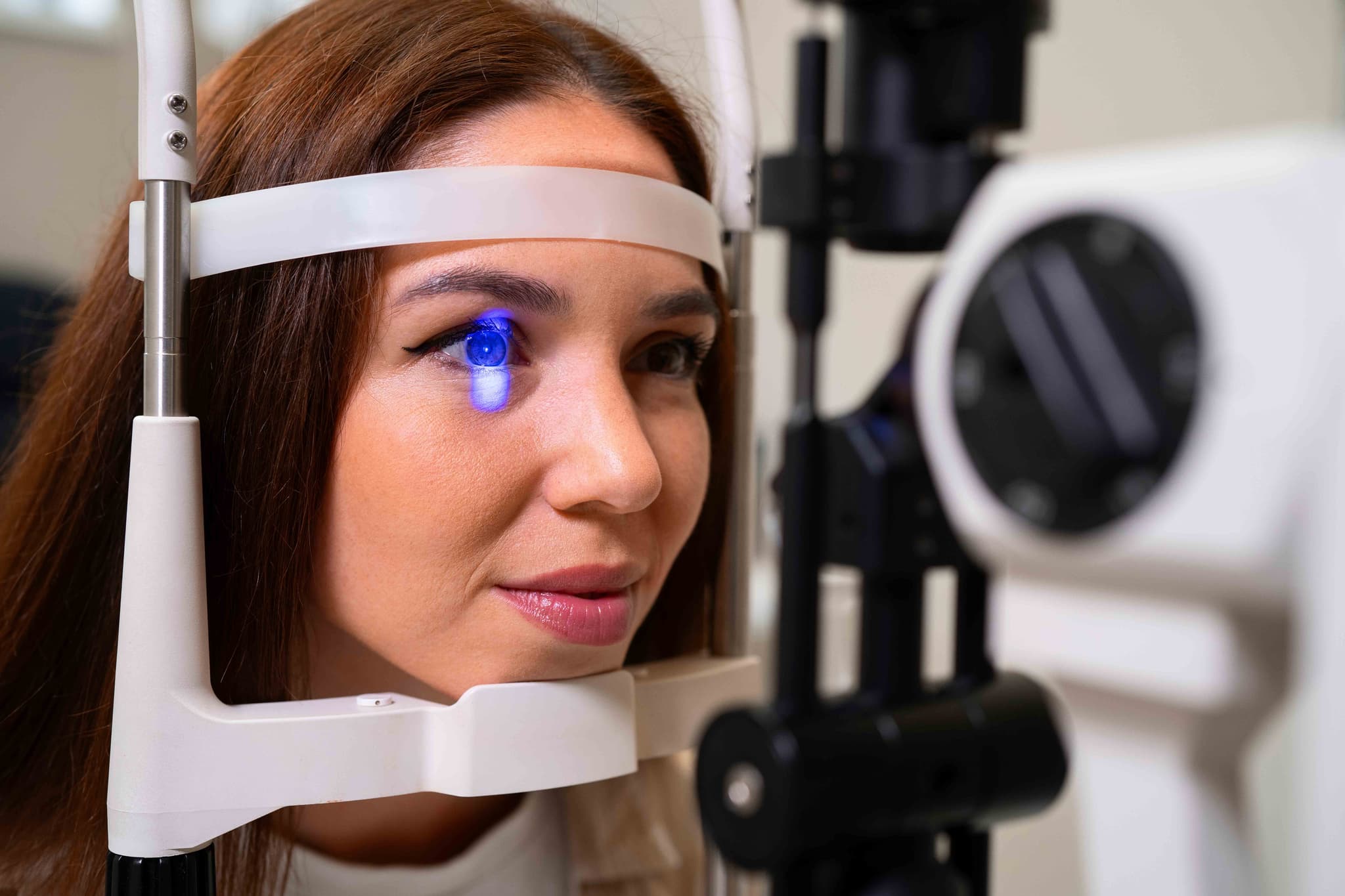
Corneal Topography: Creating a 3D map of the curvature and surface irregularities of the diseased cornea.
Visual Acuity Test: Establishing a clear baseline of current vision impairment to measure post-surgical improvement.
Life After Corneal Transplant Surgery
Positioning Requirements: For DMEK or DSAEK, patients must maintain a face-up position for several days to allow the air bubble to support the graft.
Steroid Regimen: A committed long-term schedule of steroid eye drops is required to prevent the immune system from attacking the new tissue.
Rejection Monitoring: Patients must immediately report "RSVP" symptoms: Redness, Sensitivity to light, Vision blurriness, or Pain.
Recovery Timeline: Healing varies by procedure—weeks for endothelial transplants (DMEK) and 6 to 12 months for full-thickness (PKP) procedures.
Follow-up Care: Regular appointments are necessary to manage the sutures and monitor for potential risks like glaucoma or astigmatism.
Why Specialized Treatment Is Highly Effective
Restores Transparency: Effectively clears vision by replacing opaque or scarred tissue with crystal-clear donor tissue.
Reduced Rejection Risk: Modern "component" surgery (DALK/DMEK) leaves more of the patient's own tissue intact, lowering the chance of an immune response.
Last-Resort Solutions: For patients who cannot receive human donor tissue, an Artificial Cornea (Keratoprosthesis) offers a high-tech synthetic alternative.
Eliminates Chronic Pain: Resolves the significant discomfort associated with corneal surface diseases and recurring erosions.
Proven Success: Keratoplasty remains the most common and successful type of human organ transplant worldwide.
Corneal Transplant (Keratoplasty) Cost in India
The cost of Corneal Transplant (Keratoplasty) in India is generally affordable compared with many other countries, making India a popular destination for international patients seeking quality medical care. The treatment cost depends on factors such as the hospital, doctor's experience, treatment approach, medical condition, hospital stay, diagnostic tests, medicines, and any additional procedures required. For international patients, the starting cost of Corneal Transplant (Keratoplasty) in India is approximately 1000 USD, although the final price may vary based on individual treatment requirements. Patients are advised to obtain a personalized treatment estimate after medical evaluation.