Cryoablation
Cryoablation
Cryoablation is a minimally invasive treatment that uses extreme cold to destroy diseased or abnormal tissue. Unlike heat-based therapies like Radiofrequency Ablation (RFA), it works by rapidly freezing cells into "ice balls," causing them to burst and die upon thawing. This technique is highly valued for its precision, as the formation of the ice ball is clearly visible on real-time imaging (Ultrasound, CT, or MRI).
When You Should Consider Cryoablation
Atrial Fibrillation (AFib): Particularly paroxysmal AFib where "cryoballoon" therapy can block faulty electrical signals from the pulmonary veins.
Small Tumors (under 4 cm): Especially in the kidneys, liver, lungs, and prostate, for patients who are not ideal candidates for open surgery.
Chronic Pain Management: To freeze specific nerves (e.g., intercostal nerves) and block pain signals for several months.
Preservation of Tissue: When a tumor is located near vital blood vessels or structures that might be damaged by heat.
Common Methods of Cryoablation
Cryoballoon Ablation: A specialized balloon is guided to the heart and inflated at the opening of the pulmonary veins to create a circumferential freeze.
Percutaneous Cryoprobe: Needle-like probes are inserted through the skin directly into a tumor under CT or Ultrasound guidance.
Freeze-Thaw Cycles: The core mechanism where rapid freezing creates lethal ice crystals inside cells, and thawing causes the cell membranes to rupture.
Cryomapping (Cardiac): A safety feature where doctors briefly "cool" a spot to see if it fixes the rhythm before committing to a permanent freeze.
How Cryoablation Is Performed
Access: For cardiac cases, a catheter is threaded through the groin; for tumors, a needle-like probe is inserted through the skin.
Imaging Guidance: Real-time scans (CT/MRI) are used to monitor the growth of the "ice ball" to ensure it covers the target without harming healthy tissue.
Freezing Agent: Argon gas or liquid nitrogen is circulated through the probe, reaching temperatures as low as -40°C to -196°C.
Tissue Destruction: Multiple freeze-thaw cycles are performed to ensure complete cellular death within the target zone.
Completion: The probe or balloon is removed, and the small puncture site is closed with a simple bandage or a single stitch.
Pre-Procedure Preparation
Fasting for 6–8 hours is typically required for both cardiac and tumor-related cryoablation.
Blood tests to check kidney function and blood clotting levels (especially for liver/kidney tumors).
Adjusting current medications, such as blood thinners or heart-rate controllers, as directed by your physician.
Discussing any allergies to contrast dyes or local anesthetics.
Most procedures are performed under sedation or general anesthesia, depending on the complexity.
Success Rates and 2026 Cost Outlook
ApplicationSuccess Rate (Curative Intent)Estimated Cost in India (2026)Atrial Fibrillation80% - 85% (Paroxysmal)₹3,50,000 - ₹5,50,000Kidney Tumors90% - 95% (Small masses)₹2,50,000 - ₹4,00,000Liver Tumors85% - 90% (Early stage)₹3,00,000 - ₹4,50,000
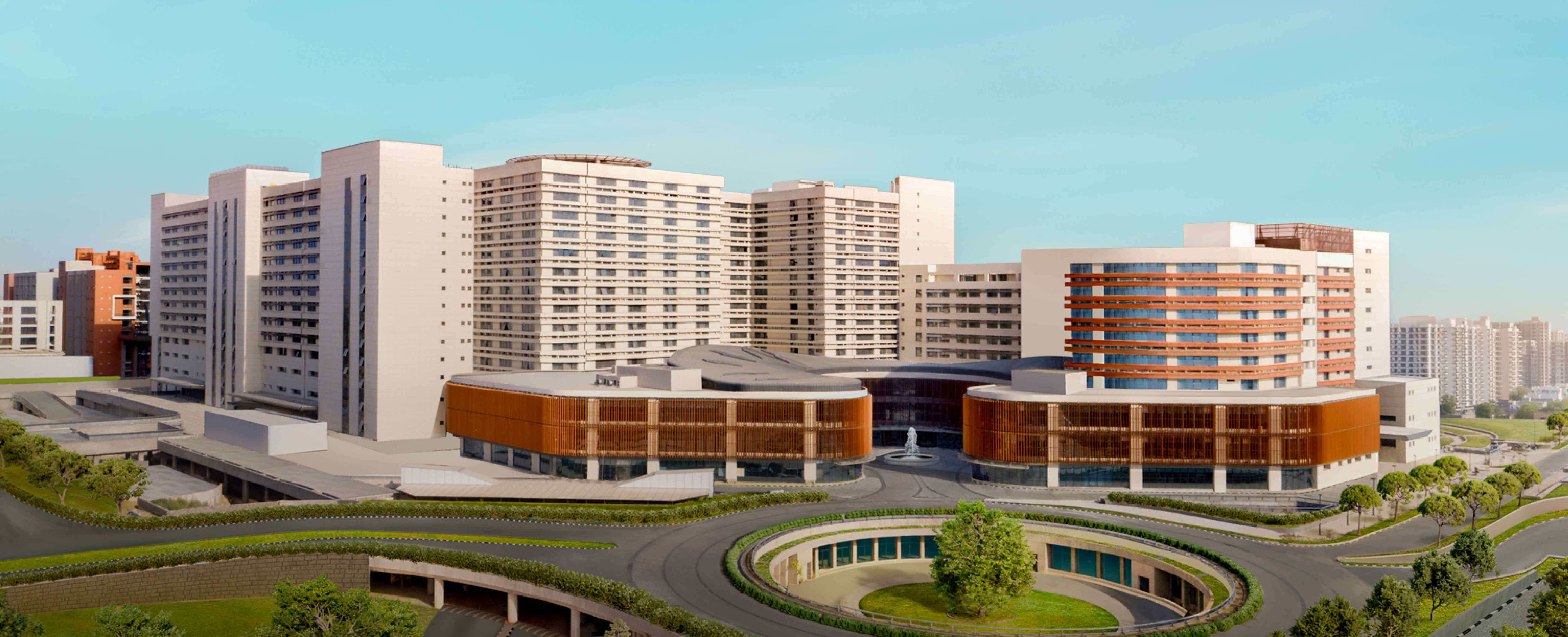
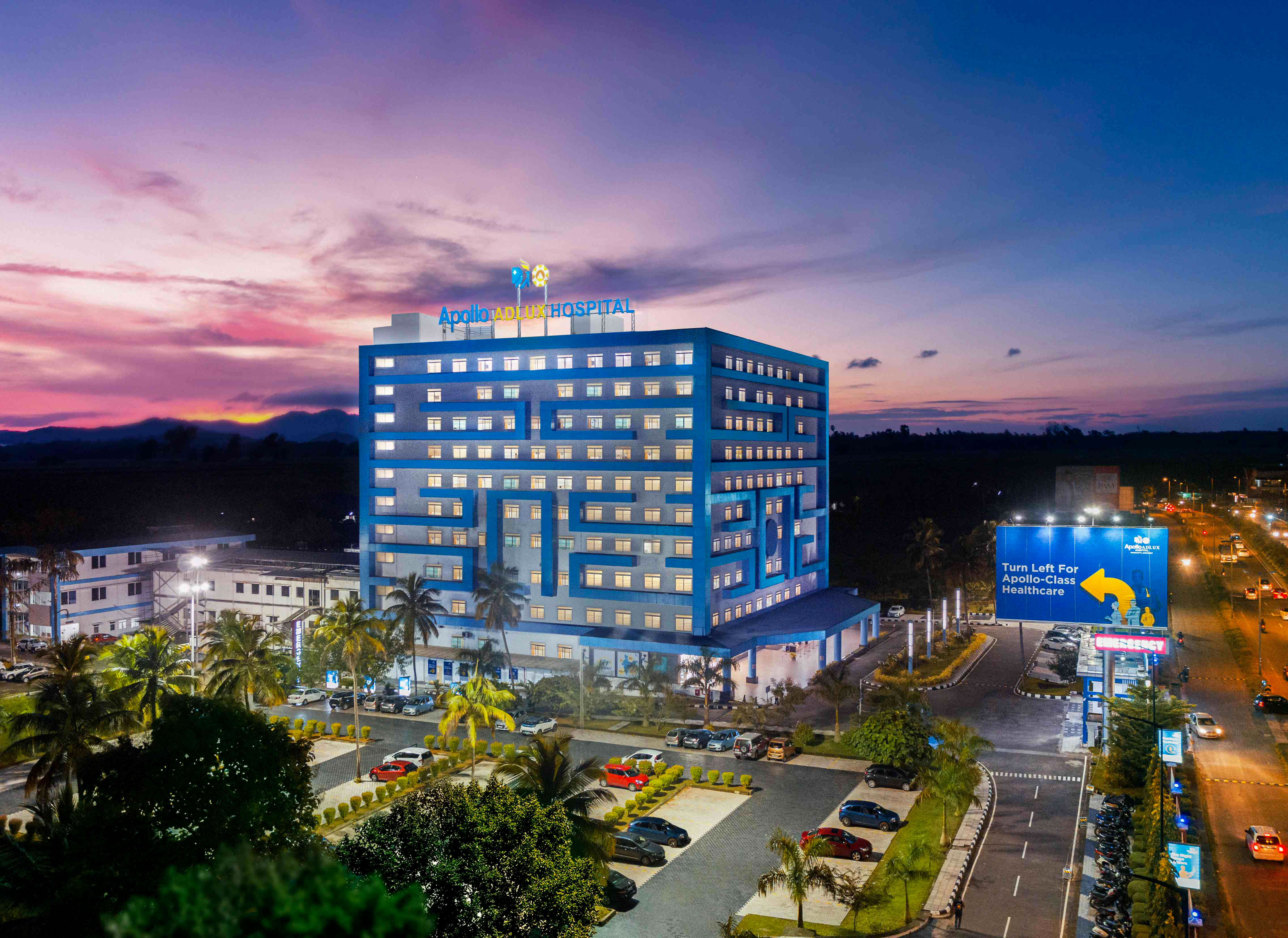
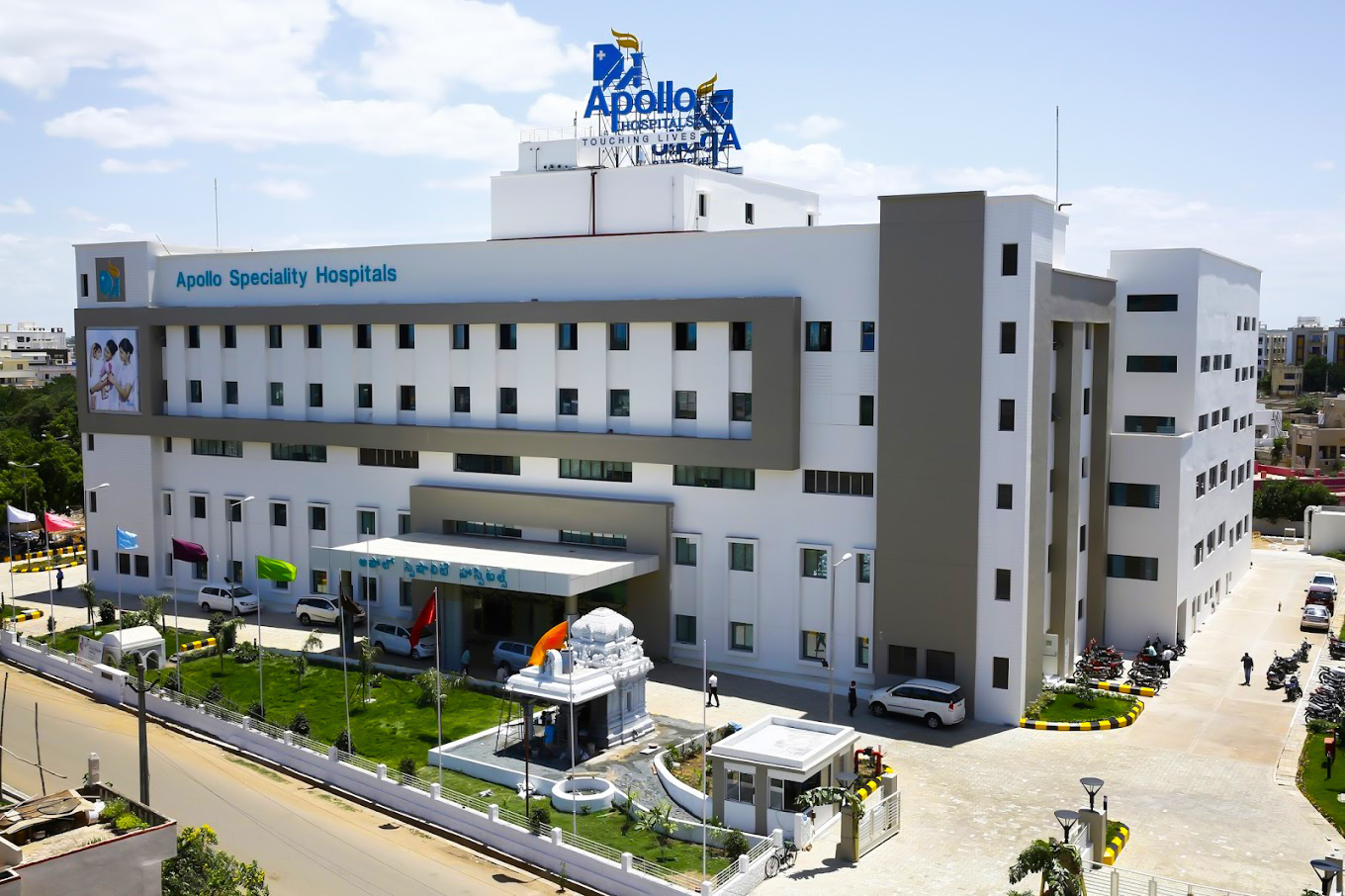
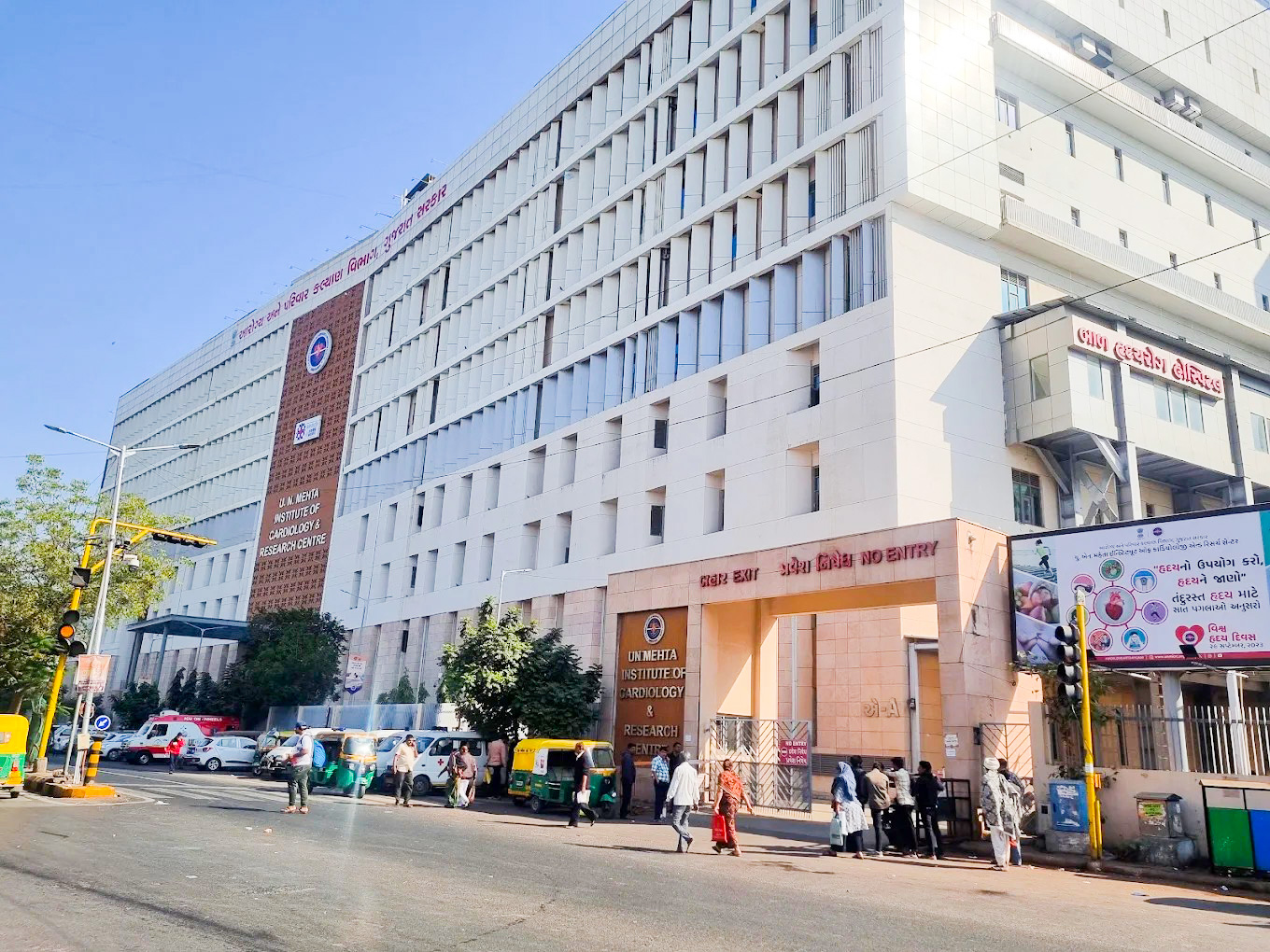
Note: Costs vary by hospital (e.g., Medanta, Apollo, Nanavati-Max) and specific device requirements.
Life After Cryoablation
Fast Recovery: Most patients go home the same day or after one night's stay.
Minimal Pain: The cold has a natural numbing effect; any soreness is usually managed with simple pain relievers for 48 hours.
Quick Return: You can typically resume normal light activities within 24 to 48 hours, though strenuous exercise should be avoided for 1–2 weeks.
Follow-up Scans: For tumor treatments, a follow-up CT or MRI is usually scheduled at 1, 3, and 6 months to ensure the area is clear.
Benefits of Cryoablation
Superior Visibility: The "ice ball" is easier to see on imaging than the "heat zone" of RFA, leading to higher precision.
Better Safety: Less likely to cause inflammation or damage the "scaffold" of healthy tissue (like collagen) compared to heat.
Repeatable: If a tumor or arrhythmia returns, cryoablation can often be safely performed again in the same area.
Shorter Procedure Times: Particularly for AFib, cryoballoon therapy is often faster than point-by-point heat ablation.
Cryoablation Cost in India
The cost of Cryoablation in India is generally affordable compared with many other countries, making India a popular destination for international patients seeking quality medical care. The treatment cost depends on factors such as the hospital, doctor's experience, treatment approach, medical condition, hospital stay, diagnostic tests, medicines, and any additional procedures required. For international patients, the starting cost of Cryoablation in India is approximately 2000 USD, although the final price may vary based on individual treatment requirements. Patients are advised to obtain a personalized treatment estimate after medical evaluation.