Debridement Surgery
Debridement and Burn Care
Debridement is a critical clinical and surgical intervention used to treat chronic wounds, severe infections, and deep burns. The procedure involves the precise removal of necrotic (dead), damaged, or infected tissue to expose the underlying healthy tissue. By clearing away this cellular debris, debridement eliminates a primary source of infection and "restarts" the body’s natural healing cascade. In the context of burn care, early and effective debridement is the most important factor in reducing scarring and improving long-term functional outcomes.
When You Should Consider Debridement
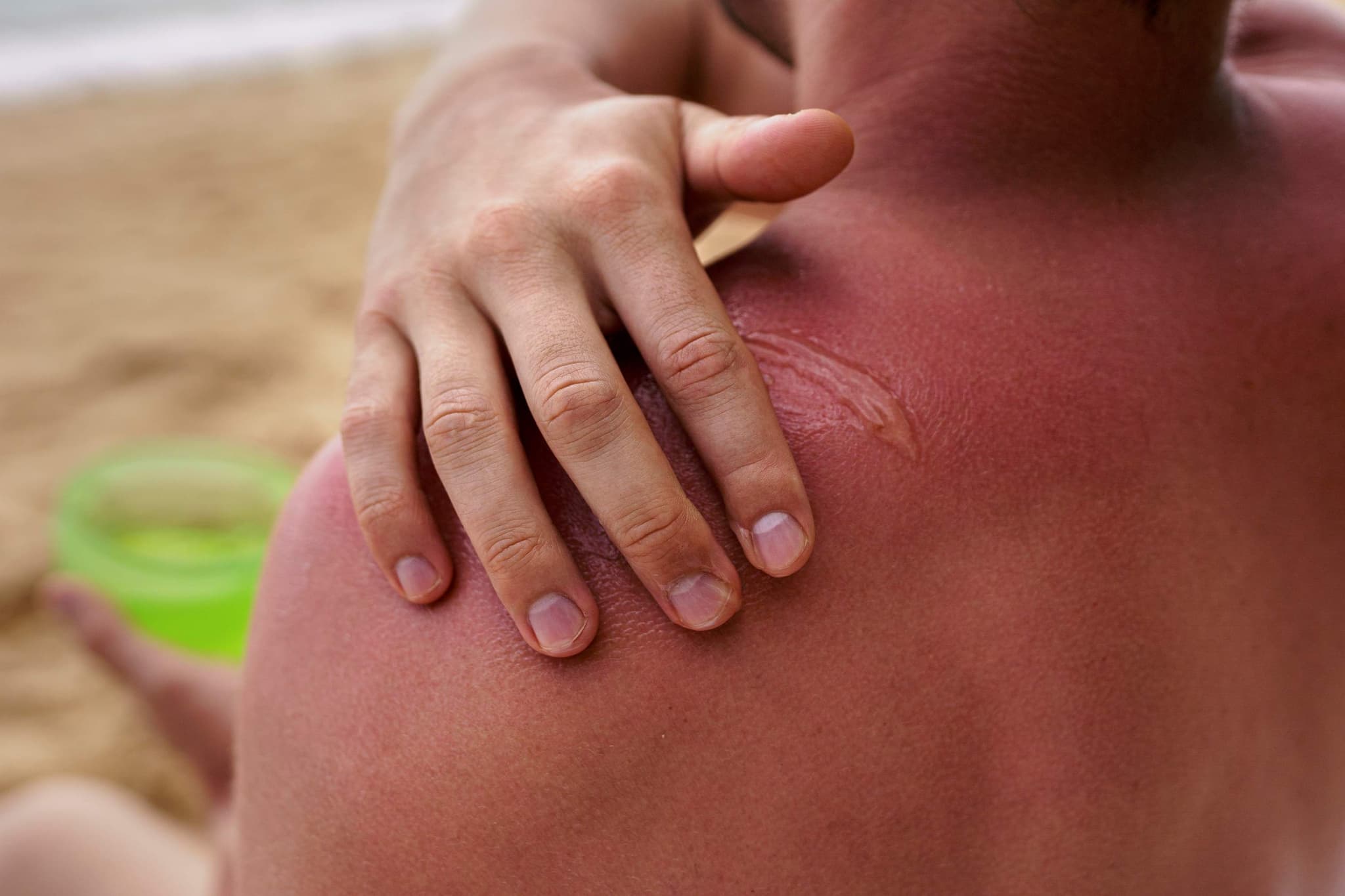
Severe Burn Injury: To remove charred or "eschar" tissue that prevents healing and harbors bacteria.
Diabetic Foot Ulcers: When chronic wounds fail to progress due to a buildup of non-viable tissue or biofilm.
Necrotizing Fasciitis: An emergency scenario where "flesh-eating" bacteria require rapid surgical removal to save life and limb.
Pressure Sores: Deep bedsores that have developed thick, leathery tissue (slough) that blocks new skin growth.
Contaminated Traumatic Wounds: Road rash or deep lacerations containing dirt, debris, or foreign objects.
Venous Stasis Ulcers: Chronic leg wounds that require "freshening" of the wound edges to stimulate closure.
Core Methods of Debridement
Surgical (Sharp) Debridement: The most rapid method, where a surgeon uses a scalpel or scissors to cut away dead tissue until a healthy, bleeding wound bed is reached.
Hydrosurgical Debridement: Utilizing high-pressure, razor-thin saline jets to selectively wash away necrotic tissue while preserving the delicate healthy dermis beneath.
Enzymatic Debridement: The application of specialized topical agents that chemically dissolve dead tissue without harming the living skin.
Biological Debridement: A highly selective method using sterile, medical-grade larvae (maggots) that ingest only necrotic tissue and release natural antibiotics.
Autolytic Debridement: A conservative approach using moisture-retentive dressings to trap the body's own natural enzymes, allowing the wound to "self-clean" over time.
[Image showing the visual difference between a necrotic wound bed and a healthy, granulated wound bed following debridement]
Burn-Specific Interventions
Early Excision: For deep burns, removing the damaged tissue within the first 24 to 72 hours is the standard for reducing the risk of sepsis.
Escharotomy: An emergency procedure for circumferential burns where stiff, dead skin acts like a tourniquet; incisions are made to release pressure and restore blood flow.
Skin Grafting (Autograft): Following debridement, a thin layer of the patient's own healthy skin is transplanted to cover the clean wound bed.
Skin Substitutes: The use of lab-grown or bio-engineered "scaffolds" that provide a temporary barrier and encourage the body to regenerate its own skin.
Fasciotomy: In cases of extreme swelling (compartment syndrome) following a burn or trauma, deep incisions are made into the muscle fascia to prevent tissue death.
Innovations in Wound and Burn Care
Bromelain-Based Enzymatic AgentsPlant-derived enzymes that can "melt" away burn eschar in as little as four hours, often eliminating the need for traditional surgery in partial-thickness burns.
Handheld Ultrasound DebridementDevices that use low-frequency ultrasonic mists to vibrate and dislodge bacteria and dead cells without the pain or trauma of a scalpel.
3D-Printed Bio-MasksCustom-designed masks for facial burn victims that provide perfectly distributed pressure and healing agents to minimize contour scarring.
Cold Plasma TherapyA cutting-edge non-thermal gas used to instantly sterilize a wound bed and stimulate the microcirculation needed for tissue regrowth.
AI Wound DiagnosticsSmartphone-based apps that use hyperspectral imaging to analyze a wound and tell the clinician exactly which areas require debridement.
Smart Dressings with BiosensorsBandages that change color or send an alert to a doctor's tablet if they detect a change in pH or temperature indicating an early infection.
Pre-Procedure Preparation
Pain Management Planning: Ensuring adequate local anesthesia, regional nerve blocks, or general sedation depending on the wound's size.
Vascular Assessment: Using Doppler ultrasound to ensure there is enough blood flow to the area to support healing after the dead tissue is removed.
Nutritional Loading: Increasing protein and Vitamin C intake, as the body requires massive amounts of energy to "rebuild" skin after debridement.
Wound Photography: Taking high-resolution baseline images to track the surface area and depth of the wound throughout the treatment cycle.
Infection Screening: Taking a wound culture to identify specific bacteria and ensure the patient is on the most effective antibiotic.
Diagnostic and Safety Monitoring
Quantitative Tissue Cultures: Measuring the concentration of bacteria within the wound bed to ensure it is "clean" enough for a skin graft.
Granulation Tracking: Monitoring the appearance of "beefy red" tissue, which is a sign of healthy blood vessel formation and successful healing.
Perfusion Monitoring: Using near-infrared spectroscopy to check oxygen levels in the tissue surrounding the debridement site.
Electrolyte Management: Crucial for burn patients, as large debrided areas can lead to significant fluid and salt loss.
Why This Treatment Is Highly Effective
Eliminates Biofilms: Breaks down the "shield" that bacteria create, allowing antibiotics and the immune system to finally reach the infection.
Reduces Systemic Risk: Removing infected tissue prevents "sepsis," a life-threatening condition where the infection enters the bloodstream.
Shortens Healing Time: By removing the "dead weight" of necrotic tissue, the body can focus all its resources on closing the wound.
Improves Functional Range: Especially in burns, proper debridement prevents the formation of thick, restrictive scars (contractures) that limit movement.
Optimizes Graft Success: A skin graft will only "take" on a clean, debrided bed; without this step, reconstructive surgery would fail.
Recovery and Aftercare
Recovery is a journey; while the procedure may take minutes, the healing of a debrided wound typically spans 6 to 12 weeks.
Regular dressing changes using specialized foams or silver-impregnated bandages are required to keep the environment sterile.
High-protein medical nutrition is often prescribed to provide the building blocks (collagen) needed for new skin.
Compression therapy or physical therapy may be started early to ensure that the new skin remains flexible and doesn't "shrink" during healing.
Patients are monitored for any signs of "re-sloughing," which might require a minor follow-up debridement in the clinic.
Life After Debridement
Successful closure of chronic wounds that may have been present for months or years.
Significantly improved physical appearance and reduced scarring, particularly with modern enzymatic and hydrosurgical methods.
Restored mobility and the ability to return to work or exercise without the burden of a painful, non-healing wound.
Reduction in long-term medical costs by avoiding the complications of infection and amputation.
The psychological relief of seeing a "stagnant" wound finally move toward a healthy, healed state.
Debridement Surgery Cost in India
The cost of Debridement Surgery in India is generally affordable compared with many other countries, making India a popular destination for international patients seeking quality medical care. The treatment cost depends on factors such as the hospital, doctor's experience, treatment approach, medical condition, hospital stay, diagnostic tests, medicines, and any additional procedures required. For international patients, the starting cost of Debridement Surgery in India is approximately 300 USD, although the final price may vary based on individual treatment requirements. Patients are advised to obtain a personalized treatment estimate after medical evaluation.