Drug-Eluting Stent (DES) Placement
Drug-Eluting Stent (DES) Placement
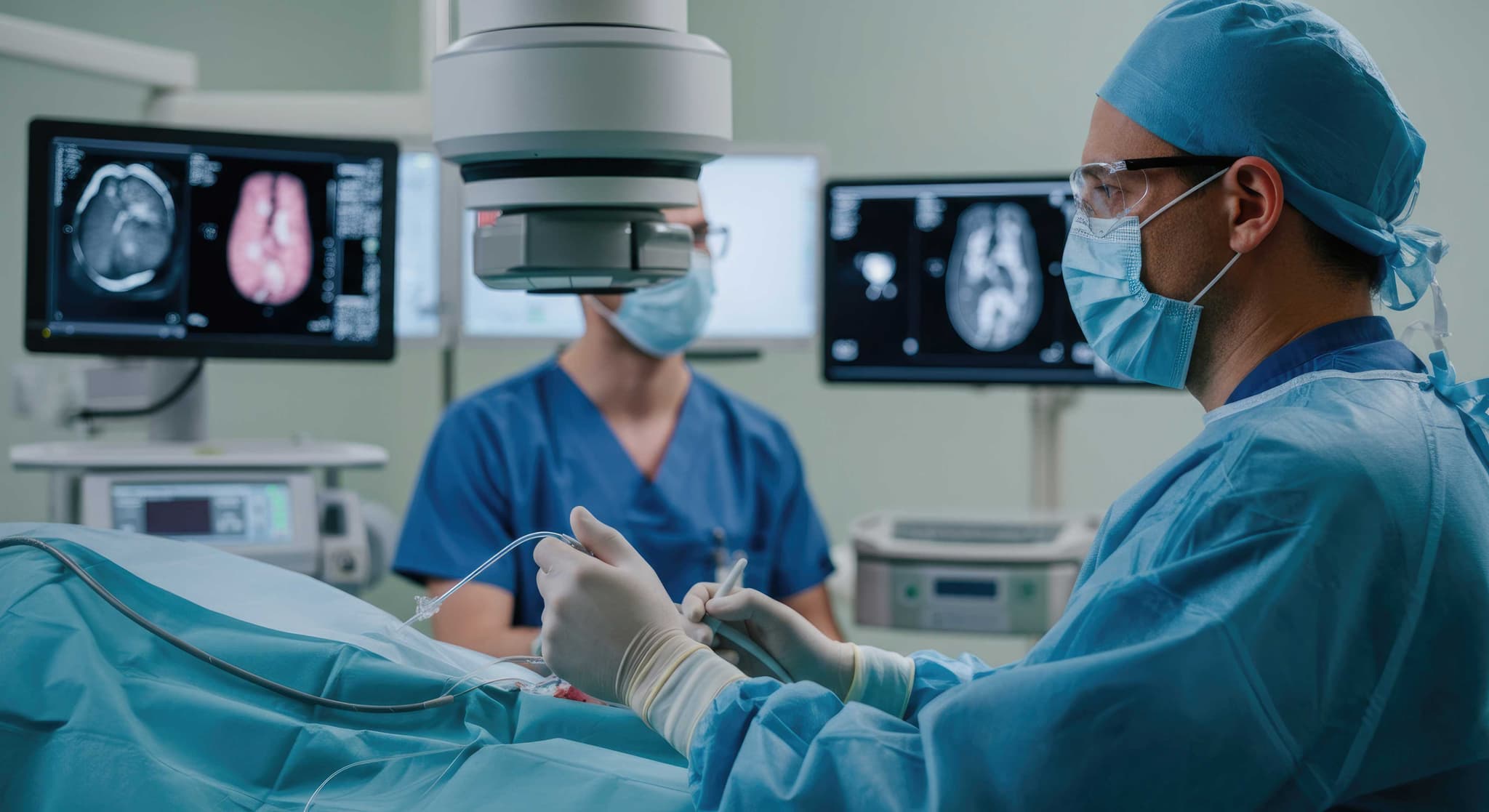
A Drug-Eluting Stent (DES) is a small, metal mesh tube coated with specialized medication that is permanently placed in a narrowed heart artery. It is the most common type of stent used to treat Coronary Artery Disease (CAD). These devices are designed to provide both mechanical support and controlled drug release to ensure long-term arterial health.
When You Should Consider DES Placement
Chronic Chest Pain (Angina): Pain or pressure that limits physical activity.
Significant Blockages: Evidence of arterial narrowing found during an echocardiogram or stress test.
Heart Failure Risk: High risk of heart failure due to restricted blood flow to the heart muscle.
Emergency Treatment: Used during a heart attack to rapidly restore circulation.
Functional Improvement: Prevention of breathing difficulties caused by poor heart pump function.
Key Components of a DES
The Scaffold: A metal mesh structure, typically made of cobalt-chromium or platinum-chromium alloys, providing mechanical support to prevent the artery from recoiling.
The Polymer Coating: A thin layer that holds the medication and controls its release into the artery wall over several weeks or months.
The Therapeutic Agent: Specialized drugs (typically from the "limus" family) that inhibit the growth of scar tissue within the artery.
How Is Performed
Catheter Access: A thin tube is guided through the radial artery (wrist) or femoral artery (groin) to the heart.
Navigation: Real-time X-ray imaging and contrast dye ensure the catheter is perfectly positioned at the blockage.
Expansion: A tiny balloon at the catheter's tip is inflated to widen the blockage and expand the collapsed stent against the artery wall.
Device Deployment: The balloon is deflated and removed, leaving the low-profile stent to support the vessel permanently.
Monitoring: Imaging confirms the stent is perfectly positioned before finishing the procedure.
Pre-Procedure Preparation
Fasting: Required for 8–12 hours before the catheterization.
Baseline Screening: Blood tests, ECG, and chest X-rays to assess overall health and kidney function.
Medication Adjustment: Adjusting current medications as directed by the cardiology team.
Allergy Check: Discussing any allergies, particularly to nickel (used in some stents) or contrast dye.
Recovery Planning: Arranging for a support person for the post-operative period.
Tests Before DES Procedure
Echocardiogram (TTE or TEE): To determine the location and severity of arterial issues.
Cardiac Catheterization: To measure heart pressures and map the coronary anatomy.
Cardiac MRI or CT Scan: For detailed 3D mapping of complex blockages.
ECG: To monitor the heart's electrical rhythm.
Pulse Oximetry: To evaluate oxygen saturation levels in the blood.
Life After DES Placement
Hospital Stay: Usually 1–2 days for observation.
Activity Restrictions: Avoid strenuous activity and heavy lifting for a few weeks post-procedure.
Mandatory Medication: Patients must take dual antiplatelet therapy (DAPT), such as aspirin and a second blood thinner, for 6 to 12 months to prevent clots.
Long-term Follow-up: Regular visits with a cardiologist to monitor the stent site.
Functional Recovery: Immediate improvement in breathing, energy levels, and physical stamina.
Benefits of Drug-Eluting Stents
Reduced Restenosis: Significantly lowers the risk of the artery re-narrowing compared to older bare-metal stents.
Organ Protection: Protects the heart and lungs from damage caused by poor circulation.
Fewer Procedures: Patients are less likely to need repeat angioplasties or bypass surgery.
High Success Rate: Modern DES provide a long-term solution with technical success rates often exceeding 95%.
Efficient Circulation: Restores normal blood flow and ensures the heart muscle receives adequate oxygen.
Drug-Eluting Stent (DES) Placement Cost in India
The cost of Drug-Eluting Stent (DES) Placement in India is generally affordable compared with many other countries, making India a popular destination for international patients seeking quality medical care. The treatment cost depends on factors such as the hospital, doctor's experience, treatment approach, medical condition, hospital stay, diagnostic tests, medicines, and any additional procedures required. For international patients, the starting cost of Drug-Eluting Stent (DES) Placement in India is approximately 1500 USD, although the final price may vary based on individual treatment requirements. Patients are advised to obtain a personalized treatment estimate after medical evaluation.