Endoscopic Retrograde Cholangiopancreatography (ERCP)
Endoscopic Retrograde Cholangiopancreatography (ERCP)
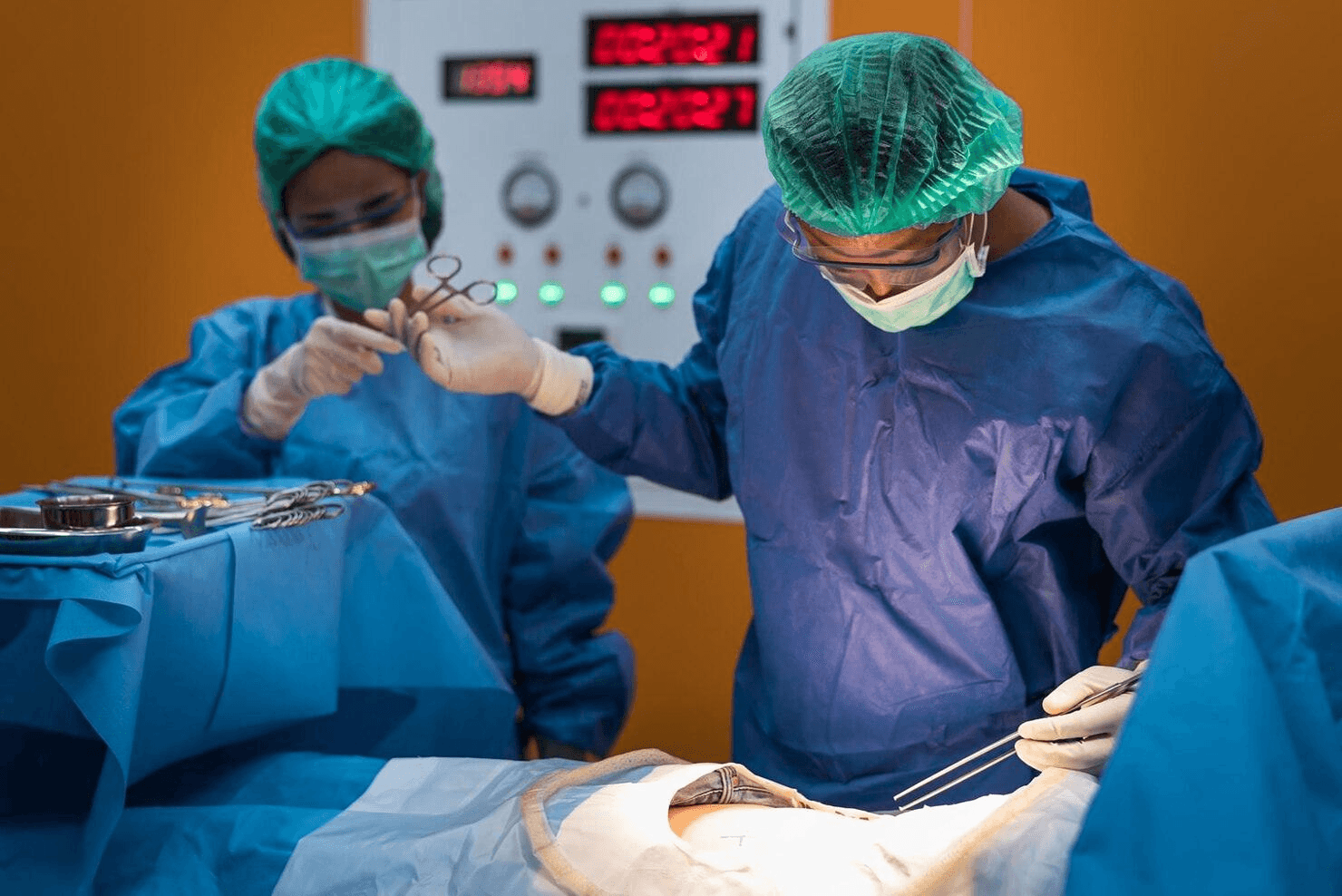
Endoscopic Retrograde Cholangiopancreatography (ERCP) is a highly specialized procedure used primarily to treat disorders of the bile ducts and pancreatic ducts. It uniquely combines advanced endoscopy with real-time X-ray imaging (fluoroscopy). By 2026, ERCP has evolved from a diagnostic tool into a powerful therapeutic intervention, allowing physicians to clear obstructions, place stents, and repair leaks within the delicate ductal system of the liver and pancreas without the need for invasive abdominal surgery.
Why ERCP is Performed
Common Bile Duct Stones: Removing gallstones that have migrated out of the gallbladder and are blocking the main drainage duct.
Malignant Obstructions: Relieving blockages caused by tumors in the pancreas, bile ducts, or liver.
Biliary Strictures: Opening narrowed areas of the ducts caused by scar tissue or chronic inflammation.
Post-Surgical Bile Leaks: Sealing leaks that can occasionally occur following gallbladder or liver surgery.
Chronic Pancreatitis: Treating complications such as pancreatic stones or narrowings that cause severe, recurring pain.
Sphincter of Oddi Dysfunction: Managing issues with the muscular valve that controls the flow of digestive juices.
Conditions That Require Specialized Care
Massive Stone Burden: Cases with very large or numerous stones that may require advanced "fragmentation" techniques.
Anatomical Variations: Patients who have had previous gastric bypass or stomach surgery, requiring a modified "enteroscopy" approach.
Primary Sclerosing Cholangitis (PSC): A chronic condition requiring careful, repeated dilations of the bile ducts.
High-Risk Pancreatitis Patients: Individuals with a history of post-procedure inflammation who require preventative "stenting" of the pancreatic duct.
Pediatric ERCP: Rare cases in children involving congenital ductal abnormalities that require specialized pediatric endoscopes.
[Image showing the endoscope positioned in the duodenum with the catheter entering the bile duct]
How an ERCP Is Performed
Deep Sedation or Anesthesia: To ensure absolute stillness and comfort, the procedure is performed under deep sedation or general anesthesia.
Side-Viewing Endoscopy: A specialized duodenoscope is passed through the mouth and stomach to reach the "papilla"—the small opening where the ducts meet the intestine.
Cannulation: A tiny catheter is threaded into the papilla to gain access to the biliary or pancreatic tree.
Retrograde Contrast: A radio-opaque dye is injected "backward" into the ducts, highlighting the internal anatomy on a live X-ray monitor.
Sphincterotomy: Using a small electrified wire, the surgeon may make a tiny cut in the muscle valve (sphincter) to widen the opening for stone removal.
Mechanical Intervention: Tools such as baskets, balloons, or stents are passed through the scope to clear blockages or provide structural support.
Innovations in Duct Therapy
Disposable DuodenoscopesThe widespread adoption of single-use scopes to eliminate the risk of bacterial transmission and ensure the highest mechanical reliability for every patient.
SpyGlass™ CholangioscopyA "micro-scope" that is passed through the main endoscope, allowing the doctor to see directly inside the bile duct in high-definition to biopsy tumors or break up stones with lasers.
AI-Assisted FluoroscopyArtificial intelligence that enhances X-ray images in real-time, helping the doctor identify "shadows" or subtle strictures with greater clarity.
Biodegradable Biliary StentsNext-generation stents that provide support to a narrowed duct for several months and then dissolve, avoiding the need for a second procedure to remove them.
Laser Lithotripsy (EHL)Using targeted laser energy to "shatter" stubborn gallstones into tiny fragments that can be easily swept out of the duct.
Automated Risk-Prediction ModelsSoftware that analyzes a patient's health data before the procedure to suggest the exact dose of preventative medication needed to stop post-op inflammation.
Pre-Procedure Preparation
Fasting (NPO): A strictly empty stomach is required, usually meaning no food or drink for 8 to 12 hours prior to the procedure.
Antibiotic Prophylaxis: Certain patients may be given a dose of antibiotics before the start of the procedure to prevent ductal infection.
Blood Work: Checking coagulation (clotting) factors to ensure it is safe to perform a sphincterotomy or biopsy.
Medication Coordination: Careful management of blood thinners and diabetic medications is essential for a safe recovery.
Post-Op Plan: Because of the intensive nature of ERCP, patients must have a designated driver and a quiet place to recover for the first 24 hours.
Diagnostic and Safety Monitoring
Pancreatitis Prevention: Use of rectal medications or temporary "protective" pancreatic stents to lower the risk of post-ERCP inflammation.
Amylase/Lipase Checks: Blood tests performed if a patient experiences unusual pain after the procedure to check for pancreatic irritation.
Continuous Vital Monitoring: Specialized anesthesia teams monitor heart rhythm and oxygen levels throughout the entire intervention.
Radiation Safety: Using "low-dose" pulsed fluoroscopy to minimize X-ray exposure for both the patient and the medical team.
Why This Treatment Is Highly Effective
Avoids Major Surgery: ERCP provides a "keyhole" alternative to traditional open-belly surgery for clearing bile duct obstructions.
Immediate Obstruction Relief: Patients with jaundice (yellowing of the skin) often see a rapid improvement in symptoms once the duct is cleared or stented.
High Precision: The combination of live video and live X-ray ensures that the doctor knows exactly where the instruments are at all times.
Life-Saving for Sepsis: In cases of "cholangitis" (infected bile), ERCP provides urgent drainage that is critical for survival.
Dual Functionality: It allows for the immediate transition from identifying a problem to fixing it within the same 30-to-60-minute session.
Recovery and Aftercare
Immediate Observation: Most patients stay in a recovery unit for 1 to 2 hours to ensure the sedation has worn off and no immediate pain is present.
Sore Throat and Bloating: These are the most common minor side effects and typically resolve within 24 to 48 hours.
Dietary Progression: Patients usually start with clear liquids and move to a low-fat diet as tolerated by their digestive system.
Activity Limits: No driving or making major decisions for 24 hours. Most patients return to full activity within 2 to 3 days.
Follow-up Imaging: A simple ultrasound or blood test is often scheduled a few weeks later to confirm the ducts remain clear.
Life After ERCP
Rapid resolution of painful symptoms like biliary colic (gallstone pain) or chronic abdominal pressure.
Successful management of complex conditions like cancer-related blockages, allowing for a better quality of life.
Permanent removal of dangerous "trapped" stones that could otherwise lead to severe liver damage.
A return to a normal, healthy diet once the flow of digestive enzymes and bile has been restored.
Empowerment through the successful treatment of a condition that previously would have required a long, difficult surgical recovery.
Endoscopic Retrograde Cholangiopancreatography (ERCP) Cost in India
The cost of Endoscopic Retrograde Cholangiopancreatography (ERCP) in India is generally affordable compared with many other countries, making India a popular destination for international patients seeking quality medical care. The treatment cost depends on factors such as the hospital, doctor's experience, treatment approach, medical condition, hospital stay, diagnostic tests, medicines, and any additional procedures required. For international patients, the starting cost of Endoscopic Retrograde Cholangiopancreatography (ERCP) in India is approximately 300 USD, although the final price may vary based on individual treatment requirements. Patients are advised to obtain a personalized treatment estimate after medical evaluation.