Epilepsy Surgery
Epilepsy Surgery
Epilepsy surgery in 2026 is a specialized neurosurgical field focused on achieving seizure freedom or significant reduction through the removal or modulation of specific neural networks. As a primary intervention for drug-resistant epilepsy, this surgery moves beyond traditional medication management to address the mechanical and electrical source of the condition. By integrating robotic-assisted mapping and minimally invasive thermal therapies, 2026 protocols offer personalized solutions that prioritize the preservation of cognitive function and long-term quality of life.
When You Should Consider Epilepsy Surgery
Failure of two or more appropriately chosen anti-seizure medications to provide complete seizure control.
Documented drug-resistant epilepsy that significantly interferes with employment, education, or social independence.
Presence of focal seizures that consistently originate from a single, identifiable region of the brain.
Experiencing severe "drop attacks" or tonic-clonic seizures that pose a high risk of physical injury.
Side effects from high-dose medications that impair memory, mood, or overall daily functioning.
Clear evidence of a structural lesion, such as a focal cortical dysplasia or hippocampal sclerosis, on high-resolution imaging.
Conditions That Require Specialized Care
Mesial Temporal Lobe Epilepsy (MTLE), often characterized by hippocampal scarring and high surgical success rates.
Lesional epilepsy caused by cortical malformations, cavernomas, or low-grade tumors.
Generalized or multifocal epilepsy where neuromodulation is the safest and most effective option.
Lennox-Gastaut Syndrome or other severe pediatric epilepsy syndromes requiring disconnection procedures.
Refractory focal epilepsy located in non-eloquent areas of the brain that are safe for resection.
How Epilepsy Surgery Is Performed
Pre-surgical Phase I evaluation including prolonged video-EEG monitoring to capture and map seizure activity.
Phase II intracranial monitoring using robotic-assisted SEEG electrodes to pinpoint the seizure focus with sub-millimeter accuracy.
Administration of general anesthesia or, in specific functional cases, an awake craniotomy to map language and motor centers.
Precise resection of the seizure-generating tissue or the thermal ablation of the focus using laser fibers.
For neuromodulation, the surgical implantation of leads into the brain or chest connected to an intelligent pulse generator.
Real-time intraoperative neuro-monitoring to ensure the total preservation of surrounding healthy brain tissue and critical pathways.
Types of Epilepsy Surgery Innovations
Laser Interstitial Thermal Therapy (LITT): Utilizing a thin laser fiber to destroy seizure-causing tissue via a tiny 2mm incision, eliminating the need for a traditional craniotomy.
Responsive Neurostimulation (RNS): Deploying a smart intracranial device that acts as a brain computer, detecting abnormal activity and delivering a corrective pulse before a seizure starts.
Robotic-Assisted Stereoelectroencephalography (SEEG): Using high-precision robotic arms to place deep brain electrodes for the most accurate 3D seizure mapping available in 2026.
7-Tesla High-Field MRI: Employing ultra-high-resolution imaging to identify subtle structural abnormalities that were invisible on standard 2026 scanners.
Focused Ultrasound: Using non-invasive sound waves to target and ablate deep brain seizure foci without any surgical incisions.
Magnetoencephalography (MEG): Measuring the magnetic fields produced by brain activity to provide a detailed functional map of seizure-prone networks.
Pre-Procedure Preparation
Extensive neuropsychological evaluation to establish a baseline for memory, language, and cognitive processing.
Functional MRI (fMRI) or WADA testing to determine which hemisphere of the brain dominates speech and motor control.
Nutritional and lifestyle optimization to stabilize systemic health and prepare the body for the recovery phase.
Collaborative consultation between the patient, neurosurgeon, and epileptologist to set realistic seizure-reduction goals.
Mapping of "eloquent" brain regions to ensure the surgical plan avoids areas critical for daily functioning.
Pre-Procedure Tests
Multi-day Video-EEG monitoring to confirm the clinical and electrical correlation of seizure events.
Positron Emission Tomography (PET) scans to identify areas of the brain with abnormal glucose metabolism related to epilepsy.
Single-Photon Emission Computed Tomography (SPECT) to visualize blood flow changes specifically during a seizure event.
Comprehensive 2026 genetic testing to identify underlying metabolic or genetic causes of drug resistance.
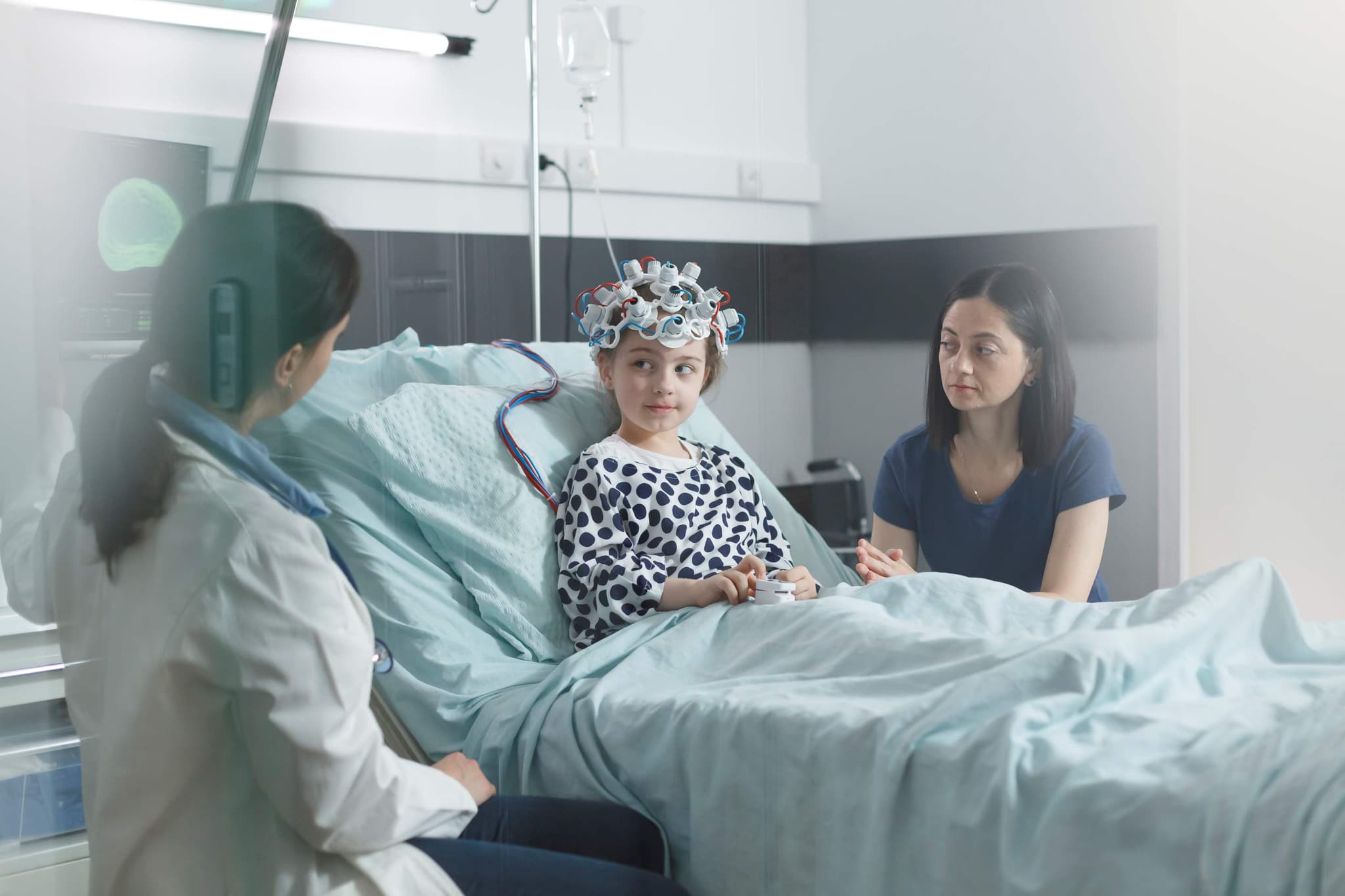
High-density EEG caps to provide a non-invasive, high-resolution topographical map of electrical spikes.
Why This Treatment Is Highly Effective
Success rates for becoming completely seizure-free reach up to 80% for temporal lobe resections in 2026.
Minimally invasive laser techniques reduce the hospital stay to a single day and minimize post-operative pain.
Neuromodulation devices like RNS and DBS offer a 75% or greater reduction in seizures for those not eligible for resection.
Targeted interventions significantly lower the risk of Sudden Unexpected Death in Epilepsy (SUDEP).
Early surgical intervention in 2026 is proven to prevent the cognitive decline associated with chronic, uncontrolled seizures.
Recovery After Treatment
Variable hospital stays ranging from 24 hours for laser procedures to 5 days for traditional resections.
Gradual resumption of physical activity, with most patients returning to light work or school within 2 to 4 weeks.
Continuous monitoring of mood and cognitive health through specialized 2026 post-surgical support programs.
Strict adherence to anti-seizure medication schedules during the initial 6 to 12 month brain-healing phase.
Regular follow-up with a dedicated epilepsy team to evaluate seizure control and adjust device settings if applicable.
Life After Epilepsy Surgery
Potential for achieving long-term seizure freedom, allowing for the restoration of driving privileges and occupational independence.
Gradual reduction or elimination of anti-seizure medications under strict medical supervision after a seizure-free period.
Dramatic improvement in overall mental health, including reductions in anxiety and depression related to seizure unpredictability.
Enhanced social participation and improved family dynamics due to the removal of the burden of daily seizures.
Lifetime surveillance through a Level 4 Epilepsy Center to ensure ongoing neurological health and wellness.
Epilepsy Surgery Cost in India
The cost of Epilepsy Surgery in India is generally affordable compared with many other countries, making India a popular destination for international patients seeking quality medical care. The treatment cost depends on factors such as the hospital, doctor's experience, treatment approach, medical condition, hospital stay, diagnostic tests, medicines, and any additional procedures required. For international patients, the starting cost of Epilepsy Surgery in India is approximately 3000 USD, although the final price may vary based on individual treatment requirements. Patients are advised to obtain a personalized treatment estimate after medical evaluation.