Frozen Embryo Transfer (FET)
Frozen Embryo Transfer (FET)
Frozen Embryo Transfer (FET) is a cornerstone of modern fertility treatment, consistently providing high success rates by utilizing cryopreserved embryos from previous cycles. This procedure allows for the transfer of a thawed embryo into a perfectly prepared uterine environment, bypassing the hormonal stress of immediate egg retrieval. Modern vitrification techniques and advanced endometrial monitoring ensure that embryos are preserved with nearly 100% viability, offering patients a safe and highly flexible path to pregnancy.
When You Should Consider FET
Presence of surplus high-quality embryos following a previous IVF or ICSI cycle.
Intention to undergo Preimplantation Genetic Testing (PGT-A) for chromosomal screening.
Risk of Ovarian Hyperstimulation Syndrome (OHSS) during a fresh stimulation cycle.
Desire to space out pregnancies and build a family over several years.
Recommended "freeze-all" strategy to allow the body to recover from hormonal medications.
Need for a donor embryo cycle to overcome age-related or genetic fertility challenges.
Conditions That Require Specialized Care
Recurrent Implantation Failure (RIF) where precise cycle timing is critical.
Thin endometrial lining requiring specialized medicated preparation protocols.
Hormone imbalances that make a fresh transfer medically inadvisable.
Polycystic Ovary Syndrome (PCOS), which increases the risk of complications during fresh cycles.
Advanced maternal age requiring the transfer of genetically screened euploid embryos.
How Frozen Embryo Transfer Is Performed
The uterine lining is prepared through either a natural monitored cycle or a medicated hormonal protocol.
Regular ultrasound scans and blood tests track endometrial thickness to ensure it reaches the ideal 7mm–12mm range.
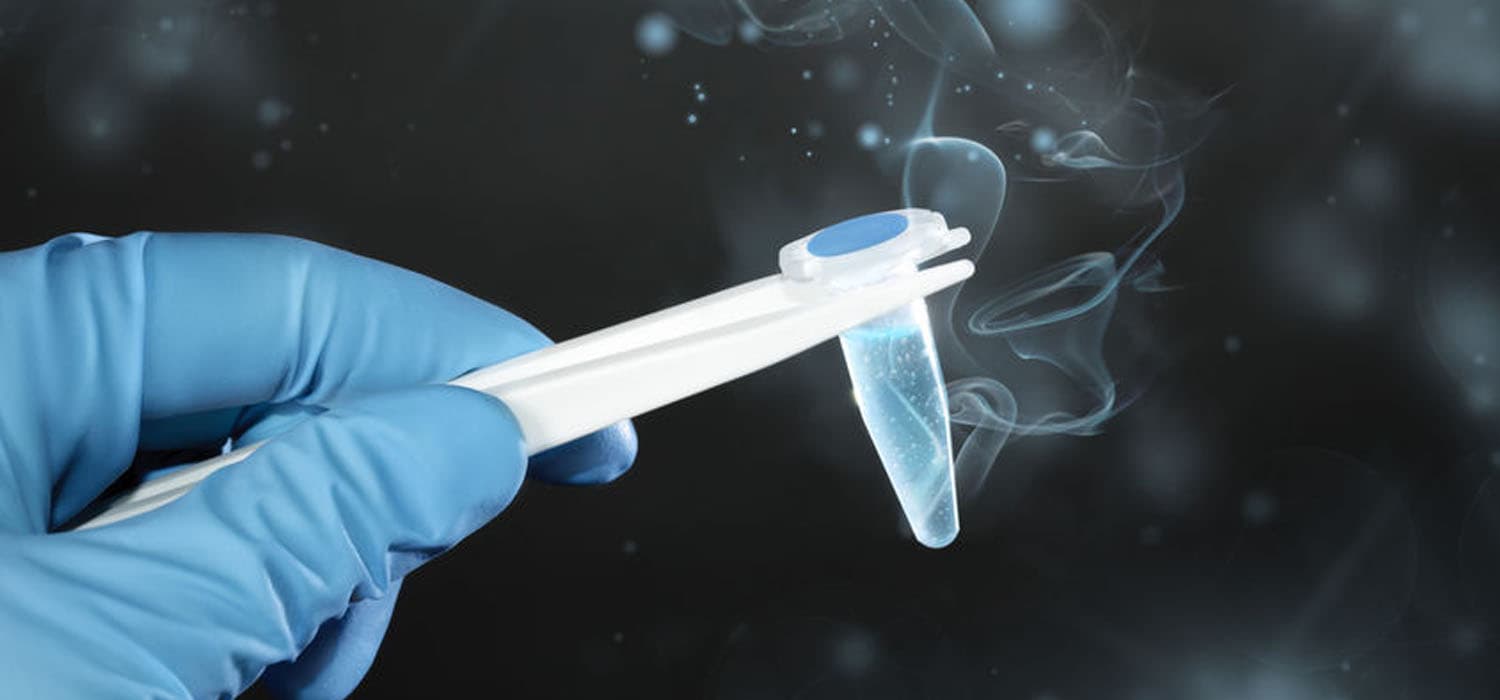
On the day of transfer, the selected embryo is thawed using high-precision vitrification technology.
The embryo’s viability and cell integrity are assessed by an embryologist post-thaw.
A thin, flexible catheter is used to gently place the embryo into the uterus under ultrasound guidance.
Progesterone support is administered following the procedure to maintain a receptive environment for implantation.
Innovations in Embryo Transfer
High-Survival VitrificationAn ultra-rapid freezing method that prevents ice crystal formation, ensuring maximum embryo integrity.
AI-Enhanced Implantation TimingSoftware that analyzes uterine data to identify the precise "window of implantation" for each patient.
Non-Invasive Genetic ScreeningAnalyzing chromosomal health without a biopsy, reducing the physical stress on the frozen embryo.
Endometrial Receptivity Analysis (ERA)A genetic test of the lining to customize the exact hour of the transfer for patients with prior failures.
Time-Lapse Thaw MonitoringConstant observation of the embryo during the thawing phase to ensure optimal metabolic recovery.
Platelet-Rich Plasma (PRP) TherapyAn advanced technique used to "prime" and thicken the uterine lining in patients with a history of thin endometrium.
Pre-Procedure Preparation
Baseline pelvic scans to evaluate the current status of the uterus and ovaries.
Consultation to choose between a "Natural Cycle" or a "Medicated Cycle" based on your history.
Nutritional optimization, including a Mediterranean-style diet, to support uterine blood flow.
Screening for infectious diseases to ensure all safety and regulatory protocols are met.
Review of the "embryo freezing certificate" and signing of consent forms for thawing.
Pre-Procedure Tests
Transvaginal Ultrasound (TVS) to monitor the growth and texture of the endometrial lining.
Blood work to measure Estrogen, Progesterone, and TSH (Thyroid) levels.
Saline Infusion Sonogram (SIS) or Hysteroscopy to confirm the uterine cavity is clear.
Mock Transfer ("Trial Run") to map the cervical path and ensure a smooth procedure.
Repeat infectious disease screening as required by modern ART safety standards.
Why This Treatment Is Highly Effective
Boasts success rates that often surpass fresh transfers due to a more receptive, natural uterine state.
Virtually eliminates the risk of OHSS, making it the safest option for high-responder patients.
Allows for the use of PGT-A, ensuring only chromosomally normal (euploid) embryos are transferred.
Reduces the physiological and emotional stress of repeating egg retrieval for subsequent pregnancies.
Children born from FET cycles often show healthier birth weights and lower rates of preterm birth.
Recovery and Monitoring
The transfer is a 10–15 minute outpatient procedure that requires no anesthesia or downtime.
Patients can usually return to light daily activities within 24 hours of the transfer.
Hormonal support (Progesterone and Estrogen) is continued until the first pregnancy milestone.
A blood pregnancy test (Beta-hCG) is performed 10–14 days after the transfer.
If successful, an early "heartbeat ultrasound" is scheduled around the 6-week mark.
Life After Frozen Embryo Transfer
Seamless transition to routine prenatal care for a healthy, full-term pregnancy.
Long-term storage options remain available for any additional cryopreserved embryos.
Significant reduction in the cost and physical burden of future family-building steps.
Ongoing gynecological monitoring to ensure continued reproductive and uterine health.
Confidence in having utilized the most advanced, personalized technology in modern fertility care.
Frozen Embryo Transfer (FET) Cost in India
The cost of Frozen Embryo Transfer (FET) in India is generally affordable compared with many other countries, making India a popular destination for international patients seeking quality medical care. The treatment cost depends on factors such as the hospital, doctor's experience, treatment approach, medical condition, hospital stay, diagnostic tests, medicines, and any additional procedures required. For international patients, the starting cost of Frozen Embryo Transfer (FET) in India is approximately 300 USD, although the final price may vary based on individual treatment requirements. Patients are advised to obtain a personalized treatment estimate after medical evaluation.