Hip Resurfacing
Hip Resurfacing
Hip Resurfacing is an alternative to total hip replacement designed to preserve more of the patient's natural bone. Instead of removing the entire head of the thigh bone (femur), the damaged surface is trimmed and capped with a smooth metal covering, maintaining the original anatomy of the femoral neck.
When You Should Consider Hip Resurfacing
Younger, active patients (typically under 60) who wish to return to high-impact activities.
Patients with strong bone density, particularly in the femoral neck region.
Desire for a joint that has a lower risk of dislocation due to the larger size of the artificial "ball."
When bone preservation is a priority to make potential future revision surgeries easier.
Advanced hip arthritis that has not responded to conservative management.
Methods of Hip Resurfacing
Metal-on-Metal Bearing: A specialized technique where a metal femoral cap moves directly against a metal pelvic socket.
Cemented Capping: Securing the mushroom-shaped metal cap to the shaped femoral head using a small amount of bone cement.
Press-Fit Acetabular Fixation: Placing a metal cup into the pelvic socket without cement, allowing the bone to grow into the implant.
Computer-Assisted Navigation: Utilizing digital mapping to ensure the precise alignment of the cap and socket during the procedure.
How Hip Resurfacing Is Performed
Socket Resurfacing: The arthritic surface of the pelvic socket (acetabulum) is removed and replaced with a durable metal cup.
Femoral Reaming: The surgeon shapes the existing "ball" of the femur into a cylinder rather than cutting it off entirely.
Cap Placement: A hollow metal cap is placed over the newly shaped femoral head to provide a smooth, new joint surface.
Alignment Verification: The surgeon ensures the metal-on-metal components are perfectly positioned to minimize friction and wear.
Closure: The incision is closed with sutures or surgical glue, following a path similar to a standard hip replacement.
Pre-Procedure Preparation
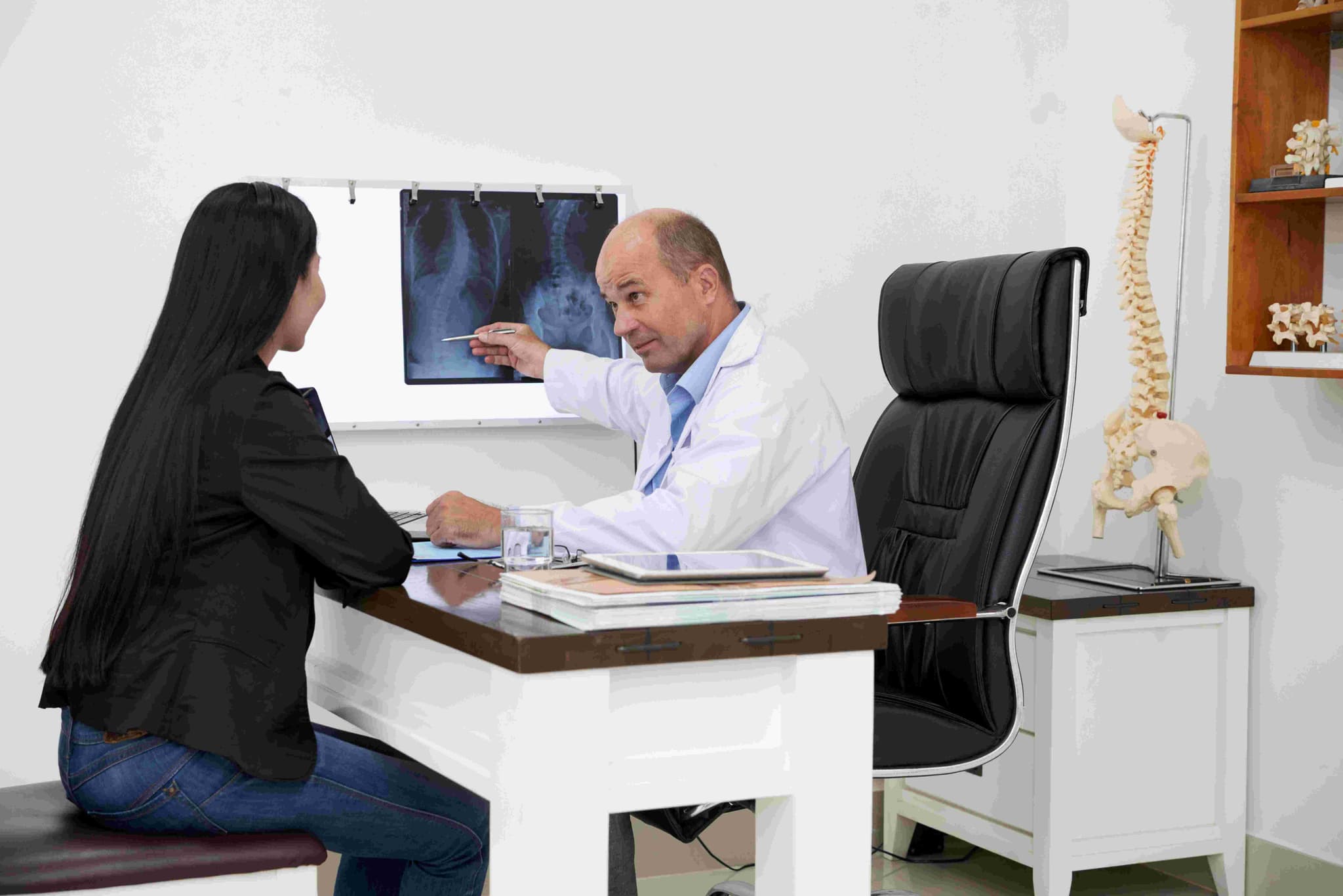
Precise X-rays and DEXA scans (bone density tests) to confirm the femoral neck can support the metal cap.
Screening for metal allergies, specifically to nickel, cobalt, or chromium.
Fasting (NPO) and standard medical clearance for either general or spinal anesthesia.
Discussion of gender-specific outcomes, as the procedure is most often indicated for male patients due to bone size and density requirements.
Tests Before Hip Resurfacing
DEXA Scan: The mandatory "gold standard" test to ensure the bone mineral density is high enough to prevent post-op fractures.
Template X-rays: High-resolution imaging used to determine the exact size of the cap and socket required.
Metal Ion Baseline: Sometimes performed to check pre-operative levels of cobalt and chromium in the blood.
Kidney Function Test: To ensure the body can effectively filter any microscopic metal ions released by the joint over time.
Life After Hip Resurfacing
Hospital stays are typically brief, ranging from 1 to 2 days.
Immediate weight-bearing is usually allowed with a walker or crutches.
Heavy impact activities, such as running or jumping, are restricted for 6 to 12 months while the bone strengthens.
Blood thinners (Aspirin or Xarelto) are required for 4–6 weeks to prevent Deep Vein Thrombosis (DVT).
Intensive physical therapy focuses on the abductor muscles to ensure a stable and natural walking pattern.
Benefits of Hip Resurfacing
Preserves the femoral head and neck, making future "standard" hip replacements much easier to perform.
Offers a significantly lower risk of dislocation because the artificial ball is nearly the same size as the natural one.
Allows for a safe return to high-impact sports and heavy lifting that might damage a standard hip replacement.
Provides a more "natural" range of motion and stable joint feel for younger, active individuals.
Hip Resurfacing Cost in India
The cost of Hip Resurfacing in India is generally affordable compared with many other countries, making India a popular destination for international patients seeking quality medical care. The treatment cost depends on factors such as the hospital, doctor's experience, treatment approach, medical condition, hospital stay, diagnostic tests, medicines, and any additional procedures required. For international patients, the starting cost of Hip Resurfacing in India is approximately 2000 USD, although the final price may vary based on individual treatment requirements. Patients are advised to obtain a personalized treatment estimate after medical evaluation.