Incisional Hernia Repair
Incisional Hernia Repair
An Incisional Hernia Repair is a surgical procedure to fix a protrusion of tissue or an organ (usually the intestine) through a previously made surgical scar. This occurs when the abdominal wall muscles fail to heal completely or weaken over time following an earlier surgery.
When You Should Consider Incisional Hernia Repair
A visible bulge or lump at the site of a previous surgical scar.
A bulge that becomes more prominent or painful when coughing, straining, or lifting.
Persistent aching or pressure at the previous incision site.
Nausea or vomiting if the protruding tissue becomes trapped (incarcerated).
Confirmation of a muscle "defect" via CT scan or physical examination.
Methods of Incisional Hernia Repair
Open Repair: A traditional approach involving an incision over the old scar, often used for very large hernias or complex cases.
Laparoscopic Repair: A minimally invasive method using small "keyhole" incisions, CO2 gas, and a camera to repair the defect from the inside.
Robotic-Assisted Repair: A modern variation of laparoscopic surgery offering enhanced precision for medium to large hernias.
Tension-Free Mesh Repair: The use of synthetic or biologic mesh to reinforce the abdominal wall, significantly reducing the risk of recurrence.
How Incisional Hernia Repair Is Performed
Sac Reduction: The surgeon identifies the hernia sac and carefully pushes the protruding tissue or intestine back into the abdominal cavity.
Adhesiolysis: Freeing the intestine from old scar tissue or adhesions that may have formed since the previous surgery.
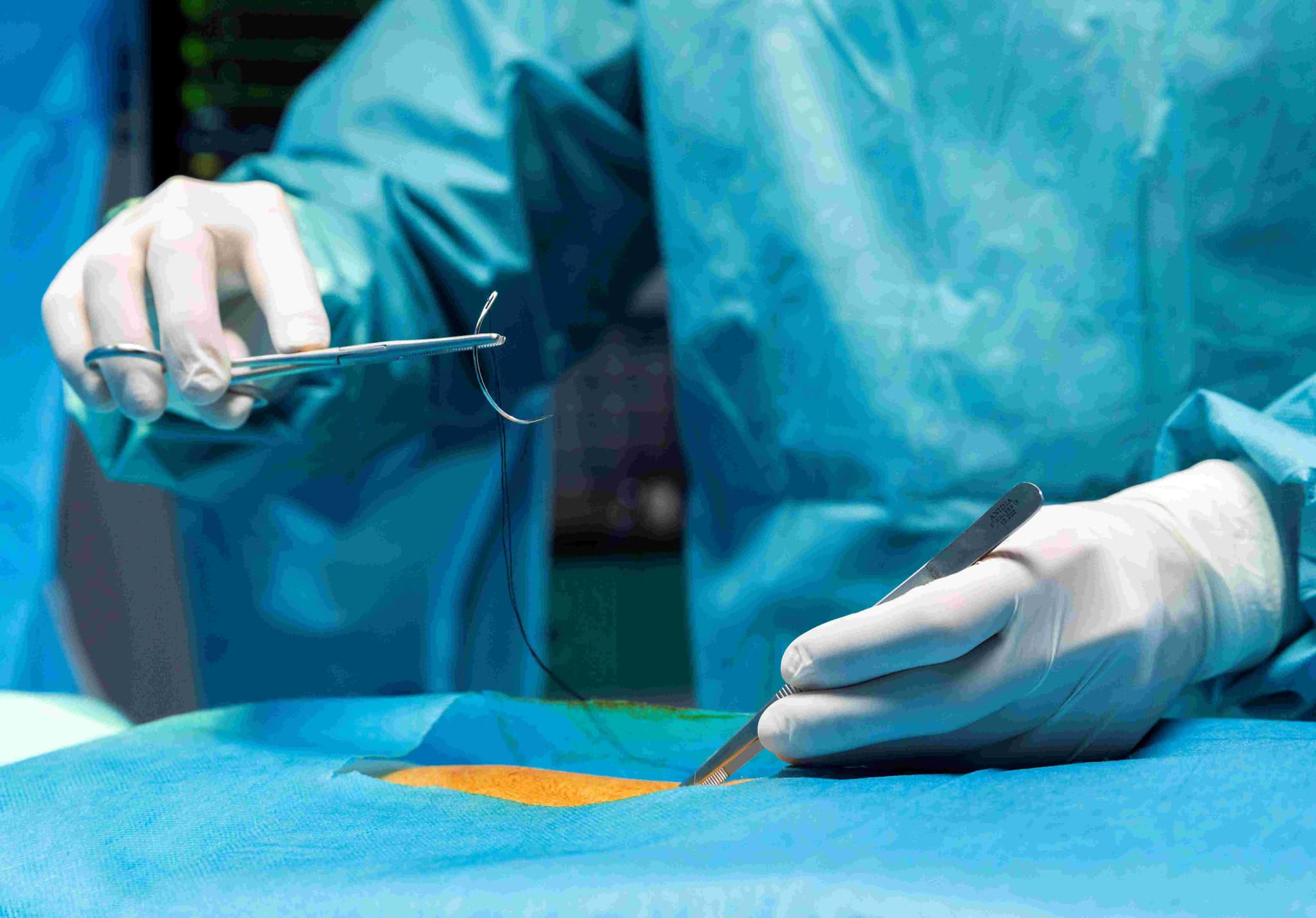
Mesh Placement: A flexible, permanent screen (mesh) is secured over or under the muscle layer to act as a scaffold for new tissue growth.
Fixation: The mesh is secured using sutures, tacks, or specialized surgical staples to ensure it remains in a "tension-free" position.
Abdominal Wall Reconstruction: In complex cases, the surgeon may rearrange muscle layers to achieve a more natural and strong closure.
Pre-Procedure Preparation
Quitting smoking for several weeks to improve blood flow and tissue healing.
Weight management and stabilization of blood sugar levels to minimize the risk of repair failure.
Fasting (NPO) as directed before undergoing general anesthesia.
Evaluation of the old surgical site to plan the best approach (open vs. minimally invasive).
Tests Before Incisional Hernia Repair
Physical Exam: To feel for the bulge and assess the strength of the surrounding abdominal wall.
CT Scan: The primary imaging tool used to measure the exact size of the muscle defect and identify the contents of the hernia.
Blood Panels: To check for signs of infection or uncontrolled diabetes that could affect recovery.
Pre-Surgical Optimization Review: Assessment of lifestyle factors (BMI, smoking status) that impact surgical success.
Life After Incisional Hernia Repair
Hospital stays range from same-day discharge for laparoscopic cases to 3–5 days for large open repairs.
Use of an abdominal binder (elastic wrap) for 4–6 weeks to support the new repair.
Strict activity restrictions, including no heavy lifting (>5 kg) for 6–8 weeks.
Immediate encouragement of gentle walking to prevent blood clots during the early recovery phase.
Monitoring for seromas (fluid collection) or signs of mesh infection at the incision site.
Benefits of Incisional Hernia Repair
Significantly reduces the risk of hernia recurrence from 30–50% (without mesh) to below 10% (with mesh).
Restores the structural integrity and strength of the abdominal wall.
Eliminates the risk of life-threatening complications such as bowel obstruction or strangulation.
Relieves chronic pain and discomfort associated with the protruding tissue.
Incisional Hernia Repair Cost in India
The cost of Incisional Hernia Repair in India is generally affordable compared with many other countries, making India a popular destination for international patients seeking quality medical care. The treatment cost depends on factors such as the hospital, doctor's experience, treatment approach, medical condition, hospital stay, diagnostic tests, medicines, and any additional procedures required. For international patients, the starting cost of Incisional Hernia Repair in India is approximately 500 USD, although the final price may vary based on individual treatment requirements. Patients are advised to obtain a personalized treatment estimate after medical evaluation.