Insulin Pump Therapy
Insulin Pump Therapy
Insulin pump therapy, also known as continuous subcutaneous insulin infusion (CSII), is an advanced medical treatment for managing diabetes by mimicking the physiological insulin delivery of a healthy pancreas. Unlike multiple daily injections (MDI), which require separate long-acting and short-acting doses, a pump uses only rapid-acting insulin delivered in two distinct ways: a continuous Basal Rate for background stability and an on-demand Bolus Dose for meals or corrections.
When You Should Consider Insulin Pump Therapy
When seeking finer control over glucose levels, with the ability to deliver insulin in increments as small as 0.01 to 0.05 units.
If you desire greater lifestyle flexibility regarding meal timing, exercise, and sleep patterns.
To reduce the number of needle sticks, as infusion sets are typically changed only once every 2 to 7 days.
If you are struggling with high glycemic variability or high HbA1c levels on a Multiple Daily Injection (MDI) regimen.
For patients with Type 1 diabetes or insulin-dependent Type 2 diabetes who are committed to carbohydrate counting and regular monitoring.
Methods of Insulin Pump Therapy
Tubed Pumps: A pager-sized device containing an insulin reservoir connected via thin plastic tubing to an infusion set under the skin.
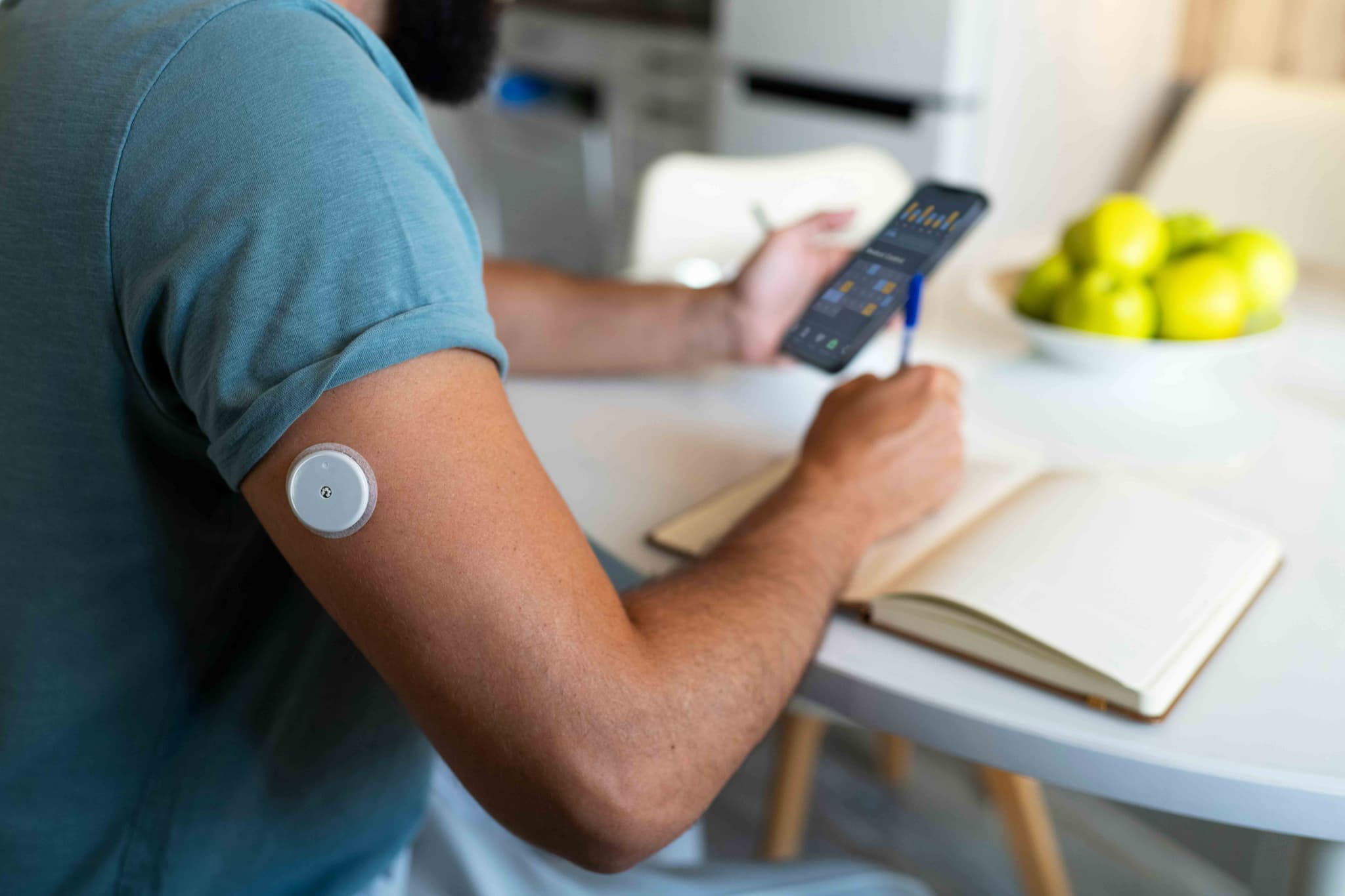
Patch Pumps (Tubeless): A small "pod" that adheres directly to the skin, housing both the reservoir and cannula, controlled wirelessly.
Hybrid Closed-Loop (AID) Systems: Advanced systems that use algorithms to automatically adjust insulin delivery based on real-time Continuous Glucose Monitor (CGM) data.
Basal Delivery: A 24-hour continuous "background" flow of rapid-acting insulin.
Bolus Delivery: On-demand surges of insulin triggered by the user to cover carb intake or correct high blood sugar.
How Insulin Pump Therapy Is Performed
Site Selection: A suitable area with adequate fatty tissue (abdomen, thigh, or back of arm) is chosen for the infusion set.
Cannula Insertion: A small plastic or metal cannula is inserted under the skin using an introduction needle, which is then removed.
System Calibration: For AID systems, the pump is paired with a CGM to allow the algorithm to begin automated adjustments.
Programming: The user or clinician programs specific basal rates and bolus-to-carb ratios into the device.
Site Rotation: To maintain skin health, the infusion site is moved to a new location every 2 to 3 days (or up to 7 days with newer technology).
Pre-Procedure Preparation
Commitment to learning carbohydrate counting to accurately calculate mealtime boluses.
Training on pump mechanics, including how to fill reservoirs and change infusion sets.
Ensuring a backup plan is in place (such as insulin pens or syringes) in case of pump failure.
Discussing the choice between tubed and tubeless (patch) systems with a healthcare provider.
Establishing a baseline of glucose data to help determine initial basal and bolus settings.
Tests Before Insulin Pump Therapy
HbA1c Test: To establish a baseline for blood sugar control over the previous three months.
Review of Glucose Logs: To identify patterns of hypoglycemia or hyperglycemia that the pump can address.
Assessment of Injection Sites: To check for lipohypertrophy or scarring that might interfere with insulin absorption.
Psychological Readiness: Evaluating the user's ability to manage the technical aspects of the device.
Life After Insulin Pump Therapy
Benefit from reduced glycemic variability and a lower risk of long-term diabetes complications.
Monitor for signs of Diabetic Ketoacidosis (DKA), which can develop quickly if insulin delivery is interrupted.
Rotate infusion sites regularly to prevent infections or tissue thickening.
Enjoy the ability to temporarily adjust insulin rates for physical activity or illness.
Regularly download and review pump data with a clinical team to fine-tune therapy settings.
Benefits of Insulin Pump Therapy
Mimics the natural insulin delivery of a healthy pancreas more closely than injections.
Significantly reduces the frequency of skin punctures from 4–6 daily to once every few days.
Decreases the risk of severe hypoglycemia through automated "smart" delivery systems.
Provides precision dosing that is ideal for those sensitive to small amounts of insulin.
Enhances quality of life by allowing for more spontaneous eating and activity schedules.