Internal Radiation (Brachytherapy)
Internal Radiation
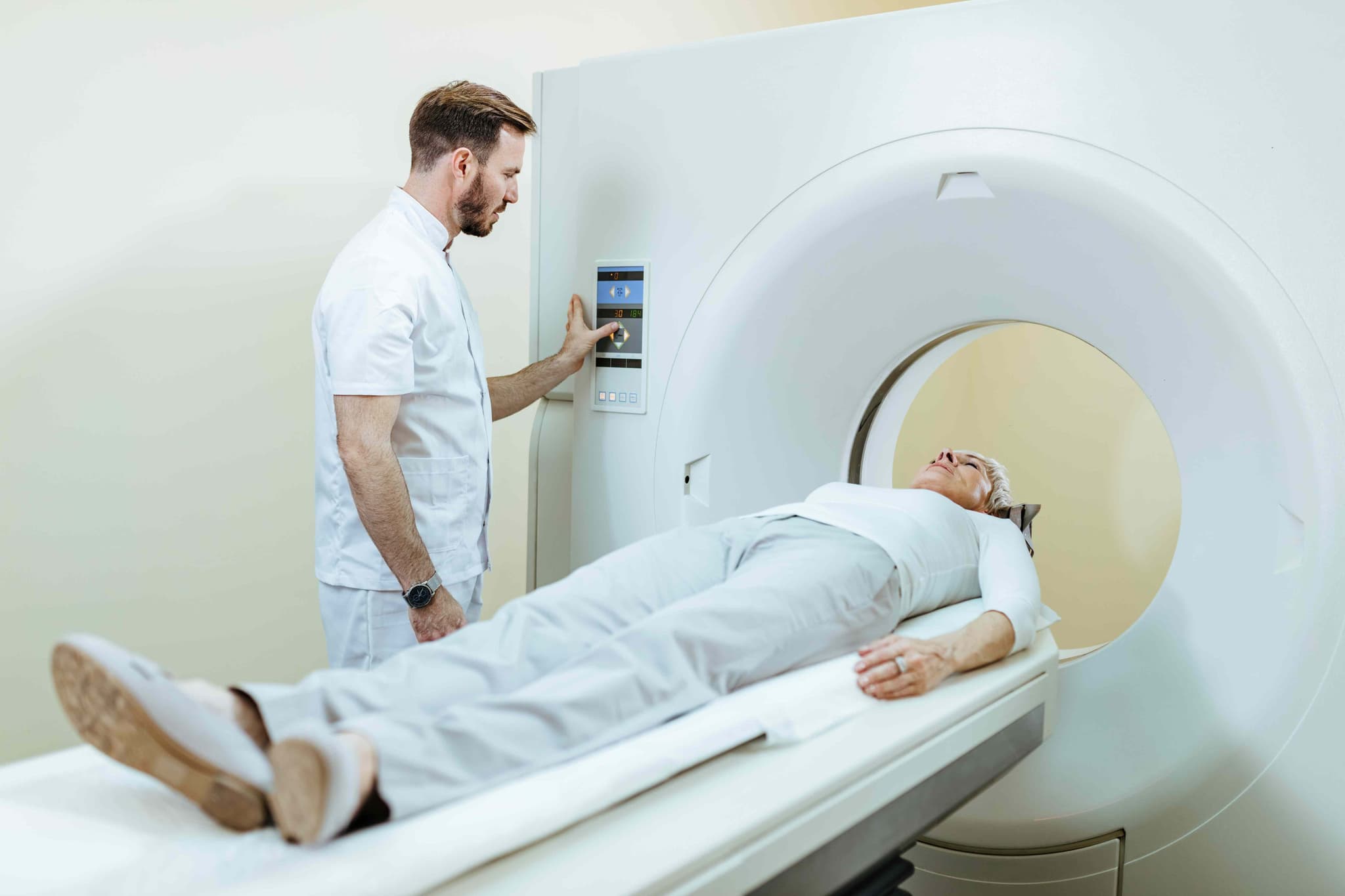
Internal radiation, also known as brachytherapy, is a specialized cancer treatment where radioactive material is placed directly inside or very close to a tumor. This allows doctors to deliver a much higher, more concentrated dose of radiation to the cancer cells while significantly reducing the exposure to nearby healthy organs. Real-time Image-Guided Brachytherapy (IGBT) using MRI has become a primary standard for achieving this level of precision.
When You Should Consider Brachytherapy
Cervical or Uterine Cancer: Often used after external radiation to provide a "boost" dose directly to the cervix or vaginal cuff.
Prostate Cancer: For localized disease, either as a standalone treatment using permanent seeds or as a high-dose temporary boost.
Breast Cancer: Following a lumpectomy, to provide Accelerated Partial Breast Irradiation (APBI) in a shorter timeframe than traditional radiation.
Skin Cancer: For certain non-melanoma skin cancers on the face or nose where surgery might cause significant scarring.
Head and Neck Cancer: For tumors of the tongue, lip, or floor of the mouth that require a localized, intense dose.
Types of Brachytherapy
HDR (High-Dose Rate): A high-strength radioactive source is pulsed into the body through a catheter for about 10 to 20 minutes and then completely removed.
LDR (Low-Dose Rate): Radioactive "seeds" are permanently or temporarily implanted, releasing radiation slowly over several days or months.
PDR (Pulsed-Dose Rate): A hybrid approach where radiation is delivered in short pulses every hour, typically over one or more days in a hospital setting.
Permanent Seed Implants: Common in prostate cancer; tiny seeds (the size of a grain of rice) are left in the body and become inactive over time.
Temporary Brachytherapy: The radioactive source (such as ribbons or wires) is removed from the body once the treatment session or hospital stay is complete.
How Is Performed
Anesthesia: Depending on the site, the procedure is performed under local, spinal, or general anesthesia (common for gynecologic or prostate cases).
Applicator Placement: Doctors use catheters, needles, or specialized applicators (such as tandem and ovoid) to create a pathway to the tumor.
Image Guidance: Real-time ultrasound, CT, or MRI is used to ensure the applicators are positioned with sub-millimeter accuracy.
Afterloading: A computerized machine (the afterloader) sends the radioactive source into the applicators for the precise duration calculated by the physics team.
Source Retraction: Once the treatment is finished, the source is safely retracted back into the shielded machine, leaving no radiation in the patient (for HDR).
Pre-Procedure Preparation
Imaging Workup: A high-resolution MRI or CT scan to measure the exact volume of the tumor and its proximity to organs like the bladder or rectum.
Bowel Preparation: Following a liquid diet or using an enema if the treatment area is near the pelvis to ensure clear imaging.
Fasting (NPO): Adhering to strict fasting protocols if the procedure requires general or spinal anesthesia.
Medication Review: Stopping blood thinners or anti-inflammatory drugs several days before the needle or catheter insertion.
Baseline Symptom Check: Documenting current urinary or bowel habits to monitor for any changes following the procedure.
Tests Before Brachytherapy
Pelvic or Transrectal Ultrasound: To map the anatomy and determine the number of needles or seeds required for the specific site.
Cardiac/Respiratory Clearance: A chest X-ray and EKG to ensure the heart and lungs are healthy enough for anesthesia.
Coagulation Profile (PT/INR): To ensure the blood clots normally before any needles are inserted into the tissue.
Urinalysis: To rule out any active urinary tract infections before performing prostate or gynecologic brachytherapy.
Kidney Function (Creatinine): Assessed especially if contrast dye will be used during the planning CT scan.
Life After Brachytherapy (Recovery & Safety)
Radiation Safety: For HDR, you are not radioactive and can be around others immediately. For permanent seeds, you may need to avoid close contact with children or pregnant women for a few weeks.
Localized Soreness: Expect mild swelling, bruising, or tenderness at the insertion site for 2 to 5 days.
Urinary/Bowel Changes: Temporary urgency or frequency may occur if the treatment area was located near the bladder or rectum.
Tissue Health: For gynecologic cases, using a vaginal dilator or prescribed creams may be recommended to prevent narrowing (stenosis) and maintain health.
Activity Resumption: Most patients return to their normal daily routines within a few days once the initial soreness fades.
Why Specialized Treatment Is Highly Effective
Maximized Dose: Delivers a "lethal" dose to the tumor that is significantly higher than what can be safely achieved with external beams alone.
Extreme Precision: Because the source is inside the tumor, the radiation dose drops off rapidly, sparing healthy tissues just millimeters away.
Shorter Treatment Times: Some HDR protocols allow a full course of radiation to be completed in just 1 to 5 days instead of several weeks.
Organ Preservation: Provides an alternative to major surgery for certain cancers, preserving the function of the breast, prostate, or tongue.
Adaptive Planning: Modern 3D/4D planning allows doctors to adjust the dose in real-time based on the exact shape of the tumor on the day of treatment.
Internal Radiation (Brachytherapy) Cost in India
The cost of Internal Radiation (Brachytherapy) in India is generally affordable compared with many other countries, making India a popular destination for international patients seeking quality medical care. The treatment cost depends on factors such as the hospital, doctor's experience, treatment approach, medical condition, hospital stay, diagnostic tests, medicines, and any additional procedures required. For international patients, the starting cost of Internal Radiation (Brachytherapy) in India is approximately 1000 USD, although the final price may vary based on individual treatment requirements. Patients are advised to obtain a personalized treatment estimate after medical evaluation.