IVF with Donor Eggs
IVF with Donor Eggs
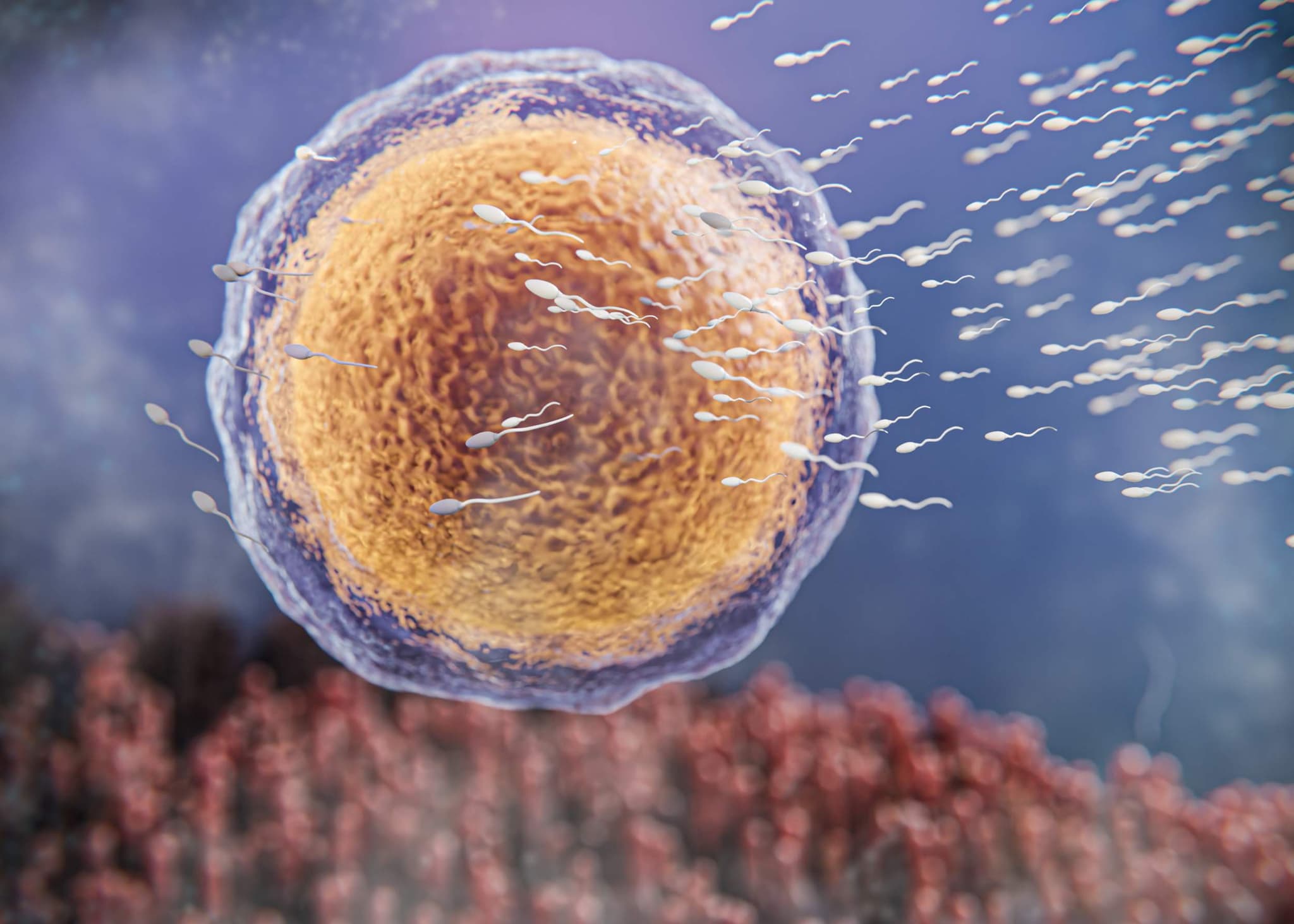
IVF with Donor Eggs is a premier fertility treatment for individuals facing age-related fertility decline, premature ovarian failure, or poor egg quality. This procedure utilizes mature eggs from a healthy, thoroughly screened donor, which are fertilized in a state-of-the-art laboratory before the resulting embryo is transferred to the recipient. By integrating advanced donor matching and non-invasive genetic screening, modern protocols ensure the highest possible success rates for intended parents.
When You Should Consider Donor Egg IVF
Advanced maternal age where natural egg quality and quantity have declined.
Diagnosis of Premature Ovarian Insufficiency (POI) or early-onset menopause.
Repeated IVF failures using your own eggs due to poor embryo development.
History of multiple miscarriages linked to chromosomal abnormalities in the eggs.
Known genetic conditions or hereditary disorders you wish to avoid passing to offspring.
Diminished ovarian reserve where hormonal stimulation fails to produce viable eggs.
Conditions That Require Specialized Care
Severe Endometriosis affecting the quality of the primary ovarian environment.
Turner Syndrome or other chromosomal variations requiring donor gametes.
Previous cancer treatments (chemotherapy or radiation) that have impacted ovarian function.
Recurrent Implantation Failure (RIF) requiring specialized uterine lining synchronization.
Surgical removal of ovaries due to medical necessity or emergency.
[Image Placeholder: Healthy blastocyst-stage embryo developed from a donor egg]
How Donor Egg IVF Is Performed
Advanced digital platforms are used to match recipients with anonymous, altruistic donors.
Menstrual cycles are synchronized using hormonal monitoring to ensure optimal uterine receptivity.
Ovarian stimulation of the donor is monitored via high-precision automated follicle measurement.
Mature eggs are retrieved from the donor using a minimally invasive, ultrasound-guided procedure.
Fertilization is achieved using ICSI, where a single selected sperm is injected into each donor egg.
Resulting embryos are cultured in time-lapse incubators to monitor growth 24/7.
One healthy embryo is transferred into the recipient’s uterus using a high-precision catheter.
Modern Donor Egg Innovations
Advanced Donor MatchingAlgorithms that analyze medical, genetic, and phenotypic data to find the most compatible donor.
Vitrified Egg BankingAdvanced "flash-freezing" that allows for flexible timelines and immediate access to high-quality eggs.
Non-Invasive PGT-A (niPGT)Screening embryos for chromosomal health by analyzing culture fluid instead of performing a biopsy.
Real-Time SynchronizationPrecision hormone sensors that track the recipient's cycle for perfectly timed transfers.
Mitochondrial SupportEmerging techniques aimed at supporting recipient eggs using donor cellular components.
AI-Enhanced Embryo RankingDeep-learning models that predict the "live birth potential" of embryos with high clinical accuracy.
[Image Placeholder: High-tech IVF laboratory featuring integrated workstations and incubators]
Pre-Procedure Preparation
Review of the legal framework under current ART Acts to ensure all altruistic guidelines are met.
Comprehensive psychological counseling to prepare for the emotional journey of donor conception.
Uterine preparation including a healthy diet and vitamins to support the endometrium.
Synchronization of hormonal protocols using estradiol and progesterone medications.
Financial planning and coordination for all donor-related medical steps.
Pre-Procedure Tests
Saline Infusion Sonogram (SIS) or Hysteroscopy to confirm a clear uterine cavity.
Endometrial Receptivity Analysis (ERA) to identify the optimal "window of implantation."
Standardized viral screening (HIV, Hepatitis, Syphilis) for both the donor and the recipient.
Detailed semen analysis for the male partner, including a DNA Fragmentation Index.
Mock embryo transfer to ensure a smooth and painless procedure on the actual day.
Why This Treatment Is Highly Effective
Delivers exceptional success rates, often reaching 60% to 80% per embryo transfer.
Utilizes younger, high-quality eggs which significantly reduces the risk of miscarriage.
Modern screening tools reduce "trial and error" by selecting the healthiest embryos.
Provides a high cumulative success rate within three cycles for most recipients.
Allows women in their late 40s and early 50s to experience a healthy pregnancy.
Recovery and Monitoring
Recipients generally require only 24 hours of light activity following the embryo transfer.
Continued hormonal support (progesterone) for several weeks to maintain the early pregnancy.
A "Two-Week Wait" (2WW) period monitored via clinical health portals to track progress.
Blood-based pregnancy test (Beta-hCG) performed 10–14 days after the transfer.
Early ultrasound at 6–7 weeks to confirm the presence of a healthy fetal heartbeat.
Life After Donor Egg IVF
Transition to routine obstetric care with a specialized focus on healthy prenatal development.
Options for cryopreservation of remaining donor-egg embryos for future family building.
Long-term follow-up to ensure both the mother and child are meeting health milestones.
Access to support groups for families who have successfully conceived via egg donation.
Empowerment through the successful resolution of long-term infertility struggles.
IVF with Donor Eggs Cost in India
The cost of IVF with Donor Eggs in India is generally affordable compared with many other countries, making India a popular destination for international patients seeking quality medical care. The treatment cost depends on factors such as the hospital, doctor's experience, treatment approach, medical condition, hospital stay, diagnostic tests, medicines, and any additional procedures required. For international patients, the starting cost of IVF with Donor Eggs in India is approximately 2000 USD, although the final price may vary based on individual treatment requirements. Patients are advised to obtain a personalized treatment estimate after medical evaluation.