Laser Hair Removal
Laser Hair Removal
Laser hair removal is a non-invasive medical procedure in 2026 that uses concentrated beams of light to destroy hair follicles for long-term hair reduction. It is one of the most effective alternatives to traditional methods like waxing or shaving, offering smoother skin with significantly less maintenance over time.
When You Should Consider Laser Hair Removal
This procedure is ideal for individuals looking for a durable solution to unwanted body or facial hair. Key indications include:
Persistent Body Hair: Desire to reduce hair on the legs, back, chest, or underarms.
Ingrown Hairs: Chronic issues with painful "razor bumps" or folliculitis caused by shaving or waxing.
Sensitive Skin: Difficulty with skin irritation or "strawberry legs" following traditional hair removal.
Hormonal Hair Growth: Managing excess hair growth (hirsutism) on the face or body.
Convenience: Seeking to eliminate the time and cost associated with frequent waxing or daily shaving.
Methods of Laser Hair Removal
Diode Laser: A versatile 2026 standard that works well on many skin types and features high repetition rates for fast treatment.
Alexandrite Laser: Best suited for those with lighter skin tones and dark hair; known for its efficiency on large areas like the legs.
Nd:YAG Laser: The gold standard for safely treating patients with darker skin tones, as it bypasses the melanin in the skin to target the hair root.
Intense Pulsed Light (IPL): Technically a light therapy rather than a laser, often used for finer hair or combined with skin rejuvenation treatments.
Integrated Cooling Technology: Modern machines use "cryo-gen" sprays or sapphire cooling tips to protect the skin and reduce the "rubber band snap" sensation.
How Laser Hair Removal Is Performed
Skin Assessment: The specialist determines your skin type and hair color to select the appropriate laser wavelength and intensity.
Protective Measures: Both the patient and the technician wear specialized eyewear to protect the eyes from the laser's light.
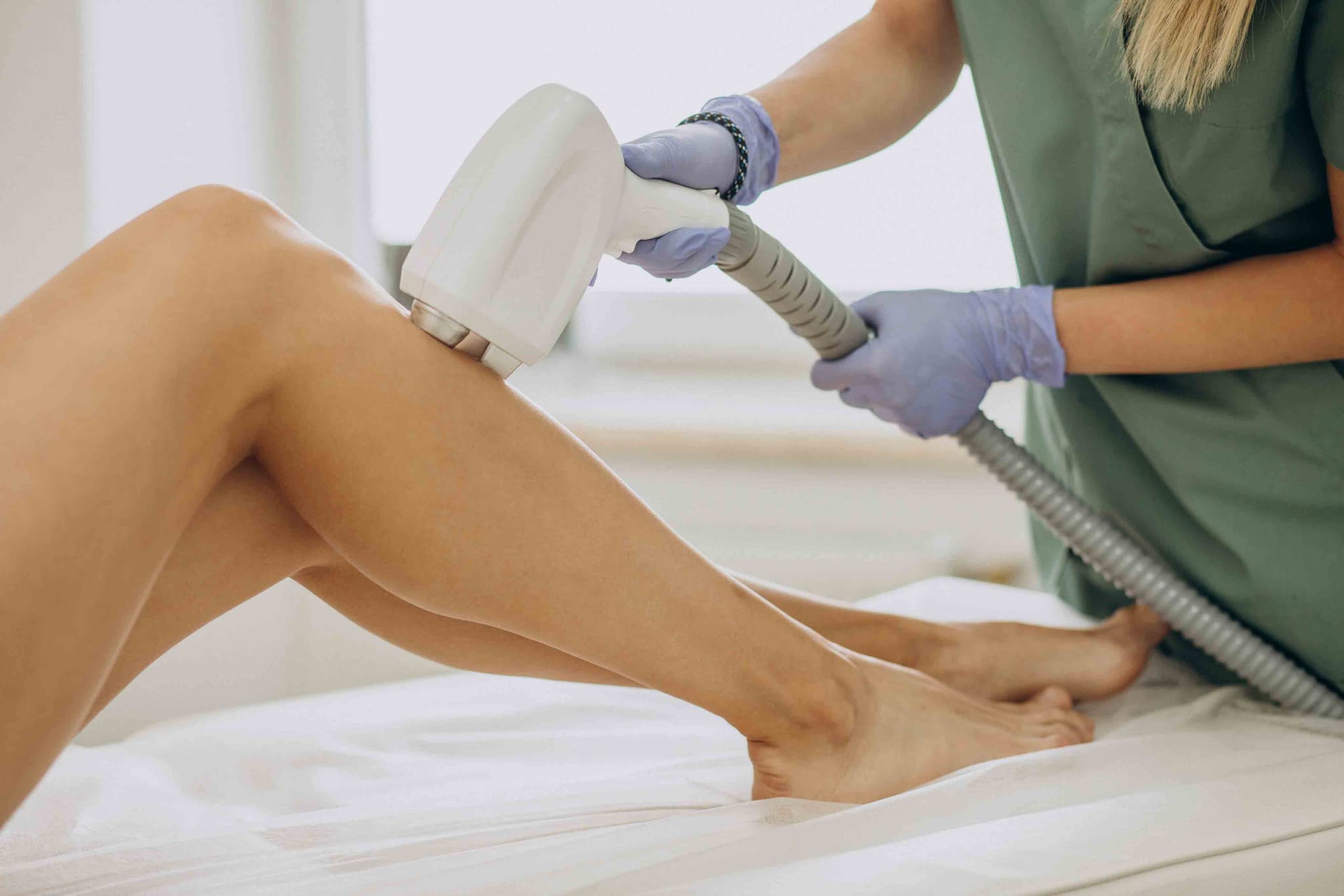
Laser Application: The technician presses a hand-held laser device to the skin. When triggered, the laser pulse travels down the hair shaft to the follicle.
Follicle Destruction: The light energy converts to heat, damaging the follicle and inhibiting its ability to produce new hair.
Post-Treatment Cooling: A soothing aloe gel or cold compress is often applied to the area immediately after the session to reduce redness.
Pre-Procedure Preparation
The 24-Hour Shave: You must shave the treatment area 24 hours before your session. This ensures the laser energy is concentrated on the root rather than burning hair on the surface.
Avoid Root Removal: Do not wax, pluck, or thread for at least 4–6 weeks before your appointment, as the laser requires the hair root to be present to work.
Sun Protection: Avoid direct sun exposure and tanning beds for 2–4 weeks prior, as tanned skin is more prone to laser-induced burns.
Clean Skin: Ensure the treatment area is free of lotions, deodorants, perfumes, and self-tanning products on the day of the session.
Tests and Evaluations Before Treatment
Patch Test: Many 2026 clinics perform a small test on a discrete area to see how your skin reacts to the laser settings before a full session.
Medical Review: A check for photosensitizing medications (like certain antibiotics or acne treatments) that could make the skin hypersensitive.
Skin Typing: Utilizing the Fitzpatrick scale to ensure the laser choice matches the patient's melanin levels for maximum safety.
Life After Laser Hair Removal (Recovery)
Immediate Hours: Expect mild redness and swelling similar to a minor sunburn. This typically subsides within a few hours.
The Shedding Phase: Over the next 1–2 weeks, the "dead" hair will fall out of the follicles. This is often mistaken for new growth but is actually the body expelling the destroyed hair.
Session Intervals: Most patients require 6 to 8 sessions spaced 4 to 8 weeks apart to catch all hairs in the active growth (anagen) phase.
Long-Term Maintenance: While results are long-lasting, a touch-up session once or twice a year may be needed to manage fine new growth triggered by hormonal changes.
Benefits of Laser Hair Removal
Long-Term Smoothness: Provides a significant reduction in hair density that can last for years.
Precision: Lasers can selectively target dark, coarse hairs while leaving the surrounding skin undamaged.
Prevention of Ingrown Hairs: By destroying the follicle, it eliminates the risk of hair curling back into the skin.
Time & Cost Efficiency: While it requires an upfront investment, it removes the lifelong need for expensive razors, creams, and waxing appointments.