Laser Photocoagulation
Laser Photocoagulation (Retinal Laser Treatment)
Laser photocoagulation is a specialized medical procedure that utilizes a precise, high-energy beam of light to treat various retinal disorders. By creating microscopic thermal burns in targeted areas of the retina, the laser induces the formation of scar tissue. This tissue is used to seal leaking blood vessels, shrink abnormal ones, or "weld" retinal tears to the underlying tissue to prevent detachment.
When You Should Consider Laser Photocoagulation
Diabetic Macular Edema (DME): To seal specific leaking blood vessels that cause swelling in the central vision (macula).
Proliferative Diabetic Retinopathy (PDR): If you need to shrink abnormal, fragile blood vessels to prevent severe internal bleeding or vision loss.
Retinal Tears or Holes: To repair structural breaks in the retina before they progress into a full retinal detachment.
Vision Stabilization: When seeking to stop the progression of retinal diseases and prevent further deterioration of your sight.
Reducing Oxygen Demand: In advanced disease, to protect the overall health of the eye by treating peripheral areas.
How Is Performed
Dilation: The pupil is dilated with drops to provide the specialist a clear, wide-angle view of the retina.
Numbing: Anesthetic drops are applied to the surface of the eye to ensure the procedure is generally painless.
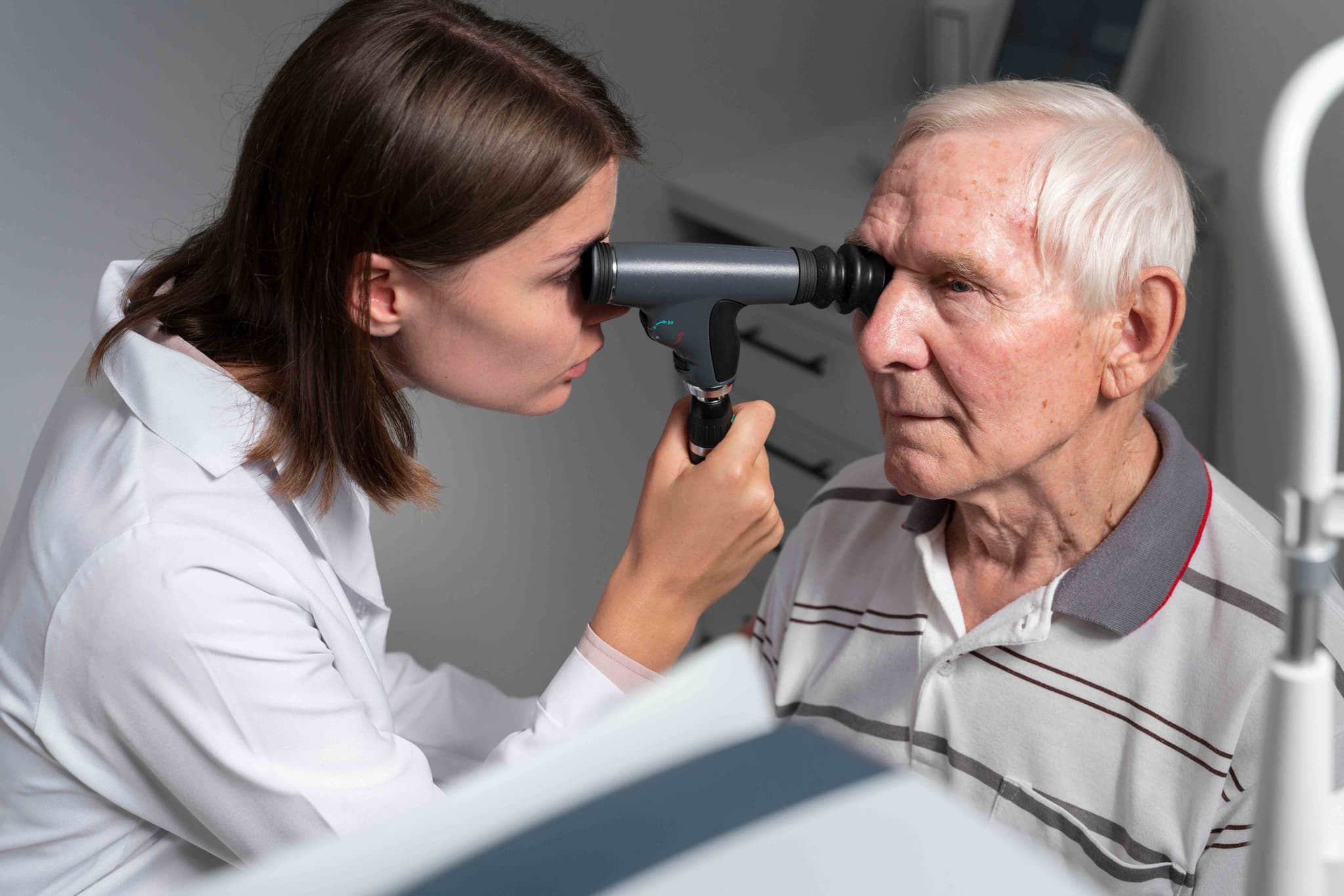
Positioning: The patient sits at a slit-lamp microscope—similar to a standard eye exam—with their chin and forehead held steady in a rest.
Application: A specialized contact lens is placed on the eye to focus the high-energy laser pulses exactly where they are needed.
Duration: The clinical session typically lasts between 15 and 30 minutes, depending on the number of laser spots required.
Methods of Laser Treatment
Focal Laser Treatment: Aiming small, individual laser spots directly at specific leaking vessels to reduce swelling in the macula.
Pan-Retinal Photocoagulation (PRP): Applying hundreds to thousands of laser burns to the peripheral retina to shrink abnormal vessels in advanced diabetic disease.
Laser Retinopexy: Creating a protective "wall" of scar tissue around a retinal break to prevent fluid from passing underneath it.
Thermal Coagulation: The process of converting high-energy light into localized heat to achieve targeted tissue sealing.
Pre-Procedure Preparation
Retinal Roadmap: A detailed examination to identify the specific areas of leakage or tearing that require treatment.
Goal Setting: Discussing the primary goal of the treatment, which is typically to stabilize current vision rather than restore sight already lost to disease.
Transportation: Arranging for a driver to take you home, as your vision will be temporarily dazzled and blurred from the dilation and laser light.
Vision Awareness: Reviewing potential impacts on peripheral or night vision, especially if you are undergoing extensive Pan-Retinal Photocoagulation (PRP).
Physical Comfort: Ensuring you are comfortable sitting still for up to 30 minutes with your head in a fixed position.
Tests Before Laser Photocoagulation
Optical Coherence Tomography (OCT): A high-resolution scan used to measure retinal swelling and pinpoint leaking vessels for focal treatment.
Fluorescein Angiography: A diagnostic map that uses a special dye to highlight areas of abnormal blood vessel growth and active leakage.
Visual Acuity Test: Establishing a precise baseline of your current vision quality before the procedure.
Slit-Lamp Examination: Providing the surgeon with a high-magnification view of the back of the eye to plan the laser application.
Life After Laser Photocoagulation
Recovery Window: Expect blurred or "dazzled" vision for the first 24 hours due to the combined effects of the laser pulses and pupil dilation.
Activity Resumption: Most normal activities can be resumed within a few hours, though you should avoid strenuous exercise for 1 to 2 weeks if treated for a retinal tear.
Healing Timeline: Monitor for the shrinkage of abnormal vessels, a process that can take approximately 2 to 3 months to complete.
Follow-up Care: Regular appointments are necessary for several months to ensure the retina is healing correctly and no new leaks have developed.
Visual Artifacts: Be aware that you may notice small, permanent blind spots or floaters in the peripheral areas treated by the laser.
Why Specialized Treatment Is Highly Effective
Significant Risk Reduction: Reduces the risk of severe, permanent vision loss by over 50% in advanced diabetic cases.
Non-Invasive Solution: Provides a targeted, outpatient solution for life-altering conditions without the need for traditional surgery.
Prevents Major Detachments: Effectively "welds" retinal tissue in place, often preventing the need for much more complex surgical interventions.
Fragile Vessel Control: Shrinks dangerous, abnormal blood vessels to prevent sudden and severe vitreous hemorrhages (bleeding inside the eye).
Precision Focus: Utilizes a highly targeted approach that focuses energy only on diseased tissue while sparing as much healthy retina as possible.
Laser Photocoagulation Cost in India
The cost of Laser Photocoagulation in India is generally affordable compared with many other countries, making India a popular destination for international patients seeking quality medical care. The treatment cost depends on factors such as the hospital, doctor's experience, treatment approach, medical condition, hospital stay, diagnostic tests, medicines, and any additional procedures required. For international patients, the starting cost of Laser Photocoagulation in India is approximately 150 USD, although the final price may vary based on individual treatment requirements. Patients are advised to obtain a personalized treatment estimate after medical evaluation.