Laser Skin Resurfacing
Laser Skin Resurfacing
Laser skin resurfacing is a facial rejuvenation procedure in 2026 that uses concentrated beams of light to remove damaged skin layer by layer. This process precisely targets imperfections such as wrinkles, scars, and uneven pigmentation while stimulating the growth of new collagen fibers to create smoother, firmer skin.
When You Should Consider Laser Resurfacing
This procedure is ideal for individuals looking to address surface imperfections and signs of aging. Key indications include:
Fine Lines and Wrinkles: Effectively reducing "crow's feet" and lines around the mouth or forehead.
Acne and Surgical Scars: Smoothing out the texture of the skin and reducing the visibility of old scars.
Sun Damage: Correcting "liver spots" or age spots and evening out skin tone.
Uneven Texture: Refining enlarged pores and smoothing rough patches of skin.
Mild Skin Laxity: Providing a subtle "tightening" effect by boosting collagen production.
Primary Laser Types in 2026
Ablative Lasers (CO2, Erbium): High-intensity "wounding" lasers that remove the entire outer layer of skin. They offer dramatic results for deep wrinkles but require the most recovery time.
Non-Ablative Lasers: These heat the deeper tissue without damaging the surface. They are excellent for mild texture issues and require minimal downtime.
Fractional Lasers: The modern standard that treats only a "fraction" of the skin with microscopic columns of light. This leaves surrounding tissue intact, leading to much faster healing.
UltraClear Lasers: A 2026 advancement designed to be safe and effective for all skin tones, including darker Fitzpatrick types, with reduced risk of pigmentation issues.
Pulsed-Dye Lasers: Often used to target redness, broken capillaries, and vascular lesions.
How Laser Resurfacing Is Performed
Skin Preparation: The area is thoroughly cleansed, and the patient is provided with protective eyewear.
Anesthesia: Depending on the depth of the treatment, a topical numbing cream, local anesthetic injections, or sedation is administered.
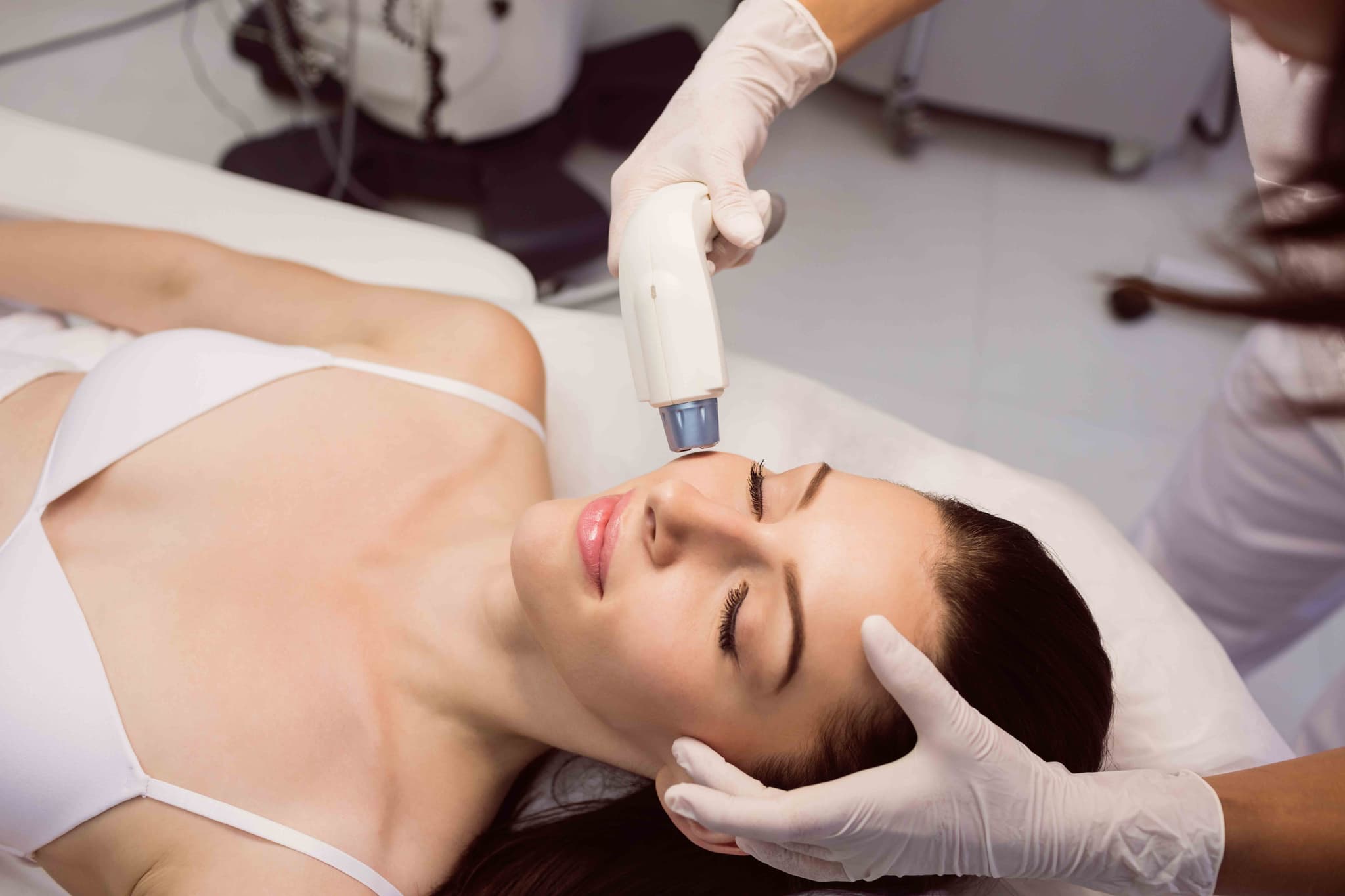
Laser Application: The technician moves the laser handpiece across the skin. The device delivers precise pulses of light to vaporize or heat the targeted layers.
Collagen Stimulation: While the surface is treated, the heat reaches the dermis to trigger the body's natural healing response.
Post-Procedure Protection: A thick layer of protective ointment and sometimes a dressing is applied to the treated area to lock in moisture.
Pre-Procedure Preparation
Medication Review: Patients may be prescribed an antiviral medication (especially if prone to cold sores) and an antibiotic to prevent infection.
Sun Avoidance: Strict sun protection is required for at least 4 weeks prior to the session to prevent complications.
Skincare Adjustment: Stopping the use of retinoids or glycolic acids 1–2 weeks before treatment to avoid over-sensitizing the skin.
Smoking Cessation: Stopping smoking at least 2 weeks before and after is critical to ensure proper blood flow for healing.
Tests and Evaluations Before Treatment
Skin Type Assessment: Using the Fitzpatrick scale to determine the safest laser settings and wavelength for your specific complexion.
Medical History Check: Screenings for history of keloid scarring, recent Accutane use, or active skin infections.
3D Skin Imaging: Many 2026 clinics use high-resolution imaging to map sun damage and wrinkle depth before starting.
Life After Laser Resurfacing (Recovery)
Days 1–5: The skin feels like a severe sunburn. Redness, swelling, and itching are universal. Oozing may occur with deeper ablative treatments.
The Peeling Phase: Around days 5–7, the old skin begins to peel away. It is vital to never pick at the skin, as this can cause permanent scarring.
Returning to Routine: Surface healing is typically complete by week 3, at which point most patients can return to work and use gentle, oil-free makeup.
Long-Term Remodeling: While initial results are seen within weeks, collagen continues to rebuild for 3–6 months, further improving skin firmness.
Benefits of Laser Skin Resurfacing
High Precision: Allows surgeons to target specific wrinkles or scars without affecting the healthy surrounding tissue.
Significant Texture Improvement: Provides a "new skin" effect that is more vibrant and smoother than topical treatments.
Long-Lasting Rejuvenation: The boost in collagen can keep the skin looking youthful for several years, provided a good skincare routine is maintained.
Versatility: Can be customized from a "lunchtime" peel with zero downtime to a deep reconstructive treatment.