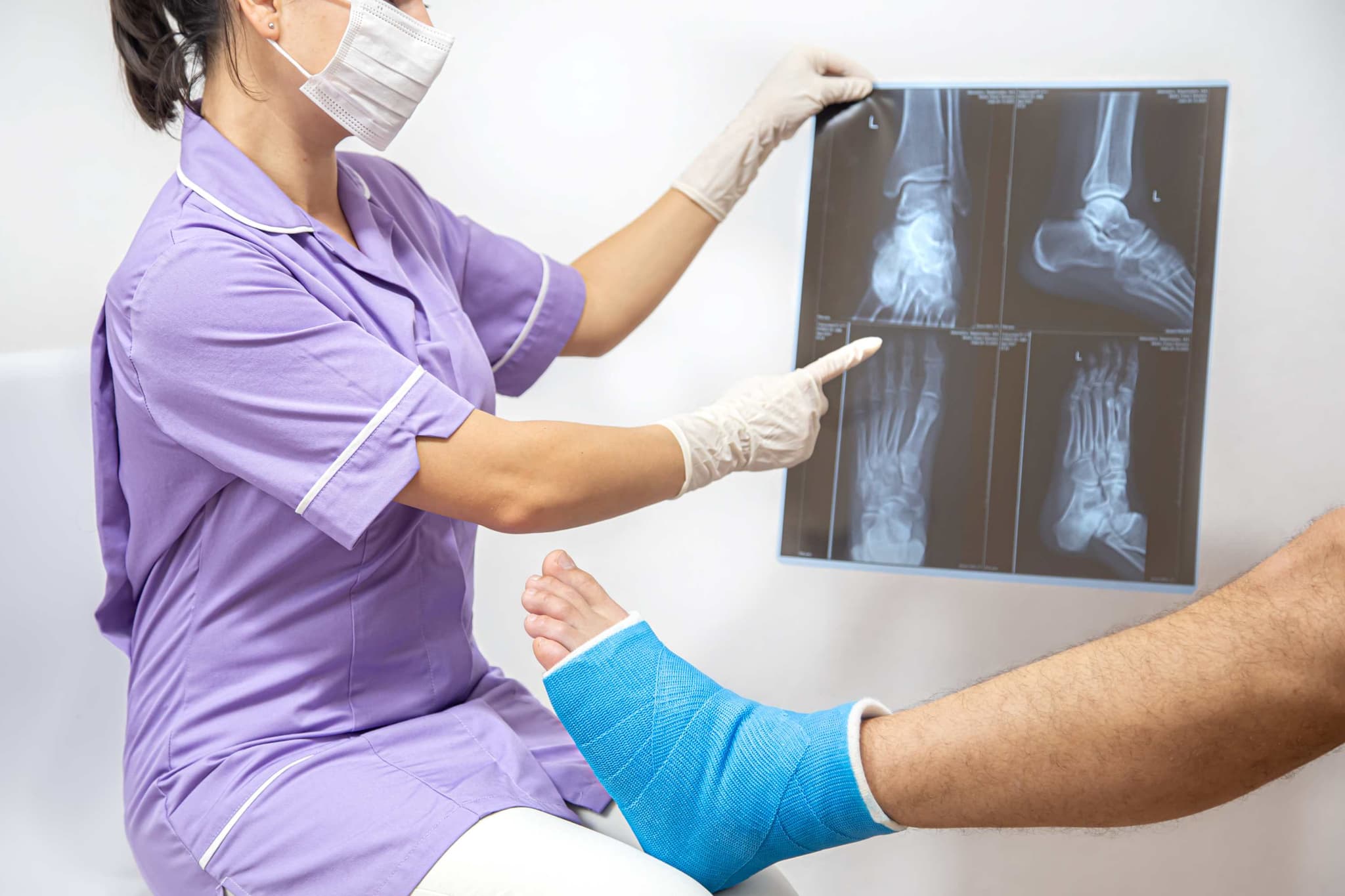
Limb Salvage Surgery
Limb Salvage Surgery
Limb salvage surgery, also known as limb-sparing surgery, is a complex procedure performed to remove a tumor—typically a bone or soft tissue sarcoma—while preserving the function and appearance of the limb. This surgery serves as a highly effective alternative to amputation and is now a viable option in over 90% of specialized cases. By utilizing custom implants and advanced surgical navigation, surgeons can precisely remove cancerous tissue while saving the vital nerves and blood vessels necessary for a functional hand or foot.
When You Should Consider Limb Salvage Surgery
Primary Bone Sarcoma: For tumors such as Osteosarcoma or Ewing Sarcoma that are contained within a single bone and haven't spread extensively.
Soft Tissue Sarcoma: When a malignant mass in the muscle or connective tissue can be removed while leaving a "safe margin" of healthy surrounding tissue.
Metastatic Bone Disease: When cancer from another organ (like the breast or kidney) spreads to a single bone, threatening to cause a fracture or severe pain.
Neurovascular Integrity: When the cancer has not encased the major nerves or blood vessels that supply the limb, allowing them to be safely separated from the tumor.
Positive Response to Chemotherapy: When "neoadjuvant" (pre-operative) chemotherapy has successfully shrunk the tumor, making a clean surgical removal more achievable.
Methods Of Limb Salvage Reconstruction
Internal Endoprosthesis: Replacing the removed bone with a custom-made metal implant. For children, "expandable" rods can be used that grow along with the patient.
Allograft Reconstruction: Using sterilized bone transplanted from a deceased donor to act as a biological scaffold for the patient's own bone to grow into.
Autograft (Vascularized Bone Transfer): Moving a piece of the patient's own healthy bone (such as the fibula) from another part of the body to fill the gap.
Soft Tissue Flap Coverage: Plastic surgeons move muscle and skin from a healthy area to cover the internal repair, ensuring a robust blood supply for healing.
Extracorporeal Irradiation: A specialized technique where the patient's own bone is removed, treated with high-dose radiation to kill cancer cells, and then re-implanted.
How Is Performed
Tumor Resection: Under general anesthesia, the surgeon removes the tumor along with a "cuff" of healthy tissue (the margin) to ensure no microscopic cancer cells are left behind.
Computer-Assisted Navigation: Surgeons use real-time tracking—similar to a GPS—to ensure the bone cuts perfectly match the pre-operative 3D plan.
Vascular and Nerve Protection: The surgical team carefully identifies and protects the major neurovascular bundle, occasionally performing bypass grafts if a vessel must be removed.
Prosthetic Fitting: The metal endoprosthesis is securely anchored into the healthy remaining bone, often using "porous" surfaces that allow the patient's bone to bond with the metal.
Reconstruction & Closure: Once the bone is replaced, the muscles are re-attached to the implant or allograft, and the skin is closed over drainage tubes to prevent fluid buildup.
Pre-Procedure Preparation
3D Imaging and Mapping: Undergoing high-resolution MRI and CT scans to create a detailed 3D model of the limb and the tumor’s exact boundaries.
Physical "Pre-hab": Strengthening the muscles around the affected area and practicing with crutches or a walker before the surgery to aid in early recovery.
Nutritional Optimization: A high-protein diet is often recommended to support the significant tissue healing and metabolic demands of the reconstruction.
Infection Screening: Ensuring there are no active dental or skin infections, as bacteria can easily settle on large internal metal implants.
Biopsy Site Review: The surgeon confirms the original biopsy location, as the entire "tract" where the needle entered must be removed to prevent local cancer recurrence.
Tests Before Limb Salvage Surgery
Whole-Body PET-CT: To confirm the cancer is localized and has not spread to the lungs or other bones, ensuring a limb-sparing approach is appropriate.
CT or MR Angiogram: To visualize the exact path of the arteries and veins around the tumor, which is critical for the resection plan.
Baseline Blood Work: Comprehensive CBC and chemistry panels to ensure the patient has recovered from any pre-operative chemotherapy cycles.
Bone Density Scan (DEXA): To check the quality of the "host bone" where the metal prosthesis or donor bone will be attached.
Cardiopulmonary Clearance: A thorough heart and lung check to ensure safety during a lengthy, multi-specialty operation that can last several hours.
Life After Limb Salvage Surgery
Hospital Stay: Patients typically stay for 5 to 10 days to manage pain, monitor the surgical site, and begin the first steps of rehabilitation.
Intensive Physical Therapy: Rehabilitation usually begins within 24–48 hours; this is the most critical part of the journey and continues for 6 to 12 months.
Weight-Bearing Restrictions: If a leg bone was replaced, you may need to use a walker or crutches for several months while the bone and implants stabilize and integrate.
Infection Awareness: Because of the large implants, patients must be vigilant for signs of infection (redness, fever) and may need antibiotics before future dental work.
Long-Term Monitoring: Regular follow-up scans are mandatory to ensure the cancer has not returned and to check for any mechanical wear of the hardware over time.
Benefits Of Limb Salvage Surgery
Preserves Natural Appearance: Maintaining the natural limb significantly improves body image and long-term emotional well-being compared to amputation.
Excellent Functional Outcomes: Modern prosthetic technology allows many patients to walk without a noticeable limp and return to daily activities and low-impact sports.
Precise Cancer Control: Advanced 3D-guided resections offer the same oncological safety and survival rates as amputation for the vast majority of patients.
Biological Integration: The use of "smart" metal surfaces and donor bone allows the body to eventually incorporate the reconstruction into its own skeletal system.
Multidisciplinary Success: Patients benefit from a combined team of orthopedic oncologists, plastic surgeons, and specialized therapists working in sync for a comprehensive recovery.
Limb Salvage Surgery Cost in India
The cost of Limb Salvage Surgery in India is generally affordable compared with many other countries, making India a popular destination for international patients seeking quality medical care. The treatment cost depends on factors such as the hospital, doctor's experience, treatment approach, medical condition, hospital stay, diagnostic tests, medicines, and any additional procedures required. For international patients, the starting cost of Limb Salvage Surgery in India is approximately 2000 USD, although the final price may vary based on individual treatment requirements. Patients are advised to obtain a personalized treatment estimate after medical evaluation.