Mastoidectomy (Chronic Infection/Cholesteatoma)
Mastoidectomy
Mastoidectomy is a specialized surgical procedure performed to remove diseased air cells from the mastoid bone—the honeycomb-like bone located directly behind the ear. It is primarily used to treat a cholesteatoma, a non-cancerous skin cyst that can erode ear structures, or to clear severe, chronic infections that have not responded to intensive antibiotic therapy.
When You Should Consider Mastoidectomy
Cholesteatoma: When a skin cyst forms in the middle ear and begins to expand into the mastoid bone, risking damage to the hearing bones or facial nerve.
Chronic Mastoiditis: If a persistent ear infection spreads into the bone, causing pain, swelling, and a risk of deeper abscesses.
Failed Antibiotic Therapy: When chronic drainage (otorrhea) continues despite multiple rounds of specialized ear drops and medications.
Complicated Ear Infections: If an infection threatens to spread toward the brain (meningitis) or the inner ear (labyrinthitis).
Aural Polyps: When chronic inflammation causes fleshy growths to form in the ear canal, often masking underlying bone disease.
How Is Performed
Anesthesia: The surgery is performed under general anesthesia and typically takes between 2 to 4 hours due to the delicate nature of the structures involved.
Incision: The surgeon makes a precise incision either behind the ear (post-auricular) or inside the ear canal to gain access to the bone.
Bone Removal: Using a high-speed surgical drill and a high-powered operating microscope, the surgeon carefully opens the mastoid bone to reach the diseased air cells.
Cleaning: All infected tissue or the cholesteatoma cyst is meticulously removed to create a "dry, safe ear" and prevent recurrence.
Surgical Variations:
Simple (Cortical) Mastoidectomy: Only the mastoid air cells are removed; the ear canal and middle ear structures remain intact.
Modified Radical Mastoidectomy: The most common approach for cholesteatoma, where some middle ear structures are preserved to allow for future hearing reconstruction.
Radical Mastoidectomy: The eardrum and most middle ear structures are removed to create a single "common cavity" for the ear canal and mastoid.
Pre-Procedure Preparation
High-Resolution CT Scan: A vital "roadmap" used by the surgeon to visualize the exact anatomy of your mastoid bone and the location of the facial nerve.
Audiometry (Hearing Test): Establishing a detailed baseline of your current hearing levels to plan for potential reconstruction.
Infection Management: Using specialized ear drops in the weeks leading up to surgery to reduce inflammation and "quiet" the ear.
Fasting: Following strict "nothing by mouth" instructions for the hours preceding general anesthesia.
Transportation: Arranging for a ride home and a caregiver for the first 24 hours, as dizziness is common immediately following the procedure.
Tests Before Mastoidectomy
Ear Swab/Culture: To identify the specific bacteria causing the infection and ensure the most effective antibiotics are used.
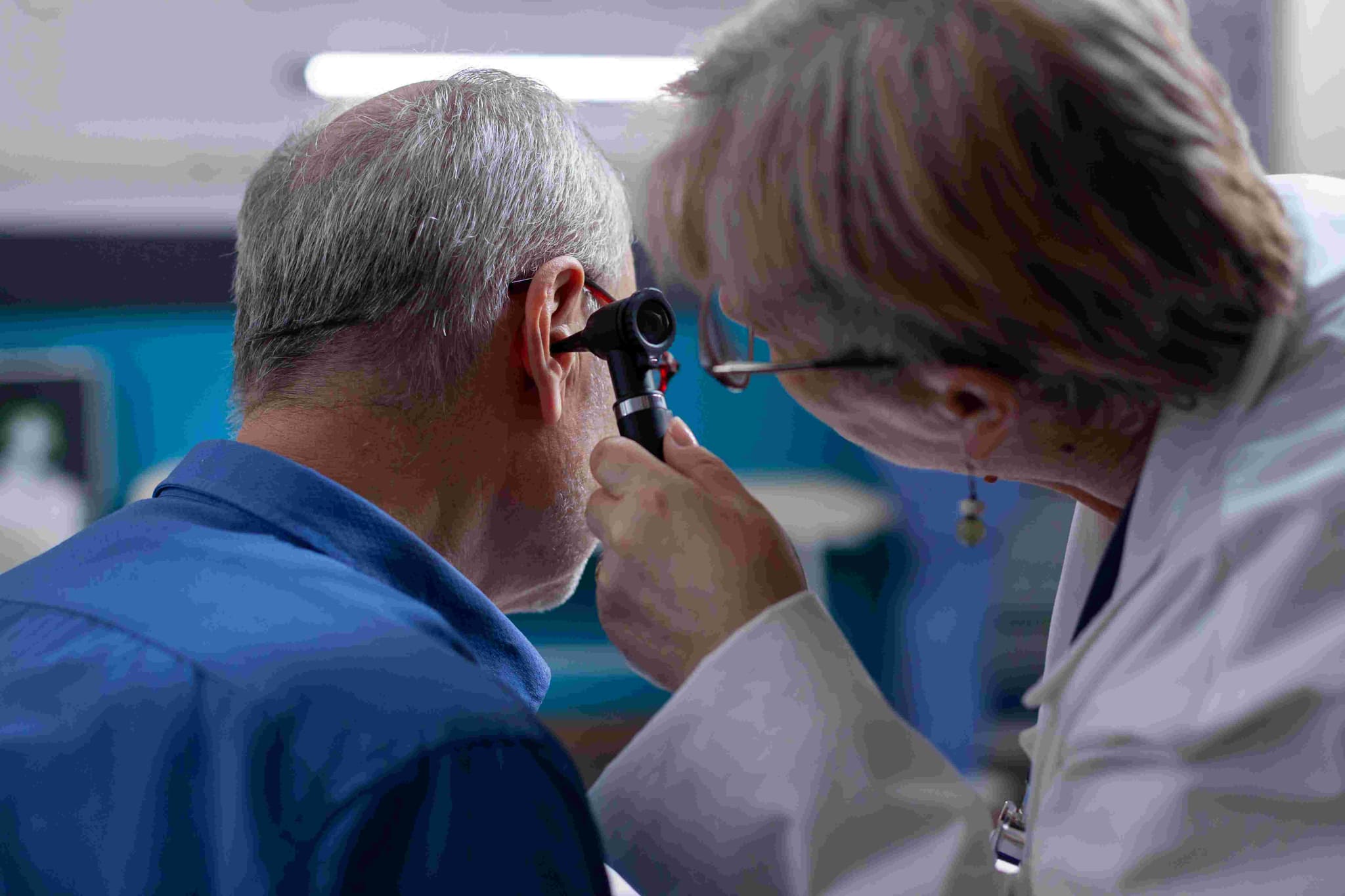
Microscopic Ear Exam: A thorough cleaning and inspection of the ear canal by the specialist to assess the extent of the disease.
Tympanometry: Measuring the pressure in the middle ear and the mobility of the eardrum.
Neurological Screening: Checking the function of the facial nerve and balance system before the bone is opened.
Life After Mastoidectomy
Hospital Stay: Most patients go home the same day or remain for one night of observation. A large "head bandage" is often worn for the first 24 hours.
Immediate Symptoms: It is normal to feel dizzy, have a "stuffy" sensation, or hear popping and crackling sounds as internal packing dissolves.
Water Protection: The ear must be kept completely dry for 4 to 6 weeks. Use a cotton ball with petroleum jelly during showers to prevent any moisture entry.
Pressure Restrictions: Avoid blowing your nose, heavy lifting, or flying for at least 3 to 4 weeks to prevent internal pressure from damaging the healing area.
Wound Care: External stitches are usually removed after 7 to 10 days. Follow-up appointments are critical to clean the "mastoid cavity" and monitor for regrowth.
Why Specialized Treatment Is Highly Effective
Prevents Life-Threatening Complications: By removing deep-seated disease, the procedure stops infections from spreading to the brain or spinal fluid.
Eliminates Chronic Drainage: Successfully clearing the mastoid air cells finally ends the cycle of foul-smelling ear discharge and pain.
Safety-First Approach: Modern microsurgical techniques allow for the meticulous removal of cysts while protecting the delicate facial nerve and inner ear.
Hearing Potential: While the primary goal is safety, a "safe ear" provides the necessary foundation for future hearing bone reconstruction (ossiculoplasty).
Long-Term Stability: For many patients with chronic disease, a mastoidectomy is the only way to achieve a permanently dry and healthy ear.
Mastoidectomy (Chronic Infection/Cholesteatoma) Cost in India
The cost of Mastoidectomy (Chronic Infection/Cholesteatoma) in India is generally affordable compared with many other countries, making India a popular destination for international patients seeking quality medical care. The treatment cost depends on factors such as the hospital, doctor's experience, treatment approach, medical condition, hospital stay, diagnostic tests, medicines, and any additional procedures required. For international patients, the starting cost of Mastoidectomy (Chronic Infection/Cholesteatoma) in India is approximately 800 USD, although the final price may vary based on individual treatment requirements. Patients are advised to obtain a personalized treatment estimate after medical evaluation.