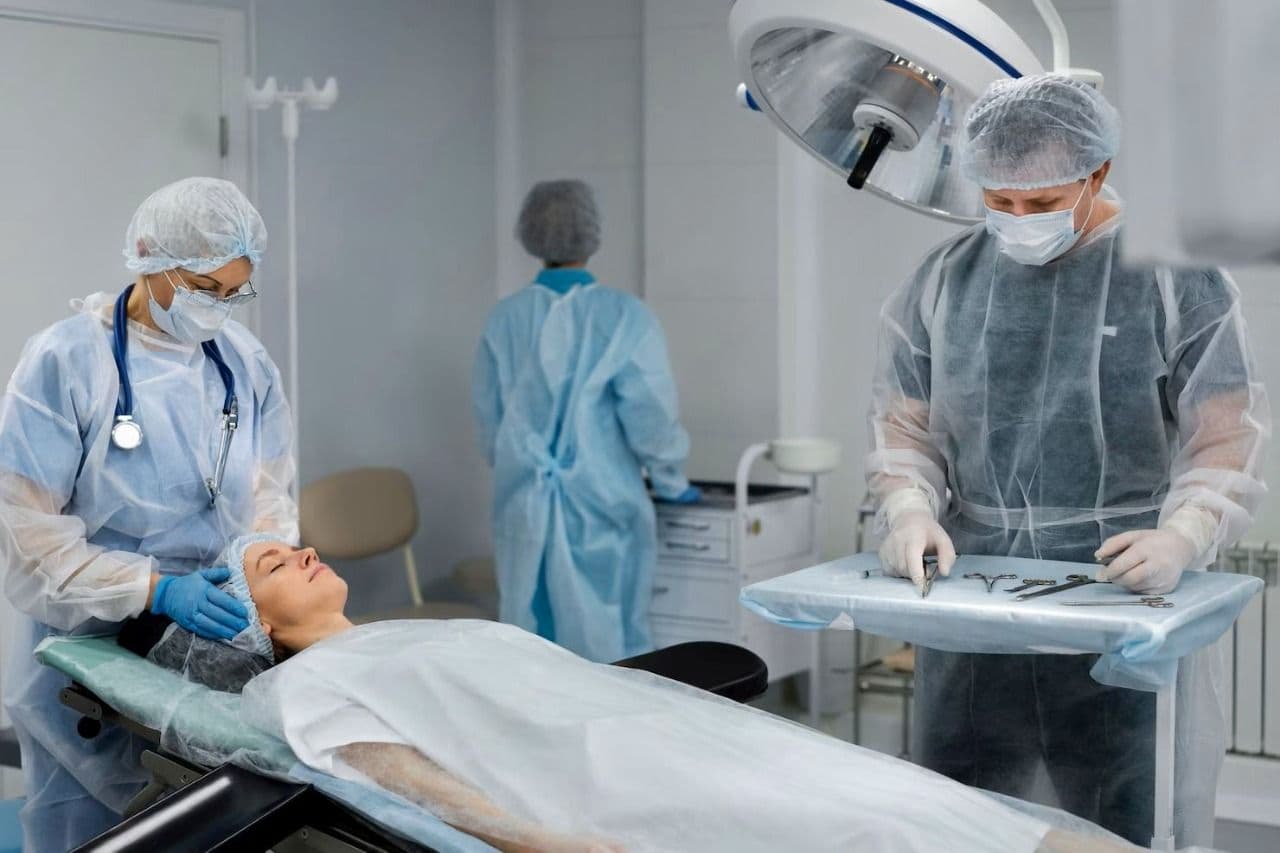
Mechanical Ventilation
Mechanical Ventilation
Mechanical ventilation is a critical life-support treatment that utilizes a sophisticated machine—a ventilator—to assist or entirely take over the physiological process of breathing. This intervention is essential when a patient’s respiratory system can no longer maintain adequate oxygen levels or effectively clear carbon dioxide. In 2026, mechanical ventilation is managed through high-precision technology designed to mimic natural lung function while protecting delicate lung tissue from injury.
Why the Procedure is Performed
Acute Respiratory Failure: Treating severe lung conditions such as pneumonia, ARDS (Acute Respiratory Distress Syndrome), or acute COPD exacerbations.
Airway Protection: Ensuring a clear path for oxygen in patients who are unconscious due to stroke, head trauma, or drug overdose.
Surgical Support: Maintaining respiration during procedures requiring general anesthesia, which suppresses the natural drive to breathe.
Metabolic Stabilization: Reducing the intense physical "work" of breathing in patients with severe shock, allowing the body to divert energy and blood flow to the heart and brain.
Post-Cardiac Arrest Care: Supporting the lungs and brain during the critical recovery period following a heart attack or cardiac arrest.
The Procedure (2026 Standards)
Preparation: Patients are often sedated and given muscle relaxants to ensure they do not "fight" the machine, allowing for synchronized breathing.
Invasive Initiation (Intubation): A flexible plastic tube is inserted through the mouth or nose and into the trachea (windpipe) using a video laryngoscope for perfect placement.
Non-Invasive Initiation (NIV): For less severe cases, a high-seal mask or specialized helmet (CPAP/BiPAP) is used to deliver pressurized air without intubation.
Real-time Monitoring: Modern ventilators utilize sensors to measure "lung compliance" and "airway resistance" every millisecond, adjusting the flow of air automatically.
Humidification: Because the machine bypasses the nose, the air is artificially warmed and humidified to protect the sensitive lining of the lungs.
Long-term Access: If ventilation is required for more than 10–14 days, a surgical "tracheostomy" (a small opening in the neck) is performed for better comfort and easier weaning.
Innovations in Respiratory Support
Neurally Adjusted Ventilatory Assist (NAVA)Technology that uses sensors in the esophagus to detect electrical signals from the brain to the diaphragm, allowing the machine to breathe in perfect harmony with the patient.
Automated Weaning ProtocolsAI-driven software that continuously tests the patient’s strength and automatically reduces support as the patient recovers, shortening ICU stays.
Protective "Lung-Friendly" VentilationAlgorithms that strictly limit the pressure (Barotrauma prevention) and volume (Volutrauma prevention) of air to avoid physical stretching of lung tissue.
Extracorporeal Membrane Oxygenation (ECMO) IntegrationIn 2026, ventilators often sync with "lung bypass" machines to provide total rest for the lungs in cases of catastrophic respiratory failure.
Closed-Loop Oxygen ControlSystems that monitor the patient's blood oxygen saturation (SpO2) and automatically adjust the oxygen percentage (FiO2) to avoid oxygen toxicity.
Digital Twin ModelingCreating a virtual model of the patient’s lungs to simulate different settings before applying them to the actual ventilator, ensuring maximum safety.
Risks and Recovery
Ventilator-Associated Pneumonia (VAP): A risk of infection due to the bypass of natural airway defenses; managed with strict "VAP bundles" and sterile cleaning protocols.
Diaphragm Weakening: Known as "disuse atrophy," where the breathing muscles weaken; 2026 protocols use "assisted" modes to keep the diaphragm active.
Hemodynamic Impact: Positive pressure in the chest can occasionally lower blood pressure; clinicians monitor heart function closely during treatment.
The Weaning Process: Recovery involves "Spontaneous Breathing Trials" (SBTs) where the machine’s help is gradually turned down to ensure the patient is ready to breathe alone.
Extubation: The process of removing the breathing tube once the patient has passed all safety checks.
Why This Treatment Is Highly Effective
Buys Critical Time: It maintains life and organ function while antibiotics or other treatments address the underlying cause of illness.
Prevents Multi-Organ Failure: By ensuring the blood is rich in oxygen, it protects the kidneys, liver, and brain from permanent damage.
Precision Control: Allows doctors to control the exact concentration of oxygen and the "resting pressure" (PEEP) in the lungs to keep them from collapsing.
Immediate Stabilization: Provides a near-instant correction of life-threatening carbon dioxide levels (acidosis).
Life After Mechanical Ventilation
A gradual return to normal breathing, supported by respiratory therapists and physical rehabilitation to rebuild muscle strength.
Ongoing monitoring of lung function to ensure the respiratory system has fully recovered from the primary illness.
Specialized "Post-ICU" follow-up care to address any temporary cognitive or physical fatigue often seen after long-term sedation.
The security of knowing that 2026 ventilation technology is designed for the fastest possible transition back to natural breathing.