Meniscus Repair
Meniscus Repair
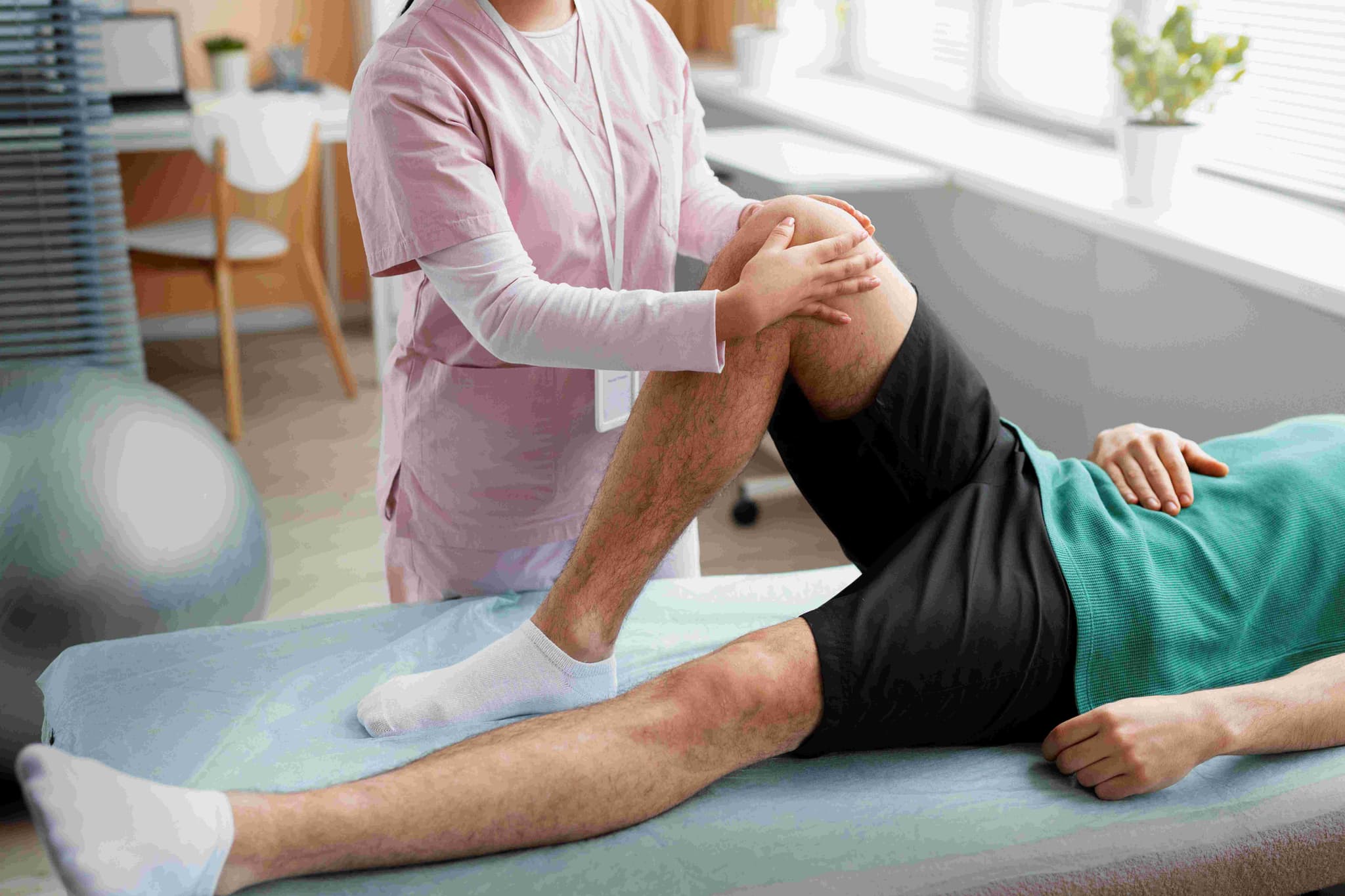
Meniscus Repair is a minimally invasive surgical procedure used to stitch together a torn meniscus—the crescent-shaped cartilage that acts as a shock absorber in the knee. Unlike a meniscectomy, which trims the tear away, a repair aims to preserve the natural tissue to prevent long-term joint wear and premature arthritis.
When You Should Consider Meniscus Repair
Presence of a "red zone" tear located in the outer 25% of the meniscus, where blood supply is rich enough for healing.
Mechanical symptoms like knee locking, catching, or a painful clicking sensation.
Younger age or an active lifestyle where preserving the joint's natural shock absorbers is critical.
Tears occurring alongside an ACL injury, as repairing both simultaneously often improves healing outcomes.
Persistent joint line tenderness that has not improved with rest or physical therapy.
Methods of Meniscus Repair
All-Inside Repair: Performed entirely within the knee joint using tiny anchors and sutures, typically for tears in the back of the meniscus.
Inside-Out Repair: The gold standard for large tears, involving flexible needles that pass sutures from the inside of the knee to be tied on the outside.
Outside-In Repair: Sutures are passed from the outside skin through the meniscus to fix tears located in the front (anterior horn).
Meniscal Root Repair: Re-anchoring the meniscus to the shinbone using small bone tunnels when it has detached from its primary attachment point.
Fibrin Clot or Stem Cell Augmentation: Specialized biological techniques sometimes used to enhance the healing environment of the repair.
How Meniscus Repair Is Performed
Diagnostic Mapping: The surgeon uses an arthroscope to grade the severity and location of the tear.
Tissue Debridement: The frayed edges of the tear are "sanded" or smoothed to stimulate fresh blood flow to the area.
Suture Placement: Using specialized needles or anchors, the surgeon precisely stitches the torn edges of the cartilage back together.
Knot Security: The sutures are tied securely to ensure the meniscus remains stable under the natural pressure of the joint.
Final Inspection: The surgeon checks the tension of the repair throughout a range of motion before draining the saline and closing the portals.
Pre-Procedure Preparation
Fasting (NPO) for at least 12 hours prior to the surgery.
Smoking cessation at least 6 weeks before the procedure to ensure adequate blood oxygenation for tissue healing.
Confirmation of the tear's grade and location via a specialized knee MRI.
Pre-operative coordination for crutches and a hinged knee brace to be used immediately following the surgery.
Tests Before Meniscus Repair
Knee MRI: The primary diagnostic tool used to determine if a tear is in the "red zone" (repairable) or "white zone" (non-repairable).
McMurray Test: A physical exam maneuver where the surgeon rotates the knee to identify the specific location of the tear.
Joint Line Palpation: Checking for pinpoint tenderness along the space where the femur and tibia meet.
Standard Blood Panels: To confirm the patient is a healthy candidate for general or regional anesthesia.
Life After Meniscus Repair
Recovery is slower than a simple trimming because the tissue must physically grow back together.
Patients are typically non-weight-bearing on crutches for 4 to 6 weeks to protect the delicate stitches.
A hinged knee brace, often locked in a straight position, is worn for approximately 6 weeks.
Bending the knee is usually restricted to 90 degrees for the first month to avoid putting shear force on the repair.
Full return to high-impact sports like basketball or soccer generally takes 6 to 9 months of rehabilitation.
Benefits of Meniscus Repair
Preserves the knee's natural shock-absorbing capacity, significantly reducing the risk of early-onset arthritis.
Maintains the long-term structural stability of the knee joint.
Offers a high success rate (85–90%), particularly when the repair is performed alongside an ACL reconstruction.
Provides a superior long-term outcome for younger patients compared to removing the damaged cartilage.
Meniscus Repair Cost in India
The cost of Meniscus Repair in India is generally affordable compared with many other countries, making India a popular destination for international patients seeking quality medical care. The treatment cost depends on factors such as the hospital, doctor's experience, treatment approach, medical condition, hospital stay, diagnostic tests, medicines, and any additional procedures required. For international patients, the starting cost of Meniscus Repair in India is approximately 1000 USD, although the final price may vary based on individual treatment requirements. Patients are advised to obtain a personalized treatment estimate after medical evaluation.