Microdiscectomy Surgery
Microdiscectomy
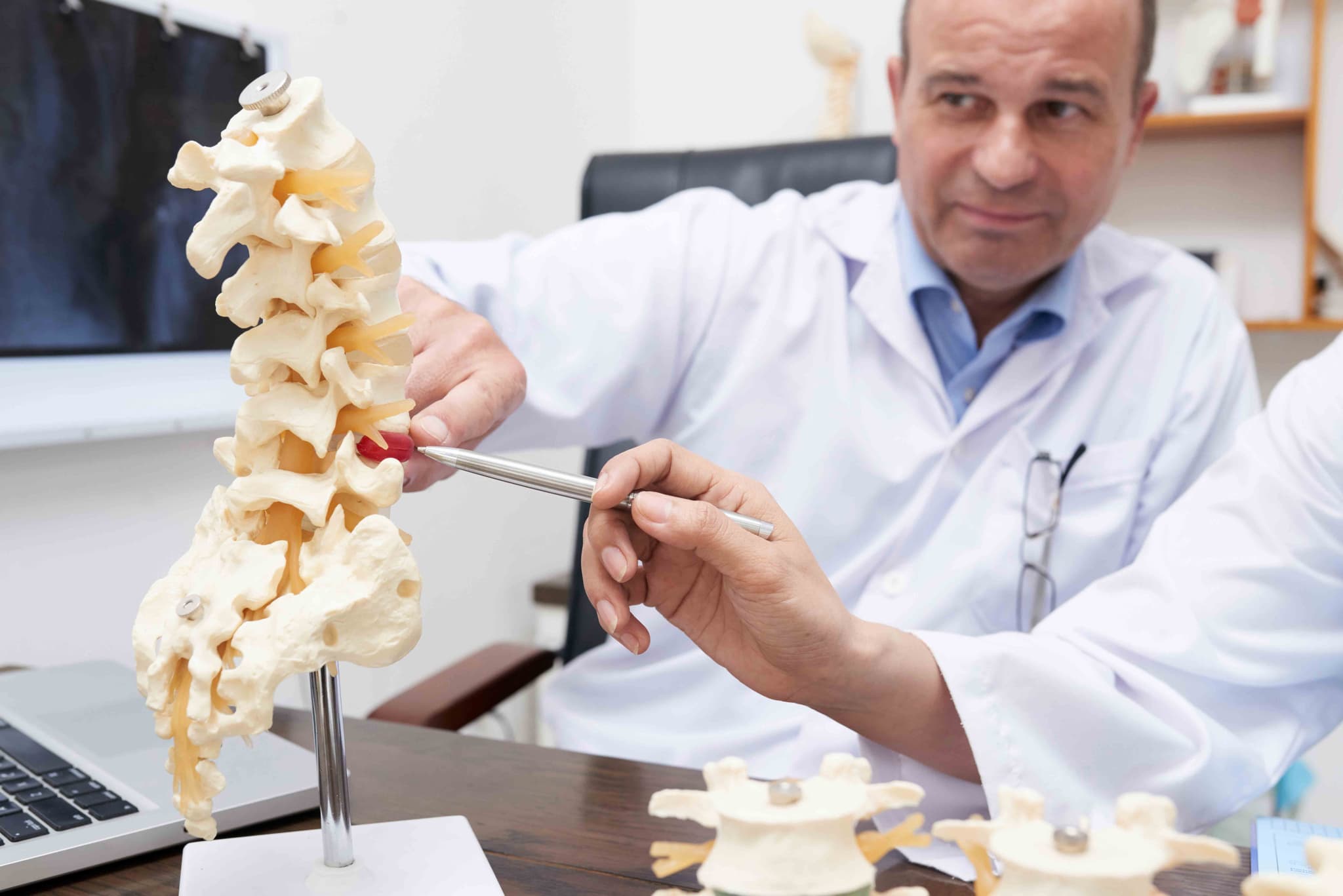
In 2026, a Microdiscectomy (also called microdecompression) is the gold-standard surgical procedure for treating a herniated lumbar disc that is pressing on a spinal nerve. Unlike a traditional discectomy, this version uses high-powered magnification—either a microscope or an endoscope—to allow the surgeon to work through a very small incision.
When You Should Consider Microdiscectomy
Sciatica: Sharp, "electric" radiating leg pain caused by nerve root compression.
Herniated Lumbar Disc: When the inner "jelly-like" material of a disc leaks out and pinches a spinal nerve.
Neurological Deficits: Numbness, tingling, or weakness in the legs or feet.
Failure of Conservative Treatment: When physical therapy, epidural injections, and medications fail to provide relief after 6–12 weeks.
Severe Nerve Impingement: Evidence of significant pressure on the nerve root as confirmed by advanced imaging.
Methods of Disc Decompression
Micro-Decompression: Using high-powered microscopes to visualize and treat the spine through a 1–2 cm incision.
Endoscopic Discectomy: A ultra-minimally invasive approach using a camera-equipped tube to reach the herniated fragment.
Muscle Preservation: Utilizing tubular dilators to stretch back muscles apart rather than cutting them away from the bone.
Disc Annular Repair: Using specialized biological glues or closure devices to "plug" the hole in the outer disc rim.
Laminotomy: The removal of a tiny piece of the overlying bone to safely reach the spinal canal and nerve root.
How Microdiscectomy Is Performed
Anesthesia: The procedure is performed under general anesthesia to ensure the patient remains perfectly still and comfortable.
Precision Access: A 1 to 2-centimeter incision is made directly over the affected disc level.
Nerve Retraction: The surgeon carefully moves the nerve root aside to access the disc space.
Fragment Removal: Only the "damaged" protruding part of the disc is removed, leaving the healthy portion to provide cushioning.
Annular Closure: Modern 2026 techniques may include sealing the disc wall to significantly reduce the risk of re-herniation.
Pre-Procedure Preparation
Fasting: Patients must follow strict fasting protocols for 8–12 hours prior to surgery.
Imaging Review: A final review of high-resolution MRI scans to confirm the exact location of the herniation.
Medical Clearance: Blood tests and an ECG are conducted to ensure the patient is a safe candidate for anesthesia.
Medication Adjustment: Pausing anti-inflammatory or blood-thinning medications as directed by the surgical team.
Recovery Support: Arranging for a support person to drive the patient home after the same-day procedure.
Tests Before Microdiscectomy
Lumbar MRI: The definitive imaging tool to visualize the disc herniation and nerve compression.
CT Scan: Occasionally used to assess the bone structure surrounding the herniated disc.
Electromyography (EMG): To measure the electrical activity of muscles and the extent of nerve damage.
ECG: To monitor the heart's electrical rhythm as part of the standard pre-surgical screening.
Physical Examination: Assessing muscle strength, reflexes, and sensation in the lower extremities.
Life After Microdiscectomy
Hospital Stay: Almost always an outpatient procedure in 2026, with most patients returning home within 3–5 hours.
Immediate Relief: Radiating leg pain often disappears immediately upon waking from surgery.
The "No BLT" Rule: For six weeks, patients must strictly avoid Bending, Lifting (over 2kg), or Twisting.
Activity Resumption: Light walking is encouraged immediately; sedentary work can typically be resumed in 1–2 weeks.
Long-term Care: Post-operative physical therapy often focuses on core strengthening to protect the spine.
Benefits of Microdiscectomy
High Success Rate: Offers a 90% to 95% success rate for the immediate relief of radiating leg pain.
Minimally Invasive: The tiny 1–2 cm incision results in minimal scarring and reduced surgical trauma.
Rapid Recovery: Outpatient nature allows patients to recover in the comfort of their own homes.
Nerve Protection: Prevents further decline and permanent damage to the compressed nerve roots.
Innovative Sealing: 2026 annular repair technologies significantly lower the risk of future re-herniation.
Microdiscectomy Surgery Cost in India
The cost of Microdiscectomy Surgery in India is generally affordable compared with many other countries, making India a popular destination for international patients seeking quality medical care. The treatment cost depends on factors such as the hospital, doctor's experience, treatment approach, medical condition, hospital stay, diagnostic tests, medicines, and any additional procedures required. For international patients, the starting cost of Microdiscectomy Surgery in India is approximately 1000 USD, although the final price may vary based on individual treatment requirements. Patients are advised to obtain a personalized treatment estimate after medical evaluation.