Neoadjuvant Chemotherapy (Before Surgery)
Neoadjuvant Chemotherapy
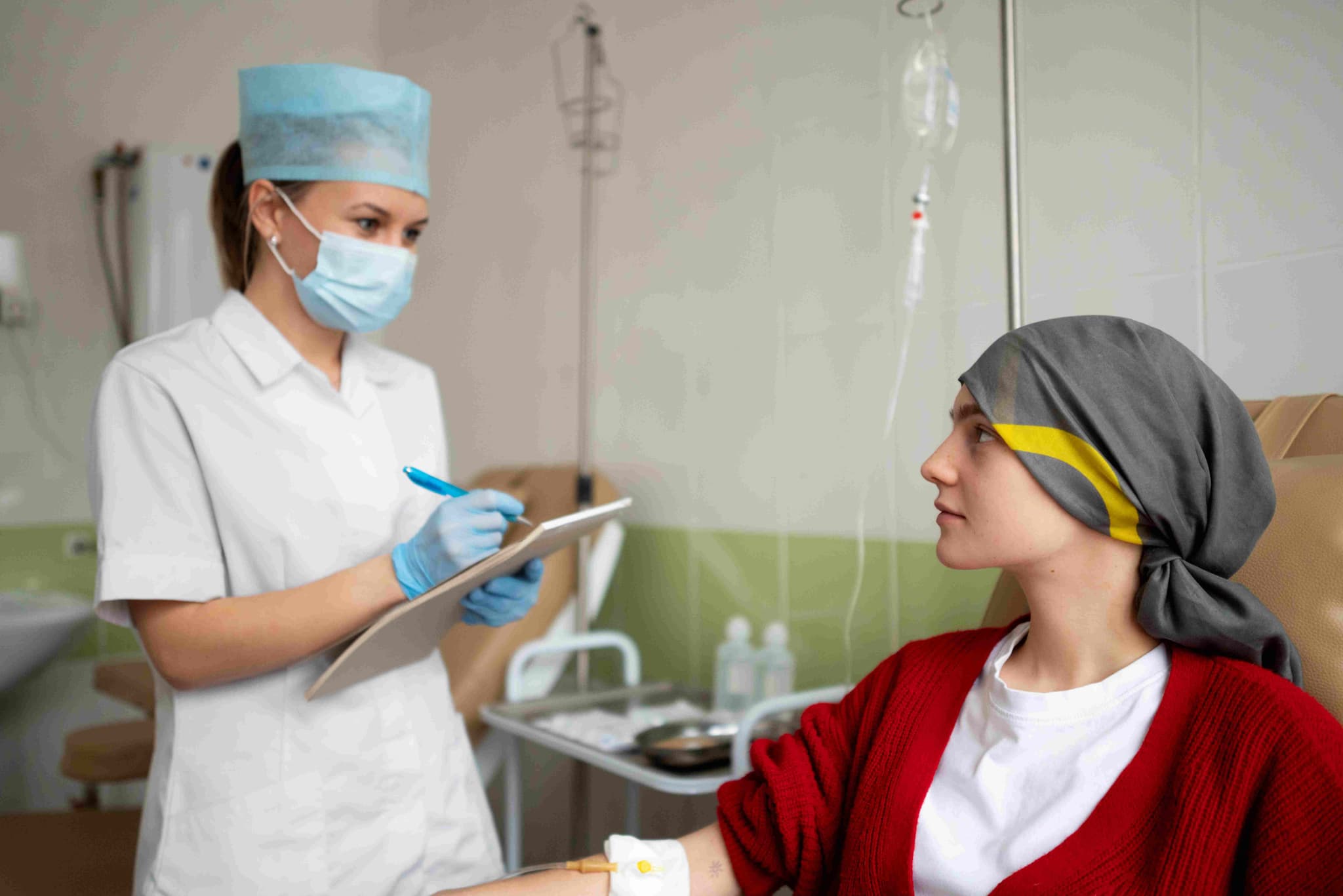
Neoadjuvant Chemotherapy is the administration of anti-cancer drugs before a primary treatment, such as surgery or radiation. While adjuvant therapy "cleans up" after surgery, neoadjuvant therapy is a proactive strike designed to shrink the tumor and make local treatment more successful. This approach is the standard of care for many "locally advanced" cancers, allowing doctors to witness exactly how a tumor responds to specific drugs in real-time.
When You Should Consider Neoadjuvant Chemotherapy
Tumor Downstaging: When a tumor is currently too large or too close to vital structures (like blood vessels) to be safely removed.
Organ Preservation: If shrinking the tumor could allow for a less invasive surgery, such as a breast-conserving lumpectomy instead of a full mastectomy.
Locally Advanced Disease: When the cancer has spread to nearby lymph nodes but has not yet metastasized to distant organs.
Molecular High-Risk: For specific subtypes like Triple-Negative or HER2-positive breast cancer, where early systemic treatment is critical.
In-Vivo Testing: When your oncology team wants to "test" if a specific chemo regimen is effective against your unique cancer before proceeding to surgery.
Primary Goals and Rationale
Early Systemic Control: By starting chemo immediately, you target microscopic cells that may have already entered the bloodstream, rather than waiting for surgical recovery.
Easier Surgery: A smaller, "downstaged" tumor often has better defined edges, allowing the surgeon to achieve "clear margins" more easily.
Pathologic Complete Response (pCR): The ultimate goal is to have the pathologist find zero active cancer cells in the tissue removed during surgery—a strong indicator of long-term survival.
Real-Time Assessment: If a tumor does not shrink during the first few cycles, doctors can pivot to a different treatment or move to surgery sooner, avoiding ineffective toxicity.
Lymph Node Clearance: Neoadjuvant therapy can often "clear" involved lymph nodes, which may reduce the need for extensive (and potentially side-effect-heavy) lymph node removal.
[Image showing a "Pathologic Complete Response" (pCR) where no cancer cells are visible under a microscope after treatment]
How Neoadjuvant Chemotherapy Is Administered
Treatment Timeline: Typically lasts 2 to 4 months (4 to 8 cycles) before the scheduled surgery.
Re-Staging Scans: After every 2 cycles, you will undergo an MRI, CT, or PET scan to physically measure how much the tumor has shrunk.
The "Surgery Window": Operation is usually scheduled 3 to 6 weeks after the final dose to allow your immune system and blood counts to fully recover for safe healing.
Access Points: Usually delivered via a chemo-port or PICC line to ensure the drugs reach the tumor at maximum concentration.
Combined Protocols: Often paired with targeted "biological" therapies that tag the cancer cells for destruction.
Pre-Procedure Preparation
Precise Staging: You must have a baseline high-definition scan (like an MRI or PET-CT) and a biopsy to confirm the tumor's "molecular profile."
Tumor Marking: A tiny metal clip or "marker" is often placed inside the tumor via a needle; if the chemo works perfectly and the tumor disappears on scans, the surgeon still needs to know where to operate.
Heart and Organ Checks: Baseline echocardiograms and blood tests are vital to ensure your body can handle the chemo and the upcoming surgery.
Financial and Support Planning: Since surgery will follow shortly after chemo, ensure your leave-of-absence and home-care plans cover both phases of treatment.
Nutritional Support: Building up physical strength before the "double hit" of chemo and surgery is essential for a smooth recovery.
Tests During Neoadjuvant Chemotherapy
Physical Exams: Your doctor will manually feel the tumor (if accessible) to check for softening or shrinking.
Mid-Treatment Imaging: To confirm the tumor is responding; if it is growing (a 5% risk), the treatment plan will be changed immediately.
CBC (Complete Blood Count): Weekly checks to monitor for neutropenia, ensuring you don't develop an infection that could delay your surgery.
Molecular Tracking (2026 Standard): Liquid biopsies may be used to track the decline of tumor DNA in your blood as the mass shrinks.
Pathology Review: After surgery, the removed tissue is extensively studied to see how much of the original tumor was killed by the chemo.
Life During Neoadjuvant Chemotherapy
The "Waiting Game": It can be psychologically challenging to "wait" for surgery while undergoing chemo. Trust in the scans showing the tumor is shrinking.
Surgical Readiness: Stay as active as possible. "Pre-habilitation" (exercise before surgery) is proven to reduce complications and speed up hospital discharge.
Skin & Tissue Health: Avoid tanning or irritating the skin near the tumor site, as healthy skin is vital for the surgeon's incisions later.
Wound Healing Concerns: Some neoadjuvant drugs (like Bevacizumab) must be stopped weeks before surgery to ensure your incisions will close properly.
Communication: Keep a direct line to your surgical team; they need to know about any chemo side effects that might affect your fitness for anesthesia.
Benefits of Neoadjuvant Chemotherapy
Better Cosmetic Results: Smaller tumors allow for smaller incisions and less tissue removal, which is particularly important in breast and head/neck cancers.
Proven Survival Benefit: For many aggressive cancers, starting with chemo provides better long-term outcomes than starting with surgery.
Reduces Surgical Risk: Shrinking a tumor away from major nerves or vessels makes the eventual operation significantly safer.
Eliminates Micrometastases: Provides the earliest possible treatment for any cancer cells that have traveled elsewhere in the body.
2026 Innovation: Modern "antibody-drug conjugates" used in the neoadjuvant setting are achieving pCR rates higher than ever before.
Neoadjuvant Chemotherapy (Before Surgery) Cost in India
The cost of Neoadjuvant Chemotherapy (Before Surgery) in India is generally affordable compared with many other countries, making India a popular destination for international patients seeking quality medical care. The treatment cost depends on factors such as the hospital, doctor's experience, treatment approach, medical condition, hospital stay, diagnostic tests, medicines, and any additional procedures required. For international patients, the starting cost of Neoadjuvant Chemotherapy (Before Surgery) in India is approximately 800 USD, although the final price may vary based on individual treatment requirements. Patients are advised to obtain a personalized treatment estimate after medical evaluation.