Ovarian Cancer Debulking Surgery
Ovarian Cancer Debulking Surgery
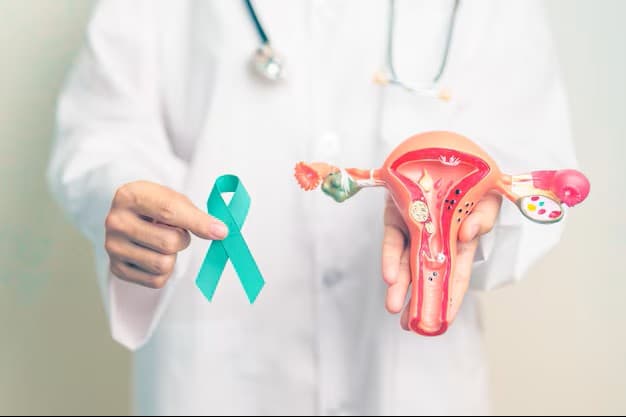
Ovarian cancer debulking surgery (also called cytoreductive surgery) is a high-stakes procedure where the surgeon aims to remove as much of the visible tumor as possible from the abdomen. Because ovarian cancer tends to spread across the surfaces of abdominal organs rather than forming a single mass, this surgery often involves several procedures performed during a single operation. The goal remains "Optimal Debulking" to ensure that any subsequent chemotherapy is as effective as possible.
When You Should Consider Debulking Surgery
Advanced Ovarian Cancer: For patients with Stage III or IV disease where the cancer has spread beyond the pelvis into the abdominal cavity.
Fallopian Tube or Peritoneal Cancer: Since these cancers behave similarly to ovarian cancer, they require the same aggressive surgical approach.
Good Performance Status: When a patient is physically strong enough to undergo a lengthy abdominal operation (often 4–6 hours).
Chemo-Responsive Disease: When tumors have shrunk significantly after initial chemotherapy, making a "Complete Resection" more likely.
Recurrent Ovarian Cancer: Occasionally performed for a second time (secondary debulking) if the cancer returns in a localized area after a long period of remission.
The Main Goal: "Optimal Debulking"
The success of the surgery is measured by the size of the largest remaining tumor at the end of the procedure:
Complete Resection (R0): The ideal outcome where no visible cancer remains. This is associated with the best long-term survival rates.
Optimal Debulking: Achieved when no single remaining tumor is larger than 1 centimeter (roughly the size of a pea).
Sub-optimal Debulking: When tumors larger than 1 cm remain; while still helpful, the benefit is less than that of an optimal result.
Why it matters: Chemotherapy penetrates smaller nodules much more effectively, allowing the drugs to "clean up" microscopic cells rather than struggling to reach the center of large, solid masses.
Timing of the Surgery
Primary Debulking Surgery (PDS): Surgery is the very first treatment, followed by chemotherapy. This is preferred if the surgeon believes all visible cancer can be safely removed immediately.
Interval Debulking Surgery (IDS): The patient receives 3 to 4 cycles of chemotherapy first (neoadjuvant chemotherapy) to shrink the tumors and reduce abdominal fluid (ascites), making the eventual surgery safer and more effective.
Secondary Debulking: Performed if the cancer returns after a patient has been in remission for at least 6–12 months.
What is Removed?
Reproductive Organs: Both ovaries, fallopian tubes, and the uterus (Total Abdominal Hysterectomy and Bilateral Salpingo-Oophorectomy).
The Omentum: A fatty "apron" that hangs over the intestines; this is a common site for spread and is almost always removed (omentectomy).
Peritoneal Stripping: Removing the thin lining of the abdominal wall or diaphragm if tumor "seeds" are found on the surface.
Bowel Resection: If the cancer is firmly attached to the colon or small intestine, a section of the bowel may be removed and reconnected.
Other Organs: In extensive cases, the spleen, gallbladder, or small portions of the liver surface may be removed to achieve an R0 resection.
Lymph Nodes: Systematic removal of pelvic and para-aortic lymph nodes to accurately stage the disease.
How Is Performed
Anesthesia: Performed under general anesthesia, typically with an epidural catheter for continuous pain management during the first few days of recovery.
Midline Incision: Most debulking is done through a large vertical incision to allow the surgeon to see and reach all areas from the pelvis up to the diaphragm.
Systematic Exploration: The surgeon checks all abdominal quadrants, including the liver, spleen, and the underside of the diaphragm, for any sign of tumor deposits.
HIPEC (Heated Chemotherapy): In specialized centers, heated chemotherapy is circulated inside the open abdomen for 60–90 minutes after the tumors are removed to kill microscopic cells.
Fluid Management: Large amounts of fluid (ascites) are drained, and the abdominal cavity is thoroughly washed with sterile saline (peritoneal lavage).
Pre-Procedure Preparation
Nutritional Assessment: Many patients require specialized high-protein drinks for 5–7 days before surgery to help the body heal from a major abdominal operation.
ERAS Protocols: Following "Enhanced Recovery" steps, including carbohydrate loading 2 hours before surgery and avoiding long periods of fasting.
Bowel Prep: You may be asked to take a laxative solution the day before to clear the intestines, especially if a bowel resection is anticipated.
VTE Prophylaxis: Starting blood-thinning injections or wearing compression stockings early to prevent clots during the long surgery.
Physical Pre-hab: Engaging in light walking or breathing exercises to ensure the lungs are clear and the body is ready for the stress of surgery.
Tests Before Debulking Surgery
CT Scan (Abdomen and Pelvis): To map out the "Fagotti Score," which helps surgeons predict if an optimal debulking is feasible.
CA-125 Blood Test: To establish a baseline level; a drop in this marker after surgery is a key indicator of success.
Chest CT or X-ray: To ensure the cancer has not spread into the chest cavity (pleural effusion).
Organ Function Panels: To ensure the body can process the anesthesia and the chemotherapy that follows.
Cardiopulmonary Clearance: A stress test or Echocardiogram to ensure the heart can handle a lengthy, complex procedure.
Life After Debulking Surgery (Recovery & Risks)
Hospital Stay: Typically 3 to 7 days. You will be encouraged to sit up and walk within 24 hours to prevent pneumonia and blood clots.
Bowel Function: It may take several days for your bowels to "wake up" (peristalsis). You will start with clear liquids and slowly progress to soft foods.
Surgical Menopause: If you were pre-menopausal, removing the ovaries will trigger immediate menopause symptoms like hot flashes and night sweats.
Fatigue: This is a major surgery; expect to feel significantly tired for 6 to 8 weeks, though some take up to 3 months to feel fully "normal."
Major Risks: These include infection, blood clots (DVT), or injury to the bladder or ureters. If a bowel resection was performed, there is a small risk of a leak at the connection site.
Why Specialized Treatment Is Highly Effective
Impact on Survival: Patients who achieve "Optimal Debulking" live significantly longer than those with larger remaining tumors.
Chemotherapy Synergy: Reducing the "tumor burden" allows modern platinum-based chemotherapies and PARP inhibitors to work with maximum efficiency.
HIPEC Success: Clinical data shows that adding heated chemotherapy during surgery can add months or even years to a patient's remission period.
Multidisciplinary Precision: Modern surgical teams use advanced imaging and specialized dyes to find and remove hidden tumor deposits.
Symptom Relief: By removing large masses that cause bloating and pain, debulking surgery significantly improves a patient's daily comfort and mobility.
Ovarian Cancer Debulking Surgery Cost in India
The cost of Ovarian Cancer Debulking Surgery in India is generally affordable compared with many other countries, making India a popular destination for international patients seeking quality medical care. The treatment cost depends on factors such as the hospital, doctor's experience, treatment approach, medical condition, hospital stay, diagnostic tests, medicines, and any additional procedures required. For international patients, the starting cost of Ovarian Cancer Debulking Surgery in India is approximately 2000 USD, although the final price may vary based on individual treatment requirements. Patients are advised to obtain a personalized treatment estimate after medical evaluation.