Ovarian Cyst Removal (Laparoscopic Cystectomy)
Laparoscopic Ovarian Cystectomy
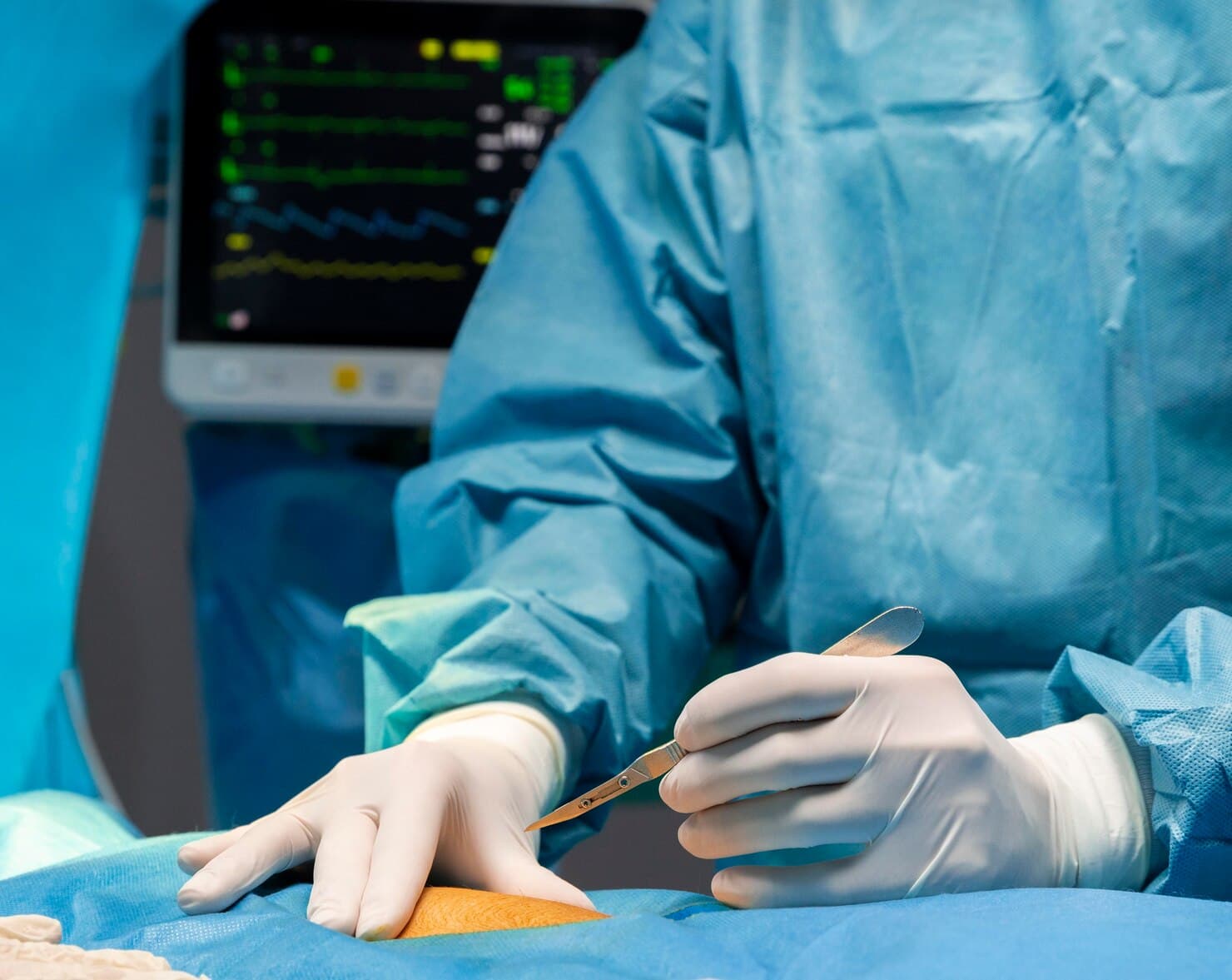
Laparoscopic ovarian cystectomy is a minimally invasive surgery to remove an ovarian cyst while preserving the healthy part of the ovary and the fallopian tube. It is the preferred method for treating benign (non-cancerous) cysts that are causing pain, growing rapidly, or at risk of twisting (torsion). This technique allows for precise removal of the cyst wall with minimal impact on future fertility.
When You Should Consider an Ovarian Cystectomy
Persistent Cysts: Functional cysts that do not disappear naturally after several menstrual cycles.
Endometriomas: Also known as "chocolate cysts," these are caused by endometriosis and can significantly affect fertility if left untreated.
Dermoid Cysts: Complex cysts containing different types of tissue (such as skin or hair) that will not resolve on their own and carry a risk of rupture.
Chronic Pelvic Pain: Large cysts that create constant pressure on the bladder or rectum, or cause sharp pain during physical activity.
Rapid Growth: If ultrasound monitoring shows a cyst is increasing in size, even if it is currently asymptomatic.
How Is Performed
Anesthesia: The surgery is performed under general anesthesia and typically takes between 45 to 90 minutes.
Incision: The surgeon makes 3–4 tiny "keyhole" incisions (5–10 mm) in the abdomen, including one inside the belly button for the camera (laparoscope).
Visualization: Carbon dioxide gas is used to gently inflate the abdomen, providing the surgical team with a clear, magnified view of the pelvic organs.
Cyst Removal: Using specialized micro-instruments, the surgeon carefully peels the cyst wall away from the healthy ovarian tissue, ensuring the ovary remains functional.
Extraction: The cyst is placed in a small surgical bag and removed through one of the incisions. Large cysts may be drained first to fit through the small opening.
Closure: The small incisions are closed with dissolvable stitches or surgical glue, resulting in minimal scarring.
Pre-Procedure Preparation
Pelvic Ultrasound or MRI: To determine the exact size, location, and internal structure of the cyst before surgery.
Blood Testing: Checking "tumor markers" (such as CA-125) to confirm the cyst appears benign and to assess overall health.
Fasting: Adhering to strict "nothing by mouth" instructions for at least 8 hours prior to your general anesthesia.
Medication Audit: Stopping blood thinners, aspirin, or certain supplements 7–10 days before the procedure as directed.
Bowel Prep (Optional): In some cases, a mild laxative may be recommended the day before to clear the pelvic area for better visualization.
Tests Before Ovarian Cystectomy
Transvaginal Ultrasound: The primary tool used to distinguish between fluid-filled simple cysts and complex solid masses.
Pregnancy Test: To rule out ectopic pregnancy or ensure the safety of the developing fetus if pregnancy is known.
Coagulation Profile: To ensure your blood's ability to clot is optimal for a safe, minimally invasive recovery.
ECG: A standard heart check to confirm you are healthy enough for the administration of anesthesia.
Life After Ovarian Cystectomy
Hospital Stay: Most patients are discharged the same day or stay for one night of observation.
Shoulder Pain: It is common to feel temporary pain in the shoulders for 24–48 hours; this is caused by the gas used during surgery irritating the diaphragm.
Activity Restrictions: You can usually return to light daily activities within 3 to 5 days. However, avoid heavy lifting and strenuous exercise for 2 to 3 weeks.
Wound Care: Keep the small incisions clean and dry. Most stitches are internal and will dissolve on their own within 10–14 days.
Sexual Activity: Most doctors recommend waiting at least 2 weeks before resuming sexual intercourse to allow internal healing.
Why Specialized Treatment Is Highly Effective
Preserves Fertility: By removing only the cyst wall and saving the healthy ovarian tissue, the "ovarian reserve" and hormone production are protected.
Minimal Scarring: The use of tiny incisions results in superior cosmetic outcomes compared to traditional open surgery.
Rapid Recovery: The minimally invasive approach allows patients to return to their jobs and families much faster than with a laparotomy.
High Precision: The magnified view provided by the laparoscope allows surgeons to identify and protect the delicate fallopian tubes and surrounding nerves.
Lower Complication Rates: Laparoscopy is associated with less post-operative pain, lower risk of infection, and a reduced chance of developing internal scar tissue (adhesions).
Ovarian Cyst Removal (Laparoscopic Cystectomy) Cost in India
The cost of Ovarian Cyst Removal (Laparoscopic Cystectomy) in India is generally affordable compared with many other countries, making India a popular destination for international patients seeking quality medical care. The treatment cost depends on factors such as the hospital, doctor's experience, treatment approach, medical condition, hospital stay, diagnostic tests, medicines, and any additional procedures required. For international patients, the starting cost of Ovarian Cyst Removal (Laparoscopic Cystectomy) in India is approximately 500 USD, although the final price may vary based on individual treatment requirements. Patients are advised to obtain a personalized treatment estimate after medical evaluation.