Palliative Chemotherapy
Palliative Chemotherapy
Palliative Chemotherapy is the use of anti-cancer drugs in cases where the cancer is advanced, metastatic, or technically incurable. Unlike curative chemotherapy, the primary objective is not to eliminate every cancer cell, but to improve quality of life and extend survival by managing the disease as a chronic condition. The emergence of "metronomic" dosing (frequent, low doses) allows many patients to remain on treatment for years with minimal disruption to their daily lives.
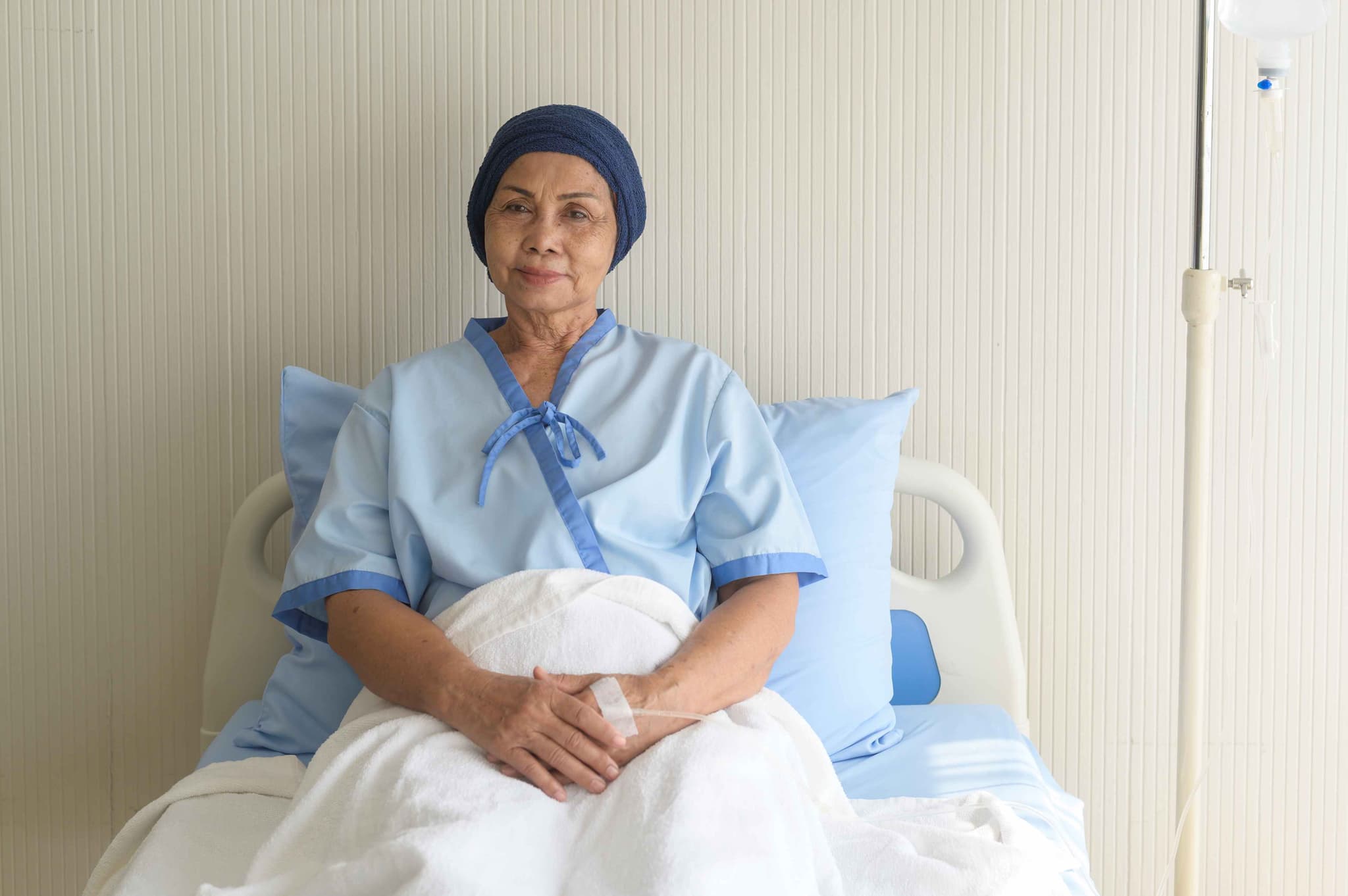
[Image showing the balance between tumor control and quality of life in palliative care]
When You Should Consider Palliative Chemotherapy
Symptom Management: When a tumor is causing physical pain, pressing on a nerve, or obstructing an organ (like the airway or bowel).
Disease Stabilization: To slow or stop the progression of metastatic cancer that has spread to the lungs, liver, or bones.
Maintaining Function: When you are still active and want to remain strong enough to perform daily activities and enjoy time with family.
Metastatic Diagnosis: For many Stage IV cancers, systemic chemotherapy is the most effective way to manage the disease throughout the entire body.
Failed Primary Treatment: If cancer has returned after surgery or radiation, palliative chemo can often keep the recurrence under control.
Core Objectives and Philosophy
Long-Term Management: Palliative chemotherapy is a management strategy; it is distinct from hospice and is often used for years to gain meaningful time.
The "Trade-Off" Balance: The central theme is weighing the toxicity of the drugs against the benefit. If a drug causes more suffering than the cancer itself, the plan is adjusted.
Performance Status (PS): Doctors use specific scales to ensure you are strong enough for treatment. A patient who is still mobile and self-sufficient is a prime candidate.
Lines of Treatment: Care is structured in "lines." If the first-line drug stops working, doctors "pivot" to a second or third-line option to keep the cancer at bay.
Functional Maintenance: The goal is to keep you out of the hospital and in your home environment for as long as possible.
How Palliative Chemotherapy Is Administered
Reduced Intensity: Doctors often use lower doses or "single-agent" (one drug) therapy to minimize side effects like severe nausea or hair loss.
Maintenance Therapy: Once the cancer is stable, you may transition to a low-dose oral drug indefinitely to keep the cancer "asleep."
Treatment Holidays: If the cancer is stable and you are feeling exhausted, your doctor may schedule a "break" of several weeks to let your body recover.
Metronomic Dosing: A modern approach using smaller, more frequent doses that attack the tumor's blood supply with fewer systemic side effects.
Palliative Infusions: Often delivered via a chemo-port to avoid repeated needle sticks and allow for a more comfortable infusion experience.
Pre-Procedure Preparation
Symptom Mapping: Create a clear list of your current pain levels and physical limitations so the doctor can choose drugs that target those specific issues.
Advance Care Planning: It is helpful to discuss your personal boundaries for treatment—what side effects you are willing to tolerate and what your specific goals are.
Nutritional Optimization: Staying well-nourished helps your body tolerate the drugs and maintain your energy levels.
Financial Counseling: Since palliative care can be long-term, ensure your insurance or patient assistance programs are set up for multi-year coverage.
Support Team: It is common to meet with a dedicated palliative specialist alongside your oncologist to manage pain and emotional health.
Tests During Palliative Chemotherapy
Response Assessment Scans: CT or PET scans are typically done every 2 to 3 months to ensure the cancer is stable or shrinking.
Tumor Markers: Blood tests are used as a quick way to monitor the "burden" of the disease between major scans.
Quality of Life Surveys: You will often fill out regular assessments to track your energy, pain, and mood; these are as important as the blood tests.
Organ Monitoring: Regular blood tests to ensure the chemotherapy isn't causing excessive damage to your bone marrow, liver, or kidneys.
Liquid Biopsies: Advanced blood tests that detect "circulating tumor DNA" to see if the cancer is becoming resistant to the current line of chemo.
Life During Palliative Chemotherapy
Focus on the "Now": Use the time gained to pursue hobbies and spend time with loved ones. Palliative chemo is designed to facilitate life.
Managing Side Effects: Be proactive. Tell your care team about even minor numbness, fatigue, or nausea so they can adjust your dose or medications immediately.
Stay Mobile: Gentle exercise like yoga or walking helps prevent the muscle loss and depression that can accompany long-term treatment.
Mental Health Support: Living with a chronic, advanced illness is a significant burden. Counseling or support groups are highly recommended.
The "Pivot" Discussion: If scans show the cancer is growing, have an open talk with your doctor about whether to try a new "line" of chemo or focus solely on comfort.
Benefits of Palliative Chemotherapy
Extended Life Expectancy: For many advanced cancers, modern palliative regimens can add months or even years of life.
Definitive Pain Relief: Shrinking a tumor that is pressing on a bone or nerve is often more effective than high-dose painkillers.
Improved Vital Functions: Can clear obstructions in the lungs or gut, restoring the ability to eat and breathe comfortably.
Psychological Relief: Knowing that the disease is being actively managed and monitored provides a sense of control and hope.
Access to Innovation: Being on treatment often provides earlier access to new targeted drugs and clinical trials that are available for advanced stages.
Palliative Chemotherapy Cost in India
The cost of Palliative Chemotherapy in India is generally affordable compared with many other countries, making India a popular destination for international patients seeking quality medical care. The treatment cost depends on factors such as the hospital, doctor's experience, treatment approach, medical condition, hospital stay, diagnostic tests, medicines, and any additional procedures required. For international patients, the starting cost of Palliative Chemotherapy in India is approximately 800 USD, although the final price may vary based on individual treatment requirements. Patients are advised to obtain a personalized treatment estimate after medical evaluation.