PCL Reconstruction
Posterior Cruciate Ligament (PCL) Reconstruction
Posterior Cruciate Ligament (PCL) Reconstruction is a surgical procedure to replace a torn PCL—the strongest ligament in the knee—with a graft. The PCL is the primary stabilizer that prevents the shinbone (tibia) from sliding too far backward. This surgery is essential for restoring joint stability, especially following high-impact injuries such as dashboard accidents or significant sports falls.
When You Should Consider PCL Reconstruction
Grade III Tears: A complete tear of the ligament that results in significant knee instability.
Multi-Ligament Injuries: Cases where the PCL is torn alongside other structures like the ACL, MCL, or meniscus.
Persistent Instability: Feeling the knee "give way" during daily activities or sport, despite undergoing physical therapy.
Chronic Pain and Swelling: Persistent joint issues related to the tibia sagging backward (posterior sag).
High-Demand Lifestyle: For athletes or individuals in physically demanding jobs who require maximum joint stability.
Methods of PCL Reconstruction
Arthroscopic Reconstruction: A minimally invasive approach using a camera and small incisions to replace the ligament.
Single-Bundle Technique: Replacing the PCL with a single graft strand, focusing on the largest part of the original ligament.
Double-Bundle Technique: Using two separate graft strands to more closely mimic the natural, complex anatomy of the PCL.
Autograft Replacement: Utilizing the patient's own tissue, typically from the hamstring or quadriceps tendon.
Allograft Replacement: Utilizing donor tissue (cadaver), often preferred in PCL surgery to achieve a thicker, stronger graft.
How PCL Reconstruction Is Performed
Graft Preparation: The selected autograft or allograft is prepared and sized to match the patient's original ligament dimensions.
Portal Creation: Small arthroscopic incisions are made around the knee to allow for the camera and surgical instruments.
Tunnel Drilling: Precise tunnels are drilled through the femur (thigh bone) and tibia (shin bone) at the exact attachment points of the PCL.
Graft Passage: The new ligament graft is pulled through the bone tunnels and positioned across the knee joint.
Fixation: The graft is secured tightly under tension using interference screws, metal buttons, or specialized surgical staples.
Stability Check: The surgeon performs stability tests to ensure the tibia no longer slides backward before closing the incisions.
Pre-Procedure Preparation
Diagnostic confirmation using the "Posterior Drawer Test" and MRI to assess the extent of the damage.
A "pre-habilitation" program lasting 3–4 weeks to strengthen the quadriceps muscles.
Fasting (NPO) and preoperative medical clearance for general anesthesia.
Coordination of a femoral nerve block to provide localized pain relief for the first 12–24 hours post-surgery.
Tests Before PCL Reconstruction
MRI Scan: The gold standard for visualizing the PCL and checking for associated injuries to cartilage or other ligaments.
Posterior Drawer Test: A physical exam where the surgeon pushes the tibia backward to measure the degree of joint laxity.
Stress X-rays: Occasionally used to measure the exact amount of "posterior shift" in millimeters compared to the healthy knee.
Blood Panels: Routine testing to ensure the patient is fit for surgery and has no underlying signs of infection.
Life After PCL Reconstruction
Recovery is often slower and more restrictive than ACL surgery, with most patients being outpatients or staying one night.
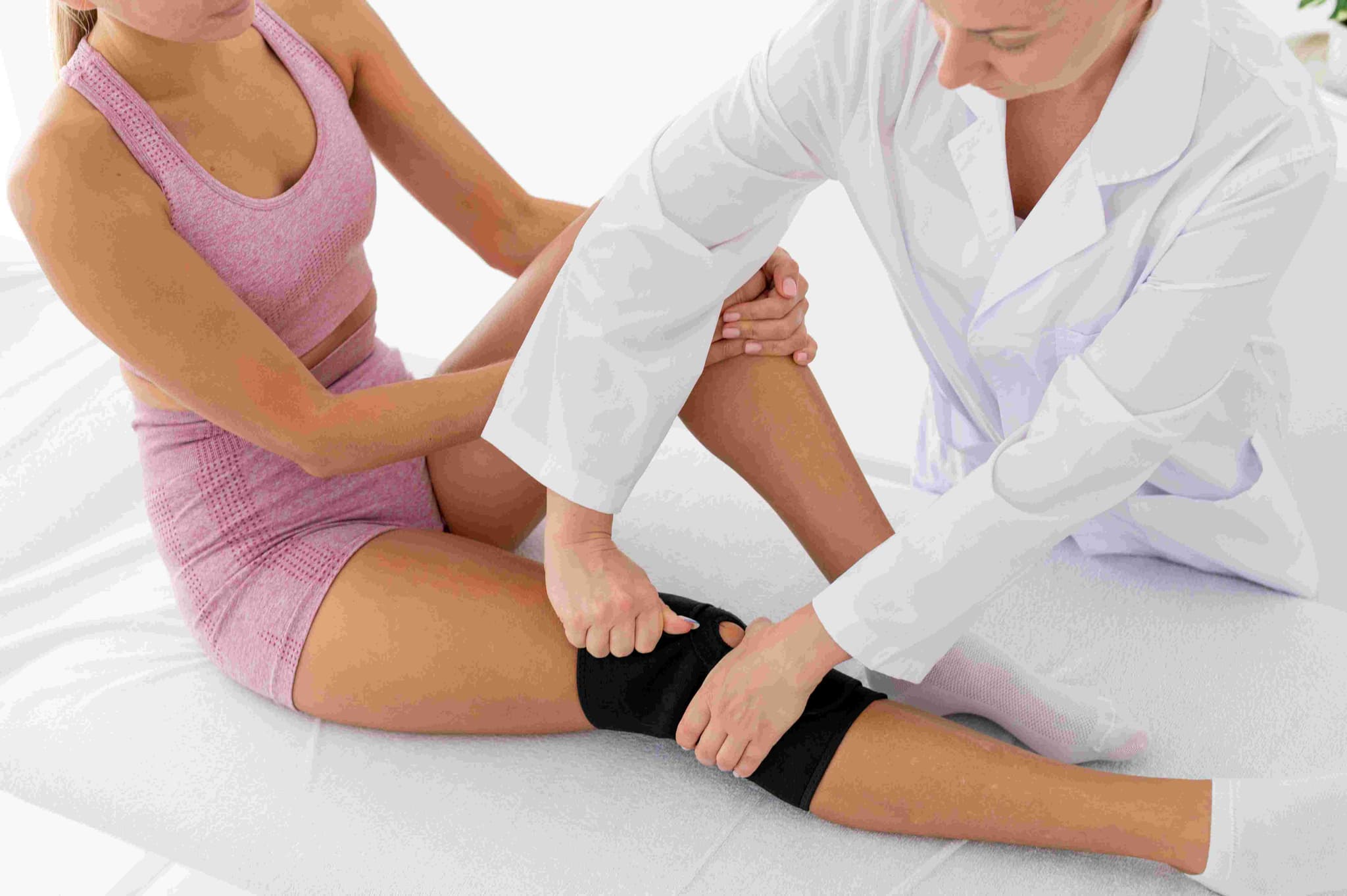
A specialized PCL Jack Brace is mandatory for 6 to 12 weeks to keep the tibia pushed forward while the graft heals.
Patients are typically non-weight-bearing on crutches for the first 4 to 6 weeks.
Bending the knee is usually limited to 90 degrees for the first month to avoid putting stress on the new graft.
Full return to competitive sports typically requires 9 to 12 months of intensive, quadriceps-focused rehabilitation.
Benefits of PCL Reconstruction
Restores essential stability to the knee, preventing the "sagging" sensation and joint shifting.
Reduces the long-term risk of developing premature osteoarthritis caused by joint misalignment.
Allows approximately 80% of patients to return to their previous levels of daily activity and non-contact sports.
Effectively protects other structures in the knee, such as the meniscus and cartilage, from secondary damage.
PCL Reconstruction Cost in India
The cost of PCL Reconstruction in India is generally affordable compared with many other countries, making India a popular destination for international patients seeking quality medical care. The treatment cost depends on factors such as the hospital, doctor's experience, treatment approach, medical condition, hospital stay, diagnostic tests, medicines, and any additional procedures required. For international patients, the starting cost of PCL Reconstruction in India is approximately 1000 USD, although the final price may vary based on individual treatment requirements. Patients are advised to obtain a personalized treatment estimate after medical evaluation.