Pediatric Cataract Surgery
Pediatric Cataract Surgery
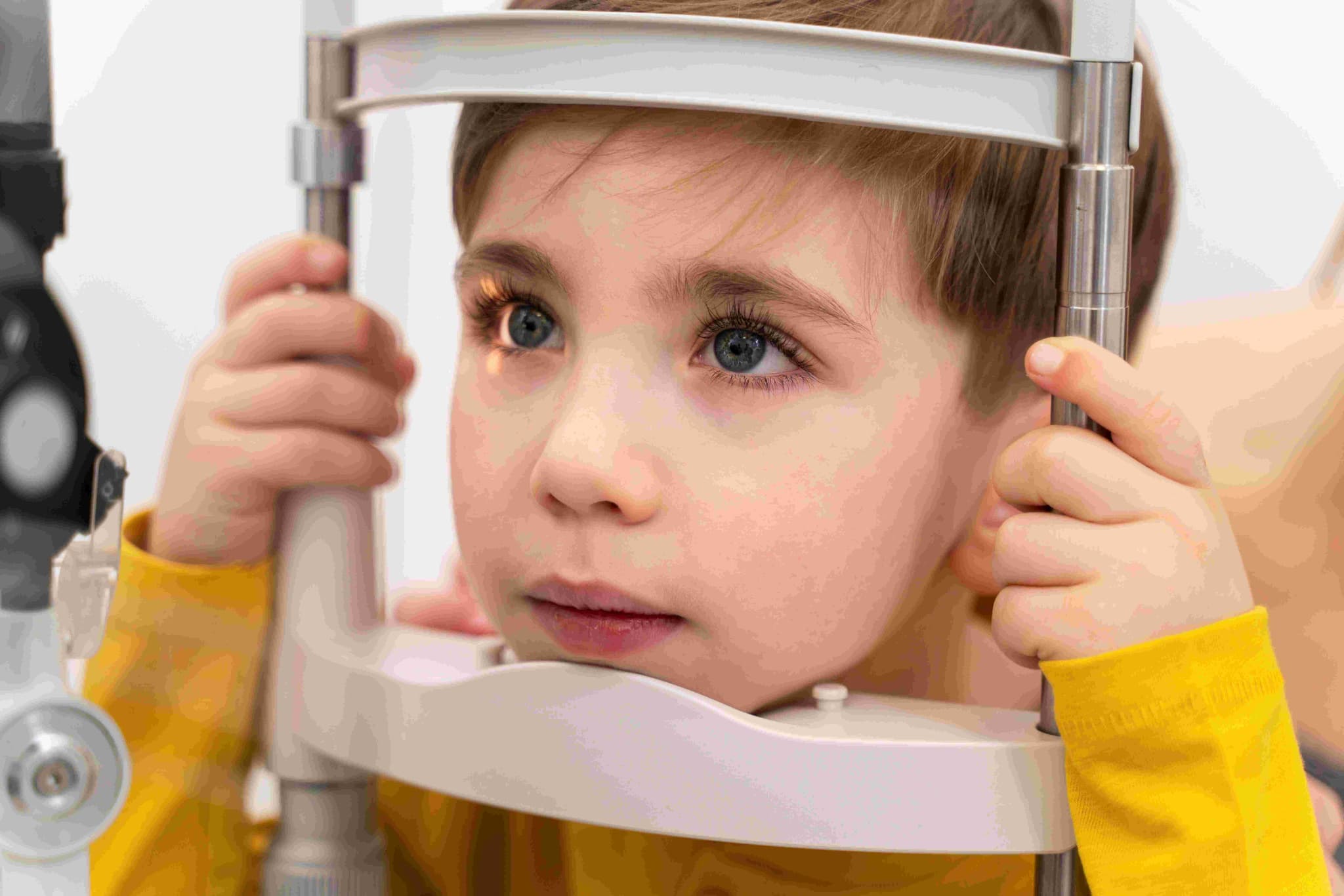
Pediatric cataract surgery is a specialized procedure to remove a clouded lens in infants or children. Unlike adult surgery, a child’s eye is still growing and is significantly more prone to inflammation and scarring. This requires different surgical techniques, absorbable sutures, and intensive long-term follow-up to ensure the brain develops clear vision.
When You Should Consider Pediatric Cataract Surgery
Congenital Cataracts: When a baby is born with a clouded lens that blocks light from reaching the retina.
Developmental Cataracts: If a cataract develops during early childhood, affecting school performance or physical coordination.
Leukocoria (White Pupil): When a white reflection is noticed in the child’s pupil in photos or under bright light.
Nystagmus: If the child's eyes begin to shake or wander because they cannot focus on objects clearly.
Strabismus (Squint): When an eye begins to turn inward or outward because the cataract is preventing the eyes from working together.
How Is Performed
Anesthesia: The surgery is performed under general anesthesia to ensure the child remains perfectly still and comfortable.
Incision: A microscopic incision is made in the cornea or the white part of the eye (sclera).
Lensectomy: Because a child’s lens is naturally soft, it is usually aspirated (gently suctioned out) rather than broken up with ultrasound energy.
Primary Posterior Capsulotomy (PPC): In children (especially under age 5), the back part of the lens capsule is intentionally opened to prevent a "secondary cataract" from forming.
Anterior Vitrectomy: A small amount of the vitreous gel is removed from the front of the eye to keep the visual axis clear for light to pass through.
IOL Implantation: * Children (over 1–2 years): An artificial Intraocular Lens (IOL) is usually implanted.
Infants: Surgeons may leave the eye "aphakic" (no lens) and use specialized contact lenses or glasses until the eye grows larger.Suturing: Unlike adult surgery, the incisions must be stitched with absorbable sutures to ensure the wound is strong enough for an active child.
Duration: The procedure typically takes between 45 and 90 minutes.
Pre-Procedure Preparation
Pediatric Assessment: A comprehensive eye exam, often done under light sedation for younger children, to measure the eye's length and curvature.
IOL Calculation: Using specialized formulas to predict how the eye will grow and what lens power will be needed for the future.
Fasting: Following strict "nothing by mouth" instructions for the hours leading up to general anesthesia.
Amblyopia Plan: Discussing the likelihood of needing Patching Therapy after surgery to treat "lazy eye."
Logistics: Preparing for a day-care hospital stay and ensuring the child is healthy (no coughs or colds) on the day of surgery.
Tests Before Pediatric Cataract Surgery
A-Scan Biometry: To measure the length of the eye and calculate the appropriate lens power.
B-Scan Ultrasound: To ensure the retina is healthy and attached behind the clouded lens.
Red Reflex Test: A simple but vital check to see how much light is actually being blocked by the cataract.
Retinoscopy: To assess the refractive error and prepare for the high-power glasses or contacts needed post-op.
Life After Pediatric Cataract Surgery
Intensive Medication: Antibiotic and steroid eye drops are required for 4 to 8 weeks to manage the child's strong immune response.
Eye Protection: The child must wear a protective shield or specialized "arm restraints" (for infants) to prevent them from rubbing or poking the eye.
Vision Correction: Almost all children will need high-power glasses or contact lenses immediately to help the brain learn to see.
Patching Therapy: The "good" eye may be covered for several hours a day to force the brain to use the eye that had surgery.
Long-Term Monitoring: Frequent check-ups are required to watch for Glaucoma or "Visual Axis Opacification" (where the capsule tries to grow back shut).
Why Specialized Treatment Is Highly Effective
Prevents Permanent Blindness: Removing the cataract early allows light to stimulate the brain during the critical period of visual development.
Reduces Secondary Cataracts: Techniques like PPC and vitrectomy significantly lower the risk of the vision clouding over again.
Customized for Growth: The surgical approach is tailored to the child's age, whether they need an immediate IOL or temporary contact lenses.
Stronger Wound Closure: The use of absorbable sutures provides the necessary structural integrity for a child's active lifestyle.
Comprehensive Care: Combines surgery with orthoptic therapy (patching) to ensure the highest possible quality of long-term vision.
Pediatric Cataract Surgery Cost in India
The cost of Pediatric Cataract Surgery in India is generally affordable compared with many other countries, making India a popular destination for international patients seeking quality medical care. The treatment cost depends on factors such as the hospital, doctor's experience, treatment approach, medical condition, hospital stay, diagnostic tests, medicines, and any additional procedures required. For international patients, the starting cost of Pediatric Cataract Surgery in India is approximately 500 USD, although the final price may vary based on individual treatment requirements. Patients are advised to obtain a personalized treatment estimate after medical evaluation.