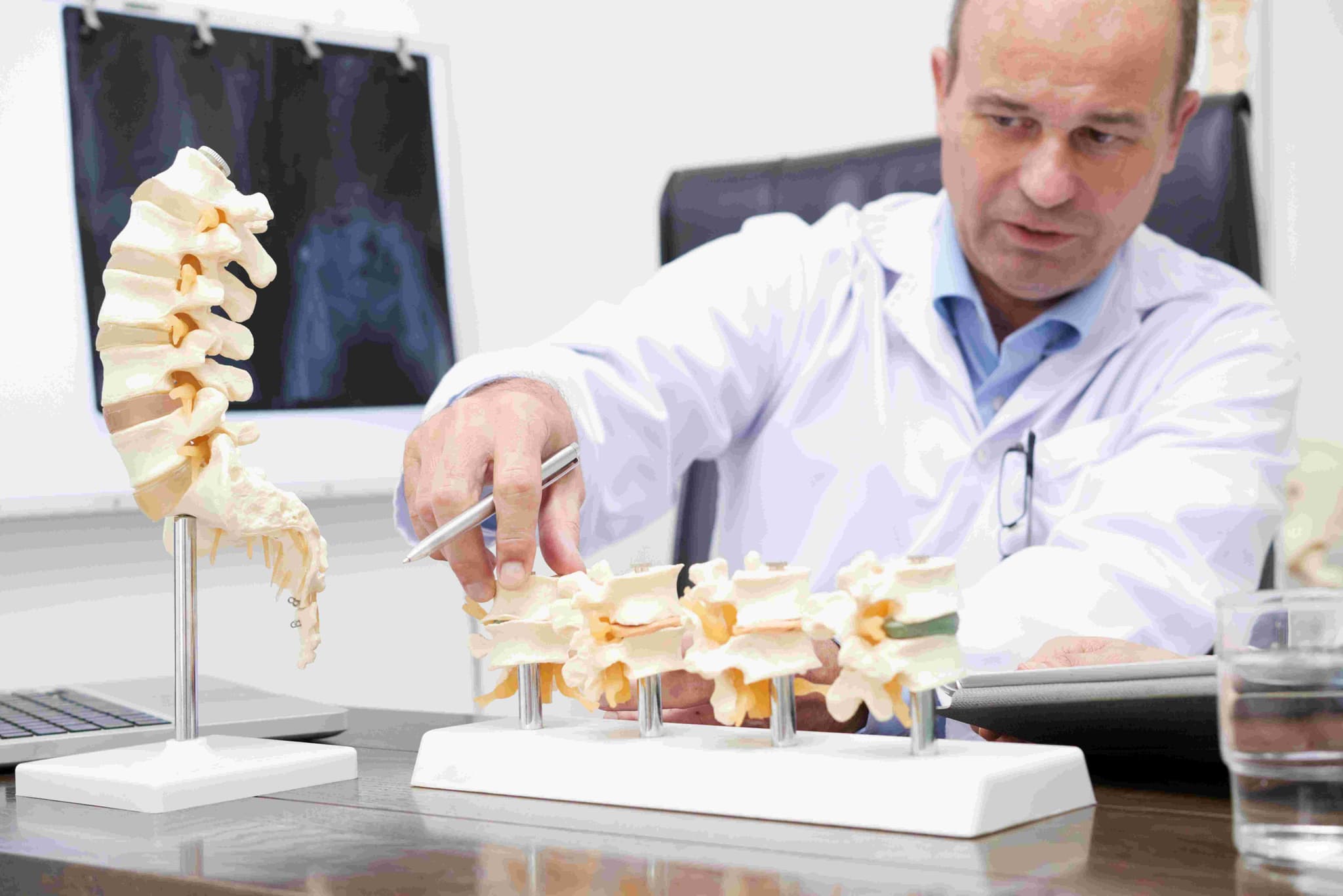
Pedicle Screw Fixation
Pedicle Screw Fixation
Pedicle Screw Fixation is a major surgical procedure used to stabilize the spine by inserting specialized screws into the pedicles—the strongest, thickest parts of the vertebral bone. These screws act as permanent "anchor points" for metal rods that hold the spine in a fixed position, providing the necessary stability for a successful spinal fusion.
When You Should Consider Pedicle Screw Fixation
Spinal Instability: When vertebrae move excessively or abnormally, causing chronic pain or risk of nerve damage.
Severe Fractures: To stabilize a broken vertebra and protect the spinal cord while the bone heals.
Scoliosis or Kyphosis: To provide the mechanical leverage needed to straighten and hold the spine in a corrective alignment.
Spondylolisthesis: When one vertebra has slipped forward over another, requiring the bones to be pulled back into place and locked.
Multi-Level Fusion: For extensive degenerative disease where multiple segments of the spine need to be joined into a single, solid unit.
Methods of Pedicle Screw Fixation
Open Fixation: The traditional approach involving a midline incision, giving the surgeon a direct and wide view of the bony anatomy.
Minimally Invasive (Percutaneous) Fixation: Inserting screws through small "keyhole" skin punctures using specialized guidance, which reduces muscle trauma.
Robotic-Assisted Fixation: Utilizing a robotic arm to guide the drill and screw into the pedicle with sub-millimeter precision based on a pre-operative CT map.
Computer-Navigated Fixation: Using real-time 3D "GPS-like" technology to track surgical instruments in relation to the patient's anatomy.
Fluoroscopic Guidance: Using continuous, real-time X-ray imaging during the procedure to verify the angle and depth of each screw.
How Pedicle Screw Fixation Is Performed
Identification: Using real-time imaging or robotic navigation, the surgeon identifies the "entry point" on the pedicle, the narrow bridge of bone connecting the front and back of the vertebra.
Drilling & Tapping: A small pilot hole is drilled through the pedicle and into the vertebral body. The hole is then "tapped" (threaded) to ensure the screw fits securely.
Screw Insertion: Permanent titanium or stainless steel screws are driven deep into the bone. Typically, two screws are placed in each vertebra (one on each side).
Rod Placement: Once all levels are instrumented, a metal rod is contoured and dropped into the "heads" of the screws.
Final Locking: "Set screws" are tightened into the screw heads to lock the rod in place, creating a rigid internal scaffold.
Bone Grafting: Small pieces of bone are packed around the hardware to stimulate the growth of a permanent bone bridge (fusion).
Pre-Procedure Preparation
Precision Mapping: Mandatory high-resolution CT scans or 3D X-rays are used to measure the exact width and angle of the pedicles, which vary significantly between patients.
Medication Adjustment: Blood thinners (such as aspirin or clopidogrel) must be stopped 5–7 days prior to prevent bleeding in the spinal canal.
Fasting (NPO): No food or drink for 8–12 hours before the procedure to ensure safety under general anesthesia.
Neuromonitoring Setup: Preparation for intra-operative electrical monitoring of the nerves in the legs to ensure safety during screw placement.
Tests Before Pedicle Screw Fixation
Thin-Cut CT Scan: Provides the most accurate measurement of the "pedicle diameter" to help the surgeon select the correct screw size.
MRI Scan: Used to visualize the proximity of the spinal cord and nerve roots to the planned screw path.
Bone Density Scan (DEXA): To ensure the bone is strong enough to hold the screws; in patients with osteoporosis, the screws may require specialized cement "augmentation."
Blood Panels: Routine screens to assess kidney function and clotting factors before a major surgical intervention.
Life After Pedicle Screw Fixation
Hospital Stay: Typically ranges from 2 to 5 days, depending on the complexity of the fusion.
Early Mobilization: Patients are encouraged to stand and take a few steps within 24 hours to prevent blood clots and promote recovery.
The "No BLT" Rule: For 3 to 6 months, you must strictly avoid Bending at the waist, Lifting anything over 2–4kg, and Twisting the spine.
Bracing: Many patients are required to wear a TLSO (hard plastic brace) for 6–12 weeks whenever they are out of bed to protect the hardware.
Hardware Status: The screws and rods are intended to stay in the body forever and are rarely removed unless they cause irritation or become infected.
Benefits of Pedicle Screw Fixation
Immediate Internal Stability: Provides a rigid structure that allows patients to move and walk much sooner than bone grafting alone would permit.
High Fusion Success Rate: Fixation achieves a solid bone bridge in over 90% of cases by preventing any micro-motion at the surgical site.
Corrective Power: Allows surgeons to mechanically realign a curved or slipped spine, restoring a more natural posture.
Neurological Protection: By locking the spine in place, it prevents the "shifting" that can lead to chronic nerve pinching or spinal cord injury.
Durable Support: Provides a lifelong permanent scaffold for the stabilized spinal segments.
Pedicle Screw Fixation Cost in India
The cost of Pedicle Screw Fixation in India is generally affordable compared with many other countries, making India a popular destination for international patients seeking quality medical care. The treatment cost depends on factors such as the hospital, doctor's experience, treatment approach, medical condition, hospital stay, diagnostic tests, medicines, and any additional procedures required. For international patients, the starting cost of Pedicle Screw Fixation in India is approximately 1500 USD, although the final price may vary based on individual treatment requirements. Patients are advised to obtain a personalized treatment estimate after medical evaluation.