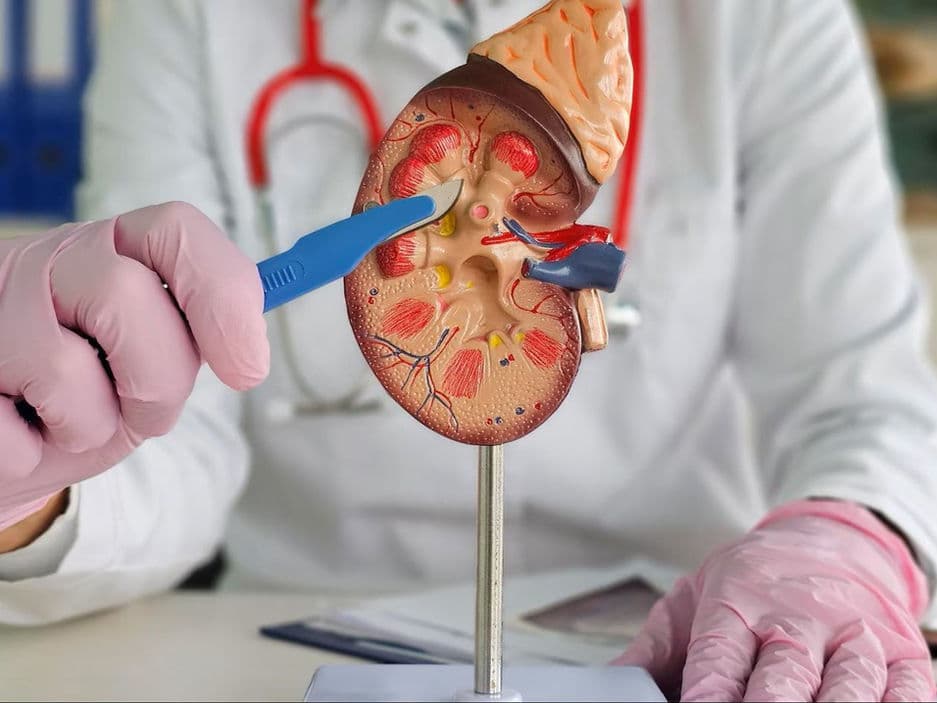
Percutaneous Needle Biopsies, FNAC And Catheter Drainages
Percutaneous Kidney Biopsy
A percutaneous kidney biopsy is the definitive diagnostic procedure used to obtain a small sample of kidney tissue for detailed microscopic analysis. By 2026, this procedure has become highly refined, utilizing real-time high-resolution imaging to target specific areas of the kidney with sub-millimeter precision. It remains the "gold standard" for diagnosing complex renal conditions that cannot be identified through blood or urine tests alone, providing essential data on the nature, severity, and potential reversibility of kidney damage.
Why the Procedure is Performed
Glomerular Diseases: Identifying specific types of inflammation in the kidney’s filtering units (glomerulonephritis).
Unexplained Proteinuria: Investigating why the kidneys are leaking large amounts of protein into the urine.
Persistent Hematuria: Determining the cause of microscopic or visible blood in the urine when other scans are normal.
Rapidly Progressive Kidney Failure: Diagnosing the cause of a sudden, unexplained decline in renal function to start immediate treatment.
Nephrotic Syndrome: Finding the underlying pathology behind severe swelling, high cholesterol, and low protein levels.
Systemic Disease Involvement: Assessing how conditions like Lupus, Vasculitis, or Amyloidosis are impacting kidney health.
Conditions That Require Specialized Care
Kidney Transplant Monitoring: Routine or "for cause" biopsies to check for early signs of organ rejection or drug toxicity.
Solitary Kidney: Patients with only one kidney require specialized "ultra-guided" techniques to ensure the highest safety margins.
Coagulopathy: Individuals with bleeding disorders who may require a "transjugular" biopsy (through the neck vein) rather than through the back.
Severe Hypertension: Patients with high blood pressure must have it strictly controlled before the biopsy to prevent post-procedure bleeding.
Obesity: Utilizing specialized long-reach needles and advanced CT guidance for patients with significant abdominal or back tissue.
[Image showing a biopsy needle entering the lower pole of the kidney under ultrasound guidance]
How a Percutaneous Kidney Biopsy Is Performed
Positioning: The patient typically lies face down (prone) with a firm pillow under the abdomen to push the kidneys closer to the back.
Real-Time Guidance: A physician uses an ultrasound probe to identify the lower part of the kidney, which is the safest area for sampling.
Local Anesthesia: The skin and the muscles of the back are numbed; while the patient is awake, they typically feel pressure rather than sharp pain.
The "Spring-Loaded" Sample: A specialized biopsy needle is inserted. When triggered, it captures a tiny core of tissue (about the size of a thread) in a fraction of a second.
The Breath-Hold: The patient is asked to hold their breath for 5–10 seconds during the sampling to prevent the kidney from moving with respiration.
Verification: The doctor immediately checks the sample under a magnifying lens to ensure it contains enough "glomeruli" (filtering units) for a diagnosis.
Innovations in Renal Pathology
Digital Spatial ProfilingAdvanced analysis that allows pathologists to map the exact location of specific proteins and genes within the tiny biopsy sample.
AI-Assisted HistologyArtificial Intelligence algorithms that scan biopsy slides to provide an objective "score" for scarring and inflammation, ensuring consistent results.
Electron Microscopy IntegrationStandardized use of high-power electron microscopes to see the sub-cellular structures of the kidney, essential for diagnosing rare genetic diseases.
Focal-Point Cryo-PreservationNew techniques for freezing a portion of the sample instantly, preserving fragile enzymes for advanced metabolic testing.
Automated Bleeding-Risk AlgorithmsSoftware that analyzes a patient’s blood work and kidney shape before the biopsy to predict and prevent potential bleeding complications.
3D Virtual Biopsy MappingUsing pre-procedure MRI data overlaid on the live ultrasound screen to help the doctor avoid any small cysts or blood vessels.
Pre-Procedure Preparation
Fasting (NPO): Refraining from food or drink for 4–8 hours before the procedure to ensure safety and comfort.
Medication Management: Strictly stopping aspirin, ibuprofen, and all blood thinners 5 to 7 days prior to minimize bleeding risks.
Blood Pressure Control: Ensuring blood pressure is below 140/90 mmHg, as high pressure significantly increases the risk of a post-biopsy hematoma.
Laboratory Screening: Pre-procedure blood tests to check platelet counts and "bleeding time" (INR/PTT).
Consent and Education: Reviewing the goals of the biopsy and the importance of remaining still during the sampling process.
Diagnostic and Safety Monitoring
Post-Biopsy Compression: Patients must lie flat on their back for 4 to 6 hours immediately after the procedure to use their body weight as pressure.
Urine Color Monitoring: Checking the first few voids for blood; mild "pink" urine is common and usually resolves within 24 hours.
Serial Vital Signs: Frequent monitoring of heart rate and blood pressure to detect any internal bleeding early.
Hematocrit Check: In some cases, a repeat blood test is done a few hours later to ensure the hemoglobin level is stable.
Why This Treatment Is Highly Effective
Ends Diagnostic Uncertainty: It provides a definitive "yes or no" answer for complex kidney issues that blood tests cannot solve.
Guides Life-Saving Therapy: Many kidney diseases are treated with powerful immune-suppressing drugs; a biopsy ensures these are only used when necessary.
Predicts Future Health: The amount of scarring seen under the microscope tells the doctor exactly how much kidney function can be saved.
Targeted Medicine: Allows for the use of "precision medicine" by identifying the specific molecular pathway causing the kidney damage.
Minimally Invasive: Despite being a "surgery," the entry point is no larger than a standard needle, requiring only a simple bandage for recovery.
Recovery and Aftercare
Activity Restrictions: No heavy lifting (more than 5–10 lbs), strenuous exercise, or contact sports for 7 to 14 days.
Pain Management: Localized soreness at the site is common for 48 hours and is typically managed with simple acetaminophen.
Hydration: Drinking plenty of water for the first 24 hours to help flush any small amounts of blood out of the kidney and bladder.
Warning Signs: Patients are taught to watch for severe back pain, fainting, inability to urinate, or bright red blood in the urine.
Result Reporting: Preliminary results may be available in 48 hours, but the final report involving specialized stains usually takes 5 to 7 days.
Life After a Kidney Biopsy
A tailored treatment plan that targets the root cause of your kidney disease, not just the symptoms.
The peace of mind that comes from having a definitive diagnosis and a clear prognosis.
Better long-term kidney survival through the early detection and treatment of "silent" inflammation.
For transplant patients, the ability to adjust anti-rejection medications to perfectly match the body's needs.
Empowerment through understanding the microscopic health of your kidneys, enabling better lifestyle and dietary choices.