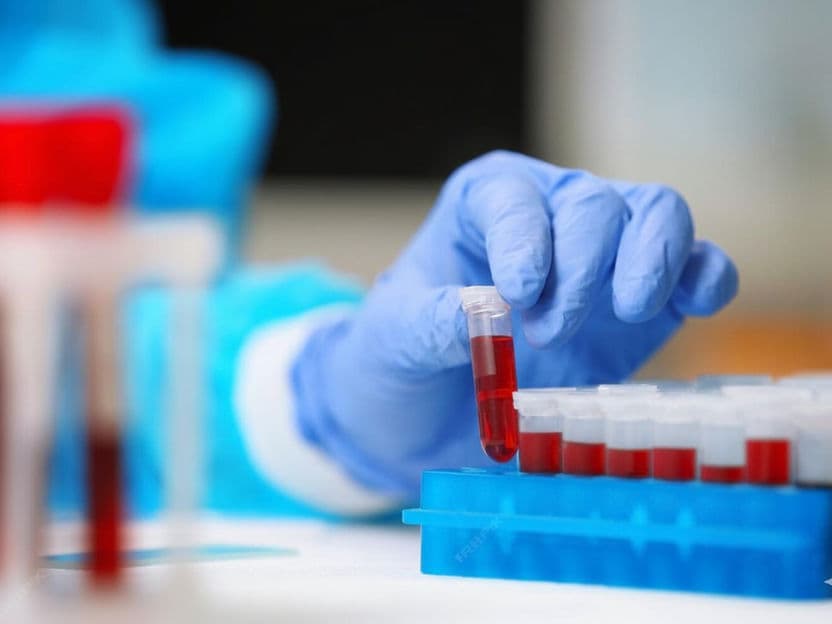
Peripheral Blood Stem Cell (PBSC) Harvesting
Peripheral Blood Stem Cell (PBSC) Harvesting
Peripheral Blood Stem Cell (PBSC) Harvesting is the most common method for collecting hematopoietic stem cells for both autologous and allogeneic transplants. This non-surgical procedure has largely replaced traditional bone marrow aspiration because it is less invasive, requires no general anesthesia, and results in faster recovery for both the donor and the recipient. By utilizing advanced cell-separation technology, PBSC harvesting allows for the collection of high-potency stem cells in a comfortable, outpatient setting.
When You Should Consider PBSC Harvesting
When acting as a matched donor for a relative or unrelated patient requiring a stem cell transplant.
As a patient preparing for an autologous transplant to treat Multiple Myeloma or Lymphoma.
When a high-yield, rapid-engraftment stem cell source is required for a recipient’s recovery.
For individuals who prefer a non-surgical collection method over traditional bone marrow aspiration.
When medical history or preference makes general anesthesia inadvisable.
As part of a "freeze-all" strategy for future cellular therapy or immunotherapy.
Conditions That Require Specialized Care
Patients identified as "poor mobilizers" who require advanced medications to move stem cells into the blood.
Donors with a high body-mass index (BMI) or specific weight-to-dose requirements.
Pediatric donors or recipients requiring specialized apheresis equipment for smaller blood volumes.
Patients with a history of cardiovascular issues requiring close monitoring during the collection.
Cases where a previous bone marrow harvest was unsuccessful or yielded insufficient cell counts.
How PBSC Harvesting Is Performed
The donor receives daily growth factor injections for several days to "mobilize" stem cells into the bloodstream.
Blood is drawn from a vein in the arm or through a specialized central venous catheter.
The blood passes through an apheresis machine (centrifuge), which isolates the stem-cell-rich "buffy coat."
The remaining blood components, including red cells and plasma, are immediately returned to the donor’s body.
An on-site laboratory technician performs a real-time "CD34+ count" to ensure the target dose is reached.
The procedure typically concludes in 3 to 5 hours, after which the donor is monitored briefly and discharged.
Modern Innovations in PBSC Harvesting
Advanced Mobilization AgentsThe use of precision medications (such as Plerixafor) that significantly improve cell yields, even in difficult cases.
High-Efficiency Apheresis SystemsModern machines with automated sensors that maximize the collection of stem cells while minimizing the loss of platelets.
Real-Time Flow CytometryLaboratory technology that provides instant data on cell counts, often allowing collection to be completed in a single session.
Smart-Needle TechnologyUse of high-gauge, ultra-smooth needles and specialized catheters to maximize blood flow and donor comfort.
Automated Cryopreservation UnitsDigitally controlled freezing systems that use liquid nitrogen to preserve cell viability for years.
Mobile Apheresis UnitsPortable collection technology that allows harvesting to be performed in a wider variety of clinical environments.
Pre-Procedure Preparation
Physical examination and medical history review to ensure the donor is fit for mobilization and apheresis.
Education on the self-administration of growth factor injections (or coordination with a nursing team).
Increasing calcium and fluid intake a few days prior to the procedure to prevent "citrate-related" tingling during collection.
Planning for a 4-to-5-day window of mobilization followed by the 1-to-2-day collection phase.
Placement of a temporary venous access device if the donor's arm veins are not sufficient for high-flow collection.
Pre-Procedure Tests
Comprehensive blood count (CBC) to check baseline levels of hemoglobin, white cells, and platelets.
Infectious disease screening (HIV, Hepatitis, Syphilis) as required by international transplant standards.
CD34+ peripheral blood monitoring to determine the optimal start time for the apheresis procedure.
Electrocardiogram (ECG) to ensure heart health prior to the mobilization phase.
Serum electrolyte panel, with a focus on calcium and potassium levels.
Why This Treatment Is Highly Effective
Faster Recovery: PBSC transplants typically lead to faster engraftment of white cells and platelets than bone marrow.
Donor Safety: Eliminates the risks associated with general anesthesia and the physical pain of pelvic bone punctures.
High Success Rate: Modern protocols ensure a successful target dose is achieved in over 98% of healthy donors.
Convenience: Performed as a day-care procedure, allowing the donor to return home immediately.
Versatility: Harvested cells can be used immediately or frozen for use many years later.
Recovery and Monitoring
Most donors return to their normal daily routine within 24 to 48 hours of the collection.
Temporary side effects, such as mild bone pain or fatigue, typically resolve within a day or two.
Post-procedure blood counts may be checked to ensure the donor’s levels remain within a healthy range.
The collected stem cells are carefully labeled, tracked, and transported to the transplant unit or cryo-bank.
Donors receive a follow-up call or visit to ensure a full and comfortable recovery.
Life After PBSC Harvesting
The profound psychological satisfaction of having provided a life-saving "graft" for a patient in need.
Successful completion of the "harvesting phase" for autologous patients, clearing the path for their transplant.
Quick return to physical fitness and work due to the non-surgical nature of the procedure.
Ongoing partnership with the transplant center for any future family-building or donor needs.
Participation in a global community of donors who have contributed to the advancement of cellular therapy.