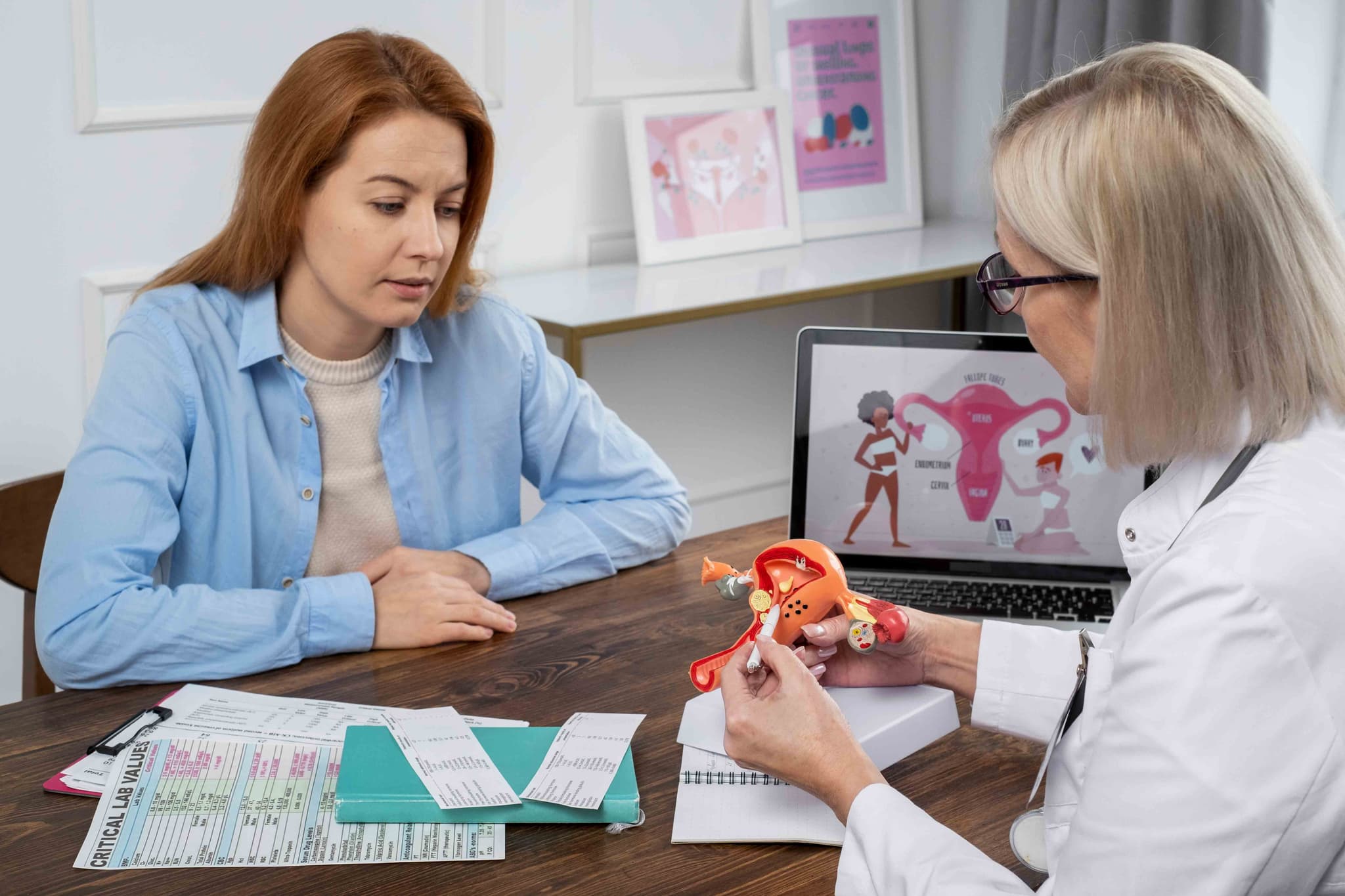
Prolapse Surgery (Uterine / Vaginal Prolapse)
Prolapse Surgery
Prolapse surgery is performed to restore the pelvic organs—such as the bladder, uterus, or rectum—to their original positions when the muscles and ligaments supporting them have weakened. The goal is to relieve the sensation of a "bulge" and restore normal bowel, bladder, and sexual function by reinforcing the pelvic floor.
When You Should Consider Prolapse Surgery
Sensation of a "Bulge": Feeling or seeing a protrusion of tissue coming out of the vaginal opening.
Pelvic Pressure: A constant heavy or "dragging" sensation in the pelvis that worsens after standing for long periods.
Urinary Issues: Difficulty starting urination, a feeling of incomplete emptying, or the need to "push" the bulge back in to urinate.
Bowel Dysfunction: Difficulty passing stool or chronic constipation specifically related to a bulging rectum (rectocele).
Pain During Intercourse: Discomfort or a lack of sensation caused by the shifting of the vaginal walls and pelvic organs.
Types of Procedures
Anterior Repair (Cystocele): Fixes a prolapsed bladder by tightening and reinforcing the front wall of the vagina.
Posterior Repair (Rectocele): Fixes a prolapsed rectum by tightening and reinforcing the back wall of the vagina.
Uterine Suspension (Hysteropexy): If the uterus is falling, it is "lifted" and anchored to pelvic ligaments or bone using stitches or mesh, allowing the uterus to be preserved.
Vaginal Hysterectomy: In many cases of uterine prolapse, the uterus is removed entirely through the vagina to provide a permanent solution for the descent.
Sacrocolpopexy: An advanced "keyhole" (laparoscopic or robotic) surgery where the top of the vagina is attached to the sacrum (base of the spine) using a synthetic mesh strip for maximum support.
How Is Performed
Vaginal Approach: The most common method. All incisions are made inside the vagina, leaving no external scars and requiring a shorter recovery time.
Laparoscopic/Robotic Approach: Performed through 4–5 tiny "keyhole" incisions in the abdomen. This is often used for complex "suspension" surgeries to provide superior visualization and precision.
Colpocleisis: A specialized "obliterative" surgery for older patients who are no longer sexually active. The vaginal canal is shortened and sewn shut to provide a permanent "shelf" of support for the organs.
Anesthesia: Depending on the approach, the procedure is performed under general or spinal anesthesia and typically takes 1 to 3 hours.
Pre-Procedure Preparation
Urodynamic Testing: Specialized bladder tests to see if repositioning the organs will cause or fix urinary leaking (incontinence).
Pelvic Floor Assessment: A detailed examination to identify which "compartments" (front, back, or top) of the vagina need the most support.
Weight Management: Patients are often encouraged to reach a healthy weight before surgery to reduce pressure on the new surgical repairs.
Smoking Cessation: Stopping smoking 6 weeks before surgery is critical, as chronic coughing and poor tissue healing significantly increase the risk of the prolapse returning.
Fasting: Adhering to "nothing by mouth" instructions for 8 hours prior to your anesthesia.
Tests Before Prolapse Surgery
Pelvic Ultrasound: To check the size of the uterus and ensure there are no hidden fibroids or ovarian cysts.
Cystoscopy: A quick look inside the bladder with a tiny camera to ensure there are no other causes for urinary symptoms.
Post-Void Residual (PVR): A simple ultrasound scan after you urinate to see how much fluid remains in the bladder.
ECG: A standard heart check to ensure you are healthy enough for the duration of the procedure.
Life After Prolapse Surgery
Hospital Stay: Typically involves 1 to 2 nights for monitoring and ensuring you can urinate comfortably before going home.
The "6-Week Rules": To prevent the repair from failing or stitches from tearing, you must strictly avoid:
Heavy Lifting: Nothing heavier than 2kg (roughly the weight of a full kettle).
Straining: Stool softeners are usually prescribed to prevent constipation and straining during bowel movements.
High-Impact Exercise: No running, jumping, or heavy core workouts.
Sexual Activity: Avoid intercourse and the use of tampons to allow the vaginal incisions to heal.Immediate Symptoms: Expect mild vaginal bleeding and a "watery" discharge for 2 to 4 weeks as the internal stitches dissolve.
Why Specialized Treatment Is Highly Effective
Definitive Symptom Relief: Successfully removes the physical bulge and the associated dragging sensation, often after years of discomfort.
Restores Organ Function: Many patients find that their bladder and bowel movements become significantly easier and more predictable after surgery.
Advanced "Keyhole" Options: Laparoscopic and robotic platforms offer the most durable repairs with the smallest incisions and fastest recovery.
No Visible Scarring: Traditional vaginal repairs leave no external marks, providing a discreet and effective solution.
Tailored Anatomy Repair: Every surgery is customized to the patient’s specific anatomy, ensuring the correct balance of support for all pelvic organs.
Prolapse Surgery (Uterine / Vaginal Prolapse) Cost in India
The cost of Prolapse Surgery (Uterine / Vaginal Prolapse) in India is generally affordable compared with many other countries, making India a popular destination for international patients seeking quality medical care. The treatment cost depends on factors such as the hospital, doctor's experience, treatment approach, medical condition, hospital stay, diagnostic tests, medicines, and any additional procedures required. For international patients, the starting cost of Prolapse Surgery (Uterine / Vaginal Prolapse) in India is approximately 500 USD, although the final price may vary based on individual treatment requirements. Patients are advised to obtain a personalized treatment estimate after medical evaluation.