Scalp Micropigmentation
Scalp Micropigmentation (SMP)
Scalp Micropigmentation (SMP) is a non-surgical, medical-grade cosmetic treatment in 2026 that uses highly specialized equipment and techniques to deposit pigment into the scalp. It creates the illusion of a full head of "shaved" hair or adds visual density to thinning areas by replicating the appearance of individual hair follicles.
When You Should Consider SMP
SMP is an excellent alternative for those who are not candidates for hair transplants or who prefer a non-invasive solution. Key indications include:
Advanced Hair Loss: Men who are completely bald and want to achieve a permanent "buzz-cut" or "shaved" aesthetic.
Thinning Hair: Men and women who want to reduce the contrast between their scalp and hair to make thinning areas look fuller.
Scar Camouflage: Hiding linear or "dot" scars from previous hair transplant surgeries (FUT/FUE).
Alopecia Management: Providing a defined hairline and facial frame for those with Alopecia Areata or Totalis.
Unsuccessful Transplants: Adding a finished look to transplants that did not achieve the desired density.
Methods of Scalp Micropigmentation
The "Buzz-Cut" Method: Recreating a completely new hairline and filling the entire scalp to mimic a clean-shaven look.
Density Fill: Targeting specific thinning areas (like the crown or part line) to mask the "see-through" effect of the scalp.
Follice Replication: Using varying shades of pigment to match the patient’s natural hair color and skin tone for a 3D-realistic effect.
Tapered Hairline: A 2026 trend where the hairline is "faded" or made slightly irregular to look more natural and less "drawn on."
Scar Concealment: Specialized blending techniques to make surgical or accidental scars vanish into the surrounding hair pattern.
How SMP Is Performed
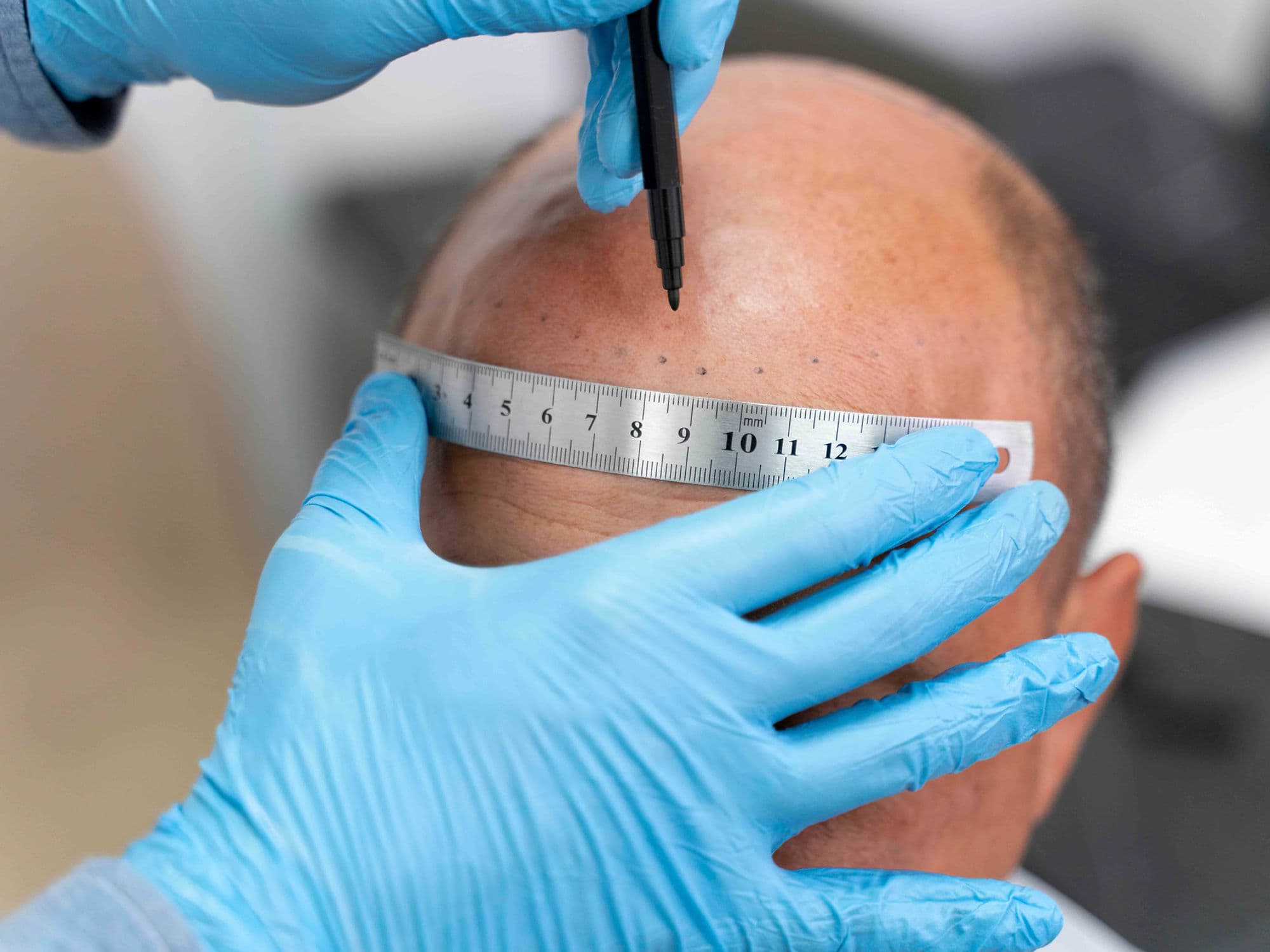
Consultation and Mapping: The technician designs a hairline that suits the patient’s face shape and age, marking it with a cosmetic pencil.
Pigment Matching: Specialized carbon-based pigments are selected to ensure they match the patient's existing hair and won't turn blue or green over time.
Micro-Pigmentation: Using an electric micro-needle, the technician deposits thousands of tiny pigment "dots" into the dermal layer of the skin.
Layering: The treatment is performed over 2 to 4 sessions, each building upon the last to create depth, shade, and realistic density.
Finishing: After the final session, the scalp is cleaned and treated with a soothing topical to minimize immediate redness.
Pre-Procedure Preparation
Scalp Care: Moisturizing the scalp daily for a week prior helps the skin accept the pigment more easily.
Hair Length: If going for the "shaved look," patients should shave their head to the desired length 24 hours before the session.
Substance Review: Avoid alcohol, blood thinners, and excessive caffeine for 48 hours to minimize sensitivity and bleeding.
Health Check: Ensure there are no active scalp infections, severe dandruff, or inflamed psoriasis in the treatment area.
Tests and Evaluations Before SMP
Patch Test: A small amount of pigment is applied behind the ear or on a discrete area of the scalp to check for allergic reactions.
Skin Tone Analysis: Determining the correct pigment "undertone" to ensure the dots look like natural hair follicles as they settle.
Hairline Mock-up: A visual preview of the proposed hairline to ensure the patient is happy with the "age-appropriate" placement.
Life After SMP (Recovery)
Immediate Post-Op: The scalp may be slightly red and the dots will appear darker than the final result for 3–5 days.
No-Touch Period: You must avoid washing the scalp or sweating (intense cardio/saunas) for at least 5 to 7 days to prevent the pigment from blurring.
Maintenance: If maintaining a shaved look, you must commit to shaving your natural hair every 1–3 days so the natural growth matches the pigment.
Long-Term Care: A "touch-up" session is typically required every 3 to 5 years as the pigment naturally fades over time.
Benefits of SMP
Instant Results: The change in appearance is visible immediately after the first session.
Non-Invasive: No surgery, no incisions, and no downtime required, making it a "walk-in, walk-out" procedure.
Cost-Effective: Generally more affordable than multiple hair transplant surgeries or long-term medication use.
Versatility: Works for all skin types, hair colors, and stages of hair loss, and can be adjusted or removed via laser if styles change.