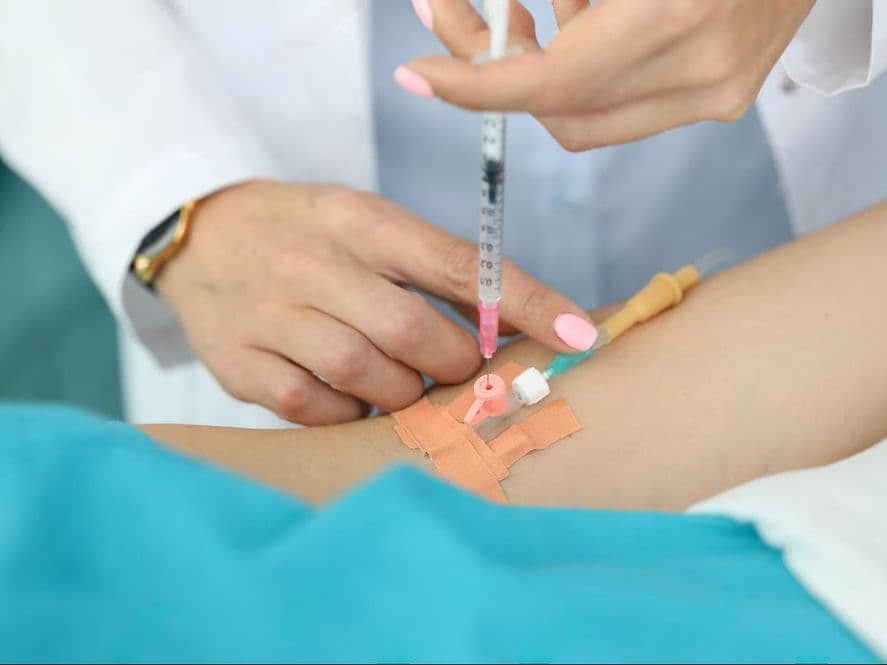
Soft Tissue Injection
Soft Tissue Injections
Soft tissue injections are minimally invasive treatments used to deliver therapeutic medications directly into muscles, tendons, ligaments, or bursae. These procedures are designed to reduce localized inflammation, alleviate chronic pain, and accelerate functional recovery within the musculoskeletal system. By bypassing the digestive system and bloodstream, these injections provide high-potency relief exactly where it is needed most.
Why the Procedure is Performed
Soft tissue injections are utilized when conservative measures—such as rest, icing, and oral medications—fail to provide adequate relief for specific musculoskeletal conditions:
Bursitis: Treating inflammation of the fluid-filled sacs that cushion joints, such as subacromial (shoulder) or trochanteric (hip) bursitis.
Tendinopathy & Tendonitis: Addressing chronic irritation or acute inflammation of tendons, including "tennis elbow," "golfer’s elbow," or Achilles tendonitis.
Trigger Points: Targeting localized "knots" in muscle tissue (myofascial pain syndrome) that cause radiating or referred pain.
Enthesopathy: Relieving pain at the sites where tendons or ligaments attach to bone, such as in cases of plantar fasciitis.
Carpal Tunnel Syndrome: Reducing swelling around the median nerve in the wrist to relieve numbness and pain.
Medications Used
The choice of "injectate" is tailored to the specific pathology and the patient's goals for recovery:
Corticosteroids: Potent anti-inflammatory agents used for rapid pain relief, particularly in cases of acute bursitis or inflammatory flares.
Local Anesthetics: Often mixed with other medications to provide immediate numbing, which also serves as a diagnostic tool to confirm the exact source of pain.
Platelet-Rich Plasma (PRP): Concentrated growth factors harvested from the patient's own blood used to stimulate cellular repair in chronic tendon tears or degenerative tissue.
Dextrose (Prolotherapy): A specialized irritant solution used to trigger the body’s natural healing response in weakened ligaments or tendons.
The Procedure (Clinical Standards)
Imaging Guidance: The modern standard of care utilizes real-time ultrasound guidance. This allows the clinician to visualize the needle tip as it moves through tissue, ensuring the medication is not accidentally injected into nerves, blood vessels, or the tendon fibers themselves.
Preparation: The target area is thoroughly cleaned with medical-grade antiseptic, and a topical anesthetic may be applied to minimize the sensation of the needle.
Precision Injection: Under ultrasound visualization, the needle is guided into the specific structure—such as the bursa or the protective sheath surrounding a tendon.
Post-Injection Monitoring: Patients are observed briefly to ensure no immediate adverse reactions occur, and the injection site is covered with a small bandage.
Innovations in Soft Tissue Management
AI-Enhanced Ultrasound ImagingSoftware that automatically identifies anatomical structures like nerves and tendons, highlighting the "safest path" for the needle in real-time.
Hydrodissection TechniquesUsing a high-volume injection of fluid to physically "unstick" a nerve that is being compressed by surrounding scar tissue or muscle.
Autologous Conditioned Serum (ACS)An advanced form of biologic therapy that uses the patient's own anti-inflammatory proteins to treat chronic soft tissue pain without the side effects of steroids.
Needle TenotomyA procedure where a needle is used to create micro-injuries in a chronic, scarred tendon to restart the healing process, often performed alongside a PRP injection.
Biodegradable Delivery ScaffoldsInjectable materials that stay at the site of injury for several weeks, slowly releasing medication to provide steady, long-term healing.
Risks and Considerations
Tendon Health: Clinicians avoid repeated steroid injections directly into tendon tissue, as this can lead to collagen weakening and an increased risk of rupture.
Post-Injection Flare: A temporary increase in localized pain for 24–48 hours as the tissue reacts to the medication; this is typically managed with rest and ice.
Fat Atrophy: Steroids can occasionally cause the fat layer under the skin to thin or lead to a temporary loss of skin pigment at the injection site.
Recovery Protocol: Patients are generally advised to rest the affected area for 48 to 72 hours to allow the medication to settle into the target tissue.
The "Rehab Window": Injections are most effective when viewed as a "window of opportunity" to engage in structured physical therapy to fix the biomechanical cause of the injury.
Life After Soft Tissue Injections
Rapid reduction in localized "burning" or "stabbing" pain associated with inflammation.
Improved range of motion and the ability to perform daily tasks or athletic movements with significantly less discomfort.
A personalized rehabilitation plan designed to strengthen the area and prevent the recurrence of the injury.
The benefit of a targeted, office-based treatment that avoids the downtime and risks associated with surgical intervention.