Surgical Delivery
Surgical Delivery (C-Section)
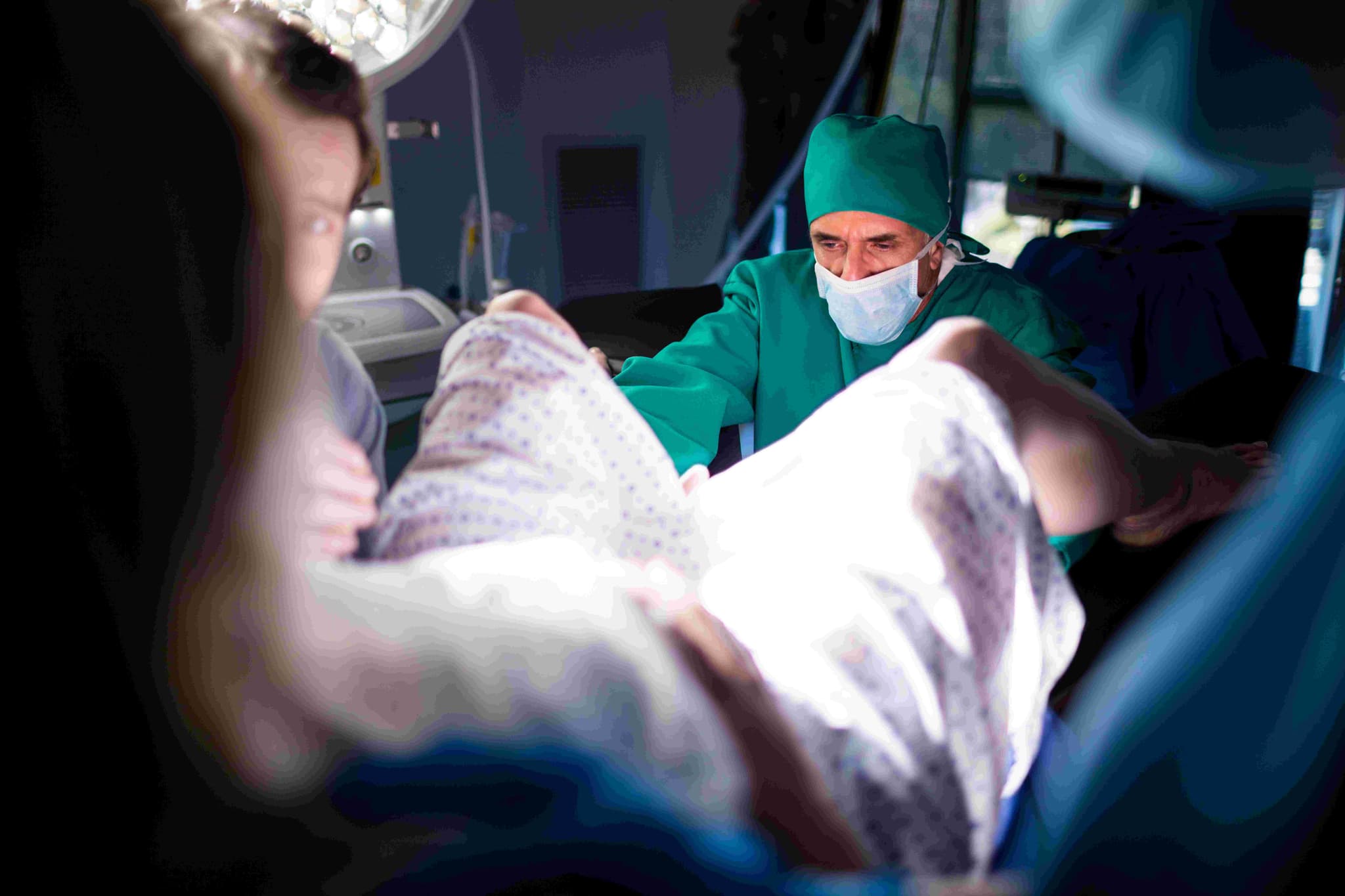
A surgical delivery, commonly known as a C-section (Caesarean Section), is the delivery of a baby through surgical incisions made in the mother's abdomen and uterus. This procedure is performed when a vaginal delivery is considered unsafe or impossible for the mother or the baby, ensuring a controlled and secure birth environment.
When You Should Consider a Surgical Delivery
Labor Dystocia: When labor fails to progress because the cervix stops dilating or the baby stops moving down the birth canal.
Fetal Distress: If the baby’s heart rate indicates they are not tolerating the stress of labor contractions well.
Abnormal Positioning: When the baby is in a breech (feet or bottom first) or transverse (sideways) position.
Placental Issues: Conditions such as Placenta Previa (where the placenta covers the cervix) or placental abruption.
Multiple Gestation: In the case of twins or triplets, particularly if the first baby is not in a head-down position.
Previous C-section: While many are candidates for a VBAC (Vaginal Birth After Caesarean), a repeat surgical delivery is often planned for safety.
How Is Performed
Anesthesia: The procedure is typically performed under regional anesthesia (spinal or epidural), which numbs the mother from the waist down while allowing her to remain awake.
Duration: The total surgery usually takes 45 to 60 minutes, though the baby is typically delivered within the first 10–15 minutes.
Abdominal Incision: The surgeon makes a horizontal incision (often called a "bikini cut") just above the pubic hairline to minimize visible scarring.
Uterine Opening: A second incision is made in the lower segment of the uterus to reach the baby.
Delivery and Placenta: The surgeon manually eases the baby out, suctions the nose and mouth, and cuts the umbilical cord. The placenta is then removed and the uterus is inspected.
Closure: The uterus is closed with dissolvable stitches, while the abdominal layers and skin are secured with stitches, staples, or surgical glue.
Pre-Procedure Preparation
Blood Testing: To determine blood type and hemoglobin levels in case a transfusion is required during the procedure.
Fasting: If the C-section is planned, you must follow strict "nothing by mouth" instructions for 8 hours prior to surgery.
Fetal Monitoring: Continuous monitoring of the baby's heart rate leading up to the start of the procedure.
Abdominal Prep: The surgical site is cleaned and sometimes clipped of hair to reduce the risk of infection.
IV Fluids and Catheterization: An intravenous line is started for fluids and medication, and a bladder catheter is inserted to keep the bladder empty and protected during surgery.
Tests Before Surgical Delivery
Ultrasound: To confirm the baby's position, placental location, and estimated fetal weight.
Biophysical Profile (BPP): A test that combines fetal heart rate monitoring and ultrasound to check the baby's well-being.
Coagulation Profile: To ensure the mother’s blood clots normally before making surgical incisions.
Non-Stress Test (NST): To measure the baby's heart rate in response to its own movements.
Life After Surgical Delivery
Hospital Stay: The typical stay is 2 to 4 days for monitoring and initial recovery.
Pain Management: Incision site pain is managed with prescribed oral medications. Early walking (within 24 hours) is highly encouraged to prevent blood clots.
Incision Care: The wound must be kept clean and dry. Any staples or non-dissolvable stitches are usually removed by a healthcare provider after one week.
Physical Restrictions: You must avoid heavy lifting (nothing heavier than the baby) and strenuous exercise for at least 6 weeks.
Vaginal Bleeding: It is normal to experience vaginal discharge (lochia) for 4–6 weeks as the uterus heals and returns to its original size.
Why Specialized Treatment Is Highly Effective
Life-Saving Intervention: Provides a rapid and safe alternative when vaginal delivery poses a risk to the life of the mother or child.
Controlled Environment: Allows for a scheduled, calm delivery in cases where medical complications are known in advance.
Advanced Surgical Techniques: Modern horizontal incisions and suturing methods result in stronger uterine healing and more discreet cosmetic outcomes.
Immediate Pediatric Access: Being in an operating room ensures that specialized pediatric teams are immediately available to care for the newborn if needed.
Predictable Outcomes: For high-risk pregnancies involving placental issues or multiples, a surgical delivery offers the most predictable path to a healthy birth.
Surgical Delivery Cost in India
The cost of Surgical Delivery in India is generally affordable compared with many other countries, making India a popular destination for international patients seeking quality medical care. The treatment cost depends on factors such as the hospital, doctor's experience, treatment approach, medical condition, hospital stay, diagnostic tests, medicines, and any additional procedures required. For international patients, the starting cost of Surgical Delivery in India is approximately 300 USD, although the final price may vary based on individual treatment requirements. Patients are advised to obtain a personalized treatment estimate after medical evaluation.