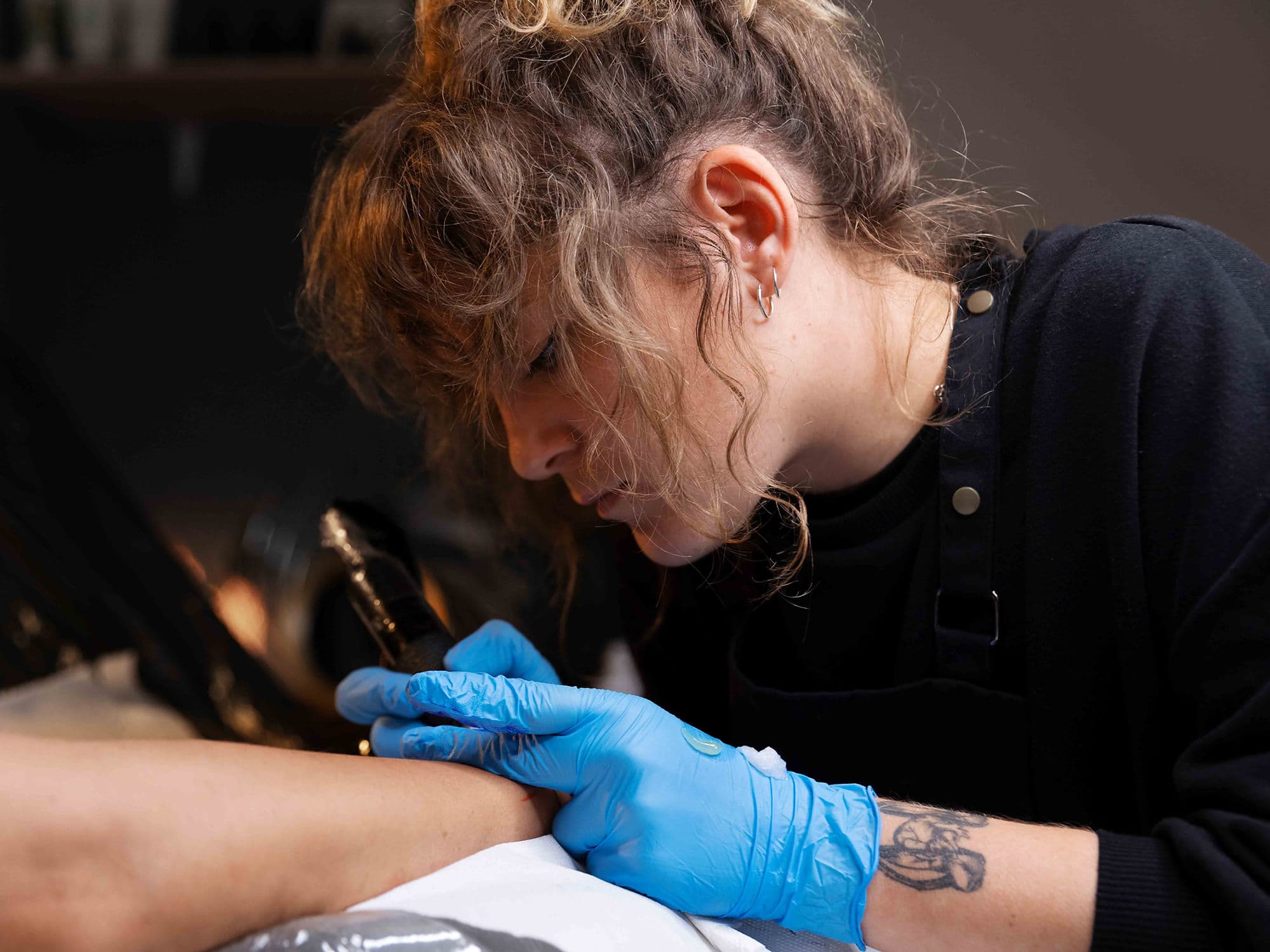
Tattoo Removal by Laser
Laser Tattoo Removal
Laser tattoo removal is a non-invasive procedure in 2026 that uses high-intensity light pulses to break down permanent ink into tiny fragments. Once shattered, the body's immune system—specifically the lymphatic system—naturally flushes these particles out over several months, gradually fading the tattoo until it is no longer visible.
When You Should Consider Laser Tattoo Removal
This procedure is the primary solution for individuals looking to eliminate or fade existing body art. Key indications include:
Complete Removal: Seeking to entirely clear a tattoo from the skin.
Partial Fading for a "Cover-Up": Lightening an old tattoo so a new design can be more effectively tattooed over the area.
Correction of Aesthetic Errors: Removing specific parts of a tattoo, such as "bleeding" lines or unwanted details.
Career or Lifestyle Changes: Addressing tattoos that no longer align with professional requirements or personal identity.
Tattoo Regret: Addressing dissatisfaction with the design, placement, or quality of a previous tattoo.
Methods and Technologies in 2026
Picosecond Lasers: The current gold standard, delivering ultra-short pulses (one-trillionth of a second) that shatter ink into dust-like particles for faster clearance.
Q-Switched (Nanosecond) Lasers: Traditional technology still used for specific ink types or as a cost-effective alternative for certain colors.
Multi-Wavelength Systems: Utilizing different wavelengths (e.g., 532nm, 1064nm) to target a full spectrum of colors, including stubborn reds, greens, and yellows.
FracTat Technique: Using a fractional laser to create "micro-channels" in the skin before the tattoo removal laser, which helps gas escape and reduces the risk of blistering.
R20/R0 Protocol: A 2026 approach where multiple passes of the laser are performed in a single session to accelerate the fading process.
How Laser Tattoo Removal Is Performed
Skin Assessment: The specialist evaluates the tattoo's age, ink depth, and colors to calibrate the laser settings.
Numbing: A topical anesthetic or a "chiller" (a device that blows cold air) is used to minimize the "rubber band snap" sensation.
Laser Application: The laser handpiece is passed over the tattoo. The light energy is absorbed by the ink, causing it to heat up and shatter.
Frosting Observation: A temporary white "frosting" appears on the skin immediately after the laser hits the ink; this is a sign that the ink has reacted to the energy.
Post-Treatment Care: An antibiotic ointment and a sterile bandage are applied to the area to protect the skin as it begins the healing process.
Pre-Procedure Preparation
Sun Avoidance: The area must not be tanned or sunburnt for at least 4 weeks prior to treatment, as this increases the risk of skin damage.
Hydration: Drinking plenty of water helps the lymphatic system function efficiently to clear the ink.
No Smoking: Smoking impairs blood flow and can significantly slow down the ink-clearing process.
Health Screening: Ensuring the patient does not have active skin infections or a history of keloid scarring in the treatment area.
Tests and Evaluations Before Treatment
Ink Color Analysis: Determining the exact wavelengths needed; dark blues and blacks are easiest, while light greens and yellows require more specialized settings.
Kirby-Desai Scale Assessment: A 2026 standard used to estimate the number of sessions required based on skin type, tattoo location, and ink density.
Medical Review: Checking for medications that cause photosensitivity, which could lead to adverse skin reactions.
Life After Laser Tattoo Removal (Recovery)
Immediate Hours: Redness, swelling, and a sensation similar to a sunburn are universal. The white "frosting" disappears within 20–30 minutes.
Days 1–3: Blistering and scabbing are common and indicate a healthy immune response. It is vital not to pick at these to avoid scarring.
The Clearing Phase: Over the next 6–8 weeks, the tattoo will gradually fade as the body processes the shattered ink.
Total Timeline: Most removals require 6 to 12 sessions spaced 6 to 8 weeks apart, meaning a full removal typically takes 8 months to over a year.
Benefits of Laser Tattoo Removal
Non-Invasive: Clears ink without the need for surgery, incisions, or dermabrasion.
High Precision: Can target specific parts of a tattoo without affecting the surrounding un-inked skin.
Minimal Scarring Risk: Modern picosecond technology focuses on "photo-acoustic" shattering rather than excessive heat, protecting the skin's integrity.
Versatility: Effective on nearly all skin types and a wide variety of ink colors when performed by a specialist.