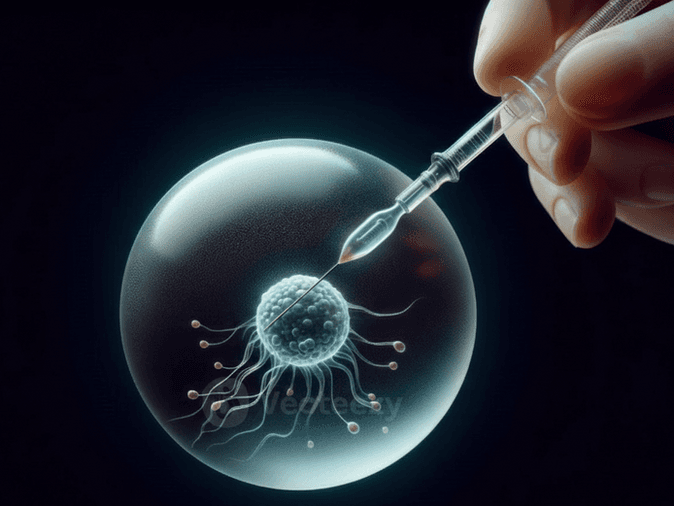
Testicular Sperm Extraction (TESE)
Testicular Sperm Extraction (TESE)
Testicular Sperm Extraction (TESE) is a specialized surgical procedure designed to retrieve viable sperm directly from the testicular tissue. It serves as the primary solution for men diagnosed with Azoospermia (zero sperm count in the ejaculate), whether caused by a physical blockage or a production deficiency. By utilizing advanced microsurgical techniques, TESE allows men who were previously considered infertile to achieve biological fatherhood through assisted reproduction.
When You Should Consider TESE
Diagnosis of Obstructive Azoospermia caused by a blockage in the reproductive tract or a previous vasectomy.
Diagnosis of Non-Obstructive Azoospermia, where the testes produce very low levels of sperm that do not reach the ejaculate.
History of failed percutaneous needle aspirations (PESA/TESA) where a more direct tissue sample is required.
Presence of retrograde ejaculation that has not responded to less invasive collection methods.
Genetic conditions, such as Klinefelter syndrome, that impact standard sperm production.
Situations where a high-quality, direct tissue sample is needed to maximize ICSI fertilization success.
Conditions That Require Specialized Care
Congenital Absence of the Vas Deferens (CAVD), often associated with cystic fibrosis genes.
Post-infectious scarring or trauma that has obstructed the natural delivery of sperm.
Hormonal imbalances leading to severely diminished sperm maturation.
Idiopathic Non-Obstructive Azoospermia requiring the precision of a microsurgical approach.
Revision procedures following an unsuccessful primary sperm retrieval attempt.
How TESE Is Performed
The procedure is performed in an outpatient surgical suite under local or general anesthesia.
A small, precise incision is made in the scrotum to allow access to the testicular tissue.
In conventional cases, small samples of tissue are removed from various zones of the testicle.
In microsurgical cases (Micro-TESE), a high-powered operating microscope is used to identify healthy, dilated tubules.
An on-site embryologist immediately examines the tissue samples under a microscope to confirm the presence of motile sperm.
The retrieved sperm is then either prepared for immediate use in an ICSI cycle or cryopreserved for future use.
Modern Innovations in TESE
Micro-TESE (Microsurgical TESE)The gold standard for complex cases, using up to 25x magnification to find sperm-producing areas while sparing healthy tissue.
Advanced CryopreservationSophisticated "slow-freezing" or vitrification techniques that ensure the highest survival rates for retrieved testicular sperm.
On-Site Embryological MappingReal-time tissue assessment during surgery, which reduces the time the tissue spends outside the body and improves viability.
Robotic-Assisted MicrosurgeryThe use of robotic precision to stabilize the surgical field and enhance the accuracy of tubule identification.
Proteomic MarkersEmerging diagnostic tools that help predict which areas of the testis are most likely to contain mature sperm before the incision is made.
Miniaturized Surgical InstrumentationMicro-forceps and specialized needles designed to minimize post-operative swelling and accelerate healing.
Pre-Procedure Preparation
Comprehensive hormonal profile testing (FSH, LH, Testosterone) to evaluate the status of sperm production.
Genetic screening, including Y-chromosome microdeletion and Karyotype testing.
Coordination with the IVF lab to synchronize the retrieval with the partner's egg retrieval if a "fresh" transfer is planned.
Physical examination and scrotal ultrasound to map the internal anatomy and identify any varicoceles.
Pre-surgical counseling to discuss the probability of sperm retrieval based on individual clinical markers.
Pre-Procedure Tests
Scrotal Ultrasound to evaluate testicular volume and blood flow.
Semen Analysis (repeated) to confirm the persistent absence of sperm in the ejaculate.
Detailed Blood Panels for infectious diseases as required by ART safety standards.
Cardiac and general health clearance for patients undergoing general anesthesia.
Inhibin B testing, which can serve as a biological marker for the presence of active sperm-producing tissue.
Why This Treatment Is Highly Effective
Offers a near 100% success rate for sperm retrieval in cases of Obstructive Azoospermia.
Provides a breakthrough solution for Non-Obstructive cases, with sperm found in a significant number of patients using Micro-TESE.
Enables the use of Intracytoplasmic Sperm Injection (ICSI), requiring only a few healthy sperm to achieve fertilization.
Minimizes the risk of testicular damage compared to older, more aggressive biopsy techniques.
Allows for the banking of sperm, reducing the need for the male partner to undergo repeated surgeries.
Recovery and Monitoring
Most patients return home within a few hours of the procedure and can resume desk work in 2-3 days.
Mild swelling and bruising are managed with cold compresses and supportive garments for the first 48 hours.
Full physical activity and heavy lifting are typically restricted for approximately one week.
Follow-up appointments include an assessment of the incision site and a discussion of the embryology results.
The clinical team provides ongoing coordination for the subsequent IVF or ICSI phases of treatment.
Life After TESE
Transition to the IVF/ICSI phase with the confidence that viable genetic material has been secured.
Successful biological parenthood for men who were previously told they had no reproductive options.
Potential for future children through the use of cryopreserved testicular tissue.
Continued monitoring of hormonal health, particularly if a significant amount of tissue was removed.
Psychological resolution and empowerment through the successful navigation of male-factor infertility.