Tubal Recanalization
Tubal Recanalization
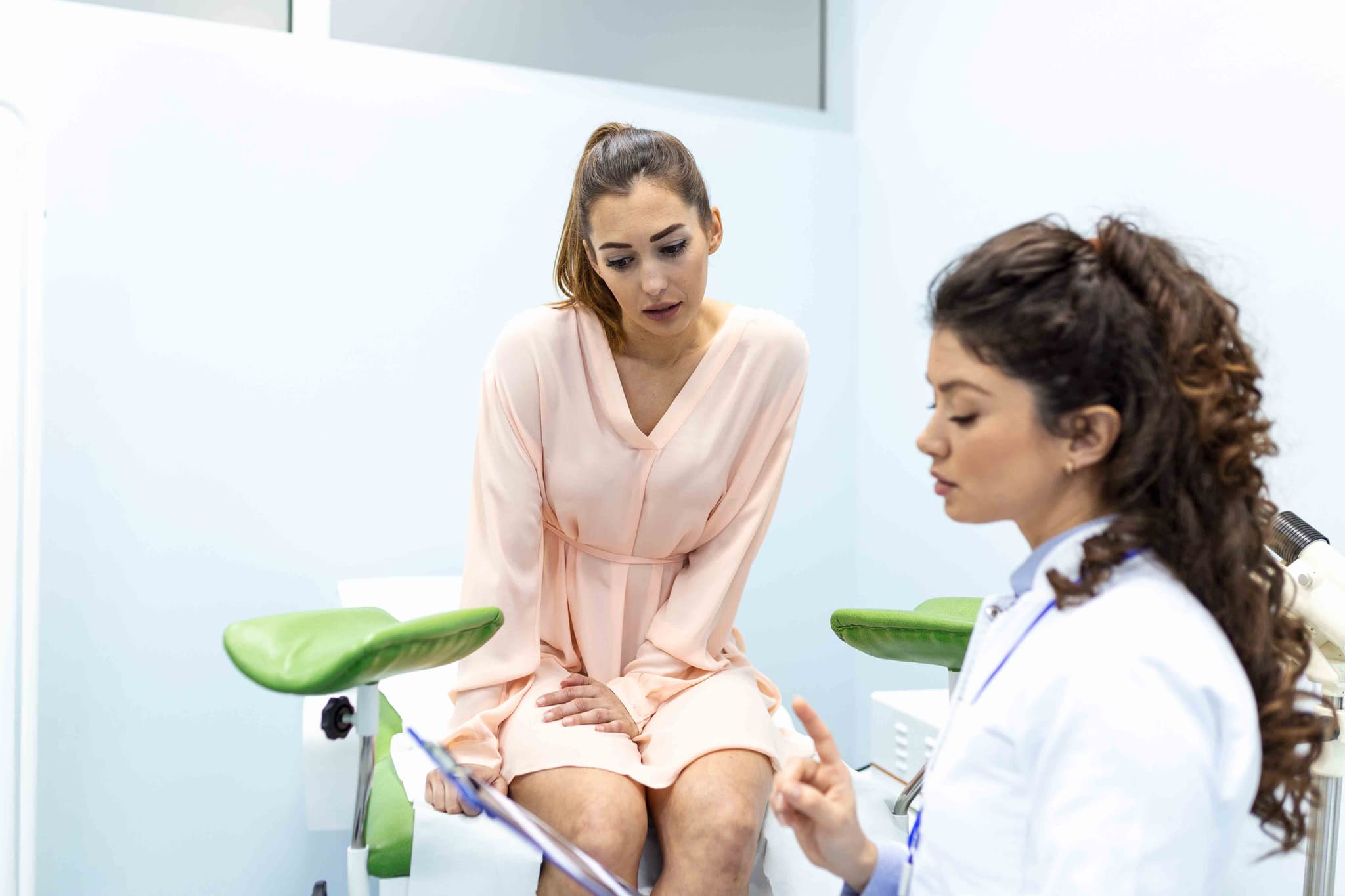
Tubal recanalization is a medical procedure used to reopen or reconnect the fallopian tubes to restore fertility. It is most commonly performed to reverse a previous tubal ligation (sterilization) or to clear blockages caused by infection, scarring, or debris. This procedure offers a path to natural conception by restoring the continuous pathway required for an egg to meet sperm.
When You Should Consider Tubal Recanalization
Reversal of Tubal Ligation: If you previously had your "tubes tied" and now wish to restore natural fertility.
Proximal Tubal Occlusion: When the portion of the tube closest to the uterus is blocked by mucus plugs or minor scarring.
Secondary Infertility: If you have successfully conceived in the past but now face blockages due to pelvic inflammatory disease (PID) or endometriosis.
Desire for Natural Conception: For patients who prefer natural pregnancy over assisted reproductive technologies like IVF.
Post-Infection Blockage: When a previous pelvic infection has left debris or light adhesions within the tubal canal.
Methods of Tubal Recanalization
Non-Surgical (Fluoroscopic) Recanalization: An interventional radiologist uses X-ray guidance to pass a fine catheter through the cervix into the tubes to clear "plugs" without incisions.
Laparoscopic Tubal Anastomosis: A minimally invasive "keyhole" surgery where a surgeon uses micro-instruments to reconnect the severed ends of the tubes.
Hysteroscopic Cannulation: A small camera is inserted through the vagina and cervix to clear blockages specifically located at the opening of the tubes.
Open Microsurgical Repair: Performed through a traditional "bikini cut" incision, typically reserved for complex cases where laparoscopy is not feasible.
How Is Performed
Anesthesia: Depending on the method, the procedure can be performed under local anesthesia (non-surgical), regional, or general anesthesia (surgical).
Duration: Non-surgical methods typically take about 30 minutes, while surgical reconnection can take between 1 to 3 hours.
Access: The surgeon or radiologist accesses the tubes either through the natural opening of the cervix or via small abdominal incisions.
Clearing or Joining: The blockage is either physically cleared with a catheter or the scarred ends of the tube are trimmed and precisely sutured together.
Dye Test (Chromotubation): A colored dye is often injected through the tubes during the procedure to confirm they are completely open and functional.
Closure: For surgical cases, small incisions are closed with dissolvable stitches or surgical glue.
Pre-Procedure Preparation
Hysterosalpingogram (HSG): A specialized X-ray used to map the exact location of the blockage and assess the health of the remaining tubal segments.
Semen Analysis: It is often mandatory for the partner to undergo testing to ensure there are no male fertility factors before proceeding with surgery.
Laparoscopic Review: In some cases, a diagnostic laparoscopy is done first to ensure there is enough healthy tube (at least 4–5 cm) for a successful repair.
Fasting: Following "nothing by mouth" instructions for 8 hours if the procedure involves sedation or general anesthesia.
Medication Audit: Stopping blood thinners or aspirin 7–10 days prior to the procedure to minimize surgical risks.
Tests Before Tubal Recanalization
Pelvic Ultrasound: To check for other fertility-related issues such as fibroids or ovarian cysts.
Ovarian Reserve Testing: Blood tests (such as AMH) to ensure the patient has a healthy egg supply, particularly for those over age 35.
Infection Screening: Testing for Chlamydia or Gonorrhea to ensure no active infection is present that could cause immediate re-scarring.
ECG: A standard heart check to confirm safety for the chosen level of anesthesia.
Life After Tubal Recanalization
Hospital Stay: Most procedures are performed on an outpatient basis, allowing you to return home the same day.
Immediate Recovery: Most women can resume light daily activities within a few days to two weeks, depending on the surgical approach.
Conception Timeline: It may take several months to a year to conceive naturally; doctors often recommend waiting one to two menstrual cycles before trying.
Monitoring for Ectopic Pregnancy: Because there is a higher risk (5% to 15%) of a tubal pregnancy after repair, any positive pregnancy test must be followed by an early ultrasound.
Follow-up Imaging: A repeat HSG may be performed 3–6 months later to confirm the tubes remain open (patent).
Why Specialized Treatment Is Highly Effective
Restores Natural Fertility: Allows for multiple future pregnancies without the need for repeated medical interventions or hormonal stimulation.
Technically Advanced Microsurgery: The use of high-magnification laparoscopy or robotic platforms ensures the most precise reconnection of delicate tissues.
Non-Invasive Options: Fluoroscopic techniques offer a highly effective way to clear blockages without the need for surgery or general anesthesia.
High Success Rates: For ideal candidates (under 35 with sufficient tubal length), the chances of successful pregnancy are significantly improved.
Cost-Effective Long Term: For many couples, a one-time successful recanalization is more affordable than multiple rounds of IVF.
Tubal Recanalization Cost in India
The cost of Tubal Recanalization in India is generally affordable compared with many other countries, making India a popular destination for international patients seeking quality medical care. The treatment cost depends on factors such as the hospital, doctor's experience, treatment approach, medical condition, hospital stay, diagnostic tests, medicines, and any additional procedures required. For international patients, the starting cost of Tubal Recanalization in India is approximately 800 USD, although the final price may vary based on individual treatment requirements. Patients are advised to obtain a personalized treatment estimate after medical evaluation.