Tympanoplasty Surgery
Tympanostomy (Ear Tube Placement)
Tympanostomy, commonly known as ear tube placement, is a surgical procedure where a tiny hollow cylinder is inserted into the eardrum (tympanic membrane). This procedure is the most frequent surgery performed on children but is also used for adults to treat persistent middle ear issues. By creating a reliable path for ventilation and drainage, tympanostomy effectively prevents the buildup of fluid, restores hearing, and significantly reduces the frequency of painful ear infections.
When You Should Consider Tympanostomy
Recurrent acute otitis media (typically 3 infections in 6 months or 4 in a year).
Chronic Otitis Media with Effusion (fluid that persists for more than 3 months).
Conductive hearing loss caused by the presence of trapped fluid behind the eardrum.
Significant speech or language delays in children linked to poor hearing.
Severe eardrum retraction caused by negative pressure in the middle ear.
Chronic Eustachian tube dysfunction that has not responded to medical management.
Conditions That Require Specialized Care
Cleft palate or Down syndrome, where ear anatomy is more susceptible to fluid buildup.
Barotrauma in adults, often caused by rapid air pressure changes (flying or diving).
Prior ear surgeries or existing eardrum perforations that require careful tube selection.
Chronic allergies or sinus issues that exacerbate middle ear inflammation.
Cases where standard tubes have repeatedly fallen out too early or stayed in too long.
How Tympanostomy Is Performed
The surgeon uses a high-powered operating microscope or endoscope for maximum precision.
A tiny incision (myringotomy) is made in the eardrum to access the middle ear.
Any trapped fluid or "glue" behind the eardrum is gently suctioned out.
A small tube (made of silicone, fluoroplastic, or metal) is inserted into the incision.
The procedure is an outpatient surgery, typically taking between 8 to 15 minutes.
Children usually receive brief general anesthesia via mask, while adults may receive local anesthesia.
Innovations in Ear Tube Surgery
Bio-Compatible "Smart" TubesAdvanced materials that resist bacterial biofilm formation, significantly reducing the risk of post-operative ear discharge.
In-Office Pediatric Tube PlacementNewer delivery systems that allow for tube placement in some children without the need for general anesthesia.
Laser-Assisted MyringotomyThe use of precision lasers to create the incision, which can sometimes provide temporary ventilation without a tube.
Long-Acting "T-Tubes"Specially shaped tubes designed to remain in the eardrum for several years for patients with chronic long-term issues.
Endoscopic Visual ConfirmationHigh-definition endoscopes that allow surgeons to view the middle ear space more comprehensively than traditional microscopes.
Automated Tube Delivery SystemsAll-in-one devices that perform the incision and tube placement in a single, rapid step for increased safety.
Pre-Procedure Preparation
Audiology (hearing) test to establish the baseline level of hearing loss.
Fasting (NPO) instructions for children undergoing general anesthesia to ensure safety.
A brief physical exam to ensure the patient is free of an active, high-fever infection.
Discussion with the surgeon regarding the choice between short-term and long-term tubes.
Coordination of a 1-to-2-hour hospital stay for the procedure and initial recovery.
Pre-Procedure Tests
Tympanometry: A test to measure the movement of the eardrum and confirm the presence of fluid.
Audiogram: A comprehensive hearing test to determine the degree of conductive hearing loss.
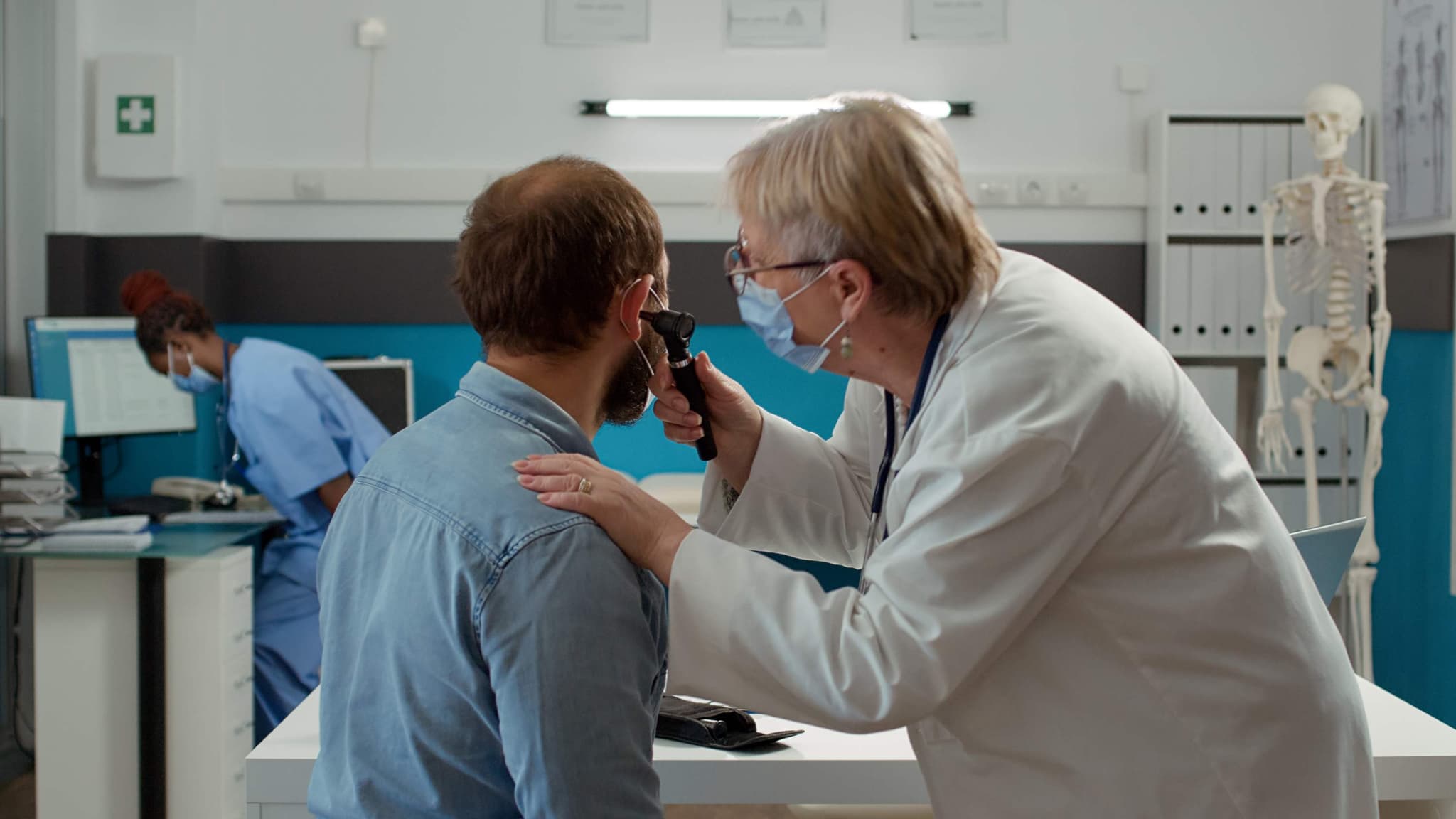
Pneumatic Otoscopy: A visual exam to assess eardrum mobility under gentle air pressure.
Standard Pre-Anesthetic Screening: For pediatric patients to ensure fitness for brief sedation.
Nasopharyngeal Exam: In some adults to rule out other causes of Eustachian tube blockage.
Why This Treatment Is Highly Effective
Immediate Hearing Restoration: Hearing often returns to normal levels as soon as the fluid is drained.
Infection Prevention: Allows the middle ear to "breathe," preventing the stagnant environment where bacteria grow.
Pain Reduction: Eliminates the painful pressure buildup associated with ear infections and fluid.
Improved Development: Restored hearing allows children to reach speech and language milestones more effectively.
Non-Invasive Nature: The eardrum heals naturally around the tube and usually pushes it out on its own.
Recovery and Monitoring
Most patients go home within 1 to 2 hours after the procedure and resume normal activity the next day.
Ear drops are often prescribed for a few days to prevent the tube from clogging and reduce inflammation.
Post-operative hearing is usually checked within 4 to 6 weeks to confirm success.
Most tubes fall out naturally within 6 to 18 months as the eardrum heals.
Regular check-ups every 6 months are recommended until the tubes have successfully extruded.
Life After Tympanostomy
Significant reduction in the need for systemic antibiotics and emergency clinic visits.
Improved academic and social performance in children due to clear, consistent hearing.
Easy management of "swimmer's ear" or discharge using targeted antibiotic ear drops.
Peace of mind for parents as the frequency of painful, sleepless nights from earaches decreases.
Potential for a "permanent" fix for middle ear issues as the child's ear anatomy matures.
Tympanoplasty Surgery Cost in India
The cost of Tympanoplasty Surgery in India is generally affordable compared with many other countries, making India a popular destination for international patients seeking quality medical care. The treatment cost depends on factors such as the hospital, doctor's experience, treatment approach, medical condition, hospital stay, diagnostic tests, medicines, and any additional procedures required. For international patients, the starting cost of Tympanoplasty Surgery in India is approximately 400 USD, although the final price may vary based on individual treatment requirements. Patients are advised to obtain a personalized treatment estimate after medical evaluation.