Vaginal Repair Surgery
Vaginal Repair (Colporrhaphy)
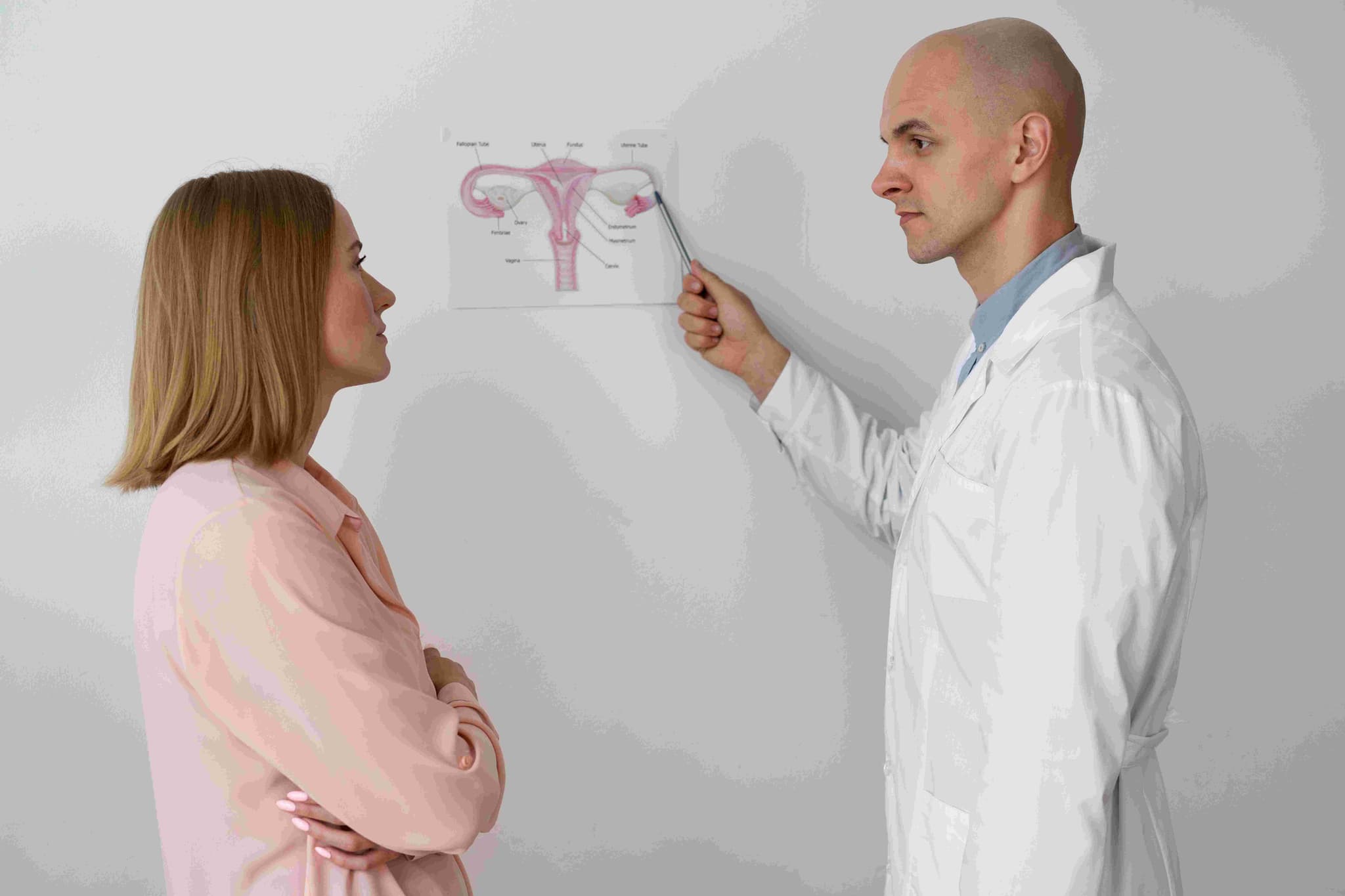
Vaginal repair surgery, clinically known as Colporrhaphy, is a procedure used to reinforce and strengthen the vaginal walls when they have become weakened or stretched. This is most commonly performed to treat pelvic organ prolapse, such as a Cystocele (bladder bulging into the vagina) or a Rectocele (rectum bulging into the vagina), restoring the pelvic organs to their correct anatomical positions.
When You Should Consider Vaginal Repair
Physical Bulge: Feeling or seeing a lump at or poking out of the vaginal opening, especially after long periods of standing or straining.
Pelvic Pressure: A constant "heavy" or dragging sensation in the lower pelvis that may improve when lying down.
Bladder Dysfunction: Difficulty emptying the bladder completely, a frequent urge to urinate, or recurrent urinary tract infections (UTIs).
Bowel Issues: Difficulty having a bowel movement or the need to "splint" (pressing on the vaginal wall with a finger) to assist a bowel movement.
Childbirth Injury: If the perineum (the area between the vagina and anus) was severely torn or stretched during delivery, causing functional or cosmetic concerns.
Types of Repair
Anterior Repair: Focuses on the front wall of the vagina to support and lift a prolapsed bladder.
Posterior Repair: Focuses on the back wall of the vagina to support a prolapsed rectum.
Perineorrhaphy: Often performed alongside a posterior repair to strengthen the perineum and the muscles around the vaginal opening.
Enterocele Repair: A specialized repair for the top of the vaginal wall if the small intestine is bulging into the vaginal space.
How Is Performed
Access: This is a "scarless" surgery performed entirely through the vaginal opening. There are no abdominal incisions or external scars.
Anesthesia: The surgery is typically performed under general or spinal anesthesia and takes about 30 to 60 minutes.
The Procedure: The surgeon makes a precise incision in the vaginal lining to reach the underlying supportive tissue (fascia).
Reinforcement: The shifted organ (bladder or rectum) is moved back into its proper place, and the surgeon uses permanent or long-lasting dissolvable stitches to tighten and "pleat" the weakened fascia.
Trimming: Any excess or overstretched vaginal skin is trimmed away to ensure a firm, supportive wall before the incision is closed with dissolvable sutures.
Pre-Procedure Preparation
Pelvic Floor Exam: A detailed assessment to determine which compartments of the vagina require reinforcement.
Urodynamic Studies: To check how well the bladder is functioning and ensure the repair won't cause new urinary leakage.
Bowel Management: Starting a high-fiber diet or mild stool softeners a few days before surgery to ensure a "soft" first bowel movement post-op.
Smoking Cessation: Stopping smoking at least 6 weeks prior is vital, as chronic coughing puts immense pressure on the new stitches and can cause the repair to fail.
Fasting: Following "nothing by mouth" instructions for 8 hours prior to your scheduled anesthesia.
Tests Before Vaginal Repair
Post-Void Residual (PVR) Scan: A simple ultrasound to measure how much urine stays in the bladder after you try to empty it.
Pelvic Ultrasound: To rule out other issues like uterine fibroids or ovarian cysts that might be contributing to pelvic pressure.
Cystoscopy: A quick look inside the bladder to ensure the lining is healthy before the anterior wall is repaired.
ECG: A routine heart check to confirm you are healthy enough for the duration of the surgery.
Life After Vaginal Repair
Hospital Stay: Most patients stay in the hospital for one night to ensure they can urinate comfortably and that pain is well-controlled.
Immediate Symptoms: It is normal to experience mild vaginal bleeding and a "watery" discharge for 2 to 4 weeks as the internal stitches dissolve.
The "6-Week Rules": To prevent the stitches from tearing and ensure the repair holds for the long term, you must strictly avoid:
Heavy Lifting: Nothing heavier than 2kg (roughly a bag of sugar).
Straining: Stool softeners are essential to prevent constipation and abdominal pressure.
Sexual Activity: No intercourse or use of tampons while the vaginal lining heals.
High-Impact Exercise: No running, jumping, or heavy core training.Pelvic Floor Physiotherapy: Many patients are referred to a specialist therapist after 6 weeks to learn how to properly strengthen the muscles that support the new repair.
Why Specialized Treatment Is Highly Effective
Restores Quality of Life: Eliminates the physical discomfort and the "bulge" sensation, allowing for a more active and comfortable lifestyle.
Incision-Free Technology: Performing the surgery through the vagina avoids the risks and recovery time associated with abdominal surgery.
Functional Restoration: Significantly improves bladder and bowel control by returning the organs to their natural anatomical positions.
Long-Lasting Support: The use of specialized, high-strength sutures ensures the internal "scaffolding" of the vagina is rebuilt to last.
Combined Approaches: Surgeons can often address multiple types of prolapse (bladder, rectum, and perineum) in a single, short surgical session.
Vaginal Repair Surgery Cost in India
The cost of Vaginal Repair Surgery in India is generally affordable compared with many other countries, making India a popular destination for international patients seeking quality medical care. The treatment cost depends on factors such as the hospital, doctor's experience, treatment approach, medical condition, hospital stay, diagnostic tests, medicines, and any additional procedures required. For international patients, the starting cost of Vaginal Repair Surgery in India is approximately 500 USD, although the final price may vary based on individual treatment requirements. Patients are advised to obtain a personalized treatment estimate after medical evaluation.