+91 83682 47758
info@medivisorhealth.com
Medivisor India Treatment Logo
  • Home
    • About Us
    • Our Services
    • Our Team
    • Our Safety Measures
    • Loading treatments...
    • Loading hospitals...
    • Loading doctors...
    • Treatment Cost
    • Treatment Process
    • Visa Process
    • Travel Guide
    • FAQs
    • Why Medivisor
    • Success Stories
    • Patient Activities
    • Social Activities
    • News Coverage
    • Blog
  • Become a Partner

Medivisor India Treatment is a trusted New Delhi-based medical travel company assisting international patients with advanced, affordable, and seamless treatment in India.

  • Medivisor House 359, Sector 1, Vaishali, Ghaziabad, (Delhi/NCR) India
  • +91 8368 247 758
  • info@medivisorhealth.com

About Us

  • About Us
  • Our Services
  • Our Team
  • Our Medical Advisors
  • Our Safety Measures
  • Join Our Network
  • Contact Us

India Treatment

  • Hospitals
  • Treatments
  • Treatment Cost
  • Treatment Process
  • Visa Process
  • Travel Guide
  • FAQs
  • Why Medivisor

Gallery

  • Patient Testimonials
  • Patient Activities
  • News Coverage
  • Blog

Get in Touch

© 2026 Medivisor India Treatment. All rights reserved.

Hematology

  1. Home
  2. Departments
  3. Hematology

The Hematology Department at our partner hospitals offers comprehensive medical treatments with world-class facilities. Our team of experienced specialists provides personalized care using advanced medical technology.

We offer 4 different Hematology treatments and procedures, catering to both domestic and international patients seeking affordable healthcare in India.

May we help you?

Enter digits only (6-15 digits). We'll add your country code.

Hematology Treatments in India

Bone Marrow Transplant

A bone marrow transplant (BMT), also called a Hematopoietic Stem Cell Transplant, is a procedure that replaces diseased or damaged bone marrow with healthy stem cells. These stem cells are the "factories" that produce your red blood cells, white blood cells, and platelets.

  • To replace non-functioning marrow in conditions such as Aplastic Anemia.

  • To "rescue" the marrow after high-dose chemotherapy for Leukemia, Lymphoma, or Multiple Myeloma.

  • To replace "broken" or genetically abnormal cells in disorders like Sickle Cell Disease or Thalassemia.

  • When other primary treatments have failed and a transplant offers the only curative option.

  • Following the identification of a matched donor or the successful collection of own healthy stem cells.

  • Autologous Transplant: A procedure using the patient's own stem cells, which are collected and frozen before intensive treatment.

  • Allogeneic Transplant: A transplant using stem cells from a matched relative or an unrelated volunteer donor.

  • Matched Sibling Donor: Using a brother or sister who has the same human leukocyte antigen (HLA) type.

  • Haploidentical Transplant: A type of allogeneic transplant using a donor who is a "half-match," such as a parent or child.

  • Umbilical Cord Blood Transplant: Using stem cells harvested from the umbilical cord and placenta after a baby is born.

  • Conditioning: Administration of high-dose chemotherapy or radiation over 5–7 days to clear out old marrow.

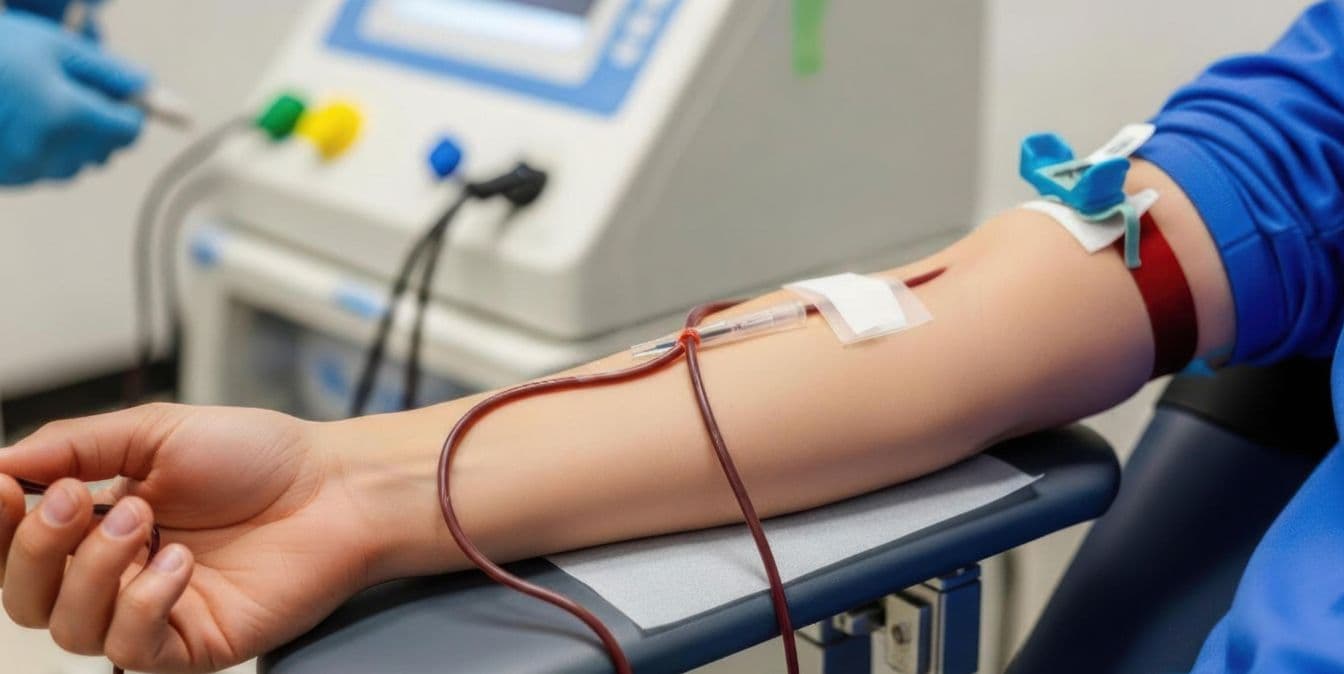
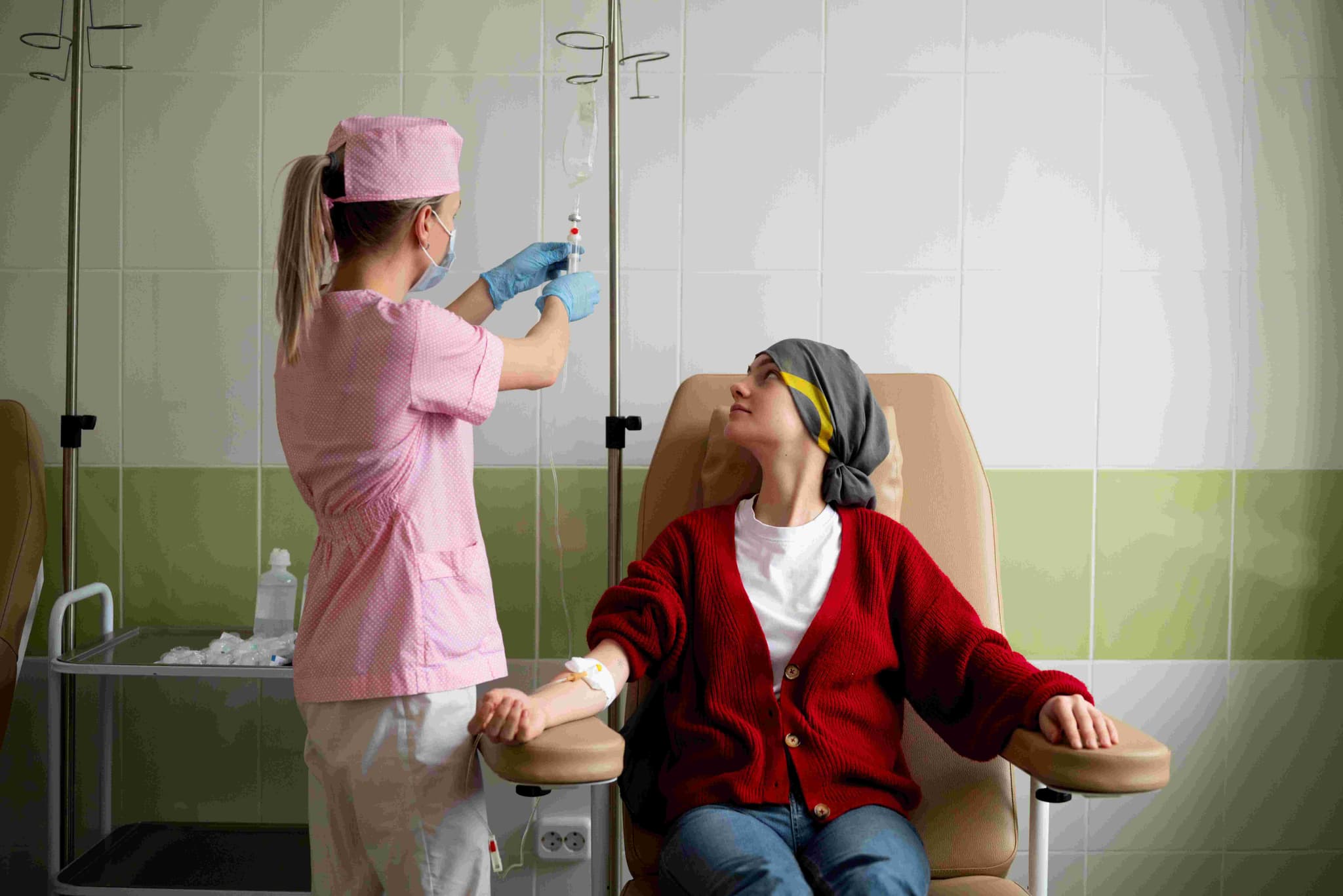
  • Stem Cell Infusion: Healthy cells are infused through a central venous catheter (PICC or Hickman line), similar to a blood transfusion.

  • Engraftment: A 2–4 week period where the new cells travel to the bones and begin producing new blood cells.

  • Immune Reset: The process of the new immune system gradually maturing and learning to protect the body.

  • Continuous Monitoring: Intensive observation in the hospital to manage the high risk of infection during the recovery phase.

  • Extensive work-up testing of the heart, lungs, and kidneys to ensure the body can handle the procedure.

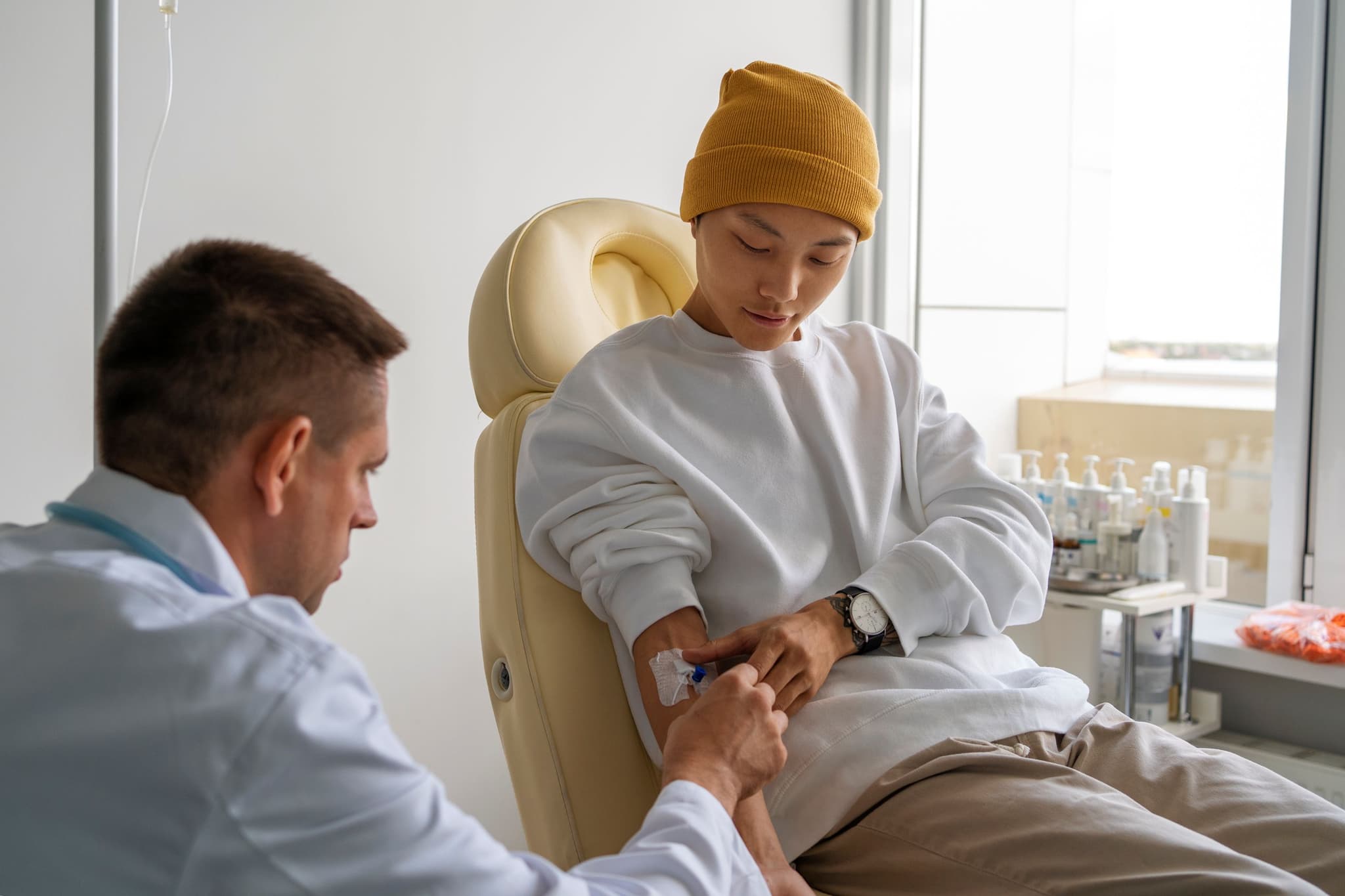
  • Placement of a central venous catheter for the infusion of cells and administration of medications.

  • Coordination of stem cell collection (apheresis) for autologous patients or donor matching for allogeneic patients.

  • Understanding the "Point of No Return" during the conditioning phase where the old marrow is destroyed.

  • HLA Typing: A specialized blood test used to match patients with the most compatible donors.

  • Bone Marrow Biopsy: To assess the current state of the marrow and the presence of any remaining cancer cells.

  • Organ Function Screens: Detailed evaluations including ECGs, lung function tests, and kidney filtration checks.

  • Infectious Disease Screening: Comprehensive testing for viruses or bacteria that could become dangerous during recovery.

  • Most patients remain hospitalized for 3–5 weeks following the infusion.

  • Long-term recovery is a gradual process requiring close medical supervision for up to a year.

  • Patients must follow strict infection-prevention protocols while their immune system is "reset" to zero.

  • Ongoing management may include anti-rejection medications to prevent Graft-vs-Host Disease (GVHD).

  • Provides a curative pathway for many blood cancers that are resistant to standard chemotherapy.

  • Restores the body's ability to produce healthy, functional red blood cells, white blood cells, and platelets.

  • Corrects the underlying genetic "blueprints" in patients with hereditary blood disorders.

  • Offers a chance for long-term remission and the restoration of a healthy immune system.

Conditioning Regimen

The Conditioning Regimen is a critical preparatory phase performed immediately before a bone marrow or stem cell transplant. It involves the administration of high-dose chemotherapy, immunotherapy, or Total Body Irradiation (TBI) to prepare the patient’s body for the incoming donor cells. By neutralizing the existing diseased marrow and suppressing the immune system, the conditioning phase creates the necessary biological environment for the new stem cells to thrive and rebuild the patient’s hematopoietic system.

  • Marrow Ablation: It destroys the patient's existing, diseased bone marrow to "clear space" for the new healthy stem cells to grow.

  • Disease Eradication: It aims to eliminate any remaining cancer cells (leukemia, lymphoma, etc.) that may have survived previous rounds of standard treatment.

  • Immunosuppression: It suppresses the patient’s immune system so it does not attack or reject the donor's cells, which is vital for the success of allogeneic transplants.

  • Niche Preparation: It optimizes the bone marrow microenvironment to support the successful "homing" of infused stem cells.

  • Myeloablative Conditioning (MAC): Uses maximum doses of chemotherapy or radiation to completely destroy the marrow. It offers the lowest risk of relapse but is physically demanding, typically reserved for younger or highly fit patients.

  • Reduced-Intensity Conditioning (RIC): Uses lower doses of chemotherapy. It does not completely destroy the marrow but provides enough immunosuppression for donor cells to take hold, making transplants accessible to older patients.

  • Non-Myeloablative Regimens: The mildest form of conditioning, relying primarily on the "Graft-versus-Tumor" effect where the new donor cells eventually kill the remaining cancer cells over time.

  • Sequential Conditioning: A modern approach that combines a cytoreductive phase with a traditional conditioning phase for patients with high disease burden.

  • The regimen typically takes place over a period of 5 to 10 days leading up to "Day 0" (the day of transplant).

  • Medications such as Busulfan, Fludarabine, or Cyclophosphamide are administered via a central venous catheter.

  • Total Body Irradiation (TBI) may be performed in specialized radiology suites to ensure systemic coverage.

  • Pharmacokinetic monitoring is utilized to measure blood levels of chemotherapy in real-time, allowing for precision dosing.

  • Targeted therapies and monoclonal antibodies are often integrated to focus treatment on cancer cells while sparing healthy tissue.

  • Supportive medications are given simultaneously to protect the kidneys, liver, and bladder from high-dose therapy.

  • Precision PharmacokineticsReal-time blood analysis that allows doctors to adjust chemotherapy doses based on an individual's unique metabolism, reducing toxicity.

  • Targeted RadiotherapyAdvances in radiation delivery that focus on the bone marrow and lymph nodes while shielding sensitive organs like the lungs and heart.

  • Immunotherapy IntegrationThe use of specialized antibodies that tag cancer cells, making the chemotherapy phase more efficient and targeted.

  • Toxicity Mitigation ToolsNewer supportive agents that prevent common side effects like severe mouth sores (mucositis) or liver complications.

  • Bio-Marker Guided DosingUsing genetic markers to predict how a patient will respond to specific conditioning agents, allowing for a personalized regimen.

  • Cryotherapy ProtocolsThe use of controlled cooling during certain chemotherapy infusions to protect the oral mucosa and hair follicles.

  • Comprehensive organ function testing to ensure the heart, lungs, and liver can tolerate high-dose medications.

  • Placement of a multi-lumen central venous catheter (Hickman or PICC line) for safe administration of the regimen.

  • Nutritional counseling to prepare the body for the metabolic demands of the conditioning phase.

  • Dental check-ups to treat any potential sources of infection that could become dangerous during the period of low immunity.

  • Psychological preparation for the isolation period required once the immune system begins to decline.

  • Echocardiogram or MUGA scan to verify cardiac output and heart health.

  • Pulmonary Function Tests (PFTs) to ensure the respiratory system is strong enough for systemic therapy.

  • Baseline blood panels for kidney and liver function (BUN, Creatinine, Bilirubin).

  • PET/CT imaging to document the current extent of the disease before the regimen begins.

  • Pregnancy testing for female patients of reproductive age due to the intensive nature of the drugs.

  • Dramatically reduces the risk of relapse by reaching cancer cells that standard-dose chemotherapy cannot.

  • Ensures the "Graft-versus-Host" effect can initiate by preventing the body from immediately rejecting donor cells.

  • Modern "Reduced Intensity" protocols allow older patients to receive curative treatment with significantly improved safety.

  • Precision dosing techniques have lowered the incidence of long-term organ damage compared to traditional methods.

  • Provides a "clean slate" for the new immune system to build a disease-free hematopoietic environment.

  • Intensive monitoring for side effects like nausea, hair loss, or fatigue begins during the regimen.

  • Prophylactic antibiotics and anti-virals are started to protect the patient as their white blood cell counts drop.

  • Specialized mouth rinses and laser therapies are used to manage and prevent oral mucositis.

  • Intravenous fluids and electrolytes are carefully balanced to maintain hydration and organ health.

  • The transition to the transplant phase (Day 0) occurs immediately following the final dose of the conditioning regimen.

  • Reconstitution of a healthy, cancer-free blood system through the successful engraftment of donor cells.

  • Potential for long-term remission from aggressive blood disorders that were previously resistant to treatment.

  • Gradual recovery of physical strength and immune function over the months following the procedure.

  • Ongoing monitoring to manage any "late effects" of the conditioning agents.

  • The satisfaction of knowing every scientific measure was taken to prepare the body for a successful cure.

Donor Search and Matching (HLA Typing)

Donor Search and Matching is the critical first step for any allogeneic bone marrow or stem cell transplant. It involves identifying specific genetic markers called Human Leukocyte Antigens (HLA) to ensure the donor's immune system is compatible with the recipient's body. Through high-resolution DNA sequencing and global registry integration, this process minimizes the risk of transplant rejection and Graft-versus-Host Disease (GVHD), providing the foundation for a successful and durable recovery.

  • Immediately upon diagnosis of high-risk Leukemia or Aplastic Anemia where a transplant is likely.

  • When a sibling or close relative is available to test for a potential 10/10 genetic match.

  • If a patient requires a life-saving transplant but does not have a matched family member.

  • Before initiating a search in national or international bone marrow registries.

  • For couples with inherited blood disorders (like Thalassemia) to screen for a compatible "Savior Sibling."

  • To determine the feasibility of a Haploidentical (half-match) transplant from a parent or child.

  • Acute Myeloid Leukemia (AML) requiring a precise match to balance the Graft-versus-Tumor effect.

  • Severe Combined Immunodeficiency (SCID) where an identical immune match is vital.

  • High-risk Myelodysplastic Syndrome (MDS) where the age of the donor also becomes a critical factor.

  • Patients from ethnic minority backgrounds who may require a wider search across global databases.

  • Cases where a previous transplant was unsuccessful due to donor-specific antibodies.

  • A blood or cheek swab sample is collected from the patient to establish their HLA profile.

  • Next-Generation Sequencing (NGS) is used to analyze five primary HLA loci (A, B, C, DRB1, and DQB1).

  • Sibling testing is conducted first, as there is a 25% biological probability of a perfect match.

  • If no family match exists, a preliminary search is launched in global and national donor registries.

  • Potential unrelated donors are identified and contacted for "confirmatory typing."

  • AI-driven search algorithms predict which donors are most likely to be available and healthy for donation.

  • Next-Generation Sequencing (NGS)High-resolution DNA typing that eliminates genetic "ambiguities" and provides 100% accuracy in a single test.

  • AI-Powered Search AlgorithmsPredictive tools that analyze global registry data to find the best possible donor in a fraction of the traditional time.

  • Donor-Specific Antibody (DSA) ScreeningAdvanced testing to see if the recipient's body has pre-existing "attacks" planned against a specific donor’s cells.

  • Virtual Cross-MatchingA digital simulation of the transplant to predict compatibility before the physical cells are even requested.

  • Non-Inherited Maternal Antigen (NIMA) TestingSpecialized screening for cord blood units that allows for better outcomes even in "mismatched" cases.

  • Rapid-Turnaround Lab ProtocolsModern laboratory workflows that can provide high-resolution matching results in 14 days or less.

  • Early identification of all biological siblings to begin the "Related Donor" screening process.

  • Counseling for family members to explain the non-invasive nature of HLA testing (swab or blood draw).

  • Registration with national and international bone marrow donor databases (such as DATRI or NMDP).

  • Financial planning for potential international donor procurement fees if no local match is found.

  • Discussion with a transplant coordinator to understand the "Search Hierarchy" (Sibling > Unrelated > Haploidentical).

  • High-Resolution HLA Typing (6-Loci or 11-Loci) for the most detailed genetic map.

  • Confirmatory HLA Typing to verify the match before the donor's cells are collected.

  • Blood Group (ABO) and Rh factor matching, although this is secondary to HLA compatibility.

  • Viral marker screening (CMV, EBV, HIV, Hepatitis) for both the patient and the potential donor.

  • Mixed Lymphocyte Reaction (MLR) tests in complex cases to observe cellular compatibility in a lab setting.

  • Achieves the "Gold Standard" 10/10 match, which dramatically reduces the risk of Graft-versus-Host Disease.

  • AI-assisted searches significantly shorten the "time to transplant," which is vital for aggressive diseases.

  • High-resolution NGS ensures that hidden genetic differences are identified before the transplant begins.

  • Opens the door to Haploidentical (half-match) transplants, ensuring nearly every patient has a donor.

  • Minimizes the risk of primary graft failure by selecting donors with the highest "engraftment potential."

  • The transplant coordinator manages communication with donor registries and courier services.

  • Regular updates are provided to the patient as donors move from "preliminary match" to "confirmed."

  • If a donor is found abroad, the team coordinates the cold-chain transport of the cells.

  • The matching process concludes when a donor is medically cleared and a collection date is set.

  • For cord blood searches, units are reserved and tested for cell count and viability.

  • Increased confidence and peace of mind as the patient enters the conditioning phase.

  • Higher probability of long-term survival and a cure due to the selection of the optimal genetic match.

  • Reduction in the need for long-term, high-dose immunosuppressant medications after transplant.

  • Successful "rebuilding" of the immune system using a compatible genetic blueprint.

  • Potential to save a life through the altruistic participation of a matched stranger or family member.

Umbilical Cord Blood Transplant (UCBT)

Umbilical Cord Blood Transplant (UCBT) is a specialized form of allogeneic stem cell transplantation that utilizes hematopoietic stem cells harvested from the umbilical cord and placenta following a healthy birth. This treatment is a vital alternative for patients who lack a perfectly matched adult donor. Because cord blood cells are immunologically "naïve," they do not require the same stringent HLA (Human Leukocyte Antigen) matching as bone marrow, making this a life-saving option for a diverse range of patients.

  • Diagnosis of high-risk Leukemia or Lymphoma requiring an urgent transplant where no adult match is available.

  • Patients from diverse ethnic backgrounds who face statistical challenges finding a 10/10 match in adult registries.

  • Presence of inherited metabolic disorders or bone marrow failure syndromes in pediatric patients.

  • Need for a rapid transplant for an aggressive disease, as frozen cord units are available for immediate shipment.

  • History of failed adult donor searches or cases where a "mismatched" transplant is the only remaining option.

  • Pediatric cases of Thalassemia or Sickle Cell Anemia where a sibling donor is not available.

  • Acute Myeloid Leukemia (AML) and Acute Lymphoblastic Leukemia (ALL) in both children and adults.

  • Inborn errors of metabolism, such as Hurler Syndrome or Adrenoleukodystrophy.

  • Primary immunodeficiency disorders where a new immune system must be established.

  • Aplastic Anemia and other conditions where the marrow fails to produce blood cells.

  • Cases requiring "Double Cord" transplants to provide an adequate cell dose for adult recipients.

  • A search is conducted through public cord blood banks to find units with the best HLA match and highest cell count.

  • The patient undergoes intensive "Conditioning" (chemotherapy or radiation) to clear the existing marrow.

  • The selected cord blood unit is thawed at the bedside using specialized automated systems to preserve cell viability.

  • The stem cells are infused into the patient’s bloodstream via a central venous catheter in a non-surgical procedure.

  • The patient is monitored in a sterile, HEPA-filtered environment while the "naïve" cells begin to mature.

  • Engraftment occurs as the new cells migrate to the bone marrow and begin producing healthy red cells, white cells, and platelets.

  • Ex-Vivo Cell ExpansionAdvanced laboratory techniques that "grow" the number of stem cells in a unit before infusion, significantly speeding up recovery.

  • Double Cord Blood TransplantationThe simultaneous use of two cord blood units to ensure a sufficient cell dose for larger adult patients.

  • Automated Thawing TechnologyPrecision devices that use dry-heat or controlled water baths to ensure maximum cell recovery from a frozen state.

  • Enhanced Homing AgentsThe use of specialized proteins that help cord blood cells find and "home" to the bone marrow faster after infusion.

  • Selective T-Cell ModulationLaboratory methods designed to reduce the risk of rejection while maintaining the body's ability to fight infection.

  • Real-Time Genetic ProfilingUsing high-resolution sequencing to ensure the donor unit has the highest possible genetic compatibility with the recipient.

  • Comprehensive search of international cord blood registries to identify units with optimal Total Nucleated Cell (TNC) counts.

  • Pre-transplant conditioning to suppress the recipient's immune system, ensuring it does not reject the "new" cord cells.

  • Placement of a multi-lumen central venous catheter for infusions, medications, and frequent blood sampling.

  • Nutritional optimization and protective isolation to prepare for the 3-to-4-week engraftment period.

  • Coordination with an expert transplant team specializing in the unique kinetics of cord blood recovery.

  • HLA typing (Class I and II) to determine the degree of compatibility between the patient and the cord unit.

  • Total Nucleated Cell (TNC) and CD34+ count verification to ensure the unit is "dose-heavy" enough for the patient's weight.

  • Comprehensive viral screening of the cord unit (CMV, HIV, Hepatitis) by the supplying blood bank.

  • Organ function assessments, including Echocardiograms and Pulmonary Function Tests (PFTs).

  • Cross-matching to identify any donor-specific antibodies that could interfere with the graft.

  • Flexible Matching: UCBT allows for successful outcomes even with a 4/6 or 5/6 match, which is critical for ethnic minorities.

  • Lower GVHD Risk: Cord blood is associated with a significantly lower risk of severe, chronic Graft-versus-Host Disease.

  • Immediate Availability: Units are pre-screened and frozen, meaning they can be delivered to the clinic within days.

  • Non-Invasive: There is zero risk to the donor (mother or baby), as the blood is collected after the cord is cut.

  • Potency: Cord blood cells are more proliferative and have a higher "rebuilding" potential than older adult cells.

  • The "Engraftment" phase for cord blood typically takes 18 to 25 days, slightly longer than traditional bone marrow.

  • Patients are monitored 24/7 for signs of "Engraftment Syndrome" or early infections.

  • Supportive care, including growth factor injections, is used to stimulate the new cells.

  • Regular blood counts track the gradual rise of the new immune system.

  • Long-term follow-up ensures the new marrow is producing a stable and healthy blood supply.

  • Potential for a complete cure from aggressive leukemias and inherited genetic disorders.

  • A personalized re-vaccination schedule to establish immunity as the new system matures.

  • Return to an active lifestyle with a significantly lower risk of long-term "chronic" transplant complications.

  • Ongoing monitoring of hematopoietic health through the transplant center’s wellness program.

  • Peace of mind knowing a life-saving match was found despite the absence of an adult donor.

Top Doctors for Hematology in India

Dr R K Choudhary
Dr R K Choudhary
BMT Specialist
Metro Hospital and Heart Institute, Sector 11, Noida
16+years experience
Dr Rahul Bhargava
Dr Rahul Bhargava
BMT Specialist
Fortis Memorial Research Institute, Gurugram
23+years experience
Dr Lalit Kumar
Dr Lalit Kumar
BMT Specialist
Artemis Hospital, Gurugram
44+years experience
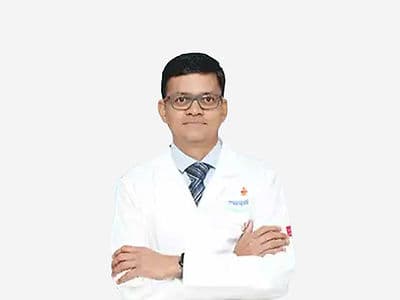
Dr Sharat Damodar
Dr Sharat Damodar
BMT Specialist
Manipal Hospital, Millers Road, Bengaluru
30+years experience
Dr Prasad Narayanan
Dr Prasad Narayanan
BMT Specialist
Manipal Hospital, Yelahanka, Bengaluru
28+years experience
Dr Vivek Agarwala
Dr Vivek Agarwala
BMT Specialist
Narayana Superspecialty Hospital, Howrah, Kolkata
19+years experience
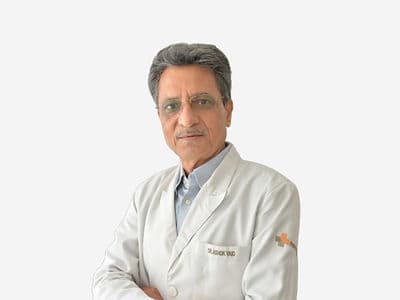
Dr Ashok Kumar Vaid
Dr Ashok Kumar Vaid
Hemato-Oncologist
Medanta - The Medicity, Gurugram
42+years experience
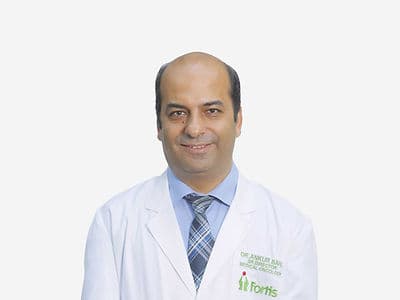
Dr Ankur Bahl
Dr Ankur Bahl
Hemato-Oncologist
Fortis Memorial Research Institute, Gurugram
15+years experience
Dr Nahush Tahiliani
Dr Nahush Tahiliani
Hemato-Oncologist
Zydus Hospital, Ahmedabad
16+years experience
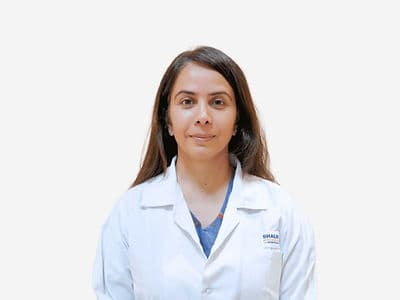
Dr Manasi Shah
Dr Manasi Shah
Hemato-Oncologist
Krishna Shalby Hospital, Ghuma, Ahmedabad
17+years experience

May we help you?

Enter digits only (6-15 digits). We'll add your country code.