Medivisor India Treatment Logo
+91 83682 47758
info@medivisorhealth.com
  • Home
    • About Us
    • Our Services
    • Our Team
    • Our Safety Measures
    • Loading treatments...
    • Loading hospitals...
    • Loading doctors...
    • Treatment Cost
    • Treatment Process
    • Visa Process
    • Travel Guide
    • FAQs
    • Why Medivisor
    • Success Stories
    • Patient Activities
    • Social Activities
    • News Coverage
    • Blog
  • Become a Partner

Medivisor India Treatment is a trusted New Delhi–based medical travel company assisting international patients with advanced, affordable, and seamless treatment in India.

  • Medivisor House 359, Sector 1, Vaishali, Ghaziabad, (Delhi/NCR) India
  • +91 8368 247 758
  • info@medivisorhealth.com

About Us

  • About Us
  • Our Services
  • Our Team
  • Our Medical Advisors
  • Our Safety Measures
  • Join Our Network
  • Contact Us

India Treatment

  • Hospitals
  • Treatments
  • Treatment Cost
  • Treatment Process
  • Visa Process
  • Travel Guide
  • FAQs
  • Why Medivisor

Gallery

  • Patient Testimonials
  • Patient Activities
  • News Coverage
  • Blog

Get in Touch

© 2026 Medivisor India Treatment. All rights reserved.

Dr Vivek Agarwala

Director - Medical Oncology

Narayana Superspecialty Hospital, Howrah

BMT SpecialistHemato-OncologistMedical Oncologist

19+ years experience

Dr Vivek Agarwala, Director - Medical Oncology at Narayana Superspecialty Hospital, Howrah - Narayana Health
  1. Home
  2. Doctors
  3. Dr Vivek Agarwala

About Dr Vivek Agarwala

Dr. Vivek Agarwala is a highly distinguished specialist in medical oncology and hematology-oncology, serving as Director at Narayana Superspeciality Hospital, Howrah, and Consultant at NH Rabindranath Tagore International Institute of Cardiac Sciences, Kolkata. Recognized for his technical mastery in multi-modality systemic therapies, biological response modifiers, and cellular reconstructions, he specializes in utilizing precision genetic profiling, next-generation immunotherapies, and advanced targeted cytoreductive therapeutics to manage complex cancer cases.

Advanced Systemic Therapeutics and Targeted Protocols

He specializes in the advanced evaluation, molecular mapping, and clinical deployment of modern anti-cancer agents. His clinical practice leverages an elite academic foundation from the world-renowned Tata Memorial Hospital, Mumbai, to design and execute high-precision treatment regimens involving molecularly targeted therapies, dose-dense chemotherapy, and complex immunotherapy protocols, achieving optimal therapeutic clearance while strictly minimizing systemic toxicity profiles.

Comprehensive Hematology and Bone Marrow Transplantation

Dr. Agarwala possesses profound expertise in implementing state-of-the-art protocols for aggressive hematological malignancies and high-risk bone marrow disorders. His detail-driven clinical framework encompasses the management of conditions such as leukemia, lymphoma, and multiple myeloma, incorporating advanced hematopoietic stem cell transplantation (HSCT), intensive cytoreductive therapies, and specialized cellular therapeutics to drive long-term hematological remission.

Clinical Governance, International Credentials, and Past Posts

Throughout his distinguished career, Dr. Agarwala has combined cutting-edge oncological innovations with top-tier academic and international training, holding specialized DM, DNB, and MRCP Specialty certifications in Medical Oncology. A certified medical oncologist by the European Society for Medical Oncology (ESMO) and a Torrent Young Scholar Award recipient, his professional trajectory features extensive clinical governance leadership, including:

  • Director of Medical Oncology, Narayana Superspeciality Hospital, Shibpur, Howrah

  • Consultant Medical Oncologist, NH Rabindranath Tagore International Institute of Cardiac Sciences, Kolkata

  • Senior Registrar, Artemis Hospital and Research Institute, Gurgaon

  • Senior Resident, Department of Medical Oncology, Tata Memorial Hospital, Mumbai

  • Consultant Registrar, GSVM Medical College and LLRM Hospital

Dr. Vivek Agarwala at a Glance

  • Specialist in Medical Oncology, Adult Hematology-Oncology, and Bone Marrow Transplantation.

  • Director delivering elite institutional leadership at Narayana Superspeciality Hospital, Howrah.

  • Advanced sub-specialized DM training completed at the prestigious Tata Memorial Hospital, Mumbai.

  • Holds prestigious international credentials including MRCP (UK) Speciality Certification and ESMO Certification.

  • Expert in crafting personalized systemic treatment protocols using precision targeted therapy and immunotherapy.

  • Actively contributes to global oncology literature with extensive research publications in peer-reviewed journals.

MBBS
MD - General Medicine
DrNB - Medical Oncology
DM - Medical Oncology
Board Certified in BMT Specialist
Indian Society of Medical
Paediatric Oncology (ISMPO).
Indian Cooperative Oncology Network.
European Society of Medical Oncology (ESMO)
American Society of Clinical Oncology (ASCO).
Affiliated Hospitals

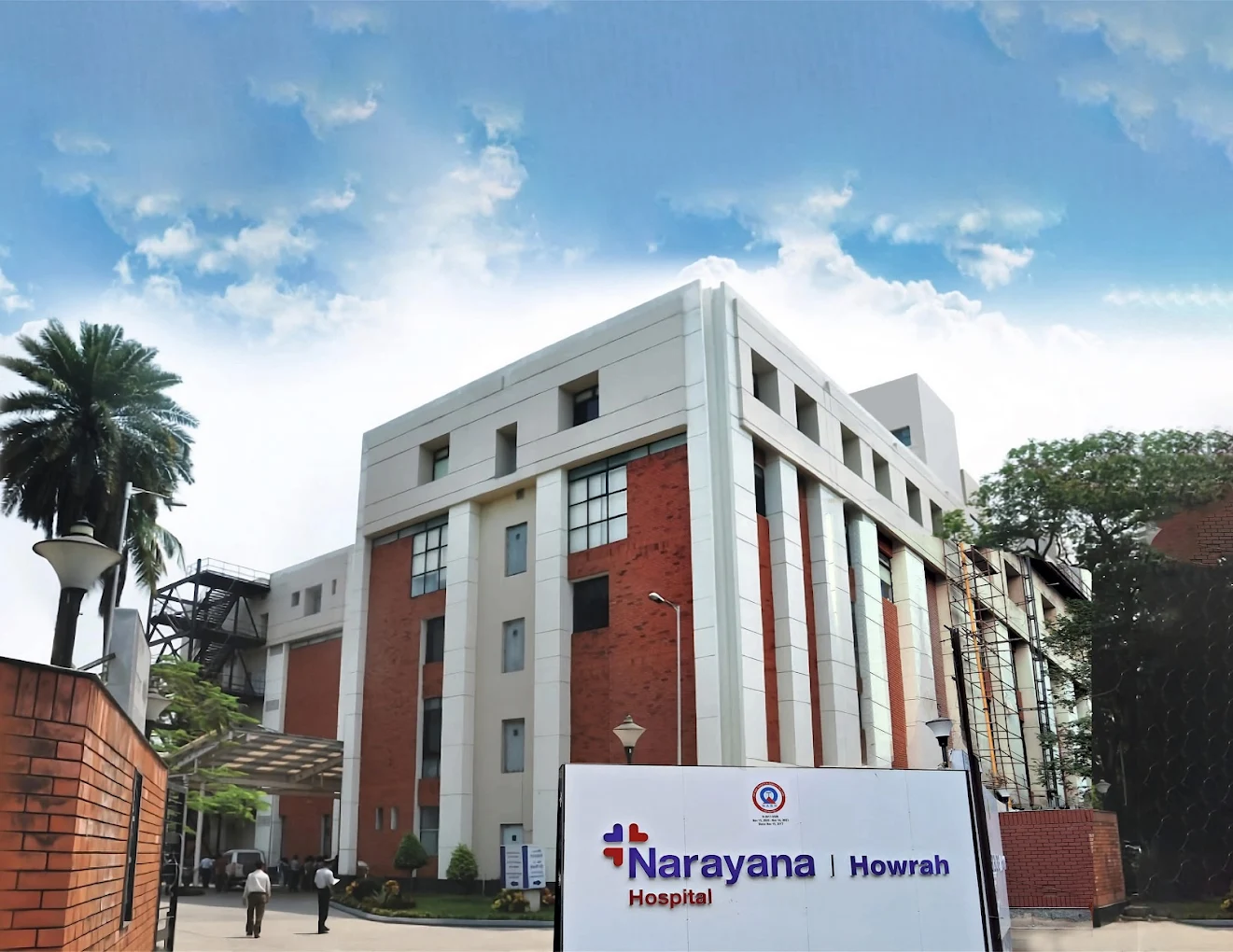
Narayana Superspecialty Hospital, Howrah

Super Specialty

Kolkata, West Bengal

2004

Estd.

415+

Beds

255+

Doctors

May we help you?

Enter digits only (6-15 digits). We'll add your country code.


Related Treatments

Allogeneic Bone Marrow Transplant

Allogeneic Bone Marrow Transplant—also known as an allogeneic stem cell transplant—is a life-saving procedure where a patient receives healthy stem cells from a donor to replace their own diseased or damaged marrow. Primarily used for aggressive blood cancers and non-malignant conditions like Thalassemia, this procedure introduces a new immune system into the patient’s body. Modern clinical protocols and advanced matching technologies have made this a highly successful intervention for patients with complex hematological disorders.

When You Should Consider Allogeneic BMT

  • Diagnosis of Acute Myeloid Leukemia (AML) or Acute Lymphoblastic Leukemia (ALL) with high-risk features.

  • Severe Aplastic Anemia where the bone marrow has stopped producing enough blood cells.

  • Presence of inherited blood disorders such as Thalassemia Major or Sickle Cell Anemia.

  • Myelodysplastic Syndromes (MDS) that show signs of progressing toward leukemia.

  • Certain types of aggressive Lymphoma that have relapsed after an autologous transplant.

  • Chronic Myeloid Leukemia (CML) that has become resistant to standard targeted therapies.

Conditions That Require Specialized Care

  • High-risk Leukemia requiring a powerful "Graft-versus-Tumor" effect to prevent relapse.

  • Pediatric Thalassemia requiring permanent correction of hemoglobin production.

  • Rare primary immunodeficiency disorders where the patient lacks a functional immune system.

  • Bone marrow failure syndromes requiring a complete replacement of the hematopoietic system.

  • Metabolic disorders that can be corrected by introducing healthy donor enzymes via stem cells.

How Allogeneic Bone Marrow Transplant Is Performed

  • A donor search is conducted to find a close Human Leukocyte Antigen (HLA) match.

  • The patient undergoes "Conditioning" with high-dose chemotherapy or radiation to suppress their immune system.

  • Healthy stem cells are collected from the donor's bone marrow or peripheral blood.

  • On the day of the transplant, donor cells are infused into the patient’s bloodstream through a central venous catheter.

  • The patient remains in a sterile, HEPA-filtered isolation room to prevent infection during the "neutral" phase.

  • Infused donor cells migrate to the marrow space and begin producing new, healthy blood cells (Engraftment).

Modern Innovations in Allogeneic BMT

  • Haploidentical (Half-Match) ProtocolsAdvanced techniques that allow parents or children to serve as donors with success rates comparable to full matches.

  • T-Cell Depletion & ModulationPrecision laboratory methods that remove specific donor cells responsible for GVHD while keeping those that fight cancer.

  • Next-Generation Sequencing (NGS) HLA MatchingUltra-high-resolution DNA matching that identifies the most compatible donor at the molecular level.

  • Reduced Intensity Conditioning (RIC)"Mini-transplants" that use lower doses of chemo, making the procedure safer for older or more fragile patients.

  • Microbiome-Preserving ProtocolsSpecialized nutritional and antibiotic strategies that protect the gut health to reduce the risk of post-transplant complications.

  • Post-Transplant Cyclophosphamide (PTCy)A breakthrough medication protocol that significantly lowers the incidence of Graft-versus-Host Disease in mismatched cases.

Donor Types and Selection

  • Matched Related Donor (MRD)The gold standard, typically a sibling who shares identical genetic markers (10/10 HLA match).

  • Matched Unrelated Donor (MUD)A compatible volunteer identified through international bone marrow registries.

  • Haploidentical DonorA biological parent or child who is a 50% genetic match, now widely used due to improved safety protocols.

  • Umbilical Cord BloodRich in stem cells, cord blood can be used for patients who cannot find a suitable adult donor.

Pre-Procedure Preparation

  • Rigorous HLA testing of the patient and potential family donors to find the best possible match.

  • Evaluation by a multidisciplinary team including hematologists, infectious disease specialists, and nutritionists.

  • Placement of a multi-lumen central venous catheter for chemotherapy, cell infusion, and blood sampling.

  • Extensive counseling on the long-term recovery process and the management of a new immune system.

  • Dental and sinus clearances to ensure there are no dormant infections prior to the conditioning phase.

Pre-Procedure Tests

  • High-resolution HLA typing (Class I and II) to confirm donor compatibility.

  • Bone marrow aspiration and biopsy to establish the baseline disease status.

  • Organ function tests including Echocardiogram, PFTs (Lungs), and Kidney function panels.

  • Comprehensive viral screening for CMV, EBV, HIV, and Hepatitis for both donor and recipient.

  • Cross-matching and donor-specific antibody (DSA) testing to prevent graft rejection.

Why This Treatment Is Highly Effective

  • Provides a "Graft-versus-Tumor" (GVT) effect, where the new immune system actively hunts and kills cancer cells.

  • Offers the only potential cure for many aggressive forms of leukemia and bone marrow failure.

  • Successfully cures pediatric Thalassemia in a high majority of cases, eliminating the need for lifelong transfusions.

  • Modern supportive care has significantly reduced the historical risks of infection and organ damage.

  • Technological advances allow for successful transplants even without a perfectly matched sibling.

Recovery and Monitoring

  • The "Engraftment" period (2–3 weeks) requires intensive monitoring for fever and blood count recovery.

  • Patients remain on immunosuppressant medications for several months to prevent Graft-versus-Host Disease (GVHD).

  • Full immune system reconstitution typically takes 6 to 12 months, during which special precautions are needed.

  • Frequent blood tests and chimeric studies are done to ensure the donor cells have successfully "taken over."

  • Gradual re-introduction to social environments occurs as white blood cell levels stabilize.

Life After Allogeneic BMT

  • Long-term remission and potential cure from previously fatal blood disorders.

  • A personalized re-vaccination schedule to rebuild immunity from the "donor's" perspective.

  • Regular monitoring for chronic GVHD, which can affect the skin, eyes, or liver.

  • Return to a full, active life, including school or work, once the immune system is mature.

  • Ongoing partnership with the transplant team to ensure long-term wellness and disease-free survival.

Bone Marrow Transplant

A bone marrow transplant (BMT), also called a Hematopoietic Stem Cell Transplant, is a procedure that replaces diseased or damaged bone marrow with healthy stem cells. These stem cells are the "factories" that produce your red blood cells, white blood cells, and platelets.

When You Should Consider Bone Marrow Transplant

  • To replace non-functioning marrow in conditions such as Aplastic Anemia.

  • To "rescue" the marrow after high-dose chemotherapy for Leukemia, Lymphoma, or Multiple Myeloma.

  • To replace "broken" or genetically abnormal cells in disorders like Sickle Cell Disease or Thalassemia.

  • When other primary treatments have failed and a transplant offers the only curative option.

  • Following the identification of a matched donor or the successful collection of own healthy stem cells.

Methods of Bone Marrow Transplant

  • Autologous Transplant: A procedure using the patient's own stem cells, which are collected and frozen before intensive treatment.

  • Allogeneic Transplant: A transplant using stem cells from a matched relative or an unrelated volunteer donor.

  • Matched Sibling Donor: Using a brother or sister who has the same human leukocyte antigen (HLA) type.

  • Haploidentical Transplant: A type of allogeneic transplant using a donor who is a "half-match," such as a parent or child.

  • Umbilical Cord Blood Transplant: Using stem cells harvested from the umbilical cord and placenta after a baby is born.

How Bone Marrow Transplant Is Performed

  • Conditioning: Administration of high-dose chemotherapy or radiation over 5–7 days to clear out old marrow.

  • Stem Cell Infusion: Healthy cells are infused through a central venous catheter (PICC or Hickman line), similar to a blood transfusion.

  • Engraftment: A 2–4 week period where the new cells travel to the bones and begin producing new blood cells.

  • Immune Reset: The process of the new immune system gradually maturing and learning to protect the body.

  • Continuous Monitoring: Intensive observation in the hospital to manage the high risk of infection during the recovery phase.

Pre-Procedure Preparation

  • Extensive work-up testing of the heart, lungs, and kidneys to ensure the body can handle the procedure.

  • Placement of a central venous catheter for the infusion of cells and administration of medications.

  • Coordination of stem cell collection (apheresis) for autologous patients or donor matching for allogeneic patients.

  • Understanding the "Point of No Return" during the conditioning phase where the old marrow is destroyed.

Tests Before Bone Marrow Transplant

  • HLA Typing: A specialized blood test used to match patients with the most compatible donors.

  • Bone Marrow Biopsy: To assess the current state of the marrow and the presence of any remaining cancer cells.

  • Organ Function Screens: Detailed evaluations including ECGs, lung function tests, and kidney filtration checks.

  • Infectious Disease Screening: Comprehensive testing for viruses or bacteria that could become dangerous during recovery.

Life After Bone Marrow Transplant

  • Most patients remain hospitalized for 3–5 weeks following the infusion.

  • Long-term recovery is a gradual process requiring close medical supervision for up to a year.

  • Patients must follow strict infection-prevention protocols while their immune system is "reset" to zero.

  • Ongoing management may include anti-rejection medications to prevent Graft-vs-Host Disease (GVHD).

Benefits of Bone Marrow Transplant

  • Provides a curative pathway for many blood cancers that are resistant to standard chemotherapy.

  • Restores the body's ability to produce healthy, functional red blood cells, white blood cells, and platelets.

  • Corrects the underlying genetic "blueprints" in patients with hereditary blood disorders.

  • Offers a chance for long-term remission and the restoration of a healthy immune system.

Autologous Bone Marrow Transplant (ABMT)

Autologous Bone Marrow Transplant—also known as an autologous stem cell transplant—is a sophisticated procedure used to treat various blood cancers and severe autoimmune diseases. This treatment involves using the patient's own healthy stem cells to "rescue" the bone marrow after it has been cleared of disease by high-dose chemotherapy or radiation. By utilizing the patient's own biological material, this procedure eliminates the risk of donor-related complications and provides a powerful pathway to remission.

When You Should Consider ABMT

  • Diagnosis of Multiple Myeloma where transplant is recommended as a primary frontline therapy.

  • Relapsed or refractory Hodgkin’s or Non-Hodgkin’s Lymphoma that has not responded to standard chemotherapy.

  • Certain germ cell tumors that have returned after initial treatment.

  • Severe, treatment-resistant autoimmune diseases such as Multiple Sclerosis (MS) or Systemic Sclerosis.

  • Presence of high-risk neuroblastoma in pediatric cases where aggressive therapy is required.

  • Recommendation for high-dose "conditioning" therapy that would otherwise permanently damage bone marrow function.

Conditions That Require Specialized Care

  • Multiple Myeloma requiring long-term marrow stabilization and disease control.

  • Relapsed Lymphoma where the goal is to achieve deep, durable remission.

  • Severe Crohn's Disease or other autoimmune conditions that have failed all standard biologic therapies.

  • Amyloidosis, a rare protein disorder that can affect organ function.

  • Specific types of leukemia that are in remission but carry a high risk of recurrence.

How Autologous Bone Marrow Transplant Is Performed

  • Stem cells are mobilized from the bone marrow into the bloodstream using growth factor injections.

  • Healthy stem cells are harvested via Apheresis, where blood is filtered through a specialized machine.

  • The collected stem cells are cryopreserved (frozen) and safely stored in a laboratory.

  • The patient undergoes high-dose "Conditioning" (chemotherapy or radiation) to eliminate remaining cancer cells.

  • The frozen stem cells are thawed and reinfused into the bloodstream, much like a standard blood transfusion.

  • The infused cells migrate to the bone marrow (Engraftment) and begin producing new, healthy blood cells.

Innovations in Autologous Transplant

  • Advanced Apheresis TechnologyHigh-efficiency cell separators that maximize the yield of healthy stem cells while reducing the time spent on the machine.

  • Next-Generation Mobilization AgentsThe use of precision medications that more effectively push stem cells into the bloodstream, even for "poor mobilizers."

  • Real-Time CD34+ TrackingSophisticated laboratory monitoring that identifies the exact hour of peak stem cell concentration for optimal harvesting.

  • Targeted Conditioning RegimensRefined chemotherapy protocols designed to maximize cancer cell death while minimizing damage to healthy organs.

  • Rapid Engraftment MonitoringMolecular tools that detect the earliest signs of new blood cell production, allowing for faster discharge from the hospital.

  • Automated Thawing SystemsDigitally controlled warming devices that protect the delicate cell membranes during the transition from ice to infusion.

Pre-Procedure Preparation

  • Extensive physical evaluation to ensure the heart, lungs, and kidneys can tolerate high-dose therapy.

  • Dental clearance to eliminate any hidden sources of infection before the immune system is suppressed.

  • Placement of a central venous catheter (PICC or Hickman line) for easy blood access and infusion.

  • Coordination of a 3-to-6-week hospital stay in a specialized, HEPA-filtered isolation room.

  • Nutritional optimization and psychological counseling to prepare for the intensive recovery period.

Pre-Procedure Tests

  • Bone Marrow Aspiration and Biopsy to confirm the status of the underlying disease.

  • High-resolution PET/CT scans to map the location and extent of any remaining cancer cells.

  • Echocardiogram or MUGA scan to assess cardiac output and heart health.

  • Pulmonary Function Tests (PFTs) to ensure the lungs can handle systemic treatment.

  • Comprehensive blood panels, including viral markers and organ function profiles.

Why This Treatment Is Highly Effective

  • Eliminates the risk of Graft-versus-Host Disease (GVHD), as the body recognizes the cells as its own.

  • Allows for the use of "curative" doses of chemotherapy that would be impossible without a stem cell rescue.

  • Features high success rates, with durable remission seen in a significant majority of Multiple Myeloma patients.

  • Significantly improves survival outcomes and quality of life in relapsed lymphoma cases.

  • Offers a potential "reset" for the immune system in patients with aggressive autoimmune disorders.

Recovery and Monitoring

  • The "Engraftment" phase typically takes 10 to 14 days, during which the patient is closely monitored for infections.

  • Daily blood counts are performed to track the rise of white blood cells, red blood cells, and platelets.

  • Supportive care, including blood transfusions and IV antibiotics, is provided until the new marrow is functional.

  • Patients remain in a protective environment until their absolute neutrophil count reaches a safe level.

  • Long-term follow-up involves monitoring for "late effects" and ensuring the disease remains in remission.

Life After Autologous Transplant

  • Gradual return to daily activities as the immune system slowly recovers over several months.

  • Long-term disease management, which may include maintenance therapy to prevent recurrence.

  • Re-vaccination protocols, as the transplant often "wipes out" previous immunity to childhood diseases.

  • Regular oncology or hematology check-ups with advanced imaging and blood markers.

  • Empowerment through the successful completion of one of the most intensive and effective medical treatments available

Haploidentical Transplant

A haploidentical transplant is a type of allogeneic bone marrow transplant that uses a half-matched donor. While traditional transplants usually require a 100% HLA match, this procedure utilizes a donor who is a 50% match, significantly expanding the donor pool for patients who cannot find a perfect match in international registries.

When You Should Consider Haploidentical Transplant

  • When a 100% HLA-matched sibling or unrelated donor is not available.

  • For patients requiring an urgent transplant where a family member can be screened and ready in days.

  • When the "mismatch" effect is desired to help new cells identify and eliminate remaining cancer (Graft-vs-Leukemia effect).

  • For those who have a biological parent, child, or half-matched sibling available to donate.

Methods of Haploidentical Transplant

  • Parental Donation: Utilizing a biological parent as the 50% HLA match.

  • Child Donation: Utilizing a biological child as the 50% HLA match.

  • Sibling Half-Match: Utilizing a biological sibling who shares half of the inherited HLA markers.

  • Post-Transplant Cyclophosphamide (PTCy): A specialized protocol using high-dose chemotherapy after infusion to ensure safety.

How Haploidentical Transplant Is Performed

  • Conditioning: Administration of chemotherapy or radiation to eliminate diseased marrow.

  • Stem Cell Infusion: Infusing donor stem cells through a central line, similar to a blood transfusion.

  • PTCy Administration: Delivering high-dose Cyclophosphamide on days 3 and 4 post-infusion to selectively kill cells that cause rejection.

  • Engraftment waiting period: A 2 to 3-week phase where the new cells begin producing white blood cells, red cells, and platelets.

  • Immunosuppression: Using specific medications to maintain balance in the new immune system.

Pre-Procedure Preparation

  • Identifying and screening a biological family member who is a 50% HLA match.

  • Educating the patient on the unique PTCy safety phase following the stem cell infusion.

  • Baseline health assessments to ensure the patient can handle the intensive conditioning phase.

  • Preparing for a longer hospital stay, typically between 3 to 5 weeks.

Tests Before Haploidentical Transplant

  • HLA Typing: Identifying the 50% match markers inherited from parents.

  • Donor Screening: Rapid testing and medical clearance of the identified family member.

  • Viral Screening: Detailed testing for viruses like CMV, as there is a higher infection risk post-procedure.

  • Marrow Assessment: Evaluating the status of the diseased marrow prior to the conditioning phase.

Life After Haploidentical Transplant

  • Most patients remain in the hospital for 3 to 5 weeks following the procedure.

  • Close outpatient monitoring is required for at least the first 100 days.

  • A slightly longer recovery period for the immune system compared to a full-match transplant.

  • Ongoing use of immunosuppressant medications to prevent Graft-versus-Host Disease (GVHD).

Benefits of Haploidentical Transplant

  • Provides a nearly universal donor source since most people have a half-matched family member.

  • Allows for a much faster donor identification and screening process compared to unrelated registries.

  • Utilizes the Graft-vs-Leukemia effect, where the mismatch helps kill residual cancer cells.

  • Modern PTCy protocols have made half-matched transplants as safe as traditional full-match procedures.

Leukemia
Leukemia

Leukemia is a type of cancer that starts in the blood-forming tissues, usually the bone marrow. It causes the body to overproduce abnormal white blood cells that don’t work correctly and eventually "crowd out" healthy red blood cells, normal white blood cells, and platelets.

When You Should Consider Leukemia Evaluation

  • Constant fatigue, weakness, and pale skin (Anemia).

  • Frequent fevers, chills, or mouth sores (Infections).

  • Easy bruising, nosebleeds, or tiny red spots on the skin called petechiae.

  • Painless swelling of lymph nodes in the neck or armpits.

  • An enlarged liver or spleen causing a feeling of abdominal fullness.

Methods of Leukemia Classification

  • Acute Lymphoblastic Leukemia (ALL): Progresses rapidly; most common in children but also affects adults.

  • Acute Myeloid Leukemia (AML): Involves rapid growth of myeloid cells in both adults and children.

  • Chronic Lymphocytic Leukemia (CLL): Most common in older adults; progresses slowly and may not require immediate treatment.

  • Chronic Myeloid Leukemia (CML): Primarily affects adults and is often linked to the Philadelphia chromosome mutation.

How Leukemia Is Managed

  • Chemotherapy: The primary treatment using powerful drugs to kill cancer cells.

  • Targeted Therapy: Drugs that attack specific vulnerabilities in cancer cells, often used for CML.

  • Immunotherapy: Treatments designed to help the immune system recognize and attack leukemia cells.

  • Stem Cell Transplant: Replacing diseased bone marrow with healthy stem cells from a donor.

  • CAR T-cell Therapy: Re-engineering a patient's own T-cells to identify and fight the cancer.

Pre-Procedure Preparation

  • Discussing the specific type and stage of leukemia with an oncology team.

  • Undergoing a physical exam to check for swelling in the lymph nodes, spleen, or liver.

  • Preparing for potential hospital stays if intensive chemotherapy or transplants are required.

  • Evaluating donor matches if a stem cell transplant is part of the treatment plan.

Tests Before Leukemia Treatment

  • Complete Blood Count (CBC): To check for abnormal levels of white cells, red cells, and platelets.

  • Bone Marrow Biopsy: Taking a marrow sample from the hip bone for microscopic and genetic testing.

  • Lumbar Puncture: Checking spinal fluid to see if the cancer has reached the central nervous system.

  • Genetic Testing: Identifying specific mutations to determine the best targeted therapies.

Life After Leukemia Treatment

  • Long-term survival rates have improved to over 65% for all types combined.

  • Children with ALL now see a cure rate of over 90%.

  • Regular follow-up appointments are required to monitor for remission or recurrence.

  • Ongoing management of potential side effects from intensive therapies like radiation or chemo.

Benefits of Leukemia Treatment

  • Eradicates or controls the production of abnormal "blast" cells.

  • Restores the body's ability to produce healthy red cells, white cells, and platelets.

  • Reduces the risk of life-threatening infections and severe bleeding episodes.

  • Significantly increases the 5-year survival rate compared to historical outcomes.

Acute Lymphoid Leukemia

Acute Lymphoblastic Leukemia (ALL), also known as acute lymphoid or lymphocytic leukemia, is a fast-growing cancer of the blood and bone marrow. It occurs when the body overproduces immature white blood cells, called lymphoblasts, which crowd out healthy red blood cells, platelets, and normal white blood cells.

When You Should Consider ALL Evaluation

  • Persistent fatigue or weakness due to low red blood cell counts.

  • Frequent or unexplained fevers and infections.

  • Easy bruising, frequent nosebleeds, or tiny red spots under the skin (petechiae).

  • Bone or joint pain caused by the buildup of lymphoblasts.

  • Swelling in the neck, armpits, or groin (lymph nodes) or a mass in the chest.

Methods of ALL Classification

  • B-cell ALL: The most common form, accounting for about 85% of childhood cases and 75–80% of adult cases.

  • T-cell ALL: More common in adults (25%) and often associated with a mediastinal (chest) mass.

  • Philadelphia Chromosome-Positive (Ph+ ALL): A high-risk subtype involving a specific genetic translocation that requires specialized targeted therapy.

How ALL Treatment Is Performed

  • Induction Therapy: Intensive chemotherapy lasting 4–6 weeks aimed at killing most cancer cells to achieve remission.

  • CNS-Directed Therapy: Intrathecal chemotherapy injected into spinal fluid to prevent cancer from hiding in the brain or spinal cord.

  • Consolidation Therapy: High-dose therapy lasting 6–8 months to destroy any remaining "hidden" cells after remission.

  • Maintenance Therapy: Lower-dose oral and IV drugs administered over 2–3 years to prevent the cancer from returning.

  • Advanced Options: Includes Targeted Therapy (blocking specific enzymes), Immunotherapy (monoclonal antibodies), and CAR T-cell Therapy (genetically modified T-cells).

Pre-Procedure Preparation

  • Detailed genetic testing and chromosomal analysis to identify specific ALL subtypes like Ph+.

  • Placement of a central venous catheter (port) to facilitate long-term chemotherapy and blood draws.

  • Discussion of fertility preservation options before starting intensive chemotherapy or radiation.

  • Baseline heart and lung function tests to ensure the body can tolerate intensive induction therapy.

Tests Before ALL Treatment

  • Bone Marrow Aspiration and Biopsy: To confirm the percentage of lymphoblasts in the marrow.

  • Lumbar Puncture (Spinal Tap): To check if leukemia cells have spread to the central nervous system.

  • Complete Blood Count (CBC): To evaluate the levels of red cells, white cells, and platelets.

  • Flow Cytometry: To determine the exact immunophenotype (B-cell vs. T-cell) of the leukemia cells.

Life After ALL Treatment

  • Children (Ages 1–10) see the best prognosis, with 5-year survival rates exceeding 90%.

  • Adolescents and young adults have an estimated 5-year survival rate of roughly 65–75%.

  • Regular follow-up for 2 to 3 years is required during the maintenance phase to monitor for relapse.

  • Long-term monitoring for "late effects" of treatment, such as cardiac issues or secondary cancers.

Benefits of ALL Treatment

  • Achieves high rates of complete remission through structured therapy phases.

  • Prevents central nervous system involvement through proactive CNS-directed treatments.

  • Offers curative potential for relapsed cases using modern advances like CAR T-cell therapy.

  • Restores normal bone marrow function and healthy blood cell production.

Acute Myeloid Leukemia

Acute Myeloid Leukemia (AML) is a fast-growing cancer where the bone marrow makes abnormal myeloblasts, red blood cells, or platelets. These "leukemia cells" quickly crowd out healthy cells, leading to a high risk of infection, anemia, and easy bleeding.

When You Should Consider AML Evaluation

  • Sudden bruising or tiny red spots on the skin called petechiae.

  • Shortness of breath and extreme pale skin indicating anemia.

  • Persistent fevers that do not respond to standard antibiotics.

  • Evidence of high risk for infection or unexplained, easy bleeding.

Methods of AML Classification

  • FLT3 Mutation: Found in about 30% of cases and usually requires specific targeted drugs.

  • IDH1/IDH2 Mutations: Subtypes targeted by newer oral therapies.

  • TP53 Mutation: Often indicates a more resistant form of the disease.

  • APL (Acute Promyelocytic Leukemia): A unique, highly curable subtype treated with non-chemo drugs like arsenic trioxide.

  • Secondary AML: Often found in older adults (60+) arising from previous blood disorders.

How AML Treatment Is Performed

  • Induction Therapy: Typically a "7+3" regimen involving 7 days of one chemotherapy and 3 days of another to achieve complete remission.

  • Consolidation (Post-remission): Additional chemotherapy or a Stem Cell Transplant to kill remaining microscopic cells.

  • Targeted Therapy: Use of specific drugs for mutations like FLT3 or IDH1/IDH2.

  • Low-Intensity Options: Use of Venetoclax pills or Hypomethylating Agents (HMA) like Azacitidine for patients who cannot handle high-dose chemo.

  • Non-Chemo Regimens: Use of All-Trans Retinoic Acid (ATRA) specifically for the APL subtype.

Pre-Procedure Preparation

  • Cytogenetic profiling to determine the specific genetic mutations and treatment plan.

  • Assessment of age and physical tolerance for intensive chemotherapy.

  • Evaluation of heart or kidney function to determine if low-intensity options like Venetoclax are necessary.

  • Screening for previous blood disorders that may lead to secondary AML.

Tests Before AML Treatment

  • Bone Marrow Analysis: To identify abnormal myeloblasts and clear the marrow of visible blasts.

  • Genetic Testing: To check for FLT3, IDH1/IDH2, or TP53 mutations.

  • Blood Counts: To assess the severity of anemia and low platelet levels.

  • Cytogenetic Profiling: To map the "cytogenetic" profile which dictates the specific therapy.

Life After AML Treatment

  • For younger adults (<60), the 5-year survival rate is roughly 40% to 50%.

  • For older adults (60+), survival is lower, typically around 10% to 20%.

  • Patients with the APL subtype enjoy an excellent cure rate of over 90%.

  • Ongoing monitoring is required during the consolidation phase to prevent a relapse.

Benefits of AML Treatment

  • Clears the blood and bone marrow of visible leukemia blasts.

  • Provides "insurance" against relapse through consolidation or transplants.

  • Offers improved survival for older patients through modern low-intensity pill combinations.

  • Restores the production of healthy white blood cells, red cells, and platelets.

Chronic Lymphoid Leukemia

Chronic Lymphocytic Leukemia (CLL) is the most common type of leukemia in adults. It is a slow-growing cancer of B-lymphocytes (a type of white blood cell) that originates in the bone marrow and spreads to the blood and lymph nodes. Unlike acute leukemias, many people with CLL live for years or even decades without needing immediate treatment.

When You Should Consider CLL Treatment

  • Extreme fatigue, drenching night sweats, or unexplained weight loss.

  • Massive or painful swelling of the spleen or lymph nodes.

  • Worsening anemia (low red cells) or thrombocytopenia (low platelets) indicating bone marrow failure.

  • Rapid lymphocyte doubling, where the white blood cell count doubles in less than 6 months.

Methods of CLL Management

  • Active Surveillance (Watch and Wait): The standard of care for early-stage, asymptomatic patients where starting chemotherapy early has not shown to increase lifespan.

  • BTK Inhibitors: Daily oral pills, such as Ibrutinib, Acalabrutinib, or Zanubrutinib, that block survival signals in B-cells.

  • BCL-2 Inhibitors: Targeted drugs like Venetoclax that trigger "cell death" in leukemia cells.

  • Monoclonal Antibodies: IV treatments like Obinutuzumab or Rituximab that "tag" cancer cells for the immune system to destroy.

  • IVIG Infusions: Regular immunoglobulin infusions to manage high infection risks for pneumonia or shingles.

How CLL Is Monitored

  • Regular Testing: Patients typically undergo blood tests and physical exams every 3 to 6 months.

  • Disease Progression Checks: Doctors monitor for signs of "active disease" that would necessitate a shift from surveillance to therapy.

  • Immune System Screening: Watching for autoimmune issues where the body attacks its own red blood cells (AIHA) or platelets (ITP).

  • Transformation Monitoring: Screening for Richter’s Transformation, where CLL evolves into an aggressive large B-cell lymphoma.

Pre-Procedure Preparation

  • Understanding the "Watch and Wait" approach and why immediate intervention is often avoided to prevent unnecessary side effects.

  • Comprehensive baseline blood work and physical assessments to establish a comparison for future monitoring.

  • Discussion of potential long-term risks, including a weakened immune system and increased infection susceptibility.

  • Evaluation of age and overall health, as the average age at diagnosis is 70.

Tests Before CLL Treatment

  • Complete Blood Count (CBC): To track white blood cell doubling time and levels of red cells and platelets.

  • Physical Examination: To check for organ issues like swelling of the spleen or lymph nodes.

  • Genetic Testing: To determine if specific mutations are present that might respond better to targeted oral therapies.

  • Clinical Trials Review: Assessment of trial data regarding the timing of treatment for stable patients.

Life After CLL Diagnosis

  • The overall 5-year survival rate for CLL is high, approximately 88%.

  • Many patients live for years or decades with the disease, eventually dying from causes unrelated to leukemia.

  • Patients must remain vigilant for complications like pneumonia, shingles, or the sudden onset of aggressive lymphoma.

  • Ongoing active surveillance remains the primary "lifestyle" for many early-stage patients.

Benefits of CLL Management

  • Avoids the toxicity and side effects of traditional chemotherapy through targeted oral therapies.

  • Provides a structured monitoring system to ensure treatment begins only when clinically necessary.

  • Utilizes modern medications that are more effective and less toxic than historical options.

  • Maintains a high quality of life for stable patients through the "Watch and Wait" strategy.

Chronic Myeloid Leukemia

Chronic Myeloid Leukemia (CML) is a slow-growing cancer of the bone marrow that results in the overproduction of white blood cells. It is unique because nearly all cases (approx. 95%) are caused by a specific genetic abnormality known as the Philadelphia chromosome.

When You Should Consider CML Evaluation

  • Persistent fatigue or weakness.

  • Drenching night sweats.

  • Fullness or discomfort on the left side of the abdomen due to an enlarged spleen.

  • Unexplained weight loss or mild fevers.

  • Many patients have no symptoms and are diagnosed during routine blood tests.

Methods of CML Classification

  • Chronic Phase: The most common stage at diagnosis (85–90% of patients) where symptoms are mild and the disease responds well to standard treatment.

  • Accelerated Phase: The cancer grows faster with blast counts rising to 10–19%, and symptoms become more noticeable.

  • Blast Phase (Blast Crisis): An aggressive stage with 20% or more blasts that behaves like acute leukemia and is harder to treat.

  • Genetic Cause: Driven by the BCR-ABL gene, created when pieces of chromosomes 9 and 22 swap places.

How CML Treatment Is Performed

  • TKI Therapy: Daily oral pills such as Imatinib (Gleevec), Dasatinib (Sprycel), or Nilotinib (Tasigna) that specifically "turn off" the BCR-ABL protein.

  • Hematologic Management: Normalizing blood counts, which typically occurs within the first few weeks of treatment.

  • Molecular Monitoring: Using sensitive PCR tests to measure and reduce the level of the BCR-ABL gene in the blood.

  • Treatment-Free Remission (TFR): For eligible patients who maintain a deep response, stopping medication under strict medical supervision.

Pre-Procedure Preparation

  • Understanding that CML is now a manageable chronic condition requiring consistent, long-term medication.

  • Establishing a baseline through physical exams and medical history to check for an enlarged spleen.

  • Discussing the importance of adherence to daily oral therapy to achieve a Major Molecular Response.

  • Planning for frequent initial monitoring to ensure the "genetic switch" is being effectively turned off.

Tests Before CML Treatment

  • Bone Marrow Biopsy: To confirm the diagnosis and determine the phase of the disease.

  • FISH or PCR Testing: Highly sensitive blood tests used to detect the Philadelphia chromosome and the BCR-ABL gene.

  • Complete Blood Count (CBC): To evaluate the levels of abnormal white blood cells.

  • Cytogenetic Analysis: To identify the physical exchange of genetic material between chromosomes 9 and 22.

Life After CML Treatment

  • Life expectancy for those in the chronic phase is now approaching that of the general population.

  • The 5-year survival rate is currently over 90%, compared to roughly 20% before the year 2000.

  • Patients require lifelong monitoring to ensure the disease remains in molecular remission.

  • Most patients can maintain a normal lifestyle while taking daily oral targeted therapy.

Benefits of CML Treatment

  • Revolutionizes the prognosis from a once-fatal disease to a manageable chronic condition.

  • Specifically targets the genetic "stuck switch" (BCR-ABL) without the need for traditional intensive chemotherapy.

  • Achieves Major Molecular Response, making the cancer gene nearly undetectable in the blood.

  • Offers the potential for treatment-free remission in patients with deep, sustained responses.

Lymphoma
Lymphoma

Lymphoma is a cancer of the lymphatic system, which is part of the body's germ-fighting immune network. It starts in white blood cells called lymphocytes. Unlike leukemia, which is primarily in the blood and bone marrow, lymphoma often begins in the lymph nodes, spleen, thymus, or tonsils.

When You Should Consider Lymphoma Evaluation

  • Painless swelling of lymph nodes in the neck, armpit, or groin.

  • Drenching night sweats.

  • Unexplained fever.

  • Sudden weight loss (more than 10% of body weight).

  • Persistent fatigue or itchy skin.

Methods of Lymphoma Classification

  • Hodgkin Lymphoma (HL): Characterized by the presence of giant Reed-Sternberg cells; often follows a predictable path through the lymph nodes.

  • Non-Hodgkin Lymphoma (NHL): A diverse group further divided into B-cell (85%) and T-cell lymphomas.

  • Indolent (Slow-growing): Types such as Follicular Lymphoma where patients may live for years with minimal symptoms.

  • Aggressive (Fast-growing): Types such as Diffuse Large B-cell Lymphoma that require immediate, intensive treatment.

How Lymphoma Is Managed

  • Chemotherapy: The primary treatment backbone for most aggressive forms of the disease.

  • Radiation Therapy: Used to target specific areas of bulky disease.

  • Immunotherapy: Utilizing drugs like Rituximab to help the immune system identify and kill B-cells.

  • Targeted Therapy: Using medications that block specific growth signals within cancer cells.

  • CAR T-cell Therapy: A cutting-edge treatment where a patient's own T-cells are reprogrammed to kill the lymphoma.

  • Stem Cell Transplant: Often utilized if the lymphoma relapses or returns after initial treatment.

Pre-Procedure Preparation

  • Performing a physical exam to locate swollen lymph nodes, spleen, or liver.

  • Discussing the specific subtype (indolent vs. aggressive) to determine the urgency of treatment.

  • Preparing for a biopsy, which is the only definitive way to confirm a lymphoma diagnosis.

  • Evaluating heart and lung function if intensive chemotherapy or a stem cell transplant is planned.

Tests Before Lymphoma Treatment

  • Lymph Node Biopsy: Surgical removal of a node or tissue sample for laboratory testing.

  • PET and CT Scans: Advanced imaging used to determine the location and stage of the cancer.

  • Bone Marrow Aspiration: Checking the bone marrow to see if the cancer has spread to the blood-cell "factory."

  • Blood Tests: To assess general health and look for markers associated with certain lymphoma types.

Life After Lymphoma Treatment

  • For Hodgkin Lymphoma, the 5-year survival rate is now approximately 88%.

  • For Non-Hodgkin Lymphoma, the 5-year survival rate is approximately 74%, varying by subtype.

  • Regular follow-up scans and blood tests are required to monitor for remission or relapse.

  • Many patients with indolent types can live for decades with active surveillance or periodic treatment.

Benefits of Lymphoma Treatment

  • High potential for cure, especially in Hodgkin Lymphoma and certain aggressive subtypes.

  • Targeted therapies and immunotherapies offer effective options with fewer side effects than traditional chemo.

  • CAR T-cell therapy provides a powerful alternative for cases that have not responded to standard care.

  • Effectively reduces the size of bulky tumors and alleviates systemic "B symptoms" like fever and weight loss.

Hodgkin Lymphoma
Hodgkin Lymphoma

Hodgkin Lymphoma (HL) is a highly treatable cancer of the lymphatic system, distinguished by the presence of a specific giant cell called the Reed-Sternberg cell. It typically spreads in a predictable, orderly fashion from one group of lymph nodes to the next.

When You Should Consider Hodgkin Lymphoma Evaluation

  • Painless, firm swelling of lymph nodes in the neck, armpits, or groin.

  • Drenching night sweats that require a change of clothes.

  • Unexplained fevers that may come and go.

  • Significant weight loss of more than 10% of body weight in 6 months.

  • Rare but specific pain in the lymph nodes after consuming alcohol.

Methods of Hodgkin Lymphoma Classification

  • Classical Hodgkin Lymphoma (cHL): Accounts for about 95% of cases; includes subtypes like Nodular Sclerosis which often affects the chest and neck.

  • Nodular Lymphocyte-Predominant (NLPHL): A rarer, slower-growing version that often requires less intensive treatment.

  • Staging (Stages I–IV): Categorized based on whether the cancer is on one or both sides of the diaphragm.

How Hodgkin Lymphoma Is Managed

  • ABVD Chemotherapy: The "gold standard" regimen using a combination of four specific drugs (Adriamycin, Bleomycin, Vinblastine, and Dacarbazine).

  • Radiation Therapy: Utilized as "involved-site" radiation to target specific areas of bulky disease after chemotherapy.

  • Immunotherapy: Use of checkpoint inhibitors like Nivolumab or Pembrolizumab to help the immune system identify and kill cancer cells.

  • Targeted Therapy: Drugs like Brentuximab Vedotin that specifically seek out the CD30 protein found on Hodgkin cells.

Pre-Procedure Preparation

  • Identifying the specific subtype through an excisional biopsy for the most accurate diagnosis.

  • Baseline testing of heart and lung function to minimize long-term "late effects" from chemotherapy drugs.

  • Detailed consultation for younger patients (teens to 30s) regarding fertility preservation and future health risks.

  • Nutritional assessment to manage significant weight loss associated with "B symptoms."

Tests Before Hodgkin Lymphoma Treatment

  • Excisional Biopsy: Preferred over needle biopsies to accurately identify Reed-Sternberg cells.

  • PET/CT Scan: Advanced imaging used to map active cancer sites and determine the stage of the disease.

  • Blood Work: To evaluate overall health and check for inflammatory markers.

  • Diaphragm Assessment: Imaging to determine if the cancer has crossed the muscle separating the chest and abdomen.

Life After Hodgkin Lymphoma Treatment

  • The 5-year survival rate is excellent, currently at approximately 89%.

  • For early-stage disease, cure rates often exceed 90%.

  • Long-term monitoring is essential to watch for second cancers or cardiovascular issues later in life.

  • Regular follow-up appointments focus on ensuring the patient remains in remission and managing treatment side effects.

Benefits of Hodgkin Lymphoma Treatment

  • High cure rates even in advanced stages of the disease.

  • Standardized "gold standard" regimens provide predictable and successful outcomes.

  • Modern targeted therapies and immunotherapies reduce the need for more toxic treatments if the cancer returns.

  • Successfully alleviates systemic symptoms such as drenching night sweats and chronic fevers.

Non-Hodgkin Lymphoma

Non-Hodgkin Lymphoma (NHL) is a diverse group of blood cancers that start in the lymphocytes (white blood cells). Unlike Hodgkin Lymphoma, NHL is much more common and behaves in a less predictable way, often appearing in multiple lymph node groups simultaneously.

When You Should Consider Non-Hodgkin Lymphoma Evaluation

  • Painless swelling of lymph nodes in the neck, armpit, or groin.

  • Drenching night sweats.

  • Unexplained fever and persistent fatigue.

  • Sudden weight loss of more than 10% of body weight.

  • Abdominal pain or swelling, which may indicate liver or spleen involvement.

Methods of Non-Hodgkin Lymphoma Classification

  • Indolent (Low-grade): Slow-growing types like Follicular Lymphoma that are manageable over many years.

  • Aggressive (High-grade): Fast-growing types like Diffuse Large B-cell Lymphoma (DLBCL) that require immediate intensive treatment.

  • B-cell Lymphomas: The most common category, accounting for approximately 85% of all cases.

  • T-cell Lymphomas: A less common category, making up about 15% of cases.

How Non-Hodgkin Lymphoma Is Managed

  • R-CHOP Chemotherapy: The standard regimen for aggressive B-cell lymphomas, combining traditional chemotherapy with the antibody Rituximab.

  • Immunotherapy: Use of bispecific antibodies like Polatuzumab or Mosunetuzumab to help the immune system target cancer cells.

  • CAR T-cell Therapy: A revolutionary approach for relapsed cases involving the genetic re-engineering of a patient's own T-cells.

  • Watch and Wait: Active surveillance used for slow-growing indolent types to monitor the disease before starting intervention.

  • Targeted Therapy: Specialized drugs tailored to the specific genetic makeup of the lymphoma subtype.

Pre-Procedure Preparation

  • Determining the growth rate (indolent vs. aggressive) to establish the necessary speed of treatment.

  • Preparing for a surgical biopsy to ensure a large enough tissue sample for accurate subtyping.

  • Baseline cardiac and organ function testing to ensure the patient can tolerate intensive R-CHOP regimens.

  • For CAR T-cell therapy, undergoing a process to collect T-cells from the blood for laboratory modification.

Tests Before Non-Hodgkin Lymphoma Treatment

  • Excisional Biopsy: The removal of an entire lymph node to definitively identify the specific NHL subtype.

  • PET/CT Scan: Advanced imaging to determine the stage (I to IV) based on the location of the cancer relative to the diaphragm.

  • Bone Marrow Biopsy: A procedure to check if the lymphoma has spread to the body's blood-producing marrow.

  • Molecular Profiling: Testing the cancer cells for specific proteins or genetic markers to guide immunotherapy choices.

Life After Non-Hodgkin Lymphoma Treatment

  • The overall 5-year survival rate for NHL is approximately 74%, though this varies by subtype.

  • Many patients with aggressive types achieve a total cure if they respond well to initial intensive therapy.

  • Indolent lymphoma patients may live for many years, managing the disease as a chronic condition with periodic monitoring.

  • Regular follow-up scans and blood work are essential to detect potential recurrence early.

Benefits of Non-Hodgkin Lymphoma Treatment

  • Offers a high chance of a total cure for many aggressive high-grade types.

  • Effectively manages symptoms and maintains quality of life for those with slow-growing indolent types.

  • Provides cutting-edge options like CAR T-cell therapy for patients who have relapsed after standard treatments.

  • Utilizes targeted antibodies to increase treatment success while minimizing damage to healthy cells.

Intravenous (IV) Chemotherapy

Intravenous (IV) Chemotherapy is the systemic administration of cytotoxic (cell-killing) drugs directly into the circulatory system. Because the drugs enter the bloodstream immediately, they reach almost all areas of the body, making this the primary treatment for cancers that have spread or carry a high risk of spreading. many IV protocols are now paired with targeted therapies or immunotherapies to increase effectiveness while attempting to spare more healthy cells.

When You Should Consider IV Chemotherapy

  • Systemic Treatment: When cancer cells have potentially moved beyond the original tumor site into the lymph nodes or other organs.

  • Neoadjuvant Therapy: To shrink a large tumor before surgery, making the operation safer and more effective.

  • Adjuvant Therapy: To kill any "microscopic" cancer cells that might remain after a tumor has been surgically removed.

  • Palliative Care: To reduce the size of tumors that are causing pain or obstructing organs, even if a total cure is not the primary goal.

  • Ineligibility for Oral Meds: When a specific cancer type only responds to drugs that would be destroyed by stomach acid if taken as a pill.

Access Methods (How the drug enters the body)

  • Peripheral IV Cannula: A short plastic catheter inserted into a vein in the hand or forearm; replaced for every session.

  • PICC Line: A long, flexible tube inserted into the upper arm with the tip sitting in a large vein near the heart; can stay in for months.

  • Implantable Port (Chemo-Port): A small, drum-like device surgically placed under the skin of the chest. This is a standard for long-term treatment as it allows for a more active lifestyle.

  • Central Line: A catheter inserted into a large vein in the neck or chest, typically reserved for high-volume or intensive bone marrow treatments.

  • Scalp Cooling: While not an access method, many IV centers now offer "cold caps" during infusion to help reduce chemotherapy-induced hair loss.

How IV Chemotherapy Is Administered

  • Pre-Medication: 30–60 minutes before chemo, patients receive a "cocktail" of anti-nausea drugs, steroids, and antihistamines to prevent reactions.

  • IV Push (Bolus): The nurse manually injects the drug using a syringe over a few minutes for quick-acting doses.

  • IV Infusion: The most common method, where drugs drip from a bag through an electronic pump over 30 minutes to several hours.

  • Continuous Infusion: Using a small, portable pump that delivers a slow dose over 24 to 48 hours while the patient is at home.

  • The Cycle System: Treatment is given in "cycles" (e.g., 1 day of chemo followed by 21 days of rest) to allow healthy blood cells and the mouth lining to recover.

Pre-Procedure Preparation

  • Blood Tests: A Complete Blood Count (CBC) is required 24–48 hours before every dose to ensure white blood cells (neutrophils) are high enough.

  • Hydration: Drinking plenty of water the day before and the morning of treatment helps protect the kidneys and makes veins easier to find.

  • Nutrition: A light meal is usually recommended; avoid heavy or greasy foods that might trigger nausea during the infusion.

  • Port Care: If you have an implantable port, apply a numbing cream to the skin over the site about an hour before your appointment.

  • Transport: Because pre-meds can cause drowsiness, you should have someone drive you home after your first few sessions.

Tests During Chemotherapy

  • Tumor Markers: Periodic blood tests to see if specific cancer proteins (like CEA or CA-125) are decreasing.

  • Nadir Checks: Blood counts taken 7–14 days after a dose (the "nadir") when the immune system is at its lowest point.

  • Imaging (CT/PET/MRI): Scans are typically performed every 2 to 3 cycles to physically measure if the tumor is shrinking.

  • Echocardiogram: Some chemo drugs can affect heart strength, requiring regular monitoring of the "ejection fraction."

  • Organ Panels: Frequent blood tests to ensure the kidneys and liver are successfully filtering toxins from the body.

Life During Chemotherapy

  • Infection Prevention: Because chemo causes "neutropenia" (low white blood cells), avoid large crowds and wash hands frequently.

  • Dietary Management: Focus on high-protein, easy-to-digest foods. Many clinics provide personalized plans to manage taste changes.

  • Activity: Light walking is encouraged to combat "chemo-fatigue," though it is important to rest when the body requires it.

  • Skin & Hair Care: Use gentle, fragrance-free lotions. If hair loss is expected, some patients choose to cut their hair short before the second cycle.

  • The "Emergency Fever": Any fever over 38°C (100.4°F) during chemo is a medical emergency and requires immediate contact with the oncology team.

Benefits of IV Chemotherapy

  • Comprehensive Reach: Effectively treats cancer cells that may have migrated to parts of the body not visible on standard scans.

  • Rapid Action: Entering the bloodstream directly allows for high concentrations of medicine to begin killing cancer cells immediately.

  • Proven Durability: For many cancers, IV chemotherapy remains the most researched and reliable method for achieving long-term remission.

  • Flexible Combinations: IV access allows doctors to easily switch or combine different drugs as the cancer responds or changes.

  • Modern Management: Advanced anti-nausea medications have made the treatment experience significantly more tolerable.

Oral Chemotherapy
Oral Chemotherapy

Oral Chemotherapy involves taking anti-cancer medications in the form of tablets, capsules, or liquids by mouth. While it offers the convenience of treatment at home, these are high-potency cytotoxic drugs that require the same level of precision and safety as IV chemotherapy. Oral therapy is frequently used for long-term "maintenance" to keep cancer in remission or as the primary treatment for specific blood and brain cancers.

[Image showing a caregiver wearing gloves while preparing oral chemotherapy medication]

When You Should Consider Oral Chemotherapy

  • Home-Based Treatment: For patients who live far from a cancer center or prefer to avoid frequent hospital visits for infusions.

  • Chronic Management: When cancer is being managed as a chronic condition over several years rather than a short-term crisis.

  • Specific Cancer Types: Certain cancers, such as Chronic Myeloid Leukemia (CML) or specific brain tumors, respond exceptionally well to oral "targeted" agents.

  • Combination Therapy: Sometimes taken in conjunction with radiation or IV therapy to increase the overall "kill rate" of cancer cells.

  • Maintenance Therapy: Used after successful IV chemotherapy to help prevent the cancer from returning.

Handling and Safety Precautions

  • The "No-Touch" Rule: Caregivers should wear disposable gloves when handling the pills to avoid absorbing the medication through their skin.

  • No Crushing or Splitting: Tablets should never be crushed, broken, or opened unless specifically instructed; doing so can cause the drug to release too quickly or create dangerous chemical dust.

  • Strict Storage: Keep medications in their original container, away from food and water, and out of reach of children or pets. Some formulations may require refrigeration.

  • Bodily Fluid Safety: Trace amounts of chemo remain in sweat, urine, and stool for 48–72 hours. Patients are often advised to close the lid and "double-flush" the toilet after use.

  • Safe Disposal: Never throw unused chemotherapy in the trash or down the drain. Return expired or unused pills to a certified oncology pharmacy for hazardous waste disposal.

How Is Administered

  • Strict Scheduling: Medication must be taken at the exact same time every day to maintain a steady "therapeutic level" in the bloodstream.

  • Meal Coordination: Depending on the drug, you may need to take it on an empty stomach to increase absorption or with food to prevent stomach irritation.

  • The "Pulsed" Schedule: Many oral chemos are taken in cycles (e.g., 2 weeks of daily pills followed by 1 week of rest) to allow healthy cells to recover.

  • Missed Doses: If a dose is missed, you should never "double up" the next day. Contact your oncology nurse immediately for instructions.

  • Hydration: You are typically encouraged to drink 2–3 liters of water daily to help the kidneys flush the drug's toxins out of your system.

Pre-Procedure Preparation

  • Financial Clearance: Oral chemo can be costly; ensure insurance or patient assistance programs are active before starting.

  • Drug Diary Setup: Prepare a logbook or use a digital health app to record the exact time of every dose and any side effects.

  • Baseline Bloodwork: You will need a full set of tests (CBC, liver, and kidney function) to ensure the body is strong enough to start.

  • Medication Review: Provide a full list of supplements and over-the-counter meds, as some (like St. John’s Wort) can interfere with the chemotherapy.

  • Anti-Nausea Prep: Have "as-needed" anti-vomiting medications ready at home before taking the first dose.

Tests During Oral Chemotherapy

  • Complete Blood Count (CBC): Frequent checks to monitor for bone marrow suppression (low white blood cells, red blood cells, or platelets).

  • Liver & Kidney Function: Blood tests to ensure these organs are successfully processing and clearing the medication.

  • Therapeutic Drug Monitoring: Some centers perform blood tests to measure the exact concentration of the drug in the system to adjust the dose.

  • Imaging Scans: CT or MRI scans are required periodically to physically measure if the cancer is responding to the treatment.

  • Adherence Checks: Your doctor will review drug diaries and pill counts to ensure the treatment plan is being followed exactly.

Life During Oral Chemotherapy

  • Adherence Responsibility: Unlike IV chemo managed by a nurse, you are responsible for your own compliance. Missing doses can allow the cancer to become resistant.

  • Skin Care: Watch for redness, peeling, or tingling on the palms and soles of the feet. Use thick, fragrance-free moisturizers.

  • Digestive Health: Use a "bland diet" (such as bananas, rice, applesauce, and toast) if you experience mild diarrhea or nausea.

  • Sun Protection: Many oral chemos increase skin sensitivity to light; wear SPF 50+ and protective clothing even on cloudy days.

  • Infection Vigilance: You are still immunosuppressed. Avoid contact with sick individuals and report any fever over 38°C (100.4°F) immediately.

Why Specialized Treatment Is Highly Effective

  • Maximum Convenience: Eliminates the need for long travel times and hours spent in an infusion chair.

  • Steady Drug Levels: Taking a daily pill provides a more consistent "attack" on cancer cells compared to the peaks and valleys of IV sessions.

  • Non-Invasive: Avoids the need for repeated needle sticks or the surgical implantation of a chemo-port in many cases.

  • Patient Empowerment: Allows patients to take an active, leading role in their own treatment and recovery process.

  • Targeted Smart Drugs: Many of the most advanced targeted therapies (such as Imatinib or Erlotinib) are primarily available in oral form.

Adjuvant Chemotherapy (After Surgery)

Adjuvant Chemotherapy is the administration of anti-cancer drugs after a primary treatment—usually surgery—to eliminate any microscopic cancer cells that may remain in the body but are too small to be detected by scans. Its goal is to reduce the risk of the cancer returning (recurrence) and to improve long-term survival. Modern protocols are increasingly personalized using "liquid biopsies" that detect circulating tumor DNA (ctDNA) to determine exactly who needs this "cleanup" treatment.

When You Should Consider Adjuvant Chemotherapy

  • Post-Surgical Security: When a surgeon has removed the visible tumor but the pathology report suggests a high risk of "micrometastases" (hidden cells).

  • Lymph Node Involvement: If cancer cells were found in the lymph nodes near the original tumor site, indicating the cancer may have begun to spread.

  • High-Grade Tumors: When the cancer cells look particularly aggressive under a microscope, making them more likely to multiply quickly.

  • Positive ctDNA Status: If a post-operative blood test detects microscopic fragments of tumor DNA in your bloodstream.

  • Genomic Risk: When genetic tests (such as Oncotype DX or MammaPrint) indicate your specific tumor has a high "recurrence score."

The Biological Rationale

  • The "Cleanup Crew": Even with "clear margins" after surgery, individual cells can detach and enter the blood or lymphatic systems. Adjuvant chemo acts as a safety net to destroy these cells.

  • Targeting Rapid Division: Chemo is most effective against cells that are actively dividing; by starting shortly after surgery, it catches any remaining cells before they can form a new mass.

  • The "Window of Opportunity": Adjuvant treatment is most effective when started within 4 to 8 weeks after surgery. Delaying beyond 12 weeks may significantly reduce the treatment's ability to prevent recurrence.

  • Combination Defense: By using 2 or 3 different drugs (like FOLFOX for colon cancer), doctors can attack hidden cells from multiple biological angles at once.

  • Systemic Protection: Unlike radiation, which is local, adjuvant chemo travels throughout the entire body to protect every organ.

How Adjuvant Chemotherapy Is Administered

  • Fixed Duration: Unlike treatment for advanced cancer, adjuvant therapy has a definite "finish line," typically lasting 3 to 6 months.

  • Cycle-Based Delivery: Treatment is given in cycles (e.g., 1 day of treatment followed by 2 or 3 weeks of rest) to allow your healthy bone marrow to recover.

  • Access Points: Depending on the regimen, it may be delivered via a temporary IV, a PICC line, or a surgically implanted chemo-port.

  • Pre-Medication: You will receive anti-nausea and anti-inflammatory medications before each session to minimize side effects.

  • Dose Calibration: Your oncology team will carefully adjust the dose based on how well you recovered from your recent surgery.

Pre-Procedure Preparation

  • Surgical Recovery: You must be sufficiently healed from your operation (usually 4+ weeks) before the body can safely handle chemotherapy.

  • Baseline Labs: A complete blood count (CBC) and metabolic panel are required to ensure your organs are ready for systemic treatment.

  • Dental Clearance: It is vital to address dental issues before starting, as chemo can make oral infections much harder to treat.

  • Nutritional Optimization: Focus on high-protein foods to help repair the tissues stressed by both the recent surgery and the upcoming chemo.

  • Support System: Since you are moving directly from surgical recovery into chemo, arrange for help with household tasks to combat cumulative fatigue.

Tests During Adjuvant Chemotherapy

  • CBC (Complete Blood Count): Frequent monitoring (often weekly) to check for a drop in white blood cells (neutropenia) or platelets.

  • ctDNA Monitoring: Regular blood draws to see if the "circulating tumor DNA" levels are dropping to zero.

  • Kidney & Liver Panels: To ensure these organs are successfully filtering the chemotherapy as they recover from the stress of anesthesia.

  • Heart Monitoring: If using certain drugs (like Herceptin or Anthracyclines), regular echocardiograms are performed to check heart strength.

  • Physical Assessment: Frequent checks of your surgical incision site to ensure the chemotherapy isn't interfering with the final stages of healing.

Life During Adjuvant Chemotherapy

  • Managing Fatigue: The "double hit" of surgery followed by chemo can cause significant exhaustion. Light, daily walks are the best proven way to maintain energy.

  • Infection Prevention: Your immunity will be lowest about 7–14 days after each dose (the "nadir"). Avoid crowds and people with active illnesses.

  • Wound Care: Keep your surgical scar protected from the sun, as chemo can make healing skin extra sensitive to UV rays.

  • Brain Health: Some patients experience "chemo-brain" (mild fogginess). Using planners and organizers can help manage daily tasks.

  • The Goal in Mind: Remember that adjuvant therapy is often the bridge between "remission" and a permanent cure.

Benefits of Adjuvant Chemotherapy

  • Reduced Recurrence Risk: Significantly lowers the chance of the cancer returning in the same spot or elsewhere in the body.

  • Improved Overall Survival: Clinical data shows that for many cancers (Stage II/III breast, colon, and lung), adjuvant chemo adds years to life expectancy.

  • Peace of Mind: Provides the reassurance that every possible measure has been taken to eliminate the disease.

  • Disease-Free Survival: Increases the amount of time you can live without any active signs of cancer.

  • Precision Medicine: Modern genomic tools ensure that adjuvant chemo is only given to those who will truly benefit, sparing others unnecessary treatment.

Neoadjuvant Chemotherapy (before surgery)

Neoadjuvant Chemotherapy is the administration of anti-cancer drugs before a primary treatment, such as surgery or radiation. While adjuvant therapy "cleans up" after surgery, neoadjuvant therapy is a proactive strike designed to shrink the tumor and make local treatment more successful. This approach is the standard of care for many "locally advanced" cancers, allowing doctors to witness exactly how a tumor responds to specific drugs in real-time.

When You Should Consider Neoadjuvant Chemotherapy

  • Tumor Downstaging: When a tumor is currently too large or too close to vital structures (like blood vessels) to be safely removed.

  • Organ Preservation: If shrinking the tumor could allow for a less invasive surgery, such as a breast-conserving lumpectomy instead of a full mastectomy.

  • Locally Advanced Disease: When the cancer has spread to nearby lymph nodes but has not yet metastasized to distant organs.

  • Molecular High-Risk: For specific subtypes like Triple-Negative or HER2-positive breast cancer, where early systemic treatment is critical.

  • In-Vivo Testing: When your oncology team wants to "test" if a specific chemo regimen is effective against your unique cancer before proceeding to surgery.

Primary Goals and Rationale

  • Early Systemic Control: By starting chemo immediately, you target microscopic cells that may have already entered the bloodstream, rather than waiting for surgical recovery.

  • Easier Surgery: A smaller, "downstaged" tumor often has better defined edges, allowing the surgeon to achieve "clear margins" more easily.

  • Pathologic Complete Response (pCR): The ultimate goal is to have the pathologist find zero active cancer cells in the tissue removed during surgery—a strong indicator of long-term survival.

  • Real-Time Assessment: If a tumor does not shrink during the first few cycles, doctors can pivot to a different treatment or move to surgery sooner, avoiding ineffective toxicity.

  • Lymph Node Clearance: Neoadjuvant therapy can often "clear" involved lymph nodes, which may reduce the need for extensive (and potentially side-effect-heavy) lymph node removal.

[Image showing a "Pathologic Complete Response" (pCR) where no cancer cells are visible under a microscope after treatment]

How Neoadjuvant Chemotherapy Is Administered

  • Treatment Timeline: Typically lasts 2 to 4 months (4 to 8 cycles) before the scheduled surgery.

  • Re-Staging Scans: After every 2 cycles, you will undergo an MRI, CT, or PET scan to physically measure how much the tumor has shrunk.

  • The "Surgery Window": Operation is usually scheduled 3 to 6 weeks after the final dose to allow your immune system and blood counts to fully recover for safe healing.

  • Access Points: Usually delivered via a chemo-port or PICC line to ensure the drugs reach the tumor at maximum concentration.

  • Combined Protocols: Often paired with targeted "biological" therapies that tag the cancer cells for destruction.

Pre-Procedure Preparation

  • Precise Staging: You must have a baseline high-definition scan (like an MRI or PET-CT) and a biopsy to confirm the tumor's "molecular profile."

  • Tumor Marking: A tiny metal clip or "marker" is often placed inside the tumor via a needle; if the chemo works perfectly and the tumor disappears on scans, the surgeon still needs to know where to operate.

  • Heart and Organ Checks: Baseline echocardiograms and blood tests are vital to ensure your body can handle the chemo and the upcoming surgery.

  • Financial and Support Planning: Since surgery will follow shortly after chemo, ensure your leave-of-absence and home-care plans cover both phases of treatment.

  • Nutritional Support: Building up physical strength before the "double hit" of chemo and surgery is essential for a smooth recovery.

Tests During Neoadjuvant Chemotherapy

  • Physical Exams: Your doctor will manually feel the tumor (if accessible) to check for softening or shrinking.

  • Mid-Treatment Imaging: To confirm the tumor is responding; if it is growing (a 5% risk), the treatment plan will be changed immediately.

  • CBC (Complete Blood Count): Weekly checks to monitor for neutropenia, ensuring you don't develop an infection that could delay your surgery.

  • Molecular Tracking (2026 Standard): Liquid biopsies may be used to track the decline of tumor DNA in your blood as the mass shrinks.

  • Pathology Review: After surgery, the removed tissue is extensively studied to see how much of the original tumor was killed by the chemo.

Life During Neoadjuvant Chemotherapy

  • The "Waiting Game": It can be psychologically challenging to "wait" for surgery while undergoing chemo. Trust in the scans showing the tumor is shrinking.

  • Surgical Readiness: Stay as active as possible. "Pre-habilitation" (exercise before surgery) is proven to reduce complications and speed up hospital discharge.

  • Skin & Tissue Health: Avoid tanning or irritating the skin near the tumor site, as healthy skin is vital for the surgeon's incisions later.

  • Wound Healing Concerns: Some neoadjuvant drugs (like Bevacizumab) must be stopped weeks before surgery to ensure your incisions will close properly.

  • Communication: Keep a direct line to your surgical team; they need to know about any chemo side effects that might affect your fitness for anesthesia.

Benefits of Neoadjuvant Chemotherapy

  • Better Cosmetic Results: Smaller tumors allow for smaller incisions and less tissue removal, which is particularly important in breast and head/neck cancers.

  • Proven Survival Benefit: For many aggressive cancers, starting with chemo provides better long-term outcomes than starting with surgery.

  • Reduces Surgical Risk: Shrinking a tumor away from major nerves or vessels makes the eventual operation significantly safer.

  • Eliminates Micrometastases: Provides the earliest possible treatment for any cancer cells that have traveled elsewhere in the body.

  • 2026 Innovation: Modern "antibody-drug conjugates" used in the neoadjuvant setting are achieving pCR rates higher than ever before.

Cervical Cancer Treatment

Cervical Cancer Treatment refers to a comprehensive range of medical and surgical protocols aimed at eliminating malignant cells within the tissues of the cervix. The focus is on highly precise interventions that target tumors while prioritizing the preservation of reproductive health. Advanced immunotherapies and Antibody-Drug Conjugates (ADCs) are now standard for managing advanced cases, ensuring long-term remission and the prevention of recurrence.

When You Should Consider Screening

  • Abnormal Bleeding: Unusual vaginal bleeding occurring between menstrual periods or specifically after intercourse.

  • Postmenopausal Bleeding: Any vaginal bleeding that begins after the onset of menopause.

  • Unusual Discharge: Persistent vaginal discharge that may have an unusual color, consistency, or odor.

  • Pelvic or Back Pain: Chronic pelvic discomfort or unexplained pain in the lower back region.

  • Dyspareunia: Pain or discomfort experienced during sexual activity.

  • Systemic Signs: General fatigue or persistent swelling in the lower extremities (legs).

Conditions That Require Specialized Care

  • Squamous Cell Carcinoma: Affecting the thin, flat cells lining the outer part of the cervix (most common type).

  • Adenocarcinoma: Originating in the glandular cells of the cervical canal that produce mucus.

  • Recurrent Cervical Cancer: Cancer that has returned after an initial period of successful remission.

  • Metastatic Disease: Advanced cancer that has spread to the pelvic lymph nodes or distant organs like the lungs or liver.

  • High-Risk Precancerous Lesions (CIN III): Lesions that require immediate removal to prevent them from turning into invasive malignancy.

Types of Cervical Cancer Treatment

  • Radical Trachelectomy: A specialized fertility-sparing surgery that removes the cervix and upper vagina while leaving the uterus intact, allowing for future pregnancy.

  • Hysterectomy: The surgical removal of the uterus and cervix; used for cases where fertility preservation is not a priority or the cancer is more advanced.

  • Antibody-Drug Conjugates (ADCs): Precision medications like Tisotumab Vedotin that deliver potent treatment directly to tumor proteins.

  • Immunotherapy: The use of checkpoint inhibitors (like Pembrolizumab) to help the immune system recognize and eliminate HPV-related cancer cells.

  • Brachytherapy (Internal Radiation): A procedure where radioactive material is placed directly into the cervix for high-dose, localized treatment.

  • Concurrent Chemoradiation: The strategic combination of chemotherapy and radiation given together to maximize the "kill rate" of cancer cells.

[Image showing the process of Brachytherapy with a radiation source placed near the cervix]

How Is Performed

  • Diagnostic Mapping: Primary HPV DNA testing and specialized pelvic imaging are completed to determine the tumor's exact boundaries.

  • Surgical Intervention: Depending on the stage, surgeons remove either the lesion (Cone Biopsy), the cervix (Trachelectomy), or the entire reproductive structure.

  • Targeted Delivery: If the cancer is advanced, ADCs or targeted drugs are administered via IV to seek out specific markers on the cancer cells.

  • Radiation Application: High-precision external beams or internal "seeds" are used to destroy cells in the pelvic area while sparing the bladder and bowel.

  • Immune Stimulation: Systematic immunotherapy is used to "unmask" HPV-driven cells so the body's natural defenses can attack them.

  • Surveillance: Rigorous follow-up including co-testing (Pap + HPV) is conducted to monitor cellular health.

Pre-Procedure Preparation

  • Fertility Consultation: Discuss long-term goals regarding reproductive health; options like egg freezing may be considered.

  • Physical Optimization: Follow recommended guidelines for nutrition and light activity to ensure the body is prepared for anesthesia.

  • Medication/Fasting Audit: Adhere to strict fasting (NPO) protocols and stop any blood-thinning supplements as directed.

  • Recovery Logistics: Arrange for a supportive home environment and a caregiver to assist during the initial 2-week healing phase.

  • Multidisciplinary Review: Ensure the case has been reviewed by a specialized team, including surgeons, radiation oncologists, and pathologists.

Tests Before Cervical Cancer Treatment

  • Primary HPV DNA Test: To identify the specific high-risk strain of the virus driving the cellular changes.

  • Colposcopy & Biopsy: A microscopic exam of the cervix with a targeted tissue sample to confirm the depth of the cancer.

  • Pelvic MRI: The standard for determining if the cancer has affected surrounding ligaments or moved toward the vaginal wall.

  • PET-CT Scan: To check for any increased metabolic activity in the lymph nodes or distant organs.

  • Renal & Immune Panels: Comprehensive blood work to ensure the kidneys can handle contrast dyes and the immune system is prepared for treatment.

Life After Cervical Cancer Treatment

  • Rigorous Follow-up: Adherence to a schedule involving regular HPV testing and physical exams every 3–6 months for the first few years.

  • Lifestyle Shifts: Commitment to a healthy lifestyle, including absolute smoking cessation, as smoking significantly increases the risk of recurrence.

  • Pelvic Health: Engagement with pelvic floor physical therapy to manage any changes in bladder, bowel, or sexual function.

  • Family Prevention: Continued education for family members regarding the benefits of the HPV vaccine.

  • Emotional Wellness: Participation in support programs to manage the psychological impact of a cancer diagnosis and potential fertility changes.

Why Specialized Treatment Is Highly Effective

  • Root Cause Targeting: Addresses the underlying HPV-driven changes rather than just treating the tumor surface.

  • Fertility Preservation: Modern surgical pathways prioritize keeping the uterus intact for young women whenever oncologically safe.

  • Reduced Toxicity: Targeted ADCs and precision radiation reduce the "collateral damage" to healthy pelvic organs like the bladder.

  • Prevention Standards: Benefit from standardized protocols designed to achieve high cure rates and prevent recurrence.

  • Individualized Care: Every treatment plan is biologically mapped to the specific genetic profile of the tumor.

Uterine Cancer Treatment

Uterine cancer (also known as womb cancer) is primarily divided into endometrial cancer, which starts in the uterine lining, and the rarer, more aggressive uterine sarcoma, which starts in the muscle or connective tissue. Treatment protocols are highly individualized based on molecular testing, with a strong emphasis on minimally invasive surgery and targeted immunotherapies for advanced cases.

When You Should Consider Screening or Treatment

  • Abnormal Bleeding: Any vaginal bleeding, spotting, or discharge after menopause is the most significant warning sign.

  • Irregular Periods: Unusually heavy bleeding or bleeding between periods in those who have not reached menopause.

  • Pelvic Pain: Persistent pain or pressure in the pelvic region that does not resolve.

  • Urinary Changes: Difficulty or pain during urination, or the presence of a persistent pelvic mass.

  • Dyspareunia: Pain or discomfort experienced during sexual intercourse.

  • Systemic Signs: Unintentional weight loss or persistent fatigue associated with pelvic symptoms.

Surgical Procedures

  • Total Hysterectomy: The most common surgery, involving the removal of the entire uterus and cervix; often performed robotically.

  • Bilateral Salpingo-Oophorectomy (BSO): Removal of both ovaries and fallopian tubes to prevent recurrence, as ovaries produce estrogen that can fuel tumor growth.

  • Sentinel Lymph Node (SLN) Mapping: A precise technique using fluorescent dye to identify and remove only the first few "gatekeeper" lymph nodes.

  • Lymphadenectomy: More extensive removal of pelvic and para-aortic lymph nodes if cancer spread is suspected.

  • Radical Hysterectomy: Required if cancer has reached the cervix; includes removal of the uterus, cervix, parametrium, and upper vagina.

Radiation Therapy

  • Vaginal Brachytherapy (Internal): A radioactive source is placed inside a cylinder and inserted into the vagina for short, highly localized sessions.

  • External Beam Radiation (EBRT): A machine directs X-rays at the pelvic area, typically scheduled daily for 4 to 6 weeks.

  • IMRT: A specialized radiation therapy that shapes beams to the tumor, sparing the bladder and bowel from unnecessary exposure.

  • Proton Therapy: Used in specific high-risk cases to further reduce the "exit dose" of radiation to surrounding healthy tissue.

Systemic Medical Therapies

  • Chemotherapy: IV drug combinations like Carboplatin and Paclitaxel used for high-grade or metastatic disease.

  • Hormone Therapy: Uses progestins to block estrogen receptors, often used for low-grade tumors in patients wishing to preserve fertility.

  • Immunotherapy: Drugs like Pembrolizumab or Dostarlimab that help the immune system attack cancer, especially in specific genetic profiles.

  • Targeted Therapy: Medications such as Lenvatinib that block the blood supply to tumors, often paired with immunotherapy for a dual attack.

Pre-Procedure Preparation

  • Molecular Profiling: Testing the tumor biopsy for specific markers to determine if immunotherapy will be more effective than chemo.

  • Imaging Workup: Completing an MRI or CT scan to check the depth of "myometrial invasion" (how deep the cancer has grown into the muscle).

  • Physical Optimization: Engaging in light activity to improve cardiovascular health before the abdominal procedure.

  • Bowel Prep: Following specific liquid diets or bowel cleansing instructions if required by the surgical team.

  • Fertility Discussion: For younger patients, discussing hormonal sparing options or egg freezing before a hysterectomy.

Tests Before Uterine Cancer Treatment

  • Endometrial Biopsy: To confirm the type and grade of the cancer (Endometrioid vs. Serous vs. Sarcoma).

  • Transvaginal Ultrasound: To measure the thickness of the uterine lining and check the condition of the ovaries.

  • Chest X-ray or CT: To ensure the cancer has not migrated to the lungs or upper abdomen.

  • CA-125 Blood Test: While not always definitive, it can help track treatment response in certain advanced types.

  • Complete Blood Count (CBC): To check for anemia, which is common in patients experiencing heavy vaginal bleeding.

Life After Uterine Cancer Treatment

  • Menopause Management: If ovaries were removed, you may experience hot flashes; non-hormonal management strategies are often prioritized.

  • Lymphedema Vigilance: Monitoring for swelling in the legs if pelvic lymph nodes were removed; early physical therapy is key.

  • Vaginal Health: Using specialized moisturizers or dilators if radiation therapy caused narrowing or dryness of the vaginal canal.

  • Surveillance Schedule: Regular pelvic exams and scans every 3–6 months for the first 2 years to ensure the surgical site remains clear.

  • Support Systems: Connecting with survivorship programs to manage the emotional impact of a hysterectomy and changes in body image.

Why Specialized Treatment Is Highly Effective

  • High Cure Rates: Most Stage I endometrial cancers have a 5-year survival rate exceeding 90%.

  • Fertility Sparing: Modern protocols may allow progestin-only therapy for very early cases in young women who wish to preserve fertility.

  • Precision Mapping: Sentinel node mapping reduces the risk of permanent leg swelling (lymphedema) by over 50%.

  • Targeted Success: Immunotherapy has significantly improved survival times for patients with specific genetic markers.

  • Rapid Recovery: Minimally invasive robotic surgery often allows patients to return home within 24–48 hours.

Kidney Cancer Treatment

Kidney cancer treatment involves a range of specialized medical and surgical interventions designed to eliminate malignant growths within the renal system. Modern clinical focus is centered on nephron-sparing techniques and precision immunotherapy, aiming to remove tumors while preserving maximum kidney function and preventing the systemic spread of Renal Cell Carcinoma (RCC).

When You Should Consider Screening

  • Hematuria: The appearance of blood in the urine, which may look pink, red, or cola-colored.

  • Persistent Flank Pain: Pain or pressure in the side or lower back that is not related to an injury.

  • Abdominal Mass: The discovery of a palpable lump or mass in the side or abdominal area during a physical exam.

  • Unexplained Weight Loss: A sudden drop in weight accompanied by a persistent loss of appetite.

  • Chronic Fatigue: A general feeling of malaise or exhaustion that does not improve with rest.

  • Recurrent Fevers: Fevers that are not associated with a cold, flu, or other common viral infections.

Conditions That Require Specialized Care

  • Renal Cell Carcinoma (RCC): The most common form of kidney cancer, affecting the primary filtration cells of the kidney.

  • Histological Subtypes: Clear cell, papillary, or chromophobe renal malignancies, each requiring a tailored drug and surgical approach.

  • Hereditary Syndromes: Genetic conditions like Von Hippel-Landau (VHL) disease that can cause multiple tumors in both kidneys.

  • Small Renal Masses (SRMs): Tumors under 4 cm that require specialized characterization to avoid unnecessary major surgery.

  • Advanced Metastatic Disease: Kidney cancer that has spread beyond the primary site to the lungs, bones, or brain.

Types Of Kidney Cancer Treatment

  • Partial Nephrectomy: A nephron-sparing surgery that removes only the tumor and a small margin of healthy tissue, preserving the rest of the kidney's function.

  • Radical Nephrectomy: The surgical removal of the entire kidney, often including the adrenal gland and nearby lymph nodes if the cancer is extensive.

  • Immuno-Oncology (IO) Combination: The use of drug duos (such as Nivolumab and Ipilimumab) to stimulate a powerful immune response against cancer cells.

  • Targeted Therapy: Precision medicines designed to treat specific growth signals, such as drugs used for VHL-associated tumors.

  • Thermal Ablation (Cryo/RFA): Minimally invasive techniques that use extreme cold or heat to "freeze" or "burn" small tumors in patients who cannot undergo surgery.

  • Adjuvant Immunotherapy: Post-surgical treatment used to reduce the risk of the cancer returning in patients considered to be at high risk for recurrence.

How Is Performed

  • Precision Imaging: Specialized PET/CT imaging is utilized to distinguish between benign masses and malignant Renal Cell Carcinoma.

  • Histology Confirmation: If needed, a percutaneous (through the skin) biopsy may be conducted to identify the specific subtype of the tumor.

  • Robotic Surgery: Surgeons perform nephrectomies using robotic-assisted platforms to ensure maximum precision and smaller incisions.

  • Systemic Infusions: For advanced cases, combination immunotherapy infusions are administered in cycles to target cancer cells throughout the body.

  • Renal Monitoring: Ongoing monitoring of kidney function (creatinine levels) and blood pressure is maintained throughout the entire treatment process.

  • Staging Verification: Re-staging scans are performed after the primary intervention to ensure no microscopic disease remains.

Pre-Procedure Preparation

  • Renal Reserve Evaluation: Testing the function of the unaffected kidney to ensure it can handle the body's filtration needs after the surgery.

  • Blood Pressure Optimization: Adjusting medications as directed, as kidney surgery and certain therapies can significantly impact blood pressure regulation.

  • Nutritional Mapping: Adhering to specific dietary guidelines to support the body’s ability to filter waste and heal after a renal procedure.

  • Surgical Roadmarking: Completing high-resolution 3D diagnostic mapping to provide the surgeon with a clear view of the complex renal blood vessels.

  • Recovery Logistics: Arranging for a period of rest following treatment that limits strenuous physical activity to protect the healing kidney.

Tests Before Kidney Cancer Treatment

  • PET/CT Scan: A diagnostic standard for accurately characterizing renal masses and identifying clear cell RCC.

  • Multiphasic CT or MRI: To determine the exact relationship between the tumor and the renal veins and arteries.

  • Glomerular Filtration Rate (GFR): A critical test to assess the current efficiency of the kidneys' filtration system.

  • Metabolic Panel: Comprehensive blood work to monitor for signs of anemia, hypercalcemia, or electrolyte imbalances.

  • Urinalysis: To check for the presence of microscopic blood cells and assess the overall health of the urinary tract.

Life After Kidney Cancer Treatment

  • Regular Surveillance: Routine imaging and blood tests every few months for the first several years to monitor the remaining kidney tissue.

  • Kidney-Healthy Lifestyle: Maintaining a balanced, often low-sodium diet and ensuring proper hydration to reduce the load on the kidneys.

  • Chronic Disease Management: Strict management of blood pressure and diabetes, as these are the leading causes of additional renal stress.

  • Toxin Avoidance: Permanent avoidance of smoking and environmental toxins known to irritate or damage the renal system.

  • Specialized Follow-up: Consistent consultations with both a nephrologist and an oncologist to ensure long-term wellness and organ function.

Benefits Of Kidney Cancer Treatment

  • High Survival Rates: Localized cases achieve high survival rates through early detection and precise robotic surgery.

  • Targeted Success: Specific agents are used to manage hereditary cancers with significantly higher success than traditional chemotherapy.

  • Preserving Function: Prioritizing nephron-sparing approaches helps many patients avoid the long-term need for dialysis.

  • Durable Responses: Advanced combination immunotherapies can lead to long-term remission, even in some metastatic cases.

  • Rapid Recovery: Robotic-assisted minimally invasive technology helps reduce hospital stays and physical trauma to the body.

Breast Cancer Treatment

Breast Cancer Treatment involves a multidisciplinary approach to identify and eliminate abnormal cell growth within the breast tissue. Modern oncology focuses on precision medicine to target tumors in the milk ducts or lobules, aiming to restore physical health, maintain aesthetics, and prevent the spread of cancer cells to other parts of the body.

When You Should Consider Screening

  • Discovery of a new lump or thickened tissue in the breast or underarm area.

  • Visible changes in the size, shape, or symmetry of the breast.

  • Skin abnormalities such as dimpling, redness, or a texture resembling orange peel.

  • Nipple inversion or persistent pain in the nipple area.

  • Spontaneous discharge other than breast milk.

  • Persistent swelling or localized discomfort that does not correlate with the menstrual cycle.

Conditions That Require Specialized Care

  • HR-Positive breast cancer fueled by estrogen or progesterone hormones.

  • HER2-Positive or HER2-Low cancers with specific protein over-expression.

  • Triple-Negative Breast Cancer (TNBC) requiring aggressive systemic intervention.

  • Inflammatory Breast Cancer characterized by rapid skin changes and swelling.

  • Metastatic conditions where cells have migrated to the lymph nodes or distant organs.

How Breast Cancer Treatment Is Performed

  • Advanced imaging and biopsy are used to determine the tumor’s molecular profile.

  • Surgical intervention is performed to remove the tumor while preserving as much healthy tissue as possible.

  • Targeted drug therapies are administered to interrupt specific growth signals of cancer cells.

  • Systematic treatment like immunotherapy is used to enhance the body's natural defenses.

  • Precision radiation is applied to the affected area to eliminate any microscopic remnants.

  • Ongoing monitoring and hormonal therapy are utilized to prevent future recurrence.

Types of Breast Cancer Treatment

  • Lumpectomy (Breast-Conserving Surgery) The surgical removal of the tumor and a small margin of surrounding healthy tissue.

  • Mastectomy The removal of the entire breast tissue, often accompanied by immediate oncoplastic reconstruction.

  • Antibody-Drug Conjugates (ADCs) Advanced "smart" chemotherapy that delivers medication directly to the cancer cells to minimize side effects.

  • Targeted Therapy Medications designed to attack specific genetic mutations or proteins like HER2 or ESR1.

  • Immunotherapy Treatment that assists the immune system in identifying and destroying aggressive cancer cells.

  • Precision Radiation Therapy High-energy beams focused on the tumor site using shortened, highly effective schedules.

Pre-Surgery Preparation

  • Discuss surgical options and reconstruction preferences with the oncoplastic team.

  • Undergo a complete physical evaluation to ensure readiness for anesthesia.

  • Follow specific instructions regarding the cessation of certain medications or supplements.

  • Arrange for post-operative support and home care during the initial recovery phase.

  • Complete all pre-treatment mapping and diagnostic scans as scheduled.

Pre-Surgery Tests

  • Diagnostic Mammography to provide detailed views of the breast tissue.

  • Breast MRI for high-resolution imaging of the tumor's extent and location.

  • Ultrasound-guided biopsy to determine the specific molecular subtype of the cancer.

  • Blood chemistry panels including tumor markers and organ function tests.

  • Genetic testing to identify inherited mutations that may influence treatment choices.

Why Specialized Treatment Is Highly Effective

  • Utilizes real-time biomarkers to match patients with the most effective medications.

  • Minimizes damage to healthy cells through the use of targeted delivery systems.

  • Offers high survival rates through early detection and rapid intervention.

  • Integrates aesthetic considerations with life-saving surgical procedures.

  • Provides a personalized roadmap to recovery based on the unique biology of the tumor.

Recovery After Treatment

  • Specialized post-operative care to manage incision sites and physical comfort.

  • Early physical therapy to maintain range of motion in the arm and shoulder.

  • Transition from hospital care to home recovery within the recommended timeframe.

  • Gradual return to daily activities guided by the clinical oncology team.

  • Scheduled follow-up visits to monitor healing and long-term wellness.

Life After Breast Cancer Treatment

  • Regular surveillance through imaging to ensure continued remission.

  • Adherence to long-term hormonal or maintenance therapies as prescribed.

  • Participation in nutritional and lifestyle programs to support overall health.

  • Engagement with survivor support networks for emotional and psychological well-being.

  • Consistent physical activity to improve energy levels and metabolic health.

Realted Specialist

Dr Lalit Kumar
Dr Lalit Kumar
BMT Specialist, Hemato-Oncologist, Medical Oncologist
Artemis Hospital, Gurugram
44+years experience
View Profile
Dr Prasad Narayanan
Dr Prasad Narayanan
BMT Specialist, Hemato-Oncologist, Medical Oncologist
Manipal Hospital, Yelahanka
28+years experience
View Profile
Dr R K Choudhary
Dr R K Choudhary
BMT Specialist, Hemato-Oncologist, Medical Oncologist
Metro Hospital and Heart Institute, Sector 11, Noida
16+years experience
View Profile
Dr Ankur Bahl
Dr Ankur Bahl
Hemato-Oncologist, Medical Oncologist
Fortis Memorial Research Institute, Gurugram
15+years experience
View Profile
Dr Ashok Kumar Vaid
Dr Ashok Kumar Vaid
Hemato-Oncologist, Medical Oncologist
Medanta - The Medicity, Gurugram
42+years experience
View Profile
Dr Manasi Shah
Dr Manasi Shah
Hemato-Oncologist, Medical Oncologist
Shalby Multispecialty Hospital, Ahmedabad
17+years experience
View Profile
Dr Nahush Tahiliani
Dr Nahush Tahiliani
Hemato-Oncologist, Medical Oncologist
Zydus Hospital
16+years experience
View Profile
Dr Rahul Bhargava
Dr Rahul Bhargava
BMT Specialist, Hemato-Oncologist
Fortis Memorial Research Institute, Gurugram
23+years experience
View Profile
Dr Sharat Damodar
Dr Sharat Damodar
Surgical Oncologist, BMT Specialist, Hemato-Oncologist
Manipal Hospital, Millers Road
30+years experience
View Profile
Dr Ashutosh Daga
Dr Ashutosh Daga
Medical Oncologist
Manipal Hospital, Dhakuria, Kolkata
12+years experience
View Profile
Dr Boman Nariman Dhabhar
Medical Oncologist
Fortis Hospital, Mulund, Mumbai
22+years experience
View Profile
Dr Indranil Ghosh
Dr Indranil Ghosh
Medical Oncologist
Apollo Multispecialty Hospital, Kolkata
13+years experience
View Profile
Dr Joydeep Ghosh
Dr Joydeep Ghosh
Medical Oncologist
Apollo Multispecialty Hospital, Kolkata
17+years experience
View Profile
Dr Meenu Walia
Dr Meenu Walia
Medical Oncologist
Max Super Specialty Hospital, Patparganj
36+years experience
View Profile
Dr Nikhil Suresh Ghadyalpatil
Medical Oncologist
Apollo Health City, Jubilee Hills
18+years experience
View Profile
Dr P K Das
Dr P K Das
Medical Oncologist
Indraprastha Apollo Hospital, Delhi
21+years experience
View Profile
Dr Animesh Kar
Dr Animesh Kar
Neurologist
Rabindranath Tagore International Institute of Cardiac Sciences, Kolkata
30+years experience
View Profile
Dr Devi Prasad Shetty
Cardiothoracic & Vascular Surgeon (CTVS), Pediatric Cardiac Surgeon, Cardiac Surgeon
Narayana Institute of Cardiac Sciences, Bengaluru
43+years experience
View Profile
Dr Kanika Sood Sharma
Radiation Oncologist
Dharamshila Narayana Superspecialty Hospital
18+years experience
View Profile
Dr Mayank Gupta
Dr Mayank Gupta
Urologist
Dharamshila Narayana Superspecialty Hospital
24+years experience
View Profile

May we help you?

Enter digits only (6-15 digits). We'll add your country code.