Medivisor India Treatment Logo
  • Home
  • About Us
    • About Us
    • Our Services
    • Our Team
    • Our Medical Advisors
    • Our Safety Measures
  • Treatment
    • Loading treatments...
  • Hospitals
    • Loading hospitals...
  • Patient Guide
    • Treatment Cost
    • Treatment Process
    • Visa Process
    • Travel Guide
    • FAQs
    • Why Medivisor
  • Gallery
    • Success Stories
    • Patient Activities
    • Social Activities
    • News Coverage
    • Blog
  • Become a Partner

+91 83407 80250

Medivisor Logo

Medivisor India Treatment is a trusted New Delhi–based medical travel partner connecting global patients to advanced, affordable, high-quality healthcare in India.

  • Medivisor House 359, Sector 1, Vaishali, Ghaziabad, (Delhi/NCR) India
  • +91 8340 780 250
  • info@medivisorhealth.com

About Us

  • About Us
  • Our Services
  • Our Team
  • Our Medical Advisors
  • Our Safety Measures
  • Join Our Network
  • Contact Us

India Treatment

  • Hospitals
  • Treatments
  • Treatment Cost
  • Treatment Process
  • Visa Process
  • Travel Guide
  • FAQs
  • Why Medivisor

Gallery

  • Patient Testimonials
  • Patient Activities
  • News Coverage
  • Blog

Get in Touch

© 2026 Medivisor India Treatment. All rights reserved.

Pediatric Care hospital

Pediatric Care

  1. Home
  2. Departments
  3. Pediatric Care

Pediatric Department (Child Care)

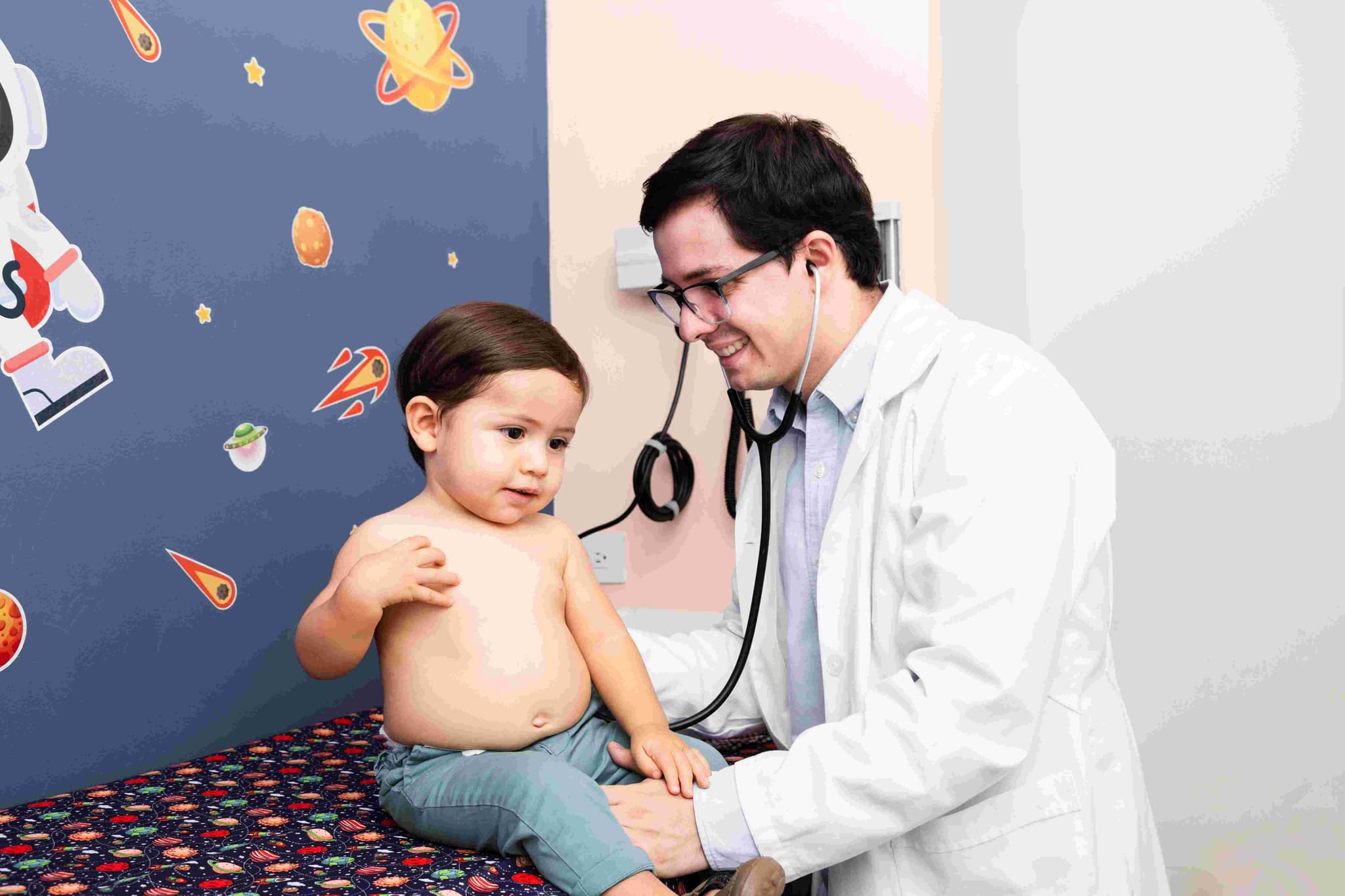
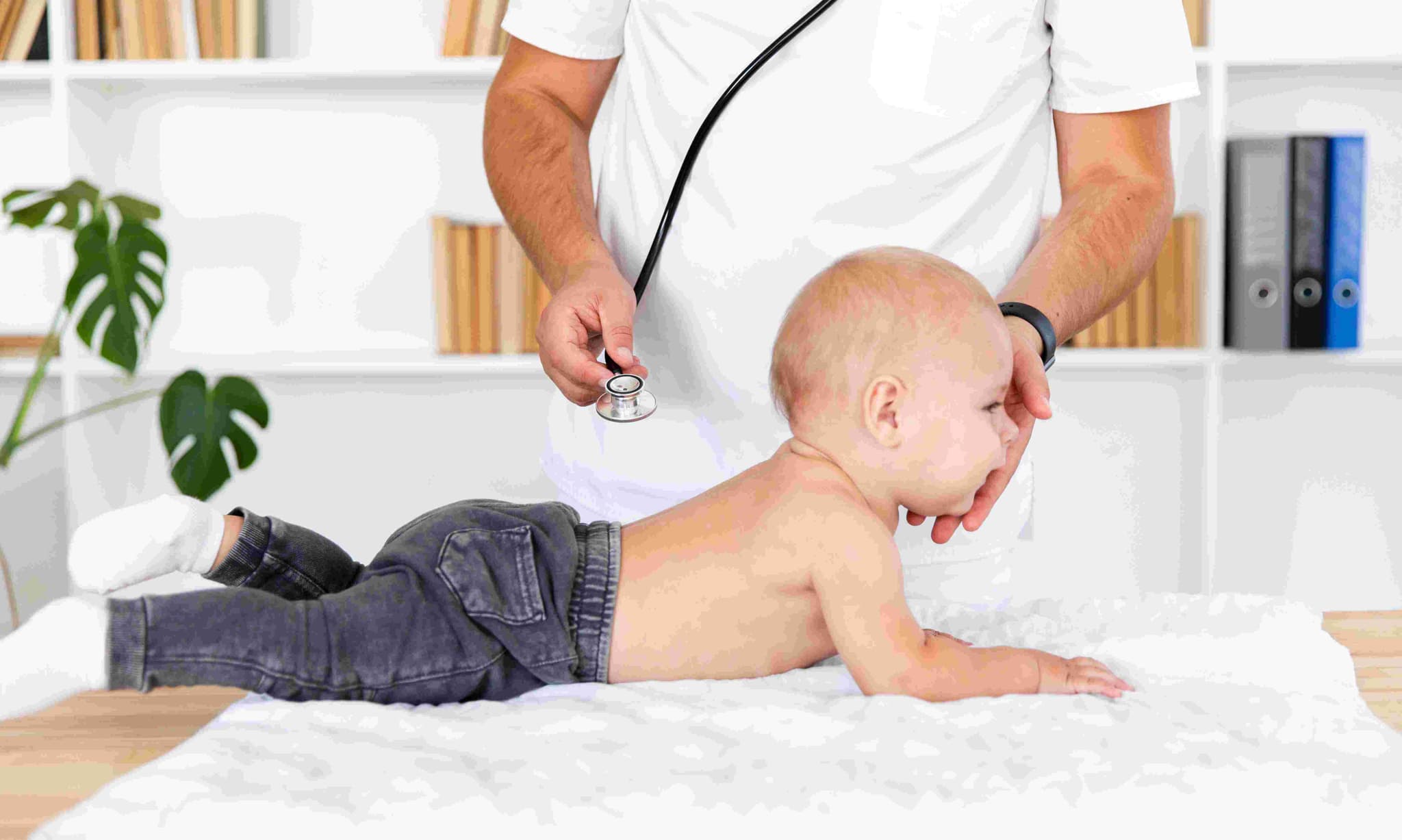
The Pediatric Department is a vibrant, specialized wing built on the essential principle that "children are not just small adults." A child’s anatomy, metabolism, and emotional needs are unique, requiring a dedicated environment from infancy through age 18. For international families, this department provides a "family-centered" care model, utilizing miniaturized technology and developmental expertise to protect a child’s health during their most critical years of growth.

A Multidisciplinary Team of Child Specialists

Our pediatric wing is staffed by a synchronized team of experts trained to communicate with and treat the youngest patients:

  • General Pediatricians: Primary advocates for child health, managing routine vaccinations and monitoring vital growth milestones.

  • Neonatologists: Highly specialized physicians who manage the high-stakes environment of the NICU for premature or complex newborns.

  • Pediatric Surgeons: Surgical experts trained to operate on tiny, developing structures, repairing congenital issues with extreme precision.

  • Pediatric Intensivists: Critical care masters who oversee the PICU (Pediatric ICU) for children requiring advanced life support.

  • Developmental Pediatricians: Specialists focused on "brain growth," diagnosing and managing conditions like Autism, ADHD, and speech delays.

  • Specialized Pediatric Nurses: Experts in "vessel access" and compassionate communication, ensuring even the smallest patients feel safe and heard.

Miniaturized Technology and "Ouchless" Tools

The department is equipped with world-class, child-sized technology designed to be as non-intimidating as possible:

  • Advanced Neonatal Incubators: Temperature-controlled "mechanical wombs" that precisely regulate heat, humidity, and oxygen for newborns.

  • Pediatric Precision Ventilators: Systems that deliver microscopic "puffs" of air to protect fragile, developing lung tissue.

  • Micro-Drip Infusion Sets: Specialized IV systems that deliver medication in microscopic drops, ensuring precise safety for small metabolisms.

  • "Ouchless" Clinical Tools: Utilizing vibrating numbing devices and ultra-thin "butterfly" needles to minimize the pain of injections and blood tests.

  • High-Precision Pediatric Scales: Digital sensors capable of measuring an infant's weight down to a single gram for clinical accuracy.

  • Phototherapy Systems: Advanced blue LED "Bili-lights" used to safely treat neonatal jaundice through the skin.

Specialized Functional and Therapeutic Areas

To support the emotional well-being of the family, the department features dedicated zones for healing and play:

  • NICU & PICU Suites: Ultra-sterile, high-security zones for neonatal and pediatric intensive care, designed to be soothing and quiet.

  • Therapeutic Playrooms: Vital areas where Child Life Specialists use toys and games to help children process the stress of hospitalization.

  • The Immunization Hub: A child-friendly clinic decorated to distract and comfort children during their scheduled vaccinations.

  • Lactation & Nutrition Rooms: Private, comfortable spaces for mothers to provide essential nutrition for infants staying in the hospital.

  • International Family Concierge: A dedicated point of contact to assist global families with school documentation, medical records, and travel plans.

A Focus on Growth and Life-Long Health

The department’s philosophy centers on early intervention and safety-first medicine:

  • Weight-Based Safety Protocols: Every milligram of medicine is calculated based on the child's exact weight to ensure maximum safety.

  • Congenital Excellence: The ability to correct structural issues in the first days of life, allowing children to grow without long-term disability.

  • Early Developmental Screening: Identifying challenges during the brain’s "plastic" years to ensure the best possible therapeutic outcomes.

  • Transition of Care: Dedicated programs that help teenagers transition smoothly from pediatric care into adult medical specialties at age 18.

May we help you?

Enter digits only (6-15 digits). We'll add your country code.

Pediatric Care Treatments

Angular Deformity Correction

Angular Deformity Correction

Angular deformity correction is a surgical process used to straighten bones that are abnormally bowed or twisted, such as knock-knees (genu valgum) or bow-legs (genu varum). When performed alongside limb lengthening, it ensures the mechanical axis of the leg is correctly aligned as the bone grows. This procedure is critical for distributing weight-bearing forces evenly across the joints to prevent long-term wear and arthritis.

When You Should Consider Correction

  • Genu Varum (Bow-legs): When the knees stay wide apart even when the feet and ankles are touching.

  • Genu Valgum (Knock-knees): When the knees touch but the ankles remain far apart.

  • Mechanical Axis Deviation: When a full-length X-ray shows the weight-bearing line from the hip to the ankle passes outside the center of the knee.

  • Joint Pain: Persistent discomfort in the hip, knee, or ankle caused by uneven loading of the joint surfaces.

  • Combined Deformity: When a limb requires both straightening and lengthening to restore symmetry.

How Is Performed

  • Deformity Analysis: Surgeons identify the Center of Rotation of Angulation (CORA), the precise "apex" where the bone is bent.

  • The Osteotomy: A precise bone cut is made, ideally at the CORA, to allow for realignment without shifting the bone segments sideways.

  • Acute Correction: The bone is cut and immediately moved into a straight position during surgery, then secured with internal plates and screws.

  • Gradual Correction: Used for larger deformities, an external fixator slowly adjusts the angle by roughly 1 degree per day.

  • Fixation: Advanced systems like the Taylor Spatial Frame use adjustable struts to correct angulation, rotation, and length simultaneously based on a computer-generated "prescription."

Correction Approaches

  • Opening Wedge Osteotomy: A single cut is made and "pried open" to create a gap that corrects the angle; this gap eventually fills with new bone.

  • Closing Wedge Osteotomy: A triangular wedge of bone is removed and the remaining ends are brought together, providing high stability.

  • Dome Osteotomy: A curved, circular cut allows the bone to rotate like a ball-and-socket joint to the correct angle without changing length.

  • Fixator-Assisted Nailing (FAN): A hybrid technique where a temporary external fixator achieves alignment during surgery before an internal rod is inserted to lock the position.

Pre-Procedure Preparation

  • Long-Film Radiography: Surgeons use full-length X-rays to calculate the mechanical axis and identify the exact CORA for planning.

  • Software Simulation: Entering bone measurements into computer programs to map out the daily adjustments required for hexapod fixators.

  • Joint Assessment: Evaluating the range of motion and stability of the hip and ankle to ensure they can accommodate the new alignment.

  • Hardware Selection: Determining whether internal plates, specialized nails, or external frames are best suited for the specific deformity.

Tests Before Deformity Correction

  • Full-Length Standing X-rays: The primary tool for measuring the deviation of the mechanical axis from the center of the knee.

  • CT Scan with Rotational Profile: Used to measure "torsion" or twisting in the bone that may not be fully visible on standard X-rays.

  • Gait Analysis: To document how the deformity affects walking patterns and joint loading before the intervention.

  • Bone Quality Assessment: Ensuring the bone is healthy enough to support the hardware and the healing process.

Life After Correction

  • Unloading the Joint: Bow-leg correction typically unloads the inner (medial) knee, while knock-knee correction unloads the outer (lateral) knee.

  • Daily Adjustments: For gradual correction, patients must follow a strict schedule of turning fixator struts to move the bone into alignment.

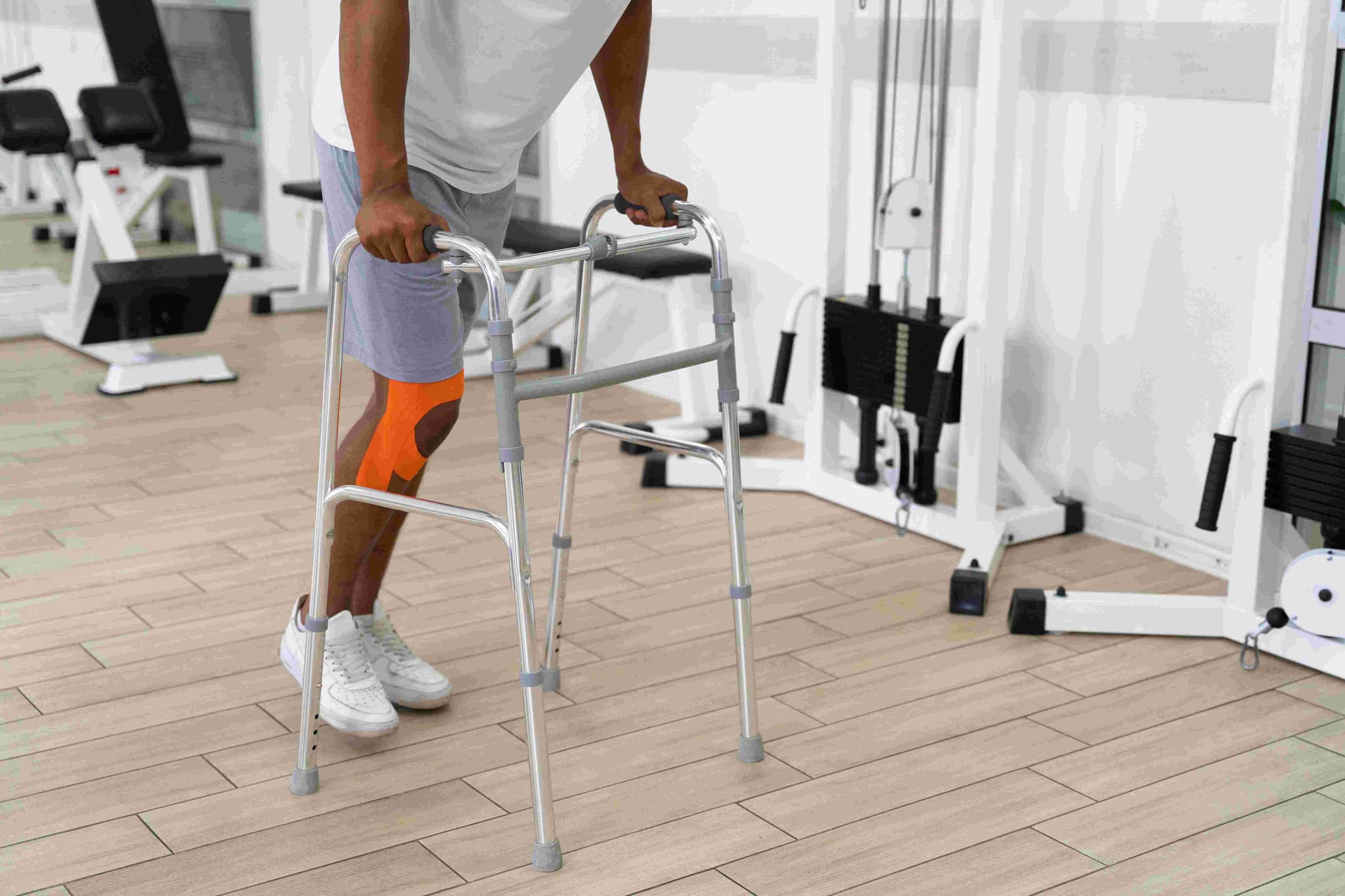
  • Physical Therapy: Crucial for maintaining joint flexibility as the surrounding muscles and ligaments adapt to the new leg structure.

  • Hardware Removal: Internal plates or rods may be removed in a minor procedure once the bone has fully consolidated in its new position.

Why Specialized Treatment Is Highly Effective

  • Precise Realignment: Using CORA planning ensures the bone is straightened with mathematical accuracy.

  • Prevents Degeneration: By restoring the mechanical axis, surgery protects the knee cartilage from premature wear and arthritis.

  • Multi-Planar Correction: Modern hexapod frames can fix bowing, twisting, and shortening all at once.

  • Stable Fixation: Modern internal and external systems allow for early mobility while the bone heals in the corrected position.

ASD Device Closure

ASD Device Closure

Atrial Septal Defect (ASD) closure is a specialized cardiac procedure performed to repair a hole in the septum, which is the wall separating the heart's upper chambers. This treatment is essential for restoring normal blood flow, preventing the heart from overworking, and reducing the risk of long term complications such as pulmonary hypertension or stroke.

When You Should Consider ASD Closure

  • Persistent shortness of breath, especially during exercise or physical activity.

  • Frequent respiratory infections or lung issues.

  • Chronic fatigue or low energy levels during simple daily tasks.

  • Heart palpitations or the sensation of a skipped heartbeat.

  • Swelling in the legs, feet, or abdomen caused by fluid buildup.

  • Detection of a heart murmur during a routine physical checkup.

Conditions That Require ASD Closure

  • Secundum ASD which is the most common form located in the middle of the atrial wall.

  • Primum ASD which occurs in the lower part of the septum and may affect heart valves.

  • Sinus Venosus ASD located near the entry points of the large veins into the right atrium.

  • Coronary Sinus ASD which involves a defect in the wall between the coronary sinus and the left atrium.

  • Large defects that cause significant blood shunting and heart chamber enlargement.

How ASD Closure Is Performed

  • General anesthesia is administered to ensure the patient is comfortable and pain free.

  • For transcatheter closure, a thin tube is guided through a vein in the groin to the heart.

  • For surgical repair, a chest incision is made to provide direct access to the heart wall.

  • A specialized mesh device or a surgical patch is placed to permanently seal the hole.

  • The heart function is tested using real time imaging to ensure the defect is fully closed.

  • Patients are moved to a specialized recovery unit for continuous monitoring.

Types of ASD Closure

  • Transcatheter Device Closure A minimally invasive method using a catheter to deliver a permanent sealing device to the heart.

  • Open Heart ASD Repair The traditional surgical approach used for very large or complex defects involving a chest incision.

  • Minimally Invasive ASD Surgery Performed through small incisions between the ribs to minimize scarring and speed up healing.

  • Robotic Assisted Repair Uses advanced robotic systems for high precision closure with the smallest possible incisions.

Pre Surgery Preparation

  • Stop smoking at least two to three weeks before the procedure for better lung recovery.

  • Ensure blood pressure and blood sugar levels are well controlled.

  • Follow specific fasting instructions provided by your Medivisor India Treatment coordinator.

  • Adjust or pause blood thinning medications only as advised by your cardiologist.

  • Complete all required cardiac imaging and blood work before the scheduled surgery date.

Pre Surgery Tests

  • ECG to monitor the electrical activity and rhythm of the heart.

  • 2D or 3D Echocardiography to visualize the size and location of the defect.

  • Transesophageal Echo (TEE) for a more detailed view of the heart structures.

  • Chest X ray to evaluate the size of the heart and the condition of the lungs.

  • Routine blood panels including CBC, liver function, and clotting profiles.

Why ASD Closure Is Highly Effective

  • Restores normal blood circulation and prevents oxygen rich blood from mixing with poor blood.

  • Eliminates symptoms like breathlessness and chronic fatigue within weeks.

  • Prevents the right side of the heart from becoming enlarged or failing.

  • Significantly improves daily stamina and long term quality of life.

  • Provides a permanent solution with high success rates in both children and adults.

Recovery After ASD Closure

  • ICU or recovery room stay for one to two days for close observation.

  • Early mobilization and walking are encouraged within twenty four hours.

  • For transcatheter patients, discharge is often possible within forty eight hours.

  • Surgical patients typically require four to seven days of hospital care.

  • Most patients return to school or work within one to four weeks depending on the method.

Life After ASD Closure

  • Exercise tolerance often improves significantly within two to three months of the repair.

  • Follow a heart healthy diet and stay hydrated to support the healing process.

  • Take daily aspirin or blood thinners for six months as prescribed to prevent clots.

  • Use antibiotics before dental procedures for six months to prevent heart infections.

  • Attend regular follow up appointments with a cardiologist to monitor heart health.

Clubfoot Correction

Clubfoot Correction

Clubfoot correction via surgery is typically reserved for severe cases or when non-surgical methods, such as the Ponseti method (casting), fail. The surgery aims to realign the foot by releasing or lengthening tight tissues to allow for a functional, pain-free position. While the procedure is highly effective, the affected foot and calf may remain slightly smaller than the unaffected side throughout the child's life.

When You Should Consider Surgery

  • Severe Deformity: For cases where the foot is rigidly fixed in an abnormal position.

  • Failed Casting: When traditional serial casting (Ponseti method) does not achieve the necessary correction.

  • Relapsed Clubfoot: If the deformity returns after initial successful non-surgical treatment.

  • Late Diagnosis: In older children where the bones and tissues are less flexible and require structural realignment.

How Is Performed

  • Anesthesia: Most clubfoot surgeries are performed under general anesthesia to ensure the child is comfortable.

  • Incision & Release: The surgeon makes one or two incisions, usually on the back and inside of the foot, to access tight structures.

  • Tissue Lengthening: Surgeons meticulously lengthen tight tendons, such as the Achilles, and release tight ligaments around the joints.

  • Stabilization: In complex cases, small metal pins, screws, or plates may be inserted to hold bones in their new, correct positions during healing.

  • Duration: The surgical procedure typically takes between 2 and 3 hours to complete.

Pre-Procedure Preparation

  • Medical Evaluation: The healthcare provider performs a physical exam, reviews medical history, and orders X-rays of the foot.

  • Blood Tests: Standard tests, including a complete blood count (CBC) and checks for clotting factors, are required.

  • Medication Audit: Parents are typically instructed to stop giving the child blood-thinning medications, such as ibuprofen, roughly 10 days before the operation.

  • Fasting (NPO): The child must not eat or drink anything for 4 to 6 hours before surgery to minimize anesthesia risks.

  • Hygiene: Bathe the child with antiseptic soap the night before or the morning of the surgery to reduce infection risks.

Tests Before Clubfoot Surgery

  • Foot X-rays: To visualize the alignment of the tarsal bones and plan the surgical correction.

  • Physical Assessment: To document the range of motion and the flexibility of the foot structures.

  • Complete Blood Count (CBC): To ensure there are no underlying infections or issues with blood cell levels.

  • Clotting Profile: To confirm the blood can clot properly during and after the surgical incisions.

Life After Clubfoot Surgery

  • Hospital Stay: Depending on complexity, the child may stay in the hospital for 1 to 3 days for monitoring.

  • Casting Phase: A long-leg cast is applied initially; these are changed every few weeks for a total of 6 to 12 weeks.

  • Pin Removal: If metal pins were used for stabilization, they are typically removed in the office 4 to 6 weeks after surgery.

  • Bracing Phase: Once the final cast is removed, a brace (orthosis) is required to prevent the foot from returning to the clubfoot position.

  • Physical Therapy: A therapist guides the family through exercises to strengthen the repaired foot and improve its range of motion.

Why Specialized Treatment Is Highly Effective

  • Structural Realignment: Directly addresses the tight ligaments and tendons that prevent the foot from sitting flat.

  • Long-Term Function: Most children achieve a functional foot and can lead active, athletic lives.

  • Customized Bracing: Post-operative bracing plans are tailored to the child's growth to maintain the correction.

  • Comprehensive Care: Involves a multidisciplinary team of surgeons and therapists to manage healing and strength

Complex Congenital Heart Surgery

Complex Congenital Heart Surgery

Complex Congenital Heart Surgery refers to a group of highly specialized operations performed to treat severe, often life-threatening structural heart defects present from birth. Unlike "simple" repairs, such as closing a small hole, complex surgeries often involve rearranging the entire circulatory system. These procedures are frequently performed in multiple stages over several years to allow the heart and lungs to adapt to new blood flow patterns.

When You Should Consider Complex Heart Surgery

  • Hypoplastic Left Heart Syndrome (HLHS): When the left side of the heart is severely underdeveloped and cannot pump enough blood to the body.

  • Transposition of the Great Arteries (TGA): A critical condition where the two main arteries leaving the heart are "switched," sending oxygen-poor blood to the body.

  • Tricuspid Atresia: When a missing heart valve prevents blood from flowing from the right atrium to the right ventricle, resulting in a "single ventricle" circulation.

  • Total Anomalous Pulmonary Venous Return (TAPVR): A defect where the veins bringing blood from the lungs attach to the wrong place in the heart.

  • Truncus Arteriosus: When a single large blood vessel stems from the heart instead of the separate aorta and pulmonary artery.

Common Complex Procedures

  • The Norwood Procedure (Stage 1 of 3): The first step in treating HLHS; the right ventricle is converted into the main pumping chamber, and the aorta is reconstructed to ensure the body receives blood.

  • Arterial Switch Operation (ASO): Performed for TGA; the aorta and pulmonary artery are disconnected and reattached to the correct ventricles, including the delicate transfer of coronary arteries.

  • The Fontan Procedure (Stage 3 of 3): The final stage for single-ventricle defects; oxygen-poor blood from the lower body is connected directly to the pulmonary artery, bypassing the heart.

  • The Glenn Procedure (Stage 2 of 3): Connects the large vein from the upper body (SVC) directly to the pulmonary artery to reduce the workload on a single working ventricle.

  • Ross Procedure: A sophisticated valve replacement where the patient’s own healthy pulmonary valve is moved to the aortic position, allowing it to grow as the child grows.

How Is Performed

  • Median Sternotomy: Under general anesthesia, a midline incision is made through the breastbone to allow the surgical team full access to the heart and great vessels.

  • Advanced Cardiopulmonary Bypass: The patient is connected to a heart-lung machine designed to manage the tiny blood volumes of newborns while maintaining oxygenation to the brain and organs.

  • Deep Hypothermic Circulatory Arrest (DHCA): For the most intricate repairs, the body temperature is lowered to approximately 18°C, and circulation is briefly stopped to provide a still, bloodless field for the surgeon.

  • Anatomical Reconstruction: Using the patient's own tissue or synthetic patches (Dacron/Gore-Tex), the surgeon "re-plumbs" the heart, enlarging vessels and closing internal defects.

  • Coronary Re-implantation: In "switch" procedures, the tiny coronary arteries—often the size of a needle—are meticulously moved to the new aortic root to ensure the heart muscle receives blood.

  • Delayed Chest Closure: In some newborn cases, the chest is left "open" for 2–3 days with a sterile covering to allow the heart to recover from swelling before the final closure.

Pre-Procedure Preparation

  • 3D Anatomical Modeling: Surgeons often use 3D-printed models of the patient's specific heart anatomy to "rehearse" and plan the complex reconstruction before surgery.

  • Prostaglandin Infusion: Many newborns are kept on a continuous IV medication (Alprostadil) to keep the ductus arteriosus open, ensuring survival until surgery can be performed.

  • Nutritional Optimization: Infants may require specialized high-calorie feeding or TPN (IV nutrition) to reach a stable weight and strength for the operation.

  • Cardiac Catheterization: A detailed study to measure internal heart pressures and resistance in the lung vessels, which is critical for planning "staged" procedures.

  • Fasting (NPO): Strict adherence to fasting guidelines is required to ensure safety during the induction of general anesthesia.

Tests Before Complex Heart Surgery

  • Fetal and Neonatal Echocardiogram: The primary diagnostic tool used to visualize the internal structures of the heart and the origin of the great vessels.

  • Cardiac MRI or CT: Provides high-resolution, three-dimensional images of the heart's relationship to the lungs and chest wall.

  • Genetic Screening: To check for associated syndromes (such as DiGeorge Syndrome) that may impact the child's overall surgical risk and recovery.

  • Cross-match Blood Work: Because these surgeries involve significant blood volumes, several units of specifically typed and screened blood are prepared in advance.

Life After Complex Heart Surgery

  • Cardiac ICU (CICU): Patients spend 7 to 21 days in a specialized ICU where heart function, rhythm, and oxygen levels are monitored second-by-second.

  • Inotropic Support: High doses of IV medications are often used for several days to help the "re-plumbed" heart pump effectively as it adapts to the new circulation.

  • Neurological Monitoring: Given the use of bypass and circulatory arrest, the medical team closely monitors for seizures or developmental milestones during recovery.

  • Wound and Bone Healing: For children, the breastbone typically heals within 6 to 8 weeks; parents are taught specific "lifting" techniques to protect the chest.

  • Lifelong CHD Specialist Care: These patients are considered "repaired" rather than "cured" and require lifelong surveillance to monitor for valve issues or rhythm changes.

Benefits Of Complex Heart Surgery

  • Life-Saving Intervention: Provides a definitive chance at survival for infants born with defects that would otherwise be fatal within days or weeks.

  • Improved Oxygenation: Corrects "cyanosis" (blueness), allowing the child’s brain and organs to receive the oxygen necessary for normal development.

  • Restores Physical Potential: Many children grow up to lead active lives, attend school, and participate in sports that would have been impossible without repair.

  • Growth and Development: Relieving the heart's workload allows the body to redirect energy toward physical growth and cognitive milestones.

  • Staged Success: The multi-stage approach (Norwood/Glenn/Fontan) allows the heart to grow and the lungs to mature, leading to better long-term outcomes in single-ventricle patients.

Congenital Brain Malformations

Congenital Brain Malformations

Congenital brain malformations are structural abnormalities present at birth, typically occurring during the early stages of fetal development. These anomalies can be caused by genetic mutations, environmental factors (such as maternal infections or folic acid deficiency), or specific disruptions during pregnancy. Because the brain is the control center for the body, these malformations can range from mild structural variations to severe conditions that impact motor function, cognition, and overall survival.

Common Types Of Congenital Brain Malformations

  • Neural Tube Defects (NTDs): Occur when the precursor to the brain and spine fails to close properly; includes Anencephaly (absence of major brain portions) and Encephalocele (sac-like protrusions through the skull).

  • Chiari Malformations: Structural defects in the base of the skull where brain tissue (cerebellar tonsils) is pushed down into the spinal canal, often obstructing fluid flow.

  • Dandy-Walker Malformation: A defect affecting the cerebellum and the fluid-filled spaces around it, typically characterized by an enlarged fourth ventricle and high intracranial pressure.

  • Migration Disorders: Conditions like Lissencephaly ("smooth brain") or Heterotopia, where nerve cells fail to move to their proper positions during gestation, often leading to epilepsy.

  • Holoprosencephaly: A failure of the forebrain to divide into two distinct hemispheres, which can cause significant facial and brain structure abnormalities.

  • Agenesis of the Corpus Callosum (ACC): The partial or complete absence of the "bridge" of nerve fibers that connects the left and right sides of the brain.

Associated Conditions & Symptoms

  • Hydrocephalus: A very common complication where cerebrospinal fluid (CSF) builds up within the brain's ventricles, causing increased pressure and head swelling.

  • Seizures and Epilepsy: Often seen in migration disorders (like Schizencephaly or Heterotopia) where abnormal brain "wiring" triggers electrical storms.

  • Developmental Delays: Delays in reaching milestones such as sitting up, walking, or speaking due to the structural impact on the motor and cognitive cortex.

  • Microcephaly or Macrocephaly: Abnormalities in head size (either significantly smaller or larger than average) reflecting the underlying brain development.

  • Motor Impairment: Difficulty with coordination, muscle tone (spasticity), or balance, particularly in malformations involving the cerebellum.

Surgical Treatments

  • VP Shunt Surgery: The most common treatment for associated hydrocephalus, involving a tube that drains excess fluid from the brain to the abdomen.

  • Chiari Decompression: A procedure where a small piece of bone is removed from the back of the skull (posterior fossa) to create more room for the brain and restore fluid circulation.

  • Encephalocele Repair: A delicate surgery to place protruding brain tissue back into the skull and surgically close the opening in the bone.

  • Endoscopic Third Ventriculostomy (ETV): A minimally invasive alternative to a shunt where a tiny hole is made in the floor of a brain ventricle to bypass a blockage.

  • Spina Bifida Closure: Closing the opening in the spine to protect exposed nerves; in some advanced centers, this is performed in utero (before the baby is born).

Non-Surgical & Supportive Care

  • Anti-Seizure Medications: Critical for managing epilepsy and preventing further neurological injury from frequent seizures.

  • Physical and Occupational Therapy: Long-term therapies designed to improve muscle strength, coordination, and the ability to perform daily tasks.

  • Speech-Language Pathology: To assist children with communication difficulties or swallowing issues that may arise from brainstem or cortical defects.

  • Early Intervention Programs: Specialized educational and developmental support provided during the first years of life to maximize cognitive potential.

Tests For Diagnosing Brain Malformations

  • Fetal Ultrasound: Often the first tool used to detect structural issues like ventriculomegaly or neural tube defects during routine pregnancy screenings.

  • Fetal MRI: Provides high-resolution images of the developing fetal brain when an ultrasound suggests an abnormality, allowing for precise surgical planning.

  • Postnatal MRI or CT: The gold standard for confirming a diagnosis after birth and monitoring the brain for changes in fluid pressure or growth.

  • Genetic Testing (Microarray/Exome): Used to identify specific chromosomal or gene mutations that may have caused the malformation, which is helpful for family planning.

Life Outlook and Long-Term Management

  • Multidisciplinary Care: Patients typically require a team including neurosurgeons, neurologists, pediatricians, and various therapists.

  • Lifelong Monitoring: Regular imaging is often needed to ensure that shunts remain functional and that no new issues, like syrinx (fluid in the spinal cord), develop.

  • Varied Outcomes: The "pathway" for each child is unique; while some malformations require intensive support, others may result in near-normal cognitive and physical function with early intervention.

Craniosynostosis Surgery

Craniosynostosis Surgery

Surgery is the primary treatment for craniosynostosis, a condition where the sutures (fiber-like joints) between the bones of an infant's skull close prematurely. The procedure is designed to release these fused sutures, relieve pressure on the developing brain, and reshape the skull to allow for normal, symmetrical growth. The specific surgical approach is typically determined by the child’s age, which sutures are involved, and the overall severity of the skull deformity.

When You Should Consider Craniosynostosis Surgery

  • Sagittal Synostosis: The most common form, causing a long, narrow head shape (scaphocephaly). Surgery is needed to widen the skull.

  • Coronal Synostosis: Fusion of the suture running from ear to ear, which can cause a flattened forehead and a shifted eye socket on one or both sides.

  • Metopic Synostosis: Results in a triangular-shaped forehead (trigonocephaly) and eyes that appear too close together.

  • Lambdoid Synostosis: A rare form causing flattening at the back of the head, requiring surgery to distinguish it from positional flattening.

  • Increased Intracranial Pressure (ICP): When the fused skull prevents the brain from expanding, leading to headaches, developmental delays, or vision changes.

  • Syndromic Craniosynostosis: Complex cases associated with genetic conditions (like Apert or Crouzon syndromes) where multiple sutures are fused.

Methods Of Craniosynostosis Surgery

  • Endoscopic Strip Craniectomy: A minimally invasive method for infants under 6 months, using small incisions and a camera to remove the fused bone strip.

  • Cranial Vault Remodeling (CVR): The traditional "open" surgery where the skull bones are removed, reshaped, and repositioned to create an immediate correction.

  • Fronto-Orbital Advancement (FOA): A specialized open procedure focused on reshaping the forehead and the upper rim of the eye sockets.

  • Spring-Mediated Cranioplasty: Following an endoscopic release, stainless steel springs are inserted to gradually push the bone segments apart as the brain grows.

  • Cranial Distraction Osteogenesis: Using internal metal "distractor" devices that are turned daily to slowly expand the skull over several weeks.

How Is Performed

  • Surgical Access: Depending on the method, the surgeon makes either small "keyhole" incisions (endoscopic) or a larger zigzag incision from ear to ear (open) to hide the future scar within the hairline.

  • Suture Release: The fused bone at the suture line is carefully cut or removed to "unlock" the skull.

  • Bone Reshaping: In open surgery, the bones are removed and manually reshaped by the surgeon to create a more natural head contour.

  • Hardware Fixation: Absorbable plates and screws—which dissolve naturally within 1–2 years—are used to hold the new skull shape in place.

  • Expansion Device Placement: If using springs or distractors, these are tensioned or installed at the bone edges to allow for ongoing expansion.

  • Scalp Closure: The skin is closed with dissolvable sutures; in some cases, a small drain may be left for 24 hours to prevent fluid buildup.

Pre-Procedure Preparation

  • 3D CT Scan: A specialized high-resolution scan is used to create a 3D reconstruction of the skull, allowing the surgeon to "map" the fusion exactly.

  • Ophthalmology Exam: A baseline eye exam to check for swelling of the optic nerve (papilledema), which is a sign of high brain pressure.

  • Hematology Consult: Because bone surgery can involve significant blood loss, a "type and cross-match" for blood is performed to have a transfusion ready if needed.

  • Genetic Testing: To determine if the synostosis is part of a syndrome, which may influence the timing of future facial surgeries.

  • Fasting (NPO): Infants must stop feeding several hours before the procedure to ensure safety under general anesthesia.

Tests Before Craniosynostosis Surgery

  • 3D Cranial Imaging: The gold standard for confirming which sutures are fused and assessing the volume of the intracranial space.

  • Baseline Developmental Screen: To assess motor and cognitive milestones before the brain is "released."

  • Complete Blood Count (CBC): To check hemoglobin levels, ensuring the child is strong enough for a procedure where blood loss is expected.

  • EKG or Echo: Occasionally performed if a genetic syndrome is suspected that might also affect the heart.

Life After Craniosynostosis Surgery

  • Hospital Stay: Endoscopic patients typically stay 1 night, while open surgery patients stay 3 to 7 days, often including a night in the Pediatric ICU.

  • Helmet Therapy: If the child had an endoscopic strip craniectomy, they must wear a custom-molded orthotic helmet for up to 23 hours a day for several months.

  • Swelling Management: Significant facial and eyelid swelling is normal for 3–5 days after open surgery; the head is often kept elevated to help this resolve.

  • Activity Restrictions: Most children return to normal play in 2–3 weeks, but contact sports or rough play must be avoided for at least 3 months while the bone heals.

  • Long-Term Monitoring: Follow-up appointments occur every few months for the first year, then annually to ensure the skull continues to grow at the same rate as the brain.

Benefits Of Craniosynostosis Surgery

  • Protects Brain Development: Relieving pressure allows the brain to expand and develop without the risk of cognitive or motor delays.

  • Restores Head Symmetry: Corrects the visible deformity, providing a more natural appearance and improving the alignment of the ears and eyes.

  • Permanent Correction: In most non-syndromic cases, a single surgery provides a lifelong fix for the fused suture.

  • Minimally Invasive Options: Early detection allows for endoscopic surgery, which features smaller scars and a much faster recovery time.

  • Reduces Future Complications: Prevents the development of chronic headaches, vision loss, or social difficulties related to head shape later in life.

Hydrocephalus Surgery (VP Shunt)

Hydrocephalus Surgery (VP Shunt)

Ventriculoperitoneal (VP) shunt surgery is a common neurosurgical procedure used to treat hydrocephalus, a condition where excess cerebrospinal fluid (CSF) builds up in the brain's ventricles. This surgery diverts the excess fluid to another part of the body—usually the abdomen (peritoneal cavity)—where it can be naturally reabsorbed into the bloodstream. By relieving the pressure on the brain, the shunt helps prevent neurological damage and alleviates symptoms like headaches, vision problems, and cognitive changes.

When You Should Consider VP Shunt Surgery

  • Congenital Hydrocephalus: For infants born with a blockage or structural defect that prevents CSF from draining naturally.

  • Normal Pressure Hydrocephalus (NPH): Typically seen in older adults, where fluid buildup causes a classic triad of symptoms: difficulty walking, urinary incontinence, and memory loss.

  • Acquired Hydrocephalus: Following a brain injury, tumor, or meningitis that has scarred the drainage pathways of the brain.

  • Subarachnoid Hemorrhage: When a ruptured aneurysm leads to blood in the CSF spaces, blocking the natural reabsorption of fluid.

  • Failed Endoscopic Third Ventriculostomy (ETV): When a previous non-shunt surgical attempt to create a drainage hole in the brain has closed or failed to lower pressure.

Methods Of VP Shunt Surgery

  • Fixed-Pressure Shunting: The traditional method using a valve set to a specific opening pressure that cannot be changed without surgery.

  • Programmable Valve Shunting: A modern approach where the drainage pressure can be adjusted by a neurosurgeon using a specialized external magnet, avoiding the need for repeat operations.

  • Lumboperitoneal (LP) Shunt: A variation where the fluid is drained from the lower spine (lumbar region) instead of the brain, often used for idiopathic intracranial hypertension.

  • Ventriculoatrial (VA) Shunt: An alternative drainage site where the tubing is directed into the right atrium of the heart if the abdomen is not a suitable option.

  • Anti-Siphon Devices: Specialized valve attachments designed to prevent "over-drainage" when a patient moves from lying down to standing up.

How Is Performed

  • Surgical Access: Under general anesthesia, small incisions are made in the scalp (usually behind the ear) and in the upper abdomen.

  • Burr Hole Creation: The surgeon drills a small hole (approximately 14mm) in the skull to provide a safe entry point to the fluid-filled ventricles.

  • Ventricular Placement: A thin, flexible tube (the ventricular catheter) is carefully guided into the brain’s ventricle to begin the drainage process.

  • Subcutaneous Tunneling: The rest of the shunt tubing is passed under the skin, traveling from the head, down the neck and chest, to the abdominal incision.

  • Valve and Reservoir Integration: A one-way valve and a small reservoir are placed under the scalp to regulate fluid flow and allow for future fluid sampling or "priming."

  • Peritoneal Insertion: The distal end of the catheter is placed into the peritoneal cavity of the abdomen, where the lining is highly efficient at reabsorbing the diverted CSF.

[Image showing the tunneling of a shunt catheter under the skin of the neck and chest]

Pre-Procedure Preparation

  • Neurological Mapping: High-resolution CT or MRI scans are mandatory to identify the exact cause of the hydrocephalus and plan the safest trajectory for the catheter.

  • Medication Review: Patients must stop taking blood thinners (like Aspirin, Warfarin, or Ibuprofen) at least one week before surgery to minimize the risk of brain hemorrhage.

  • Infection Prevention: Showering with a specialized antiseptic soap (CHG) the night before and the morning of surgery is often required to reduce skin bacteria.

  • Physical Evaluation: A thorough medical history and physical exam to ensure the patient is a safe candidate for general anesthesia.

  • Fasting (NPO): No food or drink for 8–12 hours prior to the procedure to prevent complications during the induction of anesthesia.

Tests Before VP Shunt Surgery

  • Brain MRI or CT: The primary tools used to measure the size of the ventricles and check for signs of high pressure or "transependymal flow."

  • Lumbar Puncture (Spinal Tap): Occasionally performed to see if removing a small amount of fluid temporarily improves symptoms, predicting the success of a permanent shunt.

  • Cine Phase-Contrast MRI: A specialized scan that looks at the actual flow of CSF to determine if there is a physical blockage (obstructive hydrocephalus).

  • Baseline Cognitive Testing: Especially in NPH cases, to provide a benchmark for measuring improvement in memory and gait after the surgery.

Life After VP Shunt Surgery

  • Hospital Monitoring: Most patients stay 1 to 3 days; some may be required to lie flat for the first 24 hours to allow the brain to adjust to the new pressure.

  • Pain Management: Headaches and tenderness at the incision sites are common and are managed with oral or IV pain medications.

  • Incision Care: Staples or sutures are typically removed 7–14 days after surgery; the incisions must be kept clean and dry until they are fully healed.

  • Activity Restrictions: While light walking is encouraged, patients must avoid heavy lifting, bending over, or strenuous exercise for 4 to 6 weeks.

  • Long-Term Awareness: Patients must be alert for signs of "shunt failure" (headache, vomiting, or sleepiness) and carry a device identification card for future MRIs.

Benefits Of VP Shunt Surgery

  • Immediate Pressure Relief: Effectively reduces intracranial pressure, often providing rapid relief from severe headaches and vision changes.

  • Restores Neurological Function: In many patients, particularly those with NPH, shunting can dramatically improve walking ability and cognitive clarity.

  • Prevents Permanent Damage: By controlling fluid levels, the surgery prevents the brain tissue from being compressed and permanently damaged.

  • Adjustable Technology: Programmable valves allow doctors to "fine-tune" the drainage to the patient's specific needs without additional surgery.

  • Proven Long-Term Solution: Shunting has been the primary treatment for hydrocephalus for decades, with a high success rate in managing the condition over a lifetime.

Hypospadias Repair

Hypospadias Repair

Hypospadias repair is a specialized surgical procedure that repositions the urethral opening to the tip of the penis, straightens any curvature, and reconstructs the glans. This treatment is essential for ensuring normal urinary function and proper physical development.

When You Should Consider Hypospadias Repair

  • Displaced Urethral Opening: When the opening is located on the underside of the shaft rather than the tip.

  • Penile Curvature (Chordee): A downward bend of the penis that becomes more apparent during an erection.

  • Abnormal Spraying: Difficulty controlling the urinary stream, often requiring sitting to urinate.

  • Hooded Foreskin: When the foreskin only covers the top half of the penis, leaving the underside exposed.

  • Functional Concerns: To ensure future sexual function and to prevent psychological distress related to physical appearance.

How Is Performed

  • Anesthesia: The surgery is performed under general anesthesia and typically takes one to three hours depending on the complexity.

  • Penile Degloving: The skin is separated from the shaft to release tethering bands and accurately assess any curvature.

  • Orthoplasty (Straightening): If a curve is present, the surgeon straightens the shaft, which may involve tucking the topside or using ventral grafting.

  • Urethroplasty: A new urinary channel is created using the existing urethral plate, local skin flaps, or tissue grafts from the mouth (buccal mucosa).

  • Glanuloplasty: The new opening is positioned at the tip of the glans, which is then reshaped into a natural conical configuration.

  • Stent Placement: A temporary urinary catheter or stent is often inserted to keep the new urethra open while tissues heal.

Pre-Procedure Preparation

  • Medical Evaluation: A pediatric urologist evaluates general health, locates the urethral opening, and assesses the degree of curvature.

  • Hormonal Stimulation: In some cases, testosterone or HCG may be administered to increase penile size, which can improve surgical success rates.

  • Fasting: Patients must follow strict "nothing by mouth" (NPO) instructions for several hours before surgery to prevent complications during anesthesia.

  • Hygiene: Following specific bathing instructions with antiseptic soap as directed by the surgical team.

Tests Before Hypospadias Repair

  • Physical Examination: To grade the severity of the hypospadias (Glandular, Subglandular, Midshaft, or Penoscrotal).

  • Ultrasound: Occasionally used to check the rest of the urinary tract (kidneys and bladder) for associated anomalies.

  • Genetic Testing: May be recommended in very severe cases where the internal reproductive organs need evaluation.

  • Karyotyping: To confirm chromosomal sex if the physical appearance makes gender assignment unclear at birth.

Life After Hypospadias Repair

  • Immediate Care: Bandages and compression dressings are applied to minimize swelling; most patients go home the same day.

  • Catheter Management: The stent usually remains in place for 5 to 14 days. For infants, a "double-diapering" technique is used to keep the site clean.

  • Medication: Antibiotics are prescribed to prevent infection, and antispasmodics (like oxybutynin) help prevent painful bladder spasms.

  • Activity Restrictions: Straddle toys, bicycles, and swimming must be avoided for three to four weeks to allow for full healing.

  • Follow-up: The first appointment typically occurs within one week for dressing and catheter removal.

Why Specialized Treatment Is Highly Effective

  • Functional Restoration: Corrects the urinary stream to allow for normal standing urination.

  • Curvature Correction: Ensures the penis is straight, which is vital for comfort and function in adulthood.

  • High Success Rates: Modern techniques have significantly reduced the risk of complications like fistulas (leaks).

  • Aesthetic Improvement: Provides a natural appearance that helps prevent future body image concerns.

  • Minimally Invasive Focus: Most repairs are successfully completed in a single-stage outpatient procedure.

Limb Lengthening Surgery

Limb Lengthening Surgery

Limb lengthening is a multi-phase orthopedic process that utilizes distraction osteogenesis—the body's ability to grow new bone in response to mechanical tension. This procedure is used to treat limb length discrepancies or to increase stature by surgically lengthening the femur or tibia.

When You Should Consider Limb Lengthening

  • Limb Length Discrepancy: When one leg is significantly shorter than the other due to congenital conditions, previous injuries, or bone infections.

  • Stature Concerns: For individuals with certain types of dwarfism or constitutional short stature who seek to increase their height.

  • Post-Traumatic Deformity: To correct bones that have healed improperly or shortened following a severe fracture.

  • Congenital Bone Defects: For conditions like fibular hemimelia where part of a bone is missing or underdeveloped.

How Is Performed

  • Osteotomy (The Bone Cut): Under general anesthesia, the surgeon makes a precise, low-energy cut through the bone while carefully preserving the nutrient-rich outer membrane (periosteum) and blood supply.

  • Internal Device Installation: A motorized telescopic rod is inserted into the bone's marrow canal and secured with screws.

  • External Device Installation: A metal frame (such as an Ilizarov fixator) is attached to the bone segments via pins and wires that pass through the skin.

  • Hospitalization: Patients typically remain in the hospital for 3 to 7 days for monitoring, pain management, and initial mobility training.

The Three Healing Phases

  • Latency Phase (5–10 Days): After surgery, the bone is left to rest to allow a hematoma and soft repair tissue (callus) to develop at the site.
  • Distraction Phase (Lengthening): The device is adjusted to pull the bone segments apart, typically at a rate of 1 mm per day, often split into four increments.
    Internal devices are adjusted using an External Remote Controller (ERC) with magnets.
    External fixators are manually adjusted by turning a knob or "clicker".

  • Consolidation Phase (Hardening): Once the target length is reached, the device is locked. The soft tissue gradually mineralizes into hard, weight-bearing bone, typically taking double the time of the distraction phase.

Pre-Procedure Preparation

  • Physical Evaluation: A thorough assessment of joint range of motion and muscle strength in the affected limb.

  • Imaging Workup: Full-length X-rays (teleoroentgenograms) to precisely measure existing bone lengths and alignment.

  • Psychological Screening: Ensuring the patient and family are prepared for the intensive, months-long commitment to the lengthening and rehab process.

  • Tobacco Cessation: Patients must stop smoking as nicotine significantly impairs bone healing and increases the risk of nonunion.

  • Nutritional Optimization: Ensuring adequate intake of Vitamin D and Calcium to support the rapid growth of new bone tissue.

Tests During Limb Lengthening

  • Frequent X-rays: Performed weekly during the distraction phase to monitor the "regenerate" (new bone) and ensure the lengthening rate is appropriate.

  • Nerve Conduction Checks: Regular clinical exams to ensure the stretching of nerves isn't causing numbness or weakness.

  • Bone Density Scans: Used during the consolidation phase to determine when the new bone is strong enough for full weight-bearing.

  • Infection Monitoring: Continuous visual checks of pin sites (for external frames) and blood tests if a deep infection is suspected.

Life During Limb Lengthening

  • Physical Therapy: Mandatory sessions 2 to 5 times per week to prevent joint stiffness and muscle contractures as the bone grows.

  • Weight-Bearing: Patients start with partial weight-bearing using crutches; full weight-bearing is only permitted after X-rays confirm sufficient bone density.

  • Daily Device Management: Patients or caregivers must perform the scheduled adjustments (distractions) and clean pin sites meticulously.

  • Hardware Removal: Internal rods are typically removed via a minor surgery 1 to 2 years after the initial procedure.

Why Specialized Treatment Is Highly Effective

  • Natural Bone Growth: Uses the body's own regenerative power to create real, permanent bone tissue.

  • High Precision: Modern motorized internal rods allow for extremely accurate lengthening with minimal discomfort.

  • Simultaneous Correction: Can often correct bone rotations or angular deformities (like bow-legs) at the same time as lengthening.

  • Restored Symmetry: Provides a permanent solution to limb length discrepancies, improving gait and preventing long-term back or hip pain.

Osteotomy

Osteotomy

An osteotomy is a surgical procedure where a bone is precisely cut, reshaped, or removed to change its alignment or length. In the context of limb lengthening, it is the foundational step that allows for new bone growth. This specialized intervention triggers the body's natural healing mechanisms to bridge gaps or correct structural deformities.

Types of Osteotomy

  • Closing Wedge: A wedge of bone is removed to straighten a tilted bone, a technique commonly used in "knock-knee" corrections.

  • Opening Wedge: A cut is made and the bone is pulled open to create a gap, which is then filled with a bone graft or allowed to grow new bone.

  • Rotational: The bone is cut and turned to correct a twist or "torsion" within the limb.

  • Corticotomy: A specific type used in lengthening where only the hard outer shell (cortex) is cut, preserving the inner marrow and blood supply to speed up healing.

How Is Performed

  • Incision: The surgeon makes a small skin incision to access the target bone, usually the femur or tibia.

  • Protection: Surrounding nerves, blood vessels, and muscles are retracted and shielded using specialized tools during the procedure.

  • The Cut: Using a surgical saw, drill, or osteotome (a chisel-like tool), the surgeon performs a "low-energy" cut to minimize heat damage to the bone cells.

  • Hardware Fixation: Once the bone is cut, an internal rod (intramedullary nail) or an external fixator (pins and frames) is attached to hold the segments in the new position.

Biological Healing (The "Glow")

The primary goal of an osteotomy in lengthening is to trigger Distraction Osteogenesis:

  • Hematoma Formation: Immediately after the cut, blood fills the gap, creating a "scaffold" for the healing process.

  • Callus Formation: Within days, the body sends "osteoblasts" (bone-building cells) to create a soft, cartilage-like bridge called a callus.

  • Tension-Stress Effect: By slowly pulling the two cut pieces apart (distraction), the body is "tricked" into continuously creating more callus, which eventually hardens into solid bone.

Pre-Procedure Preparation

  • Imaging Workup: Detailed X-rays or CT scans are required to plan the exact angle and location of the bone cut.

  • Vascular Assessment: Ensuring healthy blood flow to the limb is critical, as the bone depends on this supply to grow new tissue.

  • Medication Audit: Patients must pause anti-inflammatory drugs (NSAIDs) or blood thinners that could interfere with hematoma formation and bone healing.

  • Smoking Cessation: Nicotine must be avoided entirely, as it constricts blood vessels and significantly increases the risk of the bone failing to knit back together.

Tests Before Osteotomy

  • Weight-Bearing X-rays: To assess the overall mechanical axis of the leg and determine the degree of correction needed.

  • Blood Panels: Checking calcium, Vitamin D, and alkaline phosphatase levels to ensure the body has the mineral resources for bone growth.

  • CT Scan (3D Reconstruction): Provides a precise anatomical map for complex rotational or multi-planar corrections.

  • Nerve Conduction Study: May be performed if there is a pre-existing nerve issue to establish a baseline before the bone is realigned.

Life After Osteotomy

  • Nerve/Vessel Monitoring: Surgeons monitor the limb post-op for "compartment syndrome" or nerve compression because the bone has been physically severed.

  • Pain Management: The first 48–72 hours involve the most acute pain as the bone ends and surrounding tissue settle.

  • Weight-Bearing Restrictions: Weight-bearing is strictly limited until X-rays show "bridging" (new bone crossing the gap) to prevent hardware failure or bone shifting.

  • Physical Therapy: Early motion of the joints above and below the osteotomy is encouraged to prevent stiffness while the bone heals.

Why Specialized Treatment Is Highly Effective

  • Permanent Realignment: Corrects the root cause of joint pain and uneven wear by shifting the load to healthy areas of the bone.

  • Bone Preservation: Modern "low-energy" techniques preserve the biological vitality of the bone, leading to faster consolidation.

  • Customized Hardware: 2026-standard internal nails and external frames allow for microscopic adjustments to ensure a perfect final alignment.

  • Prevents Arthritis: By correcting a tilted or twisted bone early, an osteotomy can often delay or eliminate the need for a joint replacement later in life.

PDA Surgical Ligation

PDA Surgical Ligation

Surgical Ligation of a Patent Ductus Arteriosus (PDA) is a definitive procedure to manually close an abnormal, persistent connection between the aorta and the pulmonary artery. While many PDAs are now closed using minimally invasive catheters, surgery remains the primary choice for premature infants, very small babies, or patients with a ductal shape that cannot safely hold a synthetic plug or coil. Closing this "extra" vessel prevents blood from flooding the lungs, which can lead to heart failure and respiratory distress.

When You Should Consider PDA Surgical Ligation

  • Symptomatic Prematurity: For extremely low-birth-weight infants who experience difficulty breathing or feeding and have not responded to medical treatments like Ibuprofen or Indomethacin.

  • Large Ductal Shunt: When the PDA is large enough to cause "volume overload," leading to an enlarged heart and high blood pressure in the lungs (pulmonary hypertension).

  • Anatomical Constraints: If the PDA is too short, wide, or "window-shaped," making it technically difficult or dangerous to place a transcatheter device.

  • Failure of Catheter Closure: When a previous attempt to close the ductus using a catheter-based plug has failed or the device was unable to stay in a stable position.

  • Recurrent Infections: For patients who develop endocarditis (an infection of the heart lining) specifically related to the turbulent blood flow through the PDA.

Methods Of PDA Surgical Ligation

  • Left Posterolateral Thoracotomy: The traditional surgical approach involving a small incision on the left side of the chest, usually between the 4th and 5th ribs.

  • Surgical Clipping: Using a small, permanent titanium clip to pinch the ductus vessel shut, which is often faster and less traumatic than traditional stitching.

  • Suture Ligation: The surgeon uses two thick silk threads to tie the vessel tightly in two places, ensuring no blood can pass through the connection.

  • Ductal Division: A more extensive method where the surgeon ties the vessel in two spots and then cuts the tissue in the middle to ensure it can never reopen.

  • VATS (Video-Assisted) Ligation: A minimally invasive surgical option using a camera and small instruments for older children or larger infants to avoid a full thoracotomy.

How Is Performed

  • Surgical Access: Under general anesthesia, the surgeon makes a small incision on the left side of the chest, reaching the heart from the side rather than through the breastbone.

  • Lung Retraction: The left lung is gently moved aside and protected to provide the surgeon with a clear, direct view of the aorta and the pulmonary artery.

  • Vessel Identification: The surgeon carefully isolates the ductus arteriosus, taking extreme care to identify the nearby nerves that control the voice box and diaphragm.

  • The Closure: Depending on the anatomy, the surgeon either applies a titanium clip or ties two heavy silk sutures around the vessel to "ligate" it.

  • Flow Confirmation: The surgeon confirms that the vessel is completely flattened and that there is no residual "thrill" or vibration, indicating the shunt is closed.

  • Chest Tube Placement: A small drainage tube is often placed in the chest cavity to remove any air or fluid and ensure the left lung re-expands fully after the procedure.

Pre-Procedure Preparation

  • Echocardiogram (Echo): A detailed ultrasound is mandatory to measure the exact diameter of the PDA and assess how much blood is shunting into the lungs.

  • Respiratory Support Optimization: For premature infants in the NICU, ventilator settings are adjusted to ensure the baby is stable enough for the move to the operating room.

  • Infection Screening: Ensuring the patient is free from active pneumonia or other infections that could complicate the surgical recovery.

  • Blood Cross-match: Ensuring that appropriately typed blood is available, as the ductal tissue in premature babies can be extremely fragile and prone to bleeding.

  • Fasting (NPO): Infants must follow strict fasting guidelines before surgery to ensure safety under general anesthesia.

Tests Before PDA Surgical Ligation

  • Chest X-ray: To evaluate the degree of heart enlargement and see how much fluid or "congestion" is present in the lung fields.

  • Electrocardiogram (EKG): To check the heart’s electrical rhythm and look for signs of strain on the left side of the heart caused by the extra blood flow.

  • Complete Blood Count (CBC): To check for adequate hemoglobin and ensures there is no underlying infection before the sterile procedure.

  • Coagulation Profile: To confirm the blood's ability to clot normally, which is vital when working on major blood vessels like the aorta.

Life After PDA Surgical Ligation

  • Chest Tube Removal: The drainage tube is typically removed within 24 to 48 hours once the surgeon confirms the lung is fully expanded and there is no fluid buildup.

  • NICU/Hospital Monitoring: Full-term babies typically stay 2 to 4 days, while premature infants return to the NICU until they reach their original growth and respiratory goals.

  • Pain Management: Discomfort at the rib incision is managed with local nerve blocks and IV medications, transitioning to oral pain relief as the baby begins feeding.

  • Vocal Assessment: Doctors and nurses monitor the baby's cry or voice, as the nerve controlling the left vocal cord is located very close to the ligation site.

  • Activity: Most older children return to normal play and activity within 1 to 2 weeks, with the heart usually returning to its normal size shortly after.

Benefits Of PDA Surgical Ligation

  • Permanent Cure: Surgical ligation has a success rate of nearly 100%; once the vessel is tied or clipped, it is considered permanently closed.

  • Immediate Respiratory Relief: Removing the "flood" of blood to the lungs often allows premature babies to be weaned off ventilators much faster.

  • Protects the Heart: By stopping the volume overload, the surgery prevents the left side of the heart from becoming stretched or weakened.

  • Prevents Lung Damage: Closing the PDA early prevents permanent damage to the small blood vessels in the lungs (pulmonary hypertension).

  • Enables Growth: Many infants experience a rapid improvement in their ability to feed and gain weight once the heart and lungs are no longer struggling.

PUJ Obstruction Surgery

PUJ Obstruction Surgery

Pelviureteric Junction (PUJ) obstruction surgery, primarily known as Pyeloplasty, is a reconstructive procedure to remove a blockage at the junction where the kidney meets the ureter. The goal is to restore normal urine flow and prevent permanent kidney damage caused by fluid backup (hydronephrosis).

When You Should Consider Pyeloplasty

  • Persistent Flank Pain: A dull ache or sharp pain in the side or back, which may worsen after drinking large amounts of fluid.

  • Recurrent Kidney Infections: Frequent urinary tract infections (UTIs) associated with high fever or loin pain.

  • Hematuria: The presence of blood in the urine, often caused by stones or pressure within the renal pelvis.

  • Kidney Stones: Formation of stones in the kidney due to stagnant urine flow.

  • Declining Kidney Function: Evidence from scans showing that the affected kidney is struggling to drain or losing its functional capacity.

How Is Performed

  • Anesthesia: The surgery is performed under general anesthesia and typically takes two to four hours.

  • Approach: The "gold standard" is a minimally invasive laparoscopic or robotic approach using small "keyhole" incisions, though traditional open surgery via a flank incision is also used.

  • Excision: The surgeon identifies the narrow or blocked segment of the PUJ and carefully removes it.

  • Reconstruction: The healthy ureter is meticulously reconnected to the renal pelvis using fine, absorbable sutures to create a wide, funnel-shaped opening.

  • Stent Placement: A small, flexible tube called a DJ (Double-J) stent is inserted internally to bridge the new connection, allowing it to heal without irritation from urine flow.

Pre-Procedure Preparation

  • Imaging & Tests: Surgeons confirm the severity of the blockage using a DTPA or MAG-3 renal scan to measure individual kidney function and drainage time.

  • Medical Clearance: Routine blood work, urinalysis, and an ECG are required to ensure the patient is fit for anesthesia.

  • Fasting: Patients must follow strict "nothing by mouth" instructions for approximately eight hours before the scheduled surgery.

  • Hydration: Maintaining good fluid intake in the days leading up to the procedure as directed by the clinical team.

Tests Before Pyeloplasty

  • Renal Ultrasound: To measure the degree of swelling (hydronephrosis) and the thickness of the kidney tissue.

  • DTPA/MAG-3 Scan: The most important test to determine if the blockage is truly obstructing urine flow or just a physical widening.

  • CT Urogram: Provides a detailed anatomical map of the kidney's blood vessels to check for "crossing vessels" that might be compressing the ureter.

  • Urinalysis: To rule out any active infection before making surgical incisions.

Life After Pyeloplasty

  • Hospital Stay: Most patients stay in the hospital for one to three days for monitoring and pain management.

  • Tubes & Drains: A bladder catheter (Foley) is typically removed after 24–48 hours, and a small wound drain is removed before discharge.

  • Activity Levels: Walking is encouraged within 24 hours, but strenuous exercise and heavy lifting must be avoided for four to six weeks.

  • Stent Removal: The internal DJ stent is removed via a quick minor procedure (cystoscopy) usually four to six weeks after the surgery.

  • Long-Term Monitoring: A repeat renal scan is performed three to six months post-surgery to confirm the blockage has resolved and drainage has improved.

Why Specialized Treatment Is Highly Effective

  • High Success Rates: Pyeloplasty has a success rate exceeding 90–95% in permanently resolving the obstruction.

  • Kidney Preservation: By restoring flow, the procedure prevents the progressive loss of nephrons and potential kidney failure.

  • Minimally Invasive Recovery: Laparoscopic and robotic techniques allow for less pain, smaller scars, and a faster return to daily activities.

  • Precision Suturing: Using magnification or robotic assistance ensures a watertight connection that minimizes the risk of urine leaks.

  • Comprehensive Resolution: Addresses both intrinsic narrowing and external compression (like crossing blood vessels) in a single session.

Spina Bifida Repair

Spina Bifida Repair

Spina bifida repair is a specialized surgical intervention used to treat myelomeningocele, the most severe form of spina bifida. In this condition, the spinal cord and its protective membranes (meninges) protrude through an opening in the spine, forming a sac on the infant's back. The primary goal of repair is to reposition the spinal cord, protect the nerves from further trauma, and prevent life-threatening infections like meningitis. Modern medicine offers two main pathways: prenatal (fetal) surgery, performed while the baby is still in the womb, and postnatal surgery, performed shortly after birth.

When You Should Consider Spina Bifida Repair

  • Myelomeningocele Diagnosis: When prenatal ultrasound or MRI confirms the spinal cord and nerves are exposed or protruding through a vertebral defect.

  • Meningocele: A less severe form where only the protective membranes protrude, requiring surgical closure to prevent rupture and infection.

  • Chiari II Malformation: Often associated with spina bifida, where the hindbrain is pulled into the spinal canal; early repair can sometimes reverse or improve this displacement.

  • Hydrocephalus Risk: When fluid buildup in the brain is detected, early spinal repair is critical to stabilize intracranial pressure.

  • Amniotic Fluid Exposure: For fetal candidates, repair is considered to stop the caustic amniotic fluid from further damaging the delicate, exposed spinal nerves.

Methods Of Spina Bifida Repair

  • Open Fetal Surgery: A major procedure where the mother's uterus is opened (hysterotomy) to repair the baby's spine between 19 and 26 weeks of gestation.

  • Fetoscopic (Minimally Invasive) Repair: Utilizing tiny ports and a camera to repair the defect in utero, which reduces the risk of uterine scarring for the mother.

  • Traditional Postnatal Repair: The standard approach where the infant undergoes surgery within the first 24 to 72 hours after birth.

  • Fasciocutaneous Flap Closure: A specialized plastic surgery technique (such as a Limberg or V-Y flap) used to close very large spinal defects by rotating nearby skin and muscle.

  • VP Shunt Integration: Often performed alongside or shortly after the spinal repair if the child has significant hydrocephalus.

How Is Performed

  • Surgical Exposure: Whether in the womb or after birth, the surgeon carefully cleans the exposed neural placode (the flat plate of nerve tissue).

  • Neural Repositioning: A neurosurgeon gently detaches the spinal cord from the surrounding skin and places it back into the protective spinal canal.

  • Multilayered Closure: The surgeon creates a watertight seal by closing the dura (the cord's lining), followed by the muscle layers, and finally the skin.

  • Tension-Free Suturing: To ensure the wound heals properly, the skin is closed without tension; in large defects, this may require complex "flaps" of skin from the sides of the back.

  • Watertight Integrity: The repair must be perfectly sealed to prevent cerebrospinal fluid (CSF) from leaking out, which is the primary defense against infection.

  • Maternal Stabilization (Fetal Only): In prenatal cases, the uterus is closed and the mother is monitored closely to prevent preterm labor for the remainder of the pregnancy.

Pre-Procedure Preparation

  • High-Resolution Fetal MRI: Essential for mapping the level of the spinal lesion and checking for associated brain malformations like Chiari II.

  • Genetic Counseling: To review the diagnosis and discuss the risks and benefits of fetal versus postnatal intervention.

  • Maternal Health Screen: For fetal surgery, the mother must undergo extensive testing to ensure she can safely tolerate the procedure and prolonged bed rest.

  • Steroid Administration: Often given to the mother before fetal surgery to help the baby's lungs mature in case of early delivery.

  • Fasting (NPO): Standard fasting protocols for the mother (prenatal) or newborn (postnatal) to ensure safety under general anesthesia.

Tests Before Spina Bifida Repair

  • Level II Anatomy Ultrasound: To determine the exact "motor level" of the defect, which helps predict future walking ability.

  • Fetal Echocardiogram: To ensure there are no additional heart defects before undergoing a long, complex surgery.

  • Amniocentesis: Often performed to rule out other chromosomal abnormalities that might change the surgical plan.

  • CSF Flow Study: To assess if the fluid in the brain and spine is circulating correctly or if a blockage is already present.

Life After Spina Bifida Repair

  • NICU/ICU Stay: Infants are monitored closely for signs of infection, CSF leaks, or "tethering" of the spinal cord as they grow.

  • Wound Care: The surgical site must be kept clean and dry. Specialized barrier or repair creams (like Bioderma Cicabio or Mixsoon Bifida) may be used on healed skin to support the barrier.

  • Hydrocephalus Monitoring: Many children will require a VP shunt or an ETV procedure if head circumference begins to grow too quickly.

  • Physical Therapy: Started early to maximize mobility, strengthen the legs, and manage muscle tone.

  • Urological and Bowel Management: Most children will require lifelong follow-up to manage bladder and bowel function, as the nerves to these organs are often affected.

Benefits Of Spina Bifida Repair

  • Prevents Meningitis: Closing the defect provides an immediate barrier against bacteria entering the central nervous system.

  • Improves Mobility: Prenatal repair, in particular, has been shown to double the chances of a child being able to walk independently.

  • Reduces Shunt Dependency: Early repair can significantly decrease the need for a permanent brain shunt to manage hydrocephalus.

  • Reverses Brain Slumping: Fetal surgery can often "pull" the hindbrain back up into the skull, correcting the Chiari II malformation before birth.

  • Protects Nerve Function: By stopping amniotic fluid exposure or trauma during delivery, the surgery preserves as much muscle control as possible below the level of the defect.

Tetralogy of Fallot Repair

Tetralogy of Fallot Repair

Tetralogy of Fallot (ToF) Repair is a major open-heart surgery performed to correct a combination of four specific heart defects present at birth. The goal of the procedure is to restore normal blood flow to the lungs and ensure that oxygen-rich blood is pumped effectively to the rest of the body. Most infants undergo this definitive correction within their first year of life, typically between 3 to 6 months of age, to prevent long-term damage to the heart muscle and lungs.

When You Should Consider ToF Repair

  • Cyanosis ("Blue Baby" Syndrome): When a newborn has noticeably blue or purple-tinted skin, lips, or nails due to low oxygen levels in the blood.

  • "Tet" Spells: Sudden episodes of profound cyanosis and shortness of breath, often triggered by crying or feeding, which are medical emergencies.

  • Failure to Thrive: When a baby is not gaining weight or growing at a normal rate because the heart is working too hard to circulate oxygen.

  • Heart Murmur: The discovery of a loud, harsh heart murmur during a newborn exam, which often indicates turbulent blood flow through a narrowed pulmonary valve.

  • Low Oxygen Saturation: If pulse oximetry readings consistently show oxygen levels below the normal range, indicating an intracardiac shunt.

Methods Of ToF Repair

  • Complete Intracardiac Repair: The definitive surgical correction involving patching the VSD and widening the pulmonary outflow tract in a single operation.

  • Blalock-Thomas-Taussig (BTT) Shunt: A temporary "palliative" procedure where a small synthetic tube is sewn between a major artery and the pulmonary artery to increase blood flow to the lungs in very small or weak infants.

  • Transannular Patching: A specialized technique used when the pulmonary valve ring is too small, involving a patch that extends across the valve to significantly enlarge the opening.

  • Pulmonary Valve Sparing Repair: A method that focuses on preserving the patient's own pulmonary valve to prevent "leaking" later in life.

  • Monocusp Valve Reconstruction: Using a piece of the patient's own tissue (pericardium) to create a temporary valve leaf to help regulate blood flow immediately after surgery.

How Is Performed

  • Surgical Access: Under general anesthesia, a midline incision is made through the breastbone (median sternotomy) to provide the surgeon with direct access to the heart.

  • Cardiopulmonary Bypass: The child is connected to a heart-lung machine, which takes over the job of circulating and oxygenating the blood so the surgeon can work on a still heart.

  • VSD Patching: The surgeon identifies the large hole between the lower chambers (the Ventricular Septal Defect) and sews a synthetic patch—usually made of Dacron or the patient’s own pericardium—to close it.

  • Relieving Obstruction: Thickened muscle bundles in the right ventricle that block the path to the lungs are carefully cut away.

  • Pulmonary Valve Widening: If the pulmonary valve is narrowed, the surgeon opens it or uses a patch to enlarge the pathway (the pulmonary outflow tract) to ensure easy blood flow to the lungs.

  • Weaning from Bypass: Once the repairs are complete, the heart is restarted, and the heart-lung machine is gradually removed as the heart takes over its new, corrected circulation.

Pre-Procedure Preparation

  • Echocardiogram (Echo): A detailed ultrasound of the heart is mandatory to map the exact size of the VSD and the degree of pulmonary narrowing.

  • Cardiac Catheterization: Occasionally performed to measure the pressures inside the heart chambers and check for any additional abnormal blood vessels.

  • Nutritional Optimization: Many infants are placed on high-calorie formulas or fortified breast milk to ensure they are strong enough for the major surgery.

  • Infection Screening: Ensuring the baby has no signs of a cold, fever, or respiratory infection, which could delay the procedure.

  • Fasting (NPO): Infants must stop feeding several hours before the surgery according to strict hospital guidelines to ensure safety during anesthesia.

Tests Before ToF Repair

  • Chest X-ray: To evaluate the size and shape of the heart (often appearing "boot-shaped" in ToF) and the blood flow patterns in the lungs.

  • Electrocardiogram (EKG): To record the heart's electrical activity and establish a baseline before the VSD patch is placed near the heart’s conduction system.

  • Complete Blood Count (CBC): To check for polycythemia (an abnormally high red blood cell count), which is the body's way of compensating for low oxygen.

  • Cross-match Blood Work: To ensure that appropriately typed blood is available in the operating room for a potential transfusion.

Life After ToF Repair

  • ICU Recovery: Patients usually spend 2 to 4 days in the Pediatric Cardiac ICU for intensive monitoring of heart rhythm, blood pressure, and oxygen levels.

  • Hospital Stay: The typical total stay is 7 to 10 days, depending on how quickly the child transitions back to normal feeding and breathing on their own.

  • Wound Care: The chest incision is closed with dissolvable stitches under the skin; parents are taught how to keep the site clean and dry during the first weeks at home.

  • Activity: Most children recover quickly and are back to their normal baseline activity within a few weeks, though "tummy time" may be restricted to protect the breastbone.

  • Lifelong Follow-up: Regular visits with a Congenital Heart Specialist are mandatory, as some patients may need a pulmonary valve replacement 20–30 years later.

Benefits Of ToF Repair

  • Normal Oxygen Levels: Immediately corrects the "blueness" and allows the child to have normal energy levels and pink skin and lips.

  • Restores Growth: Once the heart is working efficiently, most children experience a "catch-up" period of rapid growth and weight gain.

  • Protects the Heart Muscle: Closing the VSD and relieving the pressure on the right ventricle prevents the heart from becoming dangerously thickened or weak.

  • High Success Rate: With modern surgical techniques, the survival rate for this complex repair is excellent, typically exceeding 95%.

  • Full Active Life: Most children who undergo ToF repair grow up to lead completely normal lives, participating in school, sports, and all regular childhood activities.

Undescended Testis Surgery

Undescended Testis Surgery

Orchidopexy (also known as orchiopexy) is a specialized surgical procedure used to move an undescended testicle from the abdomen or groin into the scrotum. This treatment is essential for preserving fertility, enabling early detection of potential health issues, and ensuring proper physical development.

When You Should Consider Orchidopexy

  • Non-Palpable Testis: When a testicle cannot be felt in the scrotum during a routine physical exam by a pediatrician.

  • Ectopic Testis: When the testicle has strayed from the normal path of descent and is located in an unusual position.

  • Retractile Testis (Persistent): When a testicle frequently moves out of the scrotum and stays in the groin, making it difficult to bring down.

  • Associated Hernia: When an undescended testicle is accompanied by an inguinal hernia that requires simultaneous repair.

  • Optimal Timing: To achieve the best long-term outcomes, surgery is typically recommended between 6 and 12 months of age.

How Is Performed

  • Anesthesia: The procedure is performed under general anesthesia and typically takes 45 to 90 minutes.

  • Inguinal Orchidopexy: For a palpable testis, an incision is made in the groin to identify the testis and the spermatic cord.

  • Mobilization: The surgeon carefully clears surrounding tissue or a hernia sac to ensure the cord is long enough to reach the scrotum without tension.

  • Scrotal Pouch (Dartos Pouch): A second small incision is made in the scrotum to create a pocket where the testis is securely positioned.

  • Laparoscopic Approach: For a testis high in the abdomen, a camera is inserted through the navel to guide the relocation.

  • Fowler-Stephens Procedure: In complex cases with short vessels, this may be done in stages to allow secondary blood vessels to provide enough length for the testis to reach the scrotum.

Pre-Procedure Preparation

  • Specialist Evaluation: A pediatric urologist performs a physical exam to determine if the testis is palpable or requires laparoscopic exploration.

  • Imaging Workup: While not always required, an ultrasound or MRI may be used to help locate a non-palpable testis.

  • Fasting: Patients must follow strict "nothing by mouth" (NPO) instructions for several hours before surgery to ensure safety during anesthesia.

  • Health Screen: Ensuring the child is free of respiratory infections or fever on the day of the procedure.

Tests Before Orchidopexy

  • Physical Assessment: The primary diagnostic tool used to grade the position and mobility of the testicle.

  • Diagnostic Laparoscopy: Often the most definitive way to locate a testis that cannot be felt during a physical exam.

  • Ultrasound: Used to visualize structures in the inguinal canal or abdomen if the diagnosis is unclear.

  • Hormonal Testing: Occasionally recommended if neither testicle can be felt, to confirm the presence of testicular tissue.

Life After Orchidopexy

  • Immediate Recovery: Most patients are able to go home the same day once they are awake and taking fluids.

  • Wound Care: Incisions are usually closed with absorbable sutures and covered with surgical glue; sponge baths are recommended for the first 2–3 days.

  • Pain Management: Discomfort is typically managed with paracetamol or ibuprofen; a local anesthetic block is often used during surgery for extended relief.

  • Activity Restrictions: Children must avoid "straddle" toys (bicycles, rocking horses) and contact sports for 2 to 4 weeks to prevent the testis from retracting.

  • Long-Term Monitoring: Follow-up visits at 6 weeks and 6–12 months ensure the testis remains in the correct position with healthy blood flow.

Why Specialized Treatment Is Highly Effective

  • Fertility Preservation: Moving the testis to the cooler environment of the scrotum is vital for future sperm production.

  • Hernia Repair: Allows for the simultaneous correction of any associated inguinal hernia.

  • Reduced Risk: Early surgery significantly lowers the long-term risk of testicular torsion or injury.

  • Improved Screening: Placing the testis in the scrotum allows for easy physical exams and early detection of any future irregularities.

  • High Success Rates: Modern techniques provide excellent functional and aesthetic results with minimal recovery time.

Vesicoureteral Reflux Correction

Vesicoureteral Reflux Correction

Vesicoureteral reflux (VUR) correction refers to the medical and surgical procedures used to stop urine from flowing backward from the bladder into the ureters or kidneys. While mild cases often resolve on their own as a child grows, correction is typically recommended for moderate-to-severe reflux, recurrent infections, or signs of kidney damage. These interventions aim to protect the kidneys from scarring and long-term dysfunction.

When You Should Consider VUR Correction

  • High-Grade Reflux: Grades 4 and 5 are significantly less likely to resolve spontaneously as the child ages.

  • Breakthrough Infections: Frequent or severe urinary tract infections (UTIs) that occur despite the use of preventative antibiotics.

  • Kidney Damage: Clinical evidence of new or progressive kidney scarring or thinning of the kidney tissue.

  • Persistent Reflux: Cases that do not show signs of improvement beyond ages 3 to 5.

  • Bowel and Bladder Dysfunction (BBD): When chronic constipation or irregular voiding habits interfere with the natural resolution of the reflux.

How Is Performed

  • Endoscopic Injection: A urologist inserts a small telescope (cystoscope) into the bladder and injects a bulking agent (such as Deflux) around the ureteral opening to strengthen the natural valve.

  • Open Ureteral Reimplantation: Through a lower abdominal incision, the surgeon manually repositions the ureter into the bladder wall to restore the one-way flap-valve mechanism.

  • Robotic-Assisted Surgery: Using small incisions and robotic arms, surgeons perform the same reimplantation as open surgery with enhanced precision.

  • Cystoscopy: Real-time imaging of the bladder interior is used during minimally invasive procedures to ensure the bulking agent creates a proper "mound."

  • Ureteral Tailoring: In cases where the ureter is severely dilated (megaureter), the surgeon may narrow the tube before reattaching it to the bladder.

Pre-Procedure Preparation

  • Medical Evaluation: A pediatric urologist evaluates the child's history of infections and reviews previous imaging to determine the reflux grade.

  • Urinalysis: Ensuring the urine is sterile and free of infection before proceeding with any surgical or endoscopic intervention.

  • Bowel Management: Treating constipation before surgery is critical, as a full rectum can put pressure on the bladder and affect surgical outcomes.

  • Fasting: Following strict "nothing by mouth" (NPO) instructions for several hours before the procedure to ensure anesthesia safety.

Tests Before VUR Correction

  • Voiding Cystourethrogram (VCUG): The primary test used to diagnose and grade the severity of the reflux (Grades 1 through 5).

  • Renal Ultrasound: To monitor the size of the kidneys and check for signs of swelling (hydronephrosis) or scarring.

  • DMSA Scan: A specialized nuclear medicine scan used to detect permanent kidney scarring or determine how much each kidney is functioning.

  • Urodynamics: Occasionally performed if there is a suspicion that high bladder pressure is causing the reflux.

Life After VUR Correction

  • Recovery Time: Endoscopic injections are typically outpatient procedures; open or robotic surgery may require a 1 to 2-night hospital stay.

  • Hydration: Encouraging plenty of fluids to help flush the bladder and prevent post-operative discomfort.

  • Activity Restrictions: Most children can return to normal play within a few days after endoscopic treatment, or 2 to 3 weeks following major surgery.

  • Follow-up Imaging: A repeat VCUG or ultrasound is usually performed several months later to confirm the reflux has been successfully corrected.

  • Voiding Schedule: Maintaining a regular bathroom schedule (every 2–3 hours) helps maintain low bladder pressure and supports long-term success.

Why Specialized Treatment Is Highly Effective

  • Protects Kidney Health: Effectively stops the backflow of bacteria-laden urine, preventing life-long kidney scarring.

  • High Success Rates: Surgical reimplantation is the "gold standard" with success rates between 95% and 98%.

  • Minimally Invasive Options: Endoscopic injections offer a quick, incision-free alternative with a high success rate for moderate reflux.

  • Eliminates Antibiotic Dependence: Successful correction often allows children to stop daily preventative antibiotic therapy.

  • Functional Restoration: Rebuilds the natural flap-valve mechanism that should have developed at birth, providing a permanent solution.

VSD Device Closure

VSD Device Closure

VSD (Ventricular Septal Defect) device closure is a minimally invasive, non-surgical procedure used to seal a "hole in the heart" between the two lower chambers (ventricles). Unlike traditional open-heart surgery, this procedure is performed entirely through a catheter, resulting in no chest scars and a significantly faster recovery. This advanced technique allows for the permanent repair of the heart's internal wall without the need for a heart-lung bypass machine.

When You Should Consider VSD Device Closure

  • Muscular VSDs: This is the primary treatment for holes located in the muscular portion of the ventricular septum.

  • Symptom Management: For children or adults experiencing poor weight gain, frequent lung infections, or persistent shortness of breath.

  • Heart Protection: To prevent the left side of the heart from overworking, which can lead to an enlarged heart (cardiomegaly).

  • Pulmonary Hypertension Prevention: To reduce the risk of developing dangerously high blood pressure in the lung arteries.

  • Heart Failure Prevention: Correcting the defect before it leads to more serious long-term cardiac complications.

How It Is Performed

  • Access: A small incision is made in the groin to access the femoral vein or artery. No large incisions are made on the chest.

  • Anesthesia: The procedure is performed in a specialized Cardiac Catheterization Lab (Cath Lab) under general anesthesia or heavy sedation, typically taking 1 to 2 hours.

  • Guidance: A thin, flexible tube (catheter) is threaded through the blood vessels into the heart, guided by real-time X-ray (Fluoroscopy) and detailed ultrasound (Transesophageal Echo).

  • Measurement: The specialist measures the exact size and location of the hole to select a custom-sized Nitinol mesh device.

  • Deployment: A folded, umbrella-like device is pushed through the catheter. Once it reaches the hole, it is carefully unfolded to "sandwich" the defect from both sides.

  • Verification: Once the device is securely in place and the hole is confirmed to be sealed, the catheter is removed and the small puncture in the groin is closed.

Pre-Procedure Preparation

  • Echocardiogram: A detailed ultrasound of the heart to map the VSD's size and its proximity to the heart's valves.

  • Transesophageal Echo (TEE): A specialized ultrasound performed through the esophagus for high-resolution images of the defect.

  • Dental Clearance: Ensuring there are no active dental infections, which could increase the risk of heart infection (endocarditis) after the device is placed.

  • Fasting: Following "nothing by mouth" instructions for 8 hours prior to the procedure.

  • Medication Audit: You may be asked to adjust or stop certain medications, particularly blood thinners, a few days before the procedure.

Tests Before VSD Device Closure

  • Chest X-ray: To evaluate the current size of the heart and check for any fluid in the lungs.

  • Electrocardiogram (ECG): A baseline check of the heart's electrical system to identify any pre-existing arrhythmias.

  • Blood Panels: A routine check of your blood count, electrolytes, and kidney function.

  • Cardiac MRI or CT: Occasionally used to provide a 3D model of the heart for complex or multiple VSDs.

Life After VSD Device Closure

  • Hospital Stay: Most patients stay for one night for observation and are discharged the next day.

  • Medication: You will typically take blood-thinning medication (usually Aspirin) for 6 months to prevent clots from forming on the device while the heart lining grows over it.

  • Activity Restrictions: Most patients can return to school or light work within 3 to 5 days. You should avoid strenuous exercise and heavy lifting for at least 2 weeks.

  • Dental Care Precautions: For the first 6 months post-procedure, you must take preventive antibiotics before any dental work to prevent heart infections.

  • Long-term Integration: Over 3–6 months, the heart's natural lining (endocardium) grows completely over the device, making it a permanent and seamless part of your heart.

Why Specialized Treatment Is Highly Effective

  • Scar-Free Recovery: By avoiding a sternotomy (opening the chest), patients experience much less pain and have no permanent surgical scars.

  • Rapid Return to Normalcy: Recovery is measured in days rather than the months required for open-heart surgery.

  • High Success Rates: Device closure is a highly reliable method for sealing muscular VSDs with a very low risk of the hole reopening.

  • Protects Electrical System: Advanced imaging ensures the device is positioned to minimize pressure on the heart's natural "wiring."

  • Permanent Solution: The Nitinol mesh is designed to last a lifetime, providing a durable repair that grows with the patient.

May we help you?

Enter digits only (6-15 digits). We'll add your country code.

Get Treated

Join thousands of patients who trust us with their health. Get started today and experience world-class medical care at your fingertips.

Trusted by 2,500+ patients worldwide 🌍