Limb Lengthening Surgery
Limb Lengthening
Limb lengthening is a multi-phase orthopedic process that utilizes distraction osteogenesis—the body's ability to grow new bone in response to mechanical tension. This procedure is used to treat limb length discrepancies or to increase stature by surgically lengthening the femur or tibia.
When You Should Consider Limb Lengthening
Limb Length Discrepancy: When one leg is significantly shorter than the other due to congenital conditions, previous injuries, or bone infections.
Stature Concerns: For individuals with certain types of dwarfism or constitutional short stature who seek to increase their height.
Post-Traumatic Deformity: To correct bones that have healed improperly or shortened following a severe fracture.
Congenital Bone Defects: For conditions like fibular hemimelia where part of a bone is missing or underdeveloped.
How Is Performed
Osteotomy (The Bone Cut): Under general anesthesia, the surgeon makes a precise, low-energy cut through the bone while carefully preserving the nutrient-rich outer membrane (periosteum) and blood supply.
Internal Device Installation: A motorized telescopic rod is inserted into the bone's marrow canal and secured with screws.
External Device Installation: A metal frame (such as an Ilizarov fixator) is attached to the bone segments via pins and wires that pass through the skin.
Hospitalization: Patients typically remain in the hospital for 3 to 7 days for monitoring, pain management, and initial mobility training.
The Three Healing Phases
Latency Phase (5–10 Days): After surgery, the bone is left to rest to allow a hematoma and soft repair tissue (callus) to develop at the site.
Distraction Phase (Lengthening): The device is adjusted to pull the bone segments apart, typically at a rate of 1 mm per day, often split into four increments.
Internal devices are adjusted using an External Remote Controller (ERC) with magnets.
External fixators are manually adjusted by turning a knob or "clicker".Consolidation Phase (Hardening): Once the target length is reached, the device is locked. The soft tissue gradually mineralizes into hard, weight-bearing bone, typically taking double the time of the distraction phase.
Pre-Procedure Preparation
Physical Evaluation: A thorough assessment of joint range of motion and muscle strength in the affected limb.
Imaging Workup: Full-length X-rays (teleoroentgenograms) to precisely measure existing bone lengths and alignment.
Psychological Screening: Ensuring the patient and family are prepared for the intensive, months-long commitment to the lengthening and rehab process.
Tobacco Cessation: Patients must stop smoking as nicotine significantly impairs bone healing and increases the risk of nonunion.
Nutritional Optimization: Ensuring adequate intake of Vitamin D and Calcium to support the rapid growth of new bone tissue.
Tests During Limb Lengthening
Frequent X-rays: Performed weekly during the distraction phase to monitor the "regenerate" (new bone) and ensure the lengthening rate is appropriate.
Nerve Conduction Checks: Regular clinical exams to ensure the stretching of nerves isn't causing numbness or weakness.
Bone Density Scans: Used during the consolidation phase to determine when the new bone is strong enough for full weight-bearing.
Infection Monitoring: Continuous visual checks of pin sites (for external frames) and blood tests if a deep infection is suspected.
Life During Limb Lengthening
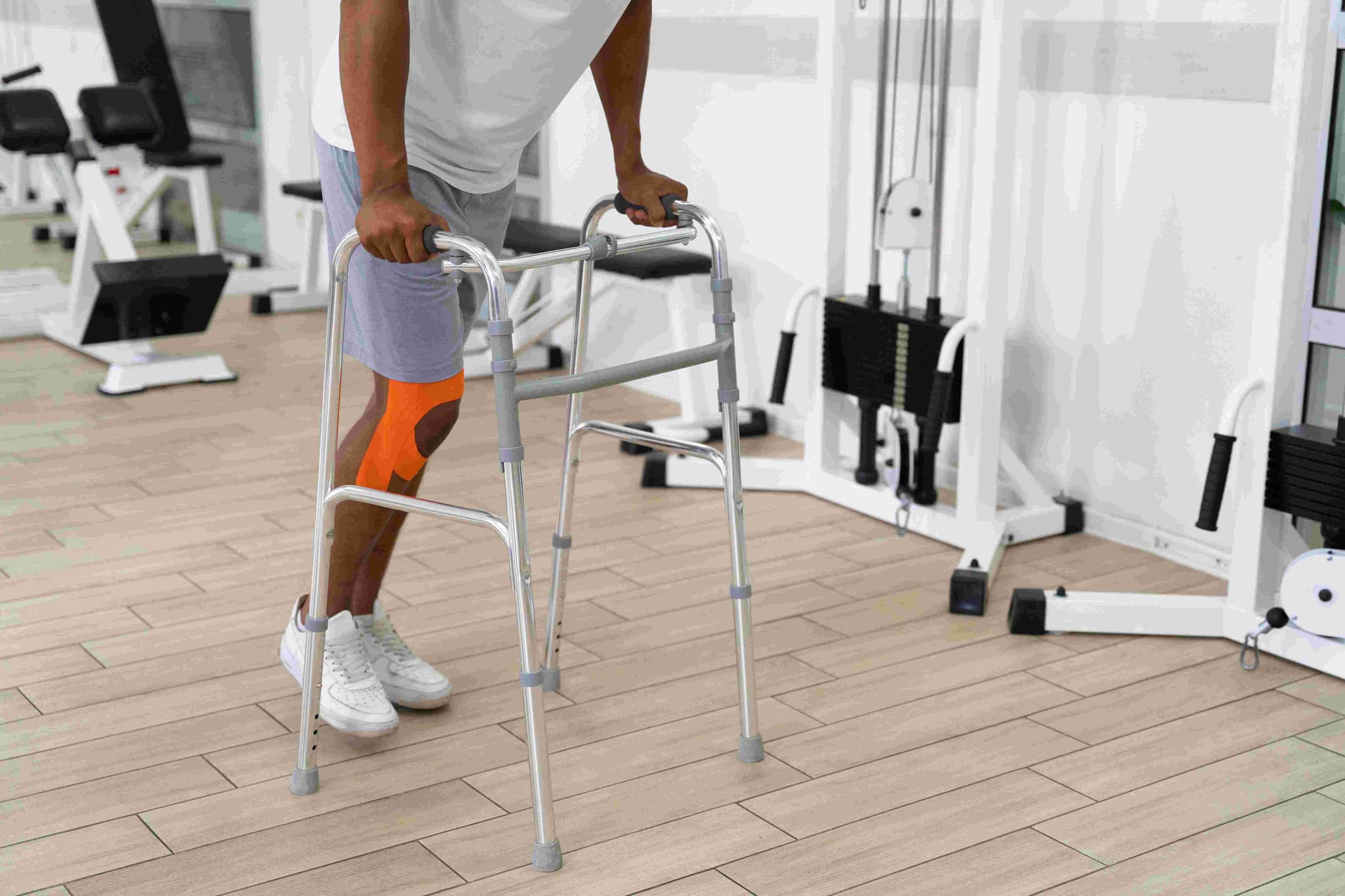
Physical Therapy: Mandatory sessions 2 to 5 times per week to prevent joint stiffness and muscle contractures as the bone grows.
Weight-Bearing: Patients start with partial weight-bearing using crutches; full weight-bearing is only permitted after X-rays confirm sufficient bone density.
Daily Device Management: Patients or caregivers must perform the scheduled adjustments (distractions) and clean pin sites meticulously.
Hardware Removal: Internal rods are typically removed via a minor surgery 1 to 2 years after the initial procedure.
Why Specialized Treatment Is Highly Effective
Natural Bone Growth: Uses the body's own regenerative power to create real, permanent bone tissue.
High Precision: Modern motorized internal rods allow for extremely accurate lengthening with minimal discomfort.
Simultaneous Correction: Can often correct bone rotations or angular deformities (like bow-legs) at the same time as lengthening.
Restored Symmetry: Provides a permanent solution to limb length discrepancies, improving gait and preventing long-term back or hip pain.
Limb Lengthening Surgery Cost in India
The cost of Limb Lengthening Surgery in India is generally affordable compared with many other countries, making India a popular destination for international patients seeking quality medical care. The treatment cost depends on factors such as the hospital, doctor's experience, treatment approach, medical condition, hospital stay, diagnostic tests, medicines, and any additional procedures required. For international patients, the starting cost of Limb Lengthening Surgery in India is approximately 8000 USD, although the final price may vary based on individual treatment requirements. Patients are advised to obtain a personalized treatment estimate after medical evaluation.