Medivisor India Treatment Logo
+91 83682 47758
info@medivisorhealth.com
  • Home
    • About Us
    • Our Services
    • Our Team
    • Our Safety Measures
    • Loading treatments...
    • Loading hospitals...
    • Loading doctors...
    • Treatment Cost
    • Treatment Process
    • Visa Process
    • Travel Guide
    • FAQs
    • Why Medivisor
    • Success Stories
    • Patient Activities
    • Social Activities
    • News Coverage
    • Blog
  • Become a Partner

Medivisor India Treatment is a trusted New Delhi–based medical travel company assisting international patients with advanced, affordable, and seamless treatment in India.

  • Medivisor House 359, Sector 1, Vaishali, Ghaziabad, (Delhi/NCR) India
  • +91 8368 247 758
  • info@medivisorhealth.com

About Us

  • About Us
  • Our Services
  • Our Team
  • Our Medical Advisors
  • Our Safety Measures
  • Join Our Network
  • Contact Us

India Treatment

  • Hospitals
  • Treatments
  • Treatment Cost
  • Treatment Process
  • Visa Process
  • Travel Guide
  • FAQs
  • Why Medivisor

Gallery

  • Patient Testimonials
  • Patient Activities
  • News Coverage
  • Blog

Get in Touch

© 2026 Medivisor India Treatment. All rights reserved.

Dr Manoj Kumar Singhal

Director & HOD - Division of Nephrology & Kidney Renal Care

Medanta Super Specialty Hospital, Noida

NephrologistKidney Transplant Surgeon

39+ years experience

Dr Manoj Kumar Singhal, Director & HOD - Division of Nephrology & Kidney
Renal Care at Medanta Super Specialty Hospital, Noida - Medanta Hospitals
  1. Home
  2. Doctors
  3. Dr Manoj Kumar Singhal

About Dr Manoj Kumar Singhal

Dr. Singhal is a highly distinguished specialist in nephrology, recognized for his medical leadership and extensive expertise in renal medicine. He specializes in the comprehensive management of complex kidney disorders, the optimization of renal replacement therapies, and the clinical governance of advanced organ transplant programs.

Mastery in Chronic Kidney Disease and Diabetic Nephropathy

He specializes in the clinical management of progressive renal conditions, with a primary focus on chronic kidney disease (CKD) and diabetic nephropathy. His therapeutic strategies are designed to slow the progression of renal decline, manage systemic complications such as secondary hypertension and fluid imbalances, and optimize metabolic pathways to preserve long-term kidney function.

Advanced Kidney Transplantation and Transplant Immunology

Dr. Singhal possesses profound expertise in leading complex kidney transplant programs. His clinical focus encompasses the meticulous pre-transplant evaluation of donors and recipients, the formulation of precise desensitization protocols for high-risk or incompatible transplants, and the long-term management of immunosuppressive therapies to prevent graft rejection while minimizing systemic toxicity.

Innovation in Acute Kidney Injury and Dialysis Modalities

He is highly proficient in the management of critical care nephrology, including acute kidney injury (AKI) requiring intensive multi-organ support. His practice integrates advanced renal replacement therapies, tailoring hemodialysis, peritoneal dialysis, and continuous renal replacement therapy (CRRT) prescriptions to the specific physiological needs of critically ill patients to ensure optimal fluid and solute clearance.

Clinical Leadership and Academic Contributions

A recognized authority in his field, Dr. Singhal has led major renal care initiatives across premier medical institutions. His commitment to research-driven care is reflected in his active participation in clinical trials and scientific publications aimed at improving patient outcomes. Furthermore, he serves as a dedicated mentor, training and shaping the clinical acumen of the next generation of nephrologists.

Dr. Manoj Kumar Singhal at a Glance

  • Specialist in Nephrology, Advanced Dialysis, and Kidney Transplantation.

  • Expert in the clinical management of Diabetic Nephropathy and Chronic Kidney Disease.

  • Proficient in high-risk transplant protocols and long-term post-transplant care.

  • Recognized leader in critical care nephrology and advanced renal replacement therapies.

  • Actively involved in clinical research and the mentorship of young medical specialists.

  • Focused on precision therapeutic strategies to improve long-term patient survival.

DNB - Nephrology | DM - Nephrology | MBA - Hospital Management | MBBS | MD - General Medicine
Board Certified in Nephrologist
President, Delhi Nephrology Society (2014–15)
President, North Zone, Indian Society of Nephrology (2023–24)
Certified Assessor for NABH (National Accreditation Board for Healthcare Organisations) 2025

Affiliated Hospitals

Medanta Super Specialty Hospital, Noida

Super Specialty

Noida, Delhi NCR

2025

Estd.

550+

Beds

200+

Doctors

May we help you?

Enter digits only (6-15 digits). We'll add your country code.

Related Treatments

Partial Nephrectomy (Kidney-Saving Surgery)

Partial Nephrectomy, also known as "Kidney-Sparing Surgery," is a complex procedure where only the diseased part of the kidney (usually a tumor) is removed, leaving the healthy, functioning kidney tissue intact. This is the preferred treatment for smaller kidney tumors to preserve as much renal function as possible.

When You Should Consider Partial Nephrectomy

  • Small Renal Masses: Typically the first choice for tumors less than 4 cm (Stage T1a) and many tumors up to 7 cm (Stage T1b).

  • Solitary Kidney: When a patient only has one functioning kidney, making it critical to avoid a total removal.

  • Bilateral Kidney Tumors: When tumors are present in both kidneys, requiring a sparing approach on one or both sides.

  • Pre-existing Kidney Disease: For patients with diabetes or hypertension who are at higher risk for future chronic kidney disease.

  • Genetic Predisposition: For patients with conditions like Von Hippel-Lindau (VHL) syndrome who may develop multiple tumors over their lifetime.

Methods of Partial Nephrectomy

  • Robotic-Assisted (Da Vinci): The modern standard for precision. It allows the surgeon to perform complex suturing within the tight "ischemia" time window using 3D magnification.

  • Laparoscopic Surgery: A minimally invasive approach using small incisions and specialized instruments to remove the tumor and repair the kidney.

  • Open Surgery: Often reserved for very large or centrally located tumors where the surgeon needs direct physical access to the kidney.

  • Nerve and Vessel Sparing: A technique focusing on identifying the specific arterial branches feeding the tumor to avoid clamping the entire renal blood supply.

  • Renorrhaphy (Repair): The reconstructive phase where the "hole" left in the kidney is stitched closed using specialized sutures and hemostatic agents.

How the Procedure Is Performed

  • Anesthesia: Performed under General Anesthesia to ensure total patient comfort and muscle relaxation.

  • The "Clamping" Phase: To prevent heavy bleeding, the surgeon temporarily clamps the Renal Artery. This must usually be completed in under 20–30 minutes to protect kidney health.

  • Tumor Excision: The surgeon cuts out the tumor along with a small "margin" of healthy tissue to ensure no cancer cells remain.

  • Hemostasis: Specialized "bolsters" or glues are often applied to the raw surface of the kidney to stop bleeding instantly.

  • Unclamping: The artery clamp is removed, and the surgeon verifies that the kidney regains its pink color and shows no signs of active bleeding.

  • Drain Placement: A small tube is left in the side for 24–48 hours to monitor for any internal fluid or blood collection.

Pre-Procedure Preparation

  • 3D Imaging: A high-resolution CT Scan or MRI with contrast is mandatory to map the "Renal Nephrometry Score" and tumor depth.

  • Kidney Function Test: A DTPA Scan or serum creatinine test is performed to establish a baseline for how well both kidneys are working.

  • Blood Prep: "Cross-matching" for blood units is done in advance due to the highly vascular nature of the kidney.

  • Medication Audit: You must stop all blood thinners (Aspirin, Warfarin, etc.) 7–10 days prior to the operation.

  • Fasting: Maintaining a "nil per oral" status for 8 hours before the procedure for anesthesia safety.

Pre-Surgery Tests

  • Complete Blood Count (CBC): To check baseline hemoglobin levels and ensure the body is ready for surgery.

  • Coagulation Profile: Testing PT/INR and Platelet counts to ensure the kidney repair will clot effectively.

  • Chest X-ray and EKG: Standard pre-operative checks to ensure heart and lung fitness for general anesthesia.

  • Urinalysis: To rule out any existing urinary tract infections before the procedure.

  • Electrolyte Panel: Checking sodium, potassium, and calcium levels to ensure the body’s chemistry is balanced.

Life After Partial Nephrectomy (Recovery & Risks)

  • Hospital Stay: Usually 2–3 days for Robotic/Laparoscopic surgery and 4–5 days for the Open approach.

  • Catheterization: A Foley catheter is placed in the bladder for 1–2 days to monitor urine output and filtration.

  • Activity Restrictions: No heavy lifting (over 5kg) or strenuous exercise for 6 weeks to prevent the repair from bleeding.

  • Hydration Therapy: Drinking 2–2.5 litres of water daily is recommended to keep the kidneys working at a steady, healthy pace.

  • Urine Leak Risk: If the repair isn't water-tight, a temporary JJ Stent may be placed to allow the kidney to heal.

  • Follow-Up Imaging: A CT scan is typically repeated at 3 or 6 months to monitor the surgical site and ensure no recurrence.

Why Specialized Treatment Is Highly Effective

  • Preservation of Function: By saving the healthy part of the kidney, patients have a much lower risk of requiring dialysis in the future.

  • Oncological Equivalent: Modern studies show that for appropriately selected tumors, a partial removal is just as effective as a total removal for cancer control.

  • Robotic Precision: 2026 robotic technology allows for "ultra-selective clamping," where only the tumor's blood supply is stopped, leaving the rest of the kidney "warm."

  • Faster Recovery: Minimally invasive techniques lead to less pain, smaller scars, and a quicker return to normal life compared to traditional surgery.

  • Lower Cardiovascular Risk: Maintaining two functioning kidneys is linked to better long-term heart health and blood pressure control.

Kidney Transplant Surgery

Kidney transplant surgery is a life-saving procedure where a healthy kidney from a donor (living or deceased) is placed into a patient with end-stage renal disease (ESRD). It is generally the preferred treatment over lifelong dialysis, offering a significantly better quality of life and higher long-term survival rates. This procedure restores the body's ability to filter waste and maintain fluid balance naturally.

When You Should Consider a Kidney Transplant

  • End-Stage Renal Disease (ESRD): When your kidneys have lost approximately 90% of their function due to chronic conditions.

  • Diabetes Mellitus: One of the leading causes of kidney failure that can be effectively managed through transplantation.

  • Chronic High Blood Pressure: Persistent hypertension that has caused irreversible damage to the kidney's filtering units (nephrons).

  • Polycystic Kidney Disease (PKD): A genetic disorder causing numerous cysts to grow in the kidneys, eventually leading to failure.

  • Preemptive Transplant: For patients whose kidney function is declining but who have not yet started dialysis, as this often leads to the best long-term outcomes.

How Is Performed

  • Anesthesia: The operation is performed under general anesthesia and typically takes between 3 to 4 hours.

  • Placement: The donor kidney is placed in the lower abdomen (usually the right or left groin area).

  • Native Kidneys: Your original kidneys are generally left in place unless they are causing specific complications like chronic infection or severe high blood pressure.

  • Vascular Connections: The donor kidney's artery and vein are surgically attached to your existing iliac blood vessels in the lower abdomen to establish blood flow.

  • Ureteral Connection: The donor's ureter (the tube that carries urine) is connected directly to your bladder to allow for natural voiding.

  • Monitoring: Once blood starts flowing, the new kidney often begins producing urine immediately, though it can sometimes take several days to fully "wake up."

Pre-Procedure Preparation

  • Transplant Evaluation: A comprehensive series of medical, surgical, and psychological tests to ensure you are a suitable candidate for the procedure.

  • Compatibility Testing: Blood typing (A, B, AB, or O) and tissue typing (HLA matching) to find the best possible donor match.

  • Crossmatch Test: A final blood test mixed with the donor's cells to ensure your immune system will not immediately attack the new organ.

  • Dental and Cancer Screenings: Ensuring there are no active infections or undiagnosed malignancies that could be exacerbated by anti-rejection medication.

  • Fasting: Following strict "nothing by mouth" instructions for 8 hours prior to your scheduled surgery.

Tests Before Kidney Transplant

  • Echocardiogram: A detailed heart ultrasound to ensure your cardiovascular system can handle the surgery.

  • Chest X-ray: To rule out any active lung infections or fluid buildup prior to anesthesia.

  • Panel Reactive Antibody (PRA) Test: Measures the level of antibodies in your blood to determine how difficult it will be to find a compatible match.

  • CT Scan of the Pelvis: To evaluate the blood vessels in the lower abdomen where the new kidney will be attached.

  • ECG: A routine heart check to confirm cardiac stability for the duration of the procedure.

Life After Kidney Transplant

  • Hospital Stay: Typically lasts 3 to 7 days for the recipient to monitor organ function and manage post-operative pain.

  • Lifelong Medication: You must take immunosuppressant (anti-rejection) drugs daily for the rest of your life to prevent your immune system from attacking the new kidney.

  • Physical Restrictions: Avoid lifting objects heavier than 4.5 kg (10 lbs) for at least 6 to 8 weeks to allow the abdominal wall to heal.

  • Driving and Work: Driving is usually restricted for 2 to 6 weeks, and most people can return to professional work within 8 to 12 weeks.

  • Dietary Adjustments: While restrictions are fewer than on dialysis, you must avoid raw/undercooked foods and grapefruit/grapefruit juice, which can dangerously interfere with anti-rejection medications.

Why Specialized Treatment Is Highly Effective

  • Eliminates Dialysis: A successful transplant removes the need for time-consuming dialysis treatments, providing true freedom and independence.

  • Higher Energy Levels: Restoring natural kidney function helps correct anemia and remove toxins, leading to significantly increased vitality.

  • Fewer Dietary Restrictions: Patients can enjoy a much broader range of foods and fluids compared to the strict limitations of a renal diet.

  • Improved Long-term Survival: Statistics consistently show that transplant recipients live longer than patients who remain on long-term dialysis.

  • Cost-Effective Care: While the initial surgery is intensive, the long-term cost of maintaining a healthy transplant is much lower than the ongoing cost of dialysis.

Realted Specialist

Dr Sanjay Gogoi
Dr Sanjay Gogoi
Urologist, Kidney Transplant Surgeon, Uro-Oncologist
Medanta - The Medicity, Gurugram
36+years experience
View Profile
Dr Anant Kumar
Dr Anant Kumar
Kidney Transplant Surgeon, Uro-Oncologist
Max Super Specialty Hospital, Saket
39+years experience
View Profile
Dr Dinesh Khullar
Dr Dinesh Khullar
Nephrologist
Max Super Specialty Hospital, Saket
33+years experience
View Profile
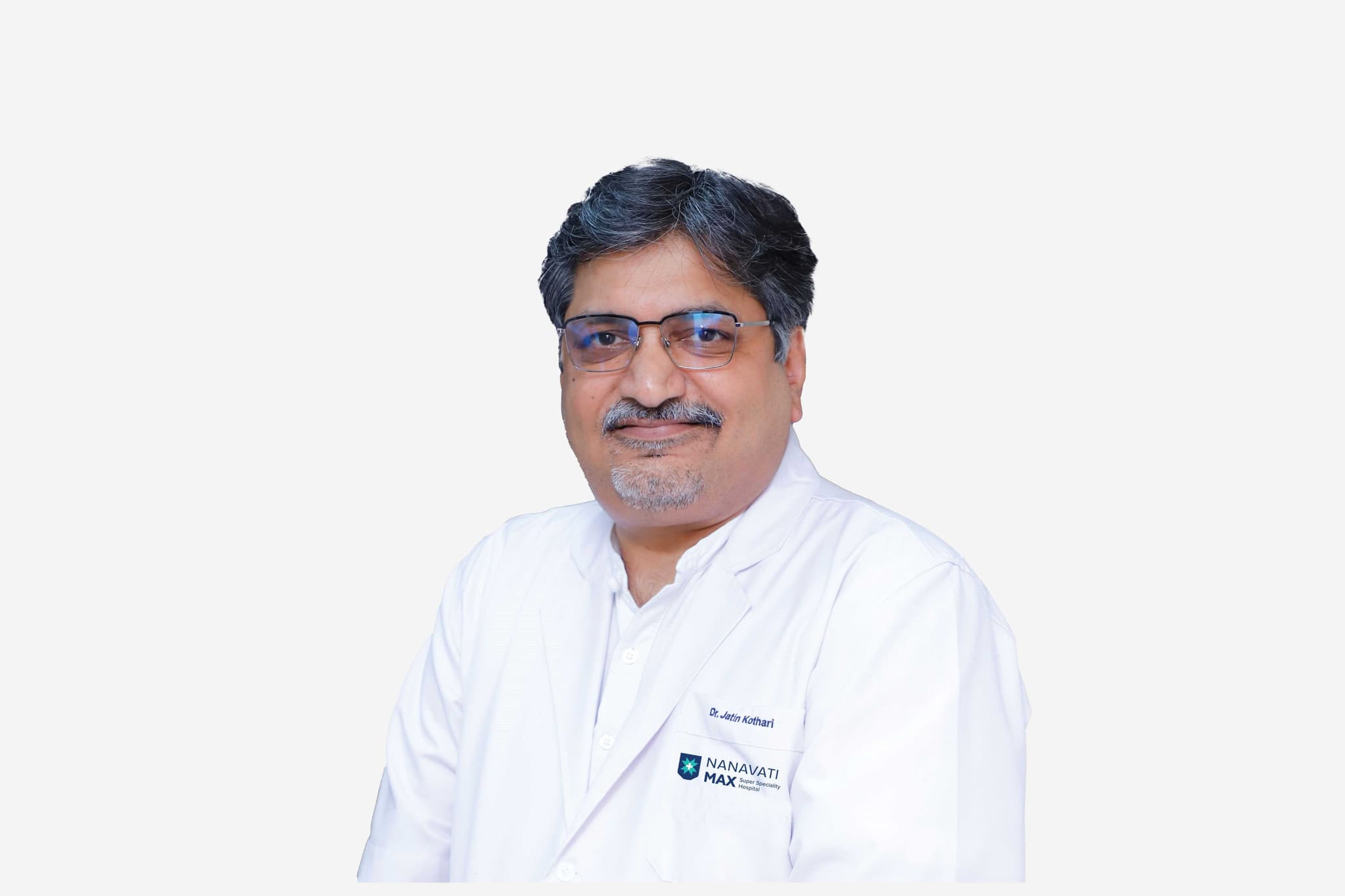
Dr Jatin Kothari
Dr Jatin Kothari
Kidney Transplant Surgeon
Nanavati-Max Super Specialty Hospital, Mumbai
30+years experience
View Profile
Dr Manish Vaish
Dr Manish Vaish
Spine Surgeon, Neurosurgeon
Medanta Super Specialty Hospital, Noida
30+years experience
View Profile
Dr Mohan Keshavamurthy
Urologist, Kidney Transplant Surgeon, Pediatric Urologist, Uro-Oncologist
Fortis Escorts Hospital, Faridabad
37+years experience
View Profile
Dr Neeru Praveer Aggarwal
Nephrologist
Max Super Specialty Hospital, Vaishali
36+years experience
View Profile
Dr P Banu Teja Reddy
Urologist, Kidney Transplant Surgeon
Apollo Hospital, Financial District
11+years experience
View Profile
Dr Rajasekara Chakravarthi Madarasu
Nephrologist
Yashoda Hospital, Hitec City
30+years experience
View Profile
Dr Rajeev Sood
Dr Rajeev Sood
Urologist, Kidney Transplant Surgeon
Marengo Asia Hospital, Faridabad
30+years experience
View Profile
Dr Rajesh Ahlawat
Dr Rajesh Ahlawat
Urologist, Kidney Transplant Surgeon, Uro-Oncologist
Max Super Specialty Hospital, Sector-128, Noida
41+years experience
View Profile
Dr Rajinder Yadav
Dr Rajinder Yadav
Urologist, Kidney Transplant Surgeon, Uro-Oncologist
Fortis Hospital, Shalimar Bagh, New Delhi
42+years experience
View Profile
Dr Sandeep Guleria
Dr Sandeep Guleria
Kidney Transplant Surgeon
Indraprastha Apollo Hospital, Delhi
33+years experience
View Profile
Dr Sanjay Pandey
Dr Sanjay Pandey
Urologist, Kidney Transplant Surgeon
Kokilaben Dhirubhai Ambani Hospital
25+years experience
View Profile
Dr Shailendra Kumar Goel
Urologist, Kidney Transplant Surgeon, Uro-Oncologist
Fortis Hospital, Noida
26+years experience
View Profile
Dr Shailesh Raina
Dr Shailesh Raina
Urologist, Kidney Transplant Surgeon
Sir H N Reliance Foundation Hospital and Research Centre
45+years experience
View Profile
Dr Sudhir Dubey
Dr Sudhir Dubey
Neurosurgeon
Medanta - The Medicity, Gurugram
31+years experience
View Profile
Dr Sudipto Pakrasi
Dr Sudipto Pakrasi
Glaucoma Specialist, Cornea Specialist, Cataract Surgeon
Medanta - The Medicity, Gurugram
44+years experience
View Profile
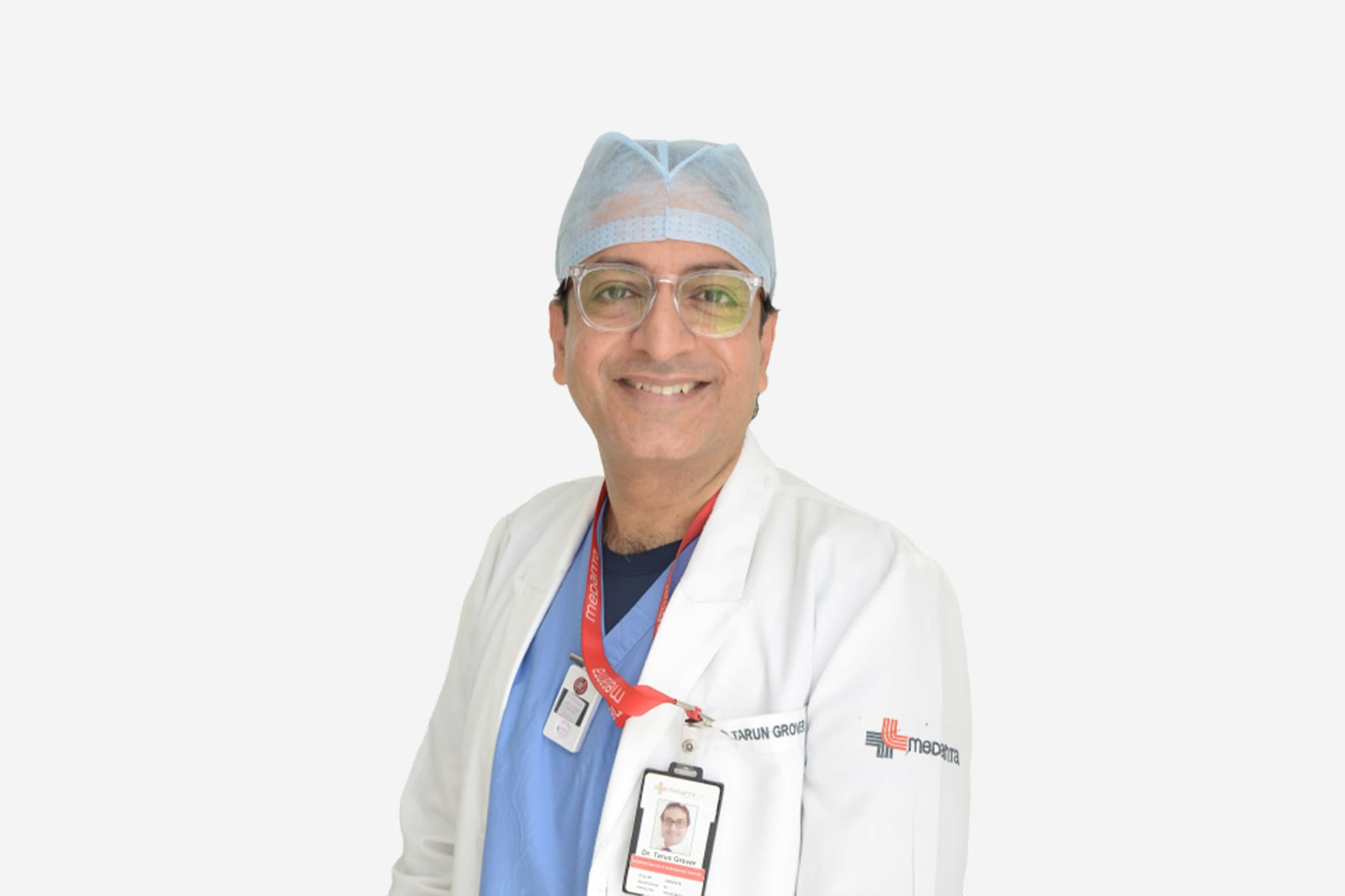
Dr Tarun Grover
Dr Tarun Grover
Vascular Surgeon
Medanta - The Medicity, Gurugram
31+years experience
View Profile
Dr Tejinder Kataria
Dr Tejinder Kataria
Radiation Oncologist
Medanta - The Medicity, Gurugram
42+years experience
View Profile

May we help you?

Enter digits only (6-15 digits). We'll add your country code.